
Executive Overview
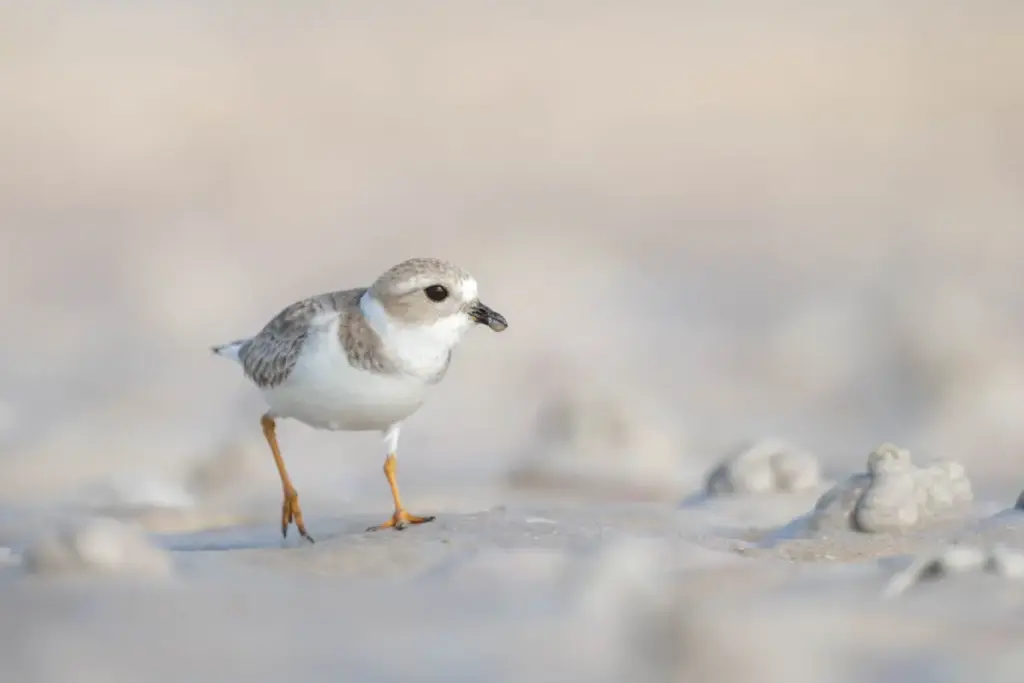
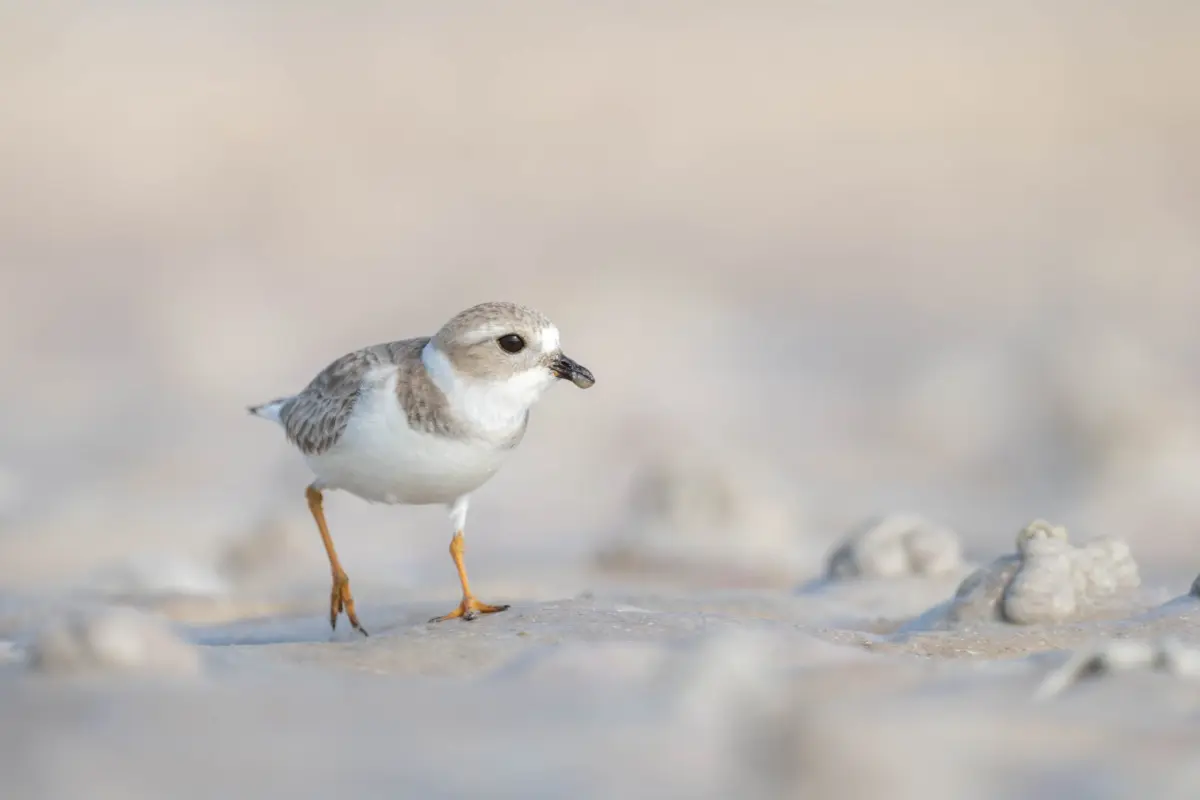
On a biting, slate-gray January morning in 2025, along the windswept southern reaches of Huntington Beach State Park in South Carolina, an avian encounter occurred that would bridge international borders and unite conservationists separated by a thousand miles. A routine shorebird survey conducted by an Audubon coastal stewardship coordinator revealed a familiar silhouette: the Piping Plover (Charadrius melodus). This tiny, sand-colored shorebird is among North America’s most imperiled avian species. However, this particular bird was distinguished by a series of precise, colorful leg bands—the universal telemetry of wildlife science.
The subsequent investigation into these bands unveiled a remarkable narrative. This was no ordinary winter visitor. The bird was a female hailing from the critically endangered Great Lakes population, a distinct demographic hovering at a precarious baseline of approximately just 90 breeding pairs. Even more extraordinary, she was a product of a daring 2024 captive-rearing intervention, her egg having been rescued from a catastrophic coastal storm that washed away her original nest. Her presence on the South Carolina coast served as empirical proof that a captive-reared shorebird could successfully navigate the perils of its inaugural southward migration.
Named "Darla" by conservationists upon her arrival at her Canadian breeding grounds later that spring, this resilient plover became an ambassador for her species. Her life trajectory transformed a theoretical conservation debate into a tangible, high-stakes international rescue mission. Darla’s annual transcontinental migrations—moving between the warming, sheltered barrier islands of the American Southeast and the glacial provincial parks of Ontario—embody the central challenge of modern avian conservation: migratory species do not recognize geopolitical boundaries. Protecting them requires seamless, cross-border collaboration, unified public education, and aggressive habitat management.
This in-depth report explores Darla’s remarkable journey, tracing her path from a fragile, storm-threatened egg in Ontario to a resilient mother on the shores of Darlington Provincial Park, and back to the salt-kissed dunes of South Carolina. Furthermore, it examines the shared ecological threats facing the Piping Plover, the unprecedented bi-national cooperative frameworks required to secure its future, and the ongoing scientific methodologies employed by organizations like the National Audubon Society and Birds Canada to pull an endangered species back from the brink of extinction.
Detailed Chronology: The Life and Migrations of a Remarkable Shorebird
Genesis of a Survivor: The 2024 Hatching
The story of Darla begins in the spring of 2024 within the Great Lakes ecosystem, a region supporting the smallest and most vulnerable of the continent’s three distinct Piping Plover breeding populations. Piping Plovers typically scrape shallow depressions into open, sandy beaches, lining them with tiny pebbles and shell fragments. These nests are exceptionally vulnerable to the elements.
During a severe weather event in the spring of 2024, high winds and surging lake waters threatened to wash away a clutch of Piping Plover eggs. Quick-acting wildlife biologists intervened, rescuing the doomed egg before it could be destroyed. Recognizing the dire status of the Great Lakes population—where every single individual represents a critical genetic asset—biologists transferred the rescued egg to a specialized captive-rearing facility.
In captivity, the chick was hatched and carefully raised under strictly monitored conditions designed to maximize its survival odds while mitigating human imprint behaviors. Before her release into the wild, biologists outfitted the young plover with a unique combination of leg bands, including an orange plastic band or flag signifying her origin within the Great Lakes region. These bands act as a biometric passport, allowing researchers to track her life history across the North American continent.
The First Odyssey: Reaching the Carolinas
In the late summer and fall of 2024, driven by an ancient, genetically encoded compass, the young plover embarked on her maiden southbound migration. This journey tested her physiological limits, relying entirely on her own wings and a thin layer of subcutaneous fat accumulated during staging periods.
By January 2025, she had successfully completed the roughly 1,000-mile journey, touching down on the protected coastal environments of South Carolina. It was here, amidst the shifting dunes of Huntington Beach State Park, that she crossed paths with an Audubon coastal stewardship coordinator. Locating a banded Piping Plover during winter surveys is an uncommon event; identifying a banded plover from the critically endangered Great Lakes population is a rare scientific milestone. This sighting provided definitive validation of the captive-rearing program’s efficacy, proving that human-assisted hatchlings could successfully integrate into wild migratory corridors and survive the hazards of the Atlantic and Gulf coastal wintering grounds.
Summer in Ontario: The Birth of "Darla"
As winter transitioned to spring in 2025, the plover reversed her route, flying northward over a thousand miles to Darlington Provincial Park in Ontario, Canada. There, she established her territory on the sandy beaches of the Great Lakes.
Under the watchful eyes of the Birds Canada Piping Plover team, park staff, and dedicated local volunteers, the plover successfully nested and fledged her first chick. It was during this successful breeding season that she was formally christened "Darla." Following the conclusion of the breeding season, Darla undertook her southbound journey once again, returning safely to her favored wintering grounds in South Carolina for the 2025–2026 winter season.
The 2026 Reunion: A Convergence in Canada
The narrative took an unexpected turn in the spring of 2026. The Audubon coordinator, planning a personal trip to Toronto, Ontario, to attend an Elton John concert, realized with mounting excitement that her travel destination was located a mere hour away from Darlington Provincial Park—Darla’s established summer home.
Recognizing an unprecedented opportunity to document a wintering bird on its summer breeding grounds, the coordinator reached out to the Birds Canada Piping Plover team. While the Canadian researchers were thrilled by the prospect, a heavy cloud of anxiety accompanied the communication. Darla had not yet been spotted on the Ontario beaches. Spring arrivals are fraught with danger; she could have selected a different stretch of shoreline, or worse, succumbed to the myriad hazards of the 1,000-mile spring migration.
The coordinator boarded a commercial airliner in South Carolina, cruising northward at 500 miles per hour—mirroring Darla’s migratory path, albeit through mechanized means rather than biological endurance. As the commercial aircraft touched down in the crisp, early-spring climate of Ontario, the coordinator’s phone vibrated with a triumphant ping from the Birds Canada team: Darla had arrived. Human and bird had completed the transcontinental journey on the exact same day.
The following morning, the Audubon coordinator joined forces with JulieAnn Prentice, a Birds Canada Ontario Piping Plover Field Biologist. Despite never having met, hailing from different countries, and representing distinct conservation organizations, the two scientists were united by a single, diminutive bird. Navigating a cold, blustery morning along the Great Lakes shoreline, the researchers scanned the pebble-strewn beach. Just one kilometer into their trek, perfectly camouflaged among gray stones, stood Darla—completing a profound biological and professional full circle from the salt marshes of South Carolina to the freshwater coasts of Ontario.
Continuing the Legacy
By the close of the 2026 breeding season, Darla had successfully partnered with a male plover named Bowie and fledged four healthy chicks. As summer waned, she initiated her southward migration once more, leaving behind a legacy of conservation success and bringing immense joy to the bi-national network of scientists and volunteers who guard her footsteps.
Supporting Context & Metrics: The Status of the Piping Plover
To fully appreciate the significance of Darla’s journey, one must examine the macro-level conservation metrics governing the Piping Plover (Charadrius melodus). Listed as federally endangered in Canada and split between threatened and endangered status under the United States Endangered Species Act, the Piping Plover is an indicator species for the health of North America’s fragile coastal ecosystems.
Population Demographics and Breeding Subpopulations
The Piping Plover is divided into three distinct breeding populations, each facing unique anthropogenic and natural pressures:
- The Atlantic Coast Population: Breeding along the beaches from Newfoundland down to North Carolina, this population has seen moderate recovery due to intensive management, numbering in the low thousands of breeding pairs.
- The Northern Great Plains Population: Spanning from Nebraska northward into the Canadian prairie provinces, this population utilizes wide, sandy riverine systems and wetland margins.
- The Great Lakes Population: The smallest, most vulnerable demographic. Historically numbering in the hundreds of pairs, habitat destruction and human encroachment reduced the population to a mere 12 pairs in the 1990s. Though intensive conservation efforts under the Great Lakes Piping Plover Conservation Team have coaxed numbers upward, the population remains dangerously low at approximately 90 breeding pairs.
Shared Ecological Threats Across Latitudes
During their bi-annual symposia and field discussions, biologists like the Audubon coordinator and JulieAnn Prentice frequently uncover a striking overlap in the ecological challenges confronting plovers across their range. Whether on the shores of South Carolina or the beaches of Ontario, the threats are virtually identical:
- Habitat Loss and Coastal Development: Human alteration of shorelines, hardening of dunes with seawalls, and commercial beach development strip away the open, dynamic sandy habitats plovers require for nesting and foraging.
- Human Disturbance: Recreational beach use—including foot traffic, off-leash dogs, and vehicular access—frequently flushes incubating adults from their nests, exposing eggs to lethal solar radiation or avian predators, and disrupts critical foraging cycles for growing chicks.
- Natural and Subsidized Predators: Plover nests and chicks are heavily targeted by avian predators (gulls, crows) and mammalian predators (raccoons, foxes, feral cats), many of whose populations are artificially inflated by human garbage and refuse near coastal communities.
- Extreme Weather Events: Climate change is accelerating the frequency and intensity of severe coastal storms, tropical systems, and unseasonal lake surges, which inundate low-lying nests and wash away entire generations of chicks—the very threat that initially imperiled Darla’s egg in 2024.
Official Statements and Expert Insights
The convergence of international conservation protocols around individual birds like Darla highlights a shift toward holistic, flyway-level management in modern ornithology.
"Finding a banded bird isn’t common. Finding a banded Piping Plover is even more unusual. But this bird would prove to be exceptionally rare… We had never met before, we came from different countries and worked for different organizations, but we had one tiny bird in common."
— Audubon Coastal Stewardship Coordinator
This sentiment underscores the emotional and professional bonds forged through transnational wildlife tracking. Field biologists operate on the front lines of ecological preservation, where the survival of a single bird can represent a multi-agency victory.
Birds Canada researchers emphasize that telemetry data gathered from sightings on southern wintering grounds are indispensable to northern recovery plans. According to avian field biologists tracking the Great Lakes population, every sighting reported via the dedicated tracking networks provides crucial data points regarding winter site fidelity, habitat preferences, and survivorship rates.
Furthermore, international wildlife agencies stress that conservation cannot stop at municipal or national borders. Because migratory species spend months in one jurisdiction and breed in another, the degradation of habitat in a wintering ground like South Carolina can directly neutralize reproductive success in a breeding ground like Ontario. Coordinated strategies—such as synchronized beach-nesting bird closures, unified public outreach campaigns, and shared database systems—are the cornerstone of contemporary endangered species management.
Future Outlook: Protecting the Flyway for Generations to Come
The saga of Darla the Piping Plover is simultaneously a cause for celebration and a sobering reminder of the fragility of modern biodiversity. While the successful fledging of multiple broods and her repeated safe migrations demonstrate the resilience of nature when aided by targeted human intervention, the Great Lakes population remains tethered to a knife-edge of extinction risk.
Actionable Conservation Guidelines for Beachgoers
The long-term survival of the Piping Plover does not rest solely in the hands of field biologists; it relies heavily on the daily choices made by millions of recreational beach visitors across the Atlantic, Gulf, and Great Lakes flyways. Conservation authorities urge the public to adhere to standardized behavioral codes when visiting coastal habitats:
- Give Shorebirds Space: Observe nesting and foraging birds from a distance. If a plover is calling loudly, feigning a broken wing, or running away from you, you are too close and must retreat.
- Keep Pets Leashed: Dogs are perceived as mammalian predators by ground-nesting birds. Even well-behaved, leashed dogs can cause adult plovers to abandon nests, while off-leash dogs frequently crush camouflaged eggs or chase flightless chicks.
- Pack Out What You Pack In: Leaving food scraps and garbage on beaches attracts unnatural densities of scavengers and predators (such as gulls, raccoons, and foxes) that subsequently prey upon plover eggs and chicks.
- Respect Beach Closures: Obey all posted signage, symbolic fencing, and seasonal buffer zones erected by conservation agencies to protect active nesting territories.
The Scientific Imperative of Band Reporting
For researchers, citizen scientists, and observant beachgoers, the tracking of banded birds remains an invaluable scientific tool.
An orange plastic band or flag indicates a Piping Plover is from the Great Lakes Region. Observers are strongly encouraged to report any sightings encountered on the wintering grounds to [email protected]. These citizen-science reports directly inform ongoing research and adaptive conservation frameworks designed to rebuild this small, endangered population.
As Darla continues her nomadic life between the Great Lakes and the American South, her future—and the future of her species—remains unwritten. Whether she will grace the South Carolina shores once more in future winters is a question only time can answer. Yet, her legacy is already secure: she has proven that human dedication, international cooperation, and cross-border stewardship can carve out a fighting chance for even the most vulnerable creatures on our shared planet.