
Executive Overview
For millions of caregivers around the world, caregiving is an intricate dance of observation, intuition, and perpetual vigilance. Yet, one of the most agonizing challenges in this role arises when a loved one is nonverbal. When someone cannot speak, they cannot articulate the sharp twinge of a decaying molar, the dull, throbbing ache of inflamed gums, or the sensory discomfort of a cracked filling. Instead, distress manifests through an altered behavioral vocabulary: a sudden refusal to eat favorite foods, persistent rubbing of the jaw, uncharacteristic agitation during mealtimes, or a new habit of grinding teeth.
These subtle red flags frequently leave caregivers trapped in a disorienting cycle of guesswork, second-guessing, and quiet anxiety. Is the sudden behavioral shift driven by emotional distress, sensory overload, or a hidden physical ailment?
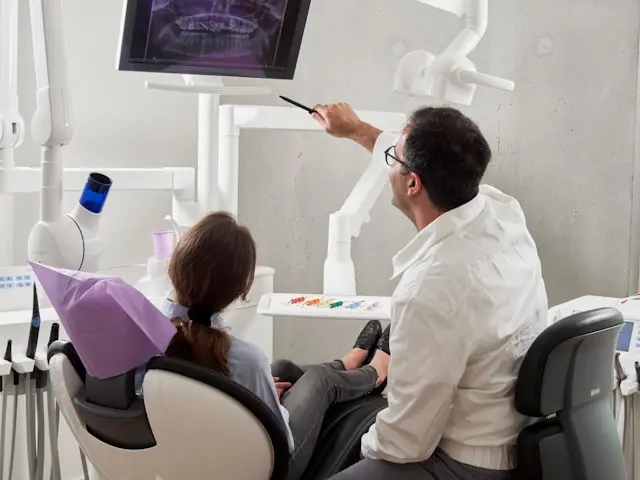
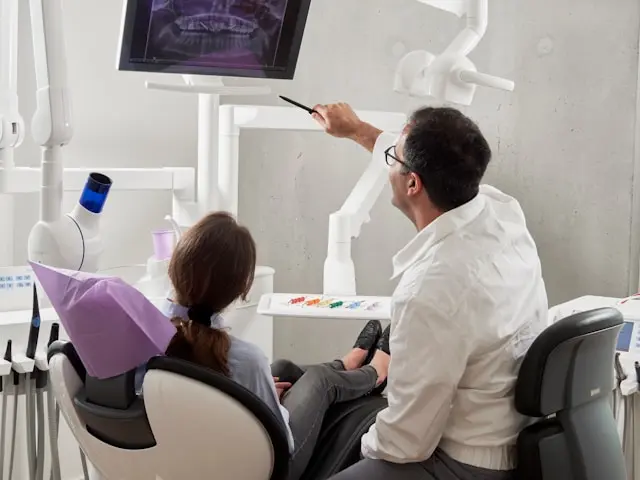
Navigating this uncertainty does not have to be an isolating burden. By forging a proactive partnership with a qualified family dentist—such as a dedicated practitioner like a dentist in New Smyrna Beach—caregivers can bridge the communication gap. Family dentistry provides a clinical anchor, transforming vague, ambiguous behavioral changes into actionable diagnostic insights. This comprehensive report explores the multifaceted challenges of monitoring oral health in nonverbal patients, details how family dental practices help decode these silent signals, outlines practical observation frameworks for the home, and establishes a path toward collaborative, stress-reduced care planning.
Detailed Chronology: The Evolution of Nonverbal Oral Care and Clinical Intervention
Understanding the modern standard of care for nonverbal and developmentally disabled patients requires examining how medical and dental communities have shifted from reactive treatments to proactive, longitudinal monitoring systems.
The Eras of Dental Care Accessibility
[Historical Era: 1980s-1990s]
  └── Reactive, crisis-driven extractions; minimal preventative planning for nonverbal individuals.
       │
[Transition Era: 2000s-2010s]
  └── Recognition of developmental needs; introduction of specialized guidelines (NIDCR frameworks).
       │
[Modern Collaborative Era: Present Day]
└── Integrated care models; baseline digital mapping, behavioral tracking, and family-dentist partnerships.- The Reactive Era (Late 20th Century): Historically, dental care for nonverbal, cognitively impaired, or developmentally disabled individuals was largely crisis-driven. Patients typically only saw a dentist when an infection reached a severe, visible stage—often resulting in emergency extractions under general anesthesia. Little attention was paid to the early behavioral indicators of discomfort because clinical education rarely integrated behavioral psychology with dental diagnostics.
- The Advocacy and Integration Era (Early 2000s): As healthcare philosophy shifted toward patient-centered outcomes, institutions like the National Institute of Dental and Craniofacial Research (NIDCR) began prioritizing research and publishing guidelines dedicated to developmental disabilities and oral health. Dentists started recognizing that behavioral abnormalities in nonverbal populations were frequently proxies for physical pain.
- The Modern Collaborative Era (Present): Today, family dentistry has evolved to embrace continuous, community-integrated care models. Dentists understand that the caregiver is the primary observer on the frontline of health monitoring. Modern protocols emphasize establishing early developmental and dental baselines, utilizing digital record-keeping, photographic tracking, and structured communication loops between home and clinic to catch oral pathologies before they escalate into systemic emergencies.
Supporting Context & Metrics: The Hidden Toll of Untreated Oral Pain
Oral health is deeply intertwined with systemic wellness, nutrition, and psychological stability. For nonverbal patients, an undetected dental issue triggers a cascade of secondary complications that can severely diminish their quality of life.
Clinical Signs vs. Underlying Pathology Matrix
| Observed Behavioral Change | Potential Oral Pathology | Diagnostic Priority Level |
|---|---|---|
| Refusal of hard/crunchy foods | Cracked tooth, advanced decay, loose restoration, periodontal pocketing | High (Schedule clinical exam within 48–72 hours) |
| Unprovoked face touching or jaw striking | Erupting molars, periapical abscess, severe bruxism, pulpitis | Critical (Immediate consultation to rule out acute infection) |
| Bleeding during routine brushing | Generalized or localized gingivitis, aggressive brushing trauma, early periodontitis | Moderate (Address via hygiene adjustment; monitor for 1 week) |
| Chronic, unresolving halitosis | Periodontal disease, necrotic pulp, severe dry mouth (xerostomia), food impaction | Moderate-High (Requires professional scaling and clinical evaluation) |
| Audible grinding (bruxism) & tooth wear | Chronic stress, occlusal misalignment, neurological reflex response | Moderate (Discuss protective night guards or behavioral interventions) |
The Psychological Impact on Caregivers
Studies in healthcare caregiving indicate that chronic uncertainty is a primary driver of caregiver burnout. When a caregiver spends days or weeks wondering if a loved one is crying out from a hidden dental abscess or an ill-fitting dental appliance, psychological fatigue sets in. According to data highlighted by public health agencies regarding family caregivers of people with disabilities, emotional exhaustion often stems from the inability to pinpoint the source of a patient’s distress.
By establishing a formalized observation and dental monitoring routine, caregivers can reclaim a sense of agency. Transforming vague anxieties into documented data points ("He has refused his left-side chew for three consecutive days and drools more during sleep") converts helpless worry into an empowered clinical dialogue.
Official Statements & Institutional Guidance
Medical and dental authorities consistently emphasize that oral health cannot be siloed from overall physiological and behavioral well-being.
The Centers for Disease Control and Prevention (CDC) notes that adult oral health maintenance requires a combination of daily hygiene habits, nutritional awareness, and routine professional oversight. For vulnerable populations, the CDC’s resources for family caregivers stress that systemic health relies heavily on early intervention. When an individual cannot voice their symptoms, the burden of early detection falls upon a collaborative network comprising family members, residential aides, and primary family dentists.
Furthermore, the National Institute of Dental and Craniofacial Research (NIDCR) highlights that individuals with developmental disabilities face distinct barriers to care, ranging from sensory sensitivities in the dental office to difficulties with traditional mechanical plaque removal. NIDCR guidelines advocate for customized dental care plans that account for a patient’s unique sensory profile, cognitive capacity, and motor limitations. A competent family dentist does not apply a one-size-fits-all approach; instead, they tailor preventive regimens—such as customized fluoride applications, specialized toothbrush recommendations, and adaptive home-care tools—to fit the practical realities of the patient’s daily life.
Future Outlook: Building a Resilient Home-to-Clinic Monitoring System
As dental medicine continues to advance, the future of oral health monitoring for nonverbal patients lies in structured systems that bridge the gap between domestic observation and clinical diagnostics. Caregivers can implement a three-step framework today to ensure minor oral changes do not balloon into major medical emergencies.
1. Establish a Standardized Daily Observation Routine
Observation should not be a frantic, sporadic reaction to a crisis. Instead, caregivers should integrate a brief, low-stress observation window into their daily routine—ideally during morning hygiene or pre-bedtime routines.
- What to scan: Quick visual checks of the lips, outer gum line, accessible tooth surfaces, and saliva consistency.
- Behavioral checks: Note any reluctance during eating, new tic-like face touching, or changes in vocalization tones.
- Documentation: Keep a minimalist log (digital notes or a dedicated journal). Entries do not need to be medical essays; phrases like "Tuesday: whimpered during dinner, chewed strictly on right side" provide vital longitudinal context for the dentist.
2. Bridge the Gap Between Home Observations and Clinical Visits
When preparing for a dental appointment, caregivers often worry they lack the precise medical terminology to describe a problem. Dentists do not expect clinical jargon; they rely on behavioral narratives.
- Bring the context: Share the timeline. When did the behavior start? Does it correlate with specific temperatures of food (suggesting nerve sensitivity)?
- Leverage technology: If the patient engages in repetitive behaviors like jaw tapping or gum rubbing that stop in a clinical environment due to adrenaline or distraction, capture a short, discreet video on your smartphone. Showing the dentist how the behavior manifests at home can be the key to unlocking an accurate diagnosis.
3. Co-Create a Realistic, Sustainable Prevention Plan
An idealized dental care plan that calls for complex flossing maneuvers and high-stress brushing techniques will ultimately fail if it induces sensory panic or caregiver burnout.
- Collaborate on adaptation: Ask your family dentist about alternative hygiene tools—such as three-sided toothbrushes, specialized soft-foam applicators, or therapeutic rinses that do not require aggressive spitting.
- Determine optimal recall intervals: While standard patients visit the dentist every six months, nonverbal or high-risk patients may benefit from more frequent, low-stress check-ins (every three to four months) to maintain familiarity with the dental team and catch pathologies at their absolute earliest, most manageable stages.
Conclusion
Caring for a nonverbal loved one is an act of profound dedication. When oral discomfort strikes in silence, the emotional toll on the caregiver can feel overwhelming. However, you do not have to navigate these murky waters alone. By understanding the indirect behavioral clues of oral pain, tracking changes consistently at home, and partnering with an empathetic family dentist, you can transform uncertainty into clarity.
Building a reliable system of observation and professional support ensures that your loved one’s comfort, dignity, and health are fiercely protected—paving the way for a calmer, healthier, and more secure future for both patient and caregiver.