
Executive Overview
In an era where urban wildlife and stray populations present persistent challenges to municipal animal control agencies and grassroots rescue networks alike, the true measure of animal sentience and emotional depth often goes unrecorded. While human-led interventions typically drive rescue operations, rare instances occur where animal agency becomes the primary catalyst for survival.
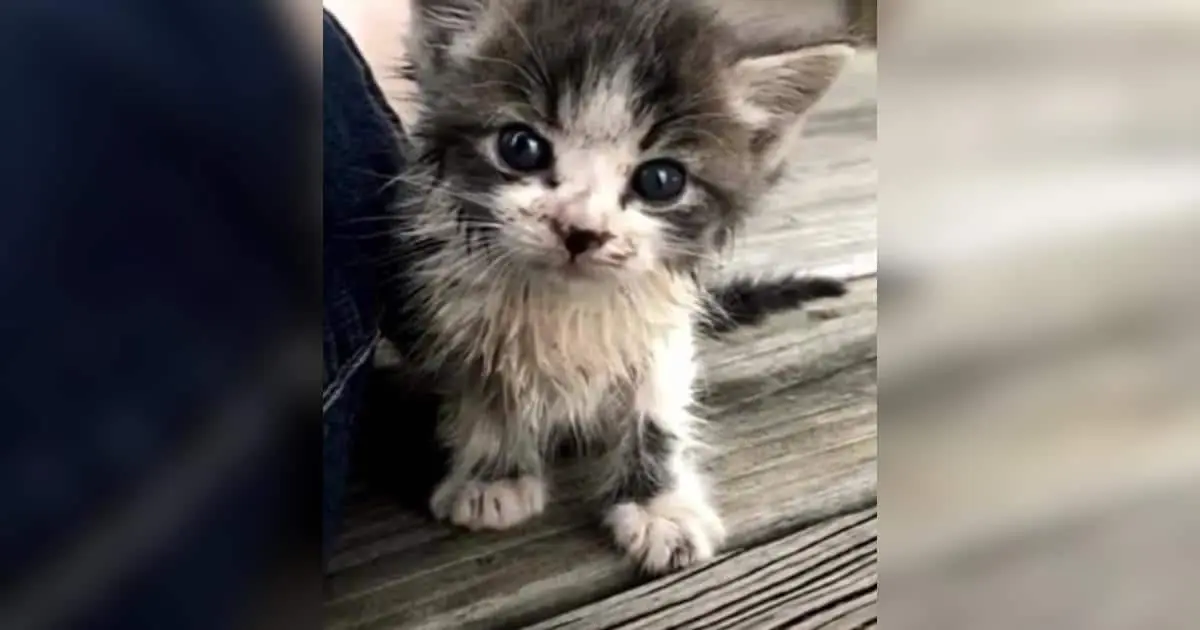
This report examines a remarkable case of inter-feline altruism and canine integration that recently unfolded in a residential neighborhood. What began as a routine morning for a local resident transformed into a coordinated rescue effort, orchestrated largely by an unweaned kitten determined to secure aid for his incapacitated sister.
Beyond its heartwarming narrative, this incident provides valuable insights into animal behavioral responses under stress, the critical role of community vigilance, and the integration of rescued neonates into multi-species domestic households. Utilizing detailed chronological tracking, veterinary context, and behavioral analysis, this feature explores the sequence of events that saved two vulnerable lives from the perils of outdoor abandonment.
Detailed Chronology: From Desperate Cries to Safe Haven
The Encounter
The incident commenced on a tranquil morning when a local resident stepped outdoors to begin her day. Her routine was abruptly interrupted by vocalizations that did not match the typical sounds of neighborhood wildlife. Upon investigation, she discovered a small, visibly distressed kitten pacing near the perimeter of her property.
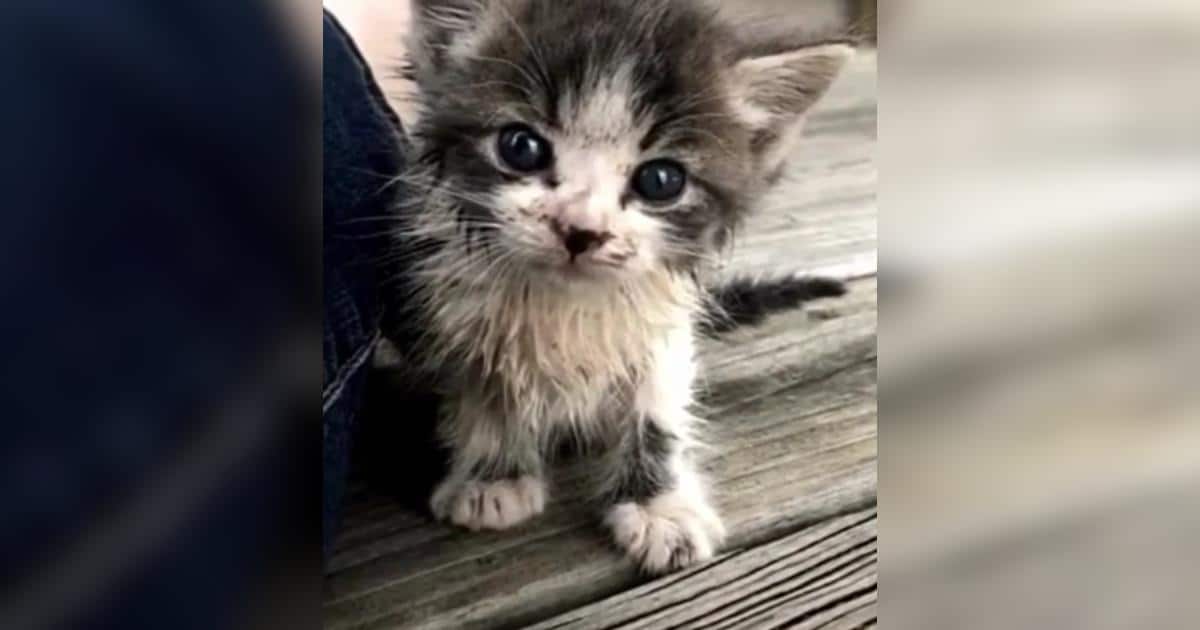
Unlike feral kittens that typically scatter or hide when approached by humans, this individual exhibited behavior designed to capture attention and communicate urgency. His vocalizations were persistent, accompanied by purposeful body language: darting forward, glancing backward to ensure he was being followed, and redoubling his cries whenever the human subject paused.
Recognizing that the animal was attempting to convey a message, the resident elected to follow the kitten’s lead. The feline guide navigated through the garden and led her toward a dense, overgrown shrubbery line several yards away.
[Morning Routine Interrupted]
       │
       ▼
[Pacing & Persistent Vocalization]
       │
       ▼
[Deliberate Leading Behavior (Looking Back, Urging Forward)]
       │
       ▼
[Discovery of Incapacitated Sister in Brush]
       │
       ▼
[Immediate Indoor Shelter & Veterinary Triage]
The Discovery and Rescue
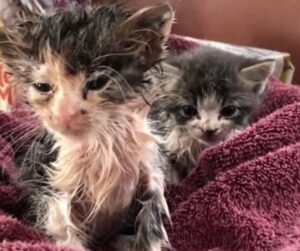
Upon reaching the base of the thick bush, the resident uncovered the true gravity of the situation. Tucked deep within the foliage lay a second kitten—the brother’s twin sister.
The female kitten was in a state of severe exhaustion, dehydration, and hypothermia, rendering her barely capable of movement. Her compromised physical condition immediately contextualized the male kitten’s frantic behavior. Rather than abandoning his vulnerable sibling to forage or save himself, the healthy kitten had remained by her side long enough to assess the danger, ventured out into the open to locate human assistance, and successfully led a rescuer back to the exact coordinates of her distress.
The resident immediately gathered both animals, transferring them from the harsh outdoor environment into the climate-controlled safety of her home.
Stabilization and Veterinary Triage
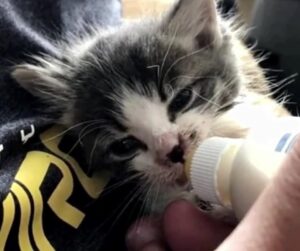
Once indoors, the immediate priority shifted to stabilization. The kittens, suffering from the cumulative effects of malnutrition and exposure, required specialized neonatal care.
- Thermal Regulation: Both animals were warmed using ambient temperature controls and soft textiles to reverse potential hypothermia.
- Hydration and Nutrition: Age-appropriate nourishment was administered incrementally to prevent refeeding syndrome, a common risk in severely malnourished animals.
- Medical Evaluation: A comprehensive veterinary assessment was scheduled to screen for upper respiratory infections, internal and external parasites, and systemic weakness.
Efforts were simultaneously deployed to scour the surrounding neighborhood for the mother cat or other littermates. Despite an exhaustive search of the immediate perimeter and inquiries made to adjacent property owners, no adult cat or other neonates were located, confirming that the kittens had either been orphaned or separated from their maternal colony.
Supporting Context & Metrics: The Crisis of Neonatal Abandonment
Understanding Feline Behavior and Altruism
Behavioral biologists and feline behaviorists have long debated the depth of empathetic responses in non-human mammals. While pack animals like canines are widely recognized for cooperative behaviors, feline species—traditionally viewed as solitary hunters—demonstrate complex social bonds, particularly within sibling groups.
The behavior exhibited by the male kitten aligns with documented accounts of directed altruism. By recognizing a conspecific (member of the same species) in distress and actively recruiting inter-species assistance (human intervention), the kitten displayed cognitive flexibility and problem-solving abilities typically reserved for more mature social carnivores.
The Vulnerability of Neonatal Strays
The survival rate for unweaned kittens left unprotected outdoors is alarmingly low. According to data compiled by animal welfare organizations:
- Exposure Risk: Neonates under four weeks of age cannot regulate their own body temperature, making them exceptionally vulnerable to environmental drops in temperature and heavy rainfall.
- Nutritional Deficiencies: Without maternal milk or specialized formula every two to three hours, fading kitten syndrome can set in rapidly, leading to multi-organ failure.
- Predation and Injury: Urban wildlife, domestic free-roaming predators, and vehicular traffic present constant, fatal hazards to immobile or slow-moving animals.
The following comparative metric illustrates the risk factors mitigated by the timely intervention of the resident:
| Risk Factor | Without Intervention | With Timely Intervention |
|---|---|---|
| Survival Probability | Estimated < 15% within 48 hours | > 90% under veterinary care |
| Long-Term Health Impact | Permanent developmental stunting or mortality | Full physical recovery and normal growth |
| Behavioral Socialization | Feral tendencies, high fear response | Adjusted, confident domestic disposition |
Official Perspectives and Expert Insights
While formal statements from municipal agencies are typically reserved for large-scale cruelty or hoarding cases, local animal rescue advocates and veterinary professionals have utilized this narrative to highlight broader community responsibilities.
"This case serves as a powerful reminder that animals communicate far beyond simple instinct. When a neonatal kitten actively seeks out human interaction to solve an environmental crisis, it defies outdated misconceptions about feline independence and emotional detachment," noted Dr. Elena Vance, a small-animal veterinarian specializing in neonatal rescue.
Furthermore, local rescue coordinators emphasized the importance of public attentiveness. Had the resident dismissed the kitten’s cries as ordinary nuisance noise, the female kitten almost certainly would have succumbed to exposure within hours. Animal welfare advocates continue to urge communities to investigate unusual animal vocalizations, as they frequently signal hidden distress, entrapment, or medical emergencies.
Future Outlook: Integration, Recovery, and Long-Term Placement
Medical Recovery and Rehabilitation
In the weeks following their rescue, both kittens underwent a steady transformation. Supported by consistent nutritional intake, parasite eradication protocols, and a secure indoor environment, their physiological systems rebounded robustly. The female kitten, initially unresponsive and severely weakened, regained her motor functions, appetite, and natural play drive, matching the energetic baseline of her vigilant brother.
Multi-Species Household Integration
An unexpected dimension of the kittens’ rehabilitation was their rapid integration into an established domestic ecosystem. The household already included a long-term resident pet dog—a senior canine known for a calm and tolerant temperament.
Rather than exhibiting predatory or territorial hostility, the dog adopted a passive, nurturing posture toward the tiny newcomers. Feline-canine co-habitation, when properly supervised and introduced, often yields mutual benefits; in this instance, the dog provided an additional source of physical warmth and comfort, acting as a surrogate stabilizing presence during the critical post-rescue recovery phase.
[Neonatal Rescue]
       │
       ▼
[Veterinary Stabilization & Triage]
       │
       ▼
[Integration into Multi-Species Home (Human & Canine Companionship)]
       │
       ▼
[Full Socialization & Permanent Placement Readiness]
Conclusion and Ongoing Advocacy
The narrative of these two kittens transcends a simple human-interest anecdote; it serves as a case study in resilience, inter-species communication, and the life-saving impact of community responsiveness. Today, both animals are thriving in a secure environment characterized by reliable nourishment, medical oversight, and deep social bonds with both human and animal companions.
As animal rescue networks face continuous capacity strains, stories like this underscore the vital partnership required between observant citizens and professional caretakers. By paying attention to the smallest voices in our neighborhoods, communities can alter the trajectory of vulnerable lives, proving that empathy remains one of our most effective tools for welfare protection.