
Executive Overview
In the bustling urban centers and quiet rural barangays of the Philippines, a resilient, highly intelligent, and deeply misunderstood canine roams the streets. Known locally as the Askal—a portmanteau of the Tagalog words asong kalye, translating literally to "street dog"—or more recently and affectionately rebranded as the Aspin (asong Pinoy, or "Pinoy dog"), this indigenous mixed-breed dog is a cultural fixture of Southeast Asian daily life.
Far from being mere strays, Askals represent a triumph of natural selection. Unlike purebred dogs meticulously engineered by humans for specific aesthetic or functional traits, the Askal is a product of unguided, organic evolution. This natural lineage has endowed the breed with exceptional hardliness, robust health, high emotional intelligence, and a balanced temperament. In recent years, cultural shifts within the Philippines have elevated the status of the Askal from an overlooked street scavenger to a cherished family companion, national symbol, and an emerging presence on the international pet adoption landscape.
This report provides an authoritative, in-depth examination of the Askal breed, exploring its evolutionary origins, physical and behavioral traits, training capabilities, health advantages, and the legal and logistical realities of introducing this uniquely Filipino canine to Western nations like the United States.
Detailed Chronology & Evolution of the Askal
To understand the Askal is to trace the history of human-canine coexistence in the Philippine archipelago, a narrative shaped by trade, colonization, and organic adaptation.
Pre-Colonial Foundations
Long before Spanish colonizers arrived in the archipelago in the 16th century, indigenous communities in the Philippines lived alongside native dogs. These early canines served foundational roles in hunting, village protection, and daily companionship. As successive waves of traders, colonizers, and immigrants brought foreign dog breeds to the islands over the centuries, these imported canines inevitably interbred with the native dog population.
The Era of the Street Dog
As urbanization accelerated across the Philippines in the 20th century, a vast population of free-roaming dogs established themselves in towns and cities. Lacking formal ownership, these animals scavenged for food, adapted to tropical climates, and learned to navigate human traffic and social structures. For generations, these dogs were colloquially dismissed as askal—a term that, while descriptive, often carried a derogatory connotation implying inferiority compared to imported purebreds.
The Cultural Rebranding to "Aspin"
Entering the 21st century, animal welfare organizations, local veterinarians, and cultural advocates initiated a concerted campaign to alter public perception. Recognizing the resilience, loyalty, and intelligence of these native dogs, advocates popularized the term Aspin (short for Asong Pinoy). This linguistic shift transformed the narrative: the street dog was no longer viewed as a pest or an outcast, but as a proud symbol of Filipino resilience and adaptability. Today, Askals are routinely featured in local dog shows, rescue advocacy campaigns, and government-sponsored rabies vaccination and spay-neuter programs.
Supporting Context & Metrics: Genetics, Appearance, and Health
The genetic makeup of the Askal is a complex tapestry that defies traditional kennel club definitions. Because their breeding has been shaped by natural selection rather than human intervention, they exhibit a fascinating array of biological and physical traits.

Genetics and Natural Selection
An authentic Askal is, by definition, a mongrel native to and residing within the Philippines. Because these dogs mate independently, their gene pool remains remarkably diverse. This lack of selective inbreeding—a practice common in commercial purebred breeding that frequently locks in hereditary disorders—protects the Askal from many of the genetic pathologies plaguing modern pedigree dogs.
Physical Characteristics
While individual Askals vary dramatically in appearance due to their diverse ancestry, certain phenotypic traits consistently emerge across the population:
- Size and Build: Askals are predominantly medium-sized canines with athletic, proportionate builds designed for agility and endurance.
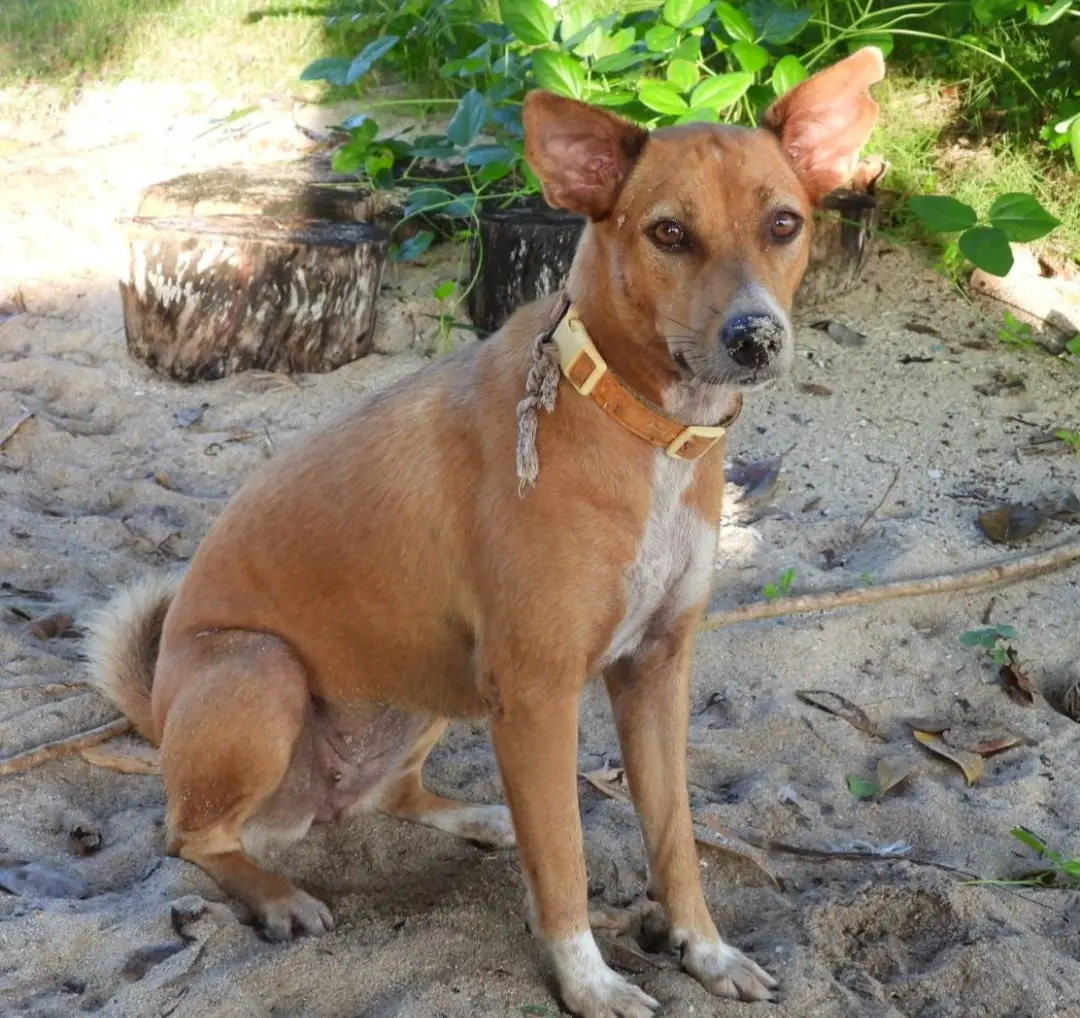
- Coat and Color: They typically feature short, low-maintenance coats that can be smooth or slightly coarse. Their coloration is exceptionally varied, ranging from solid black, white, and brown to brindle, patched, and bi-color or tri-color combinations.
- Head and Features: Their snouts are generally medium to long, promoting efficient respiration in tropical climates. Ears may stand fully erect, semi-prick, or drop loosely, while tails are often long and expressive.
Health Metrics and Longevity
Due to their robust genetic diversity, Askals experience significantly lower incidences of congenital health complications such as hip dysplasia, respiratory distress syndrome, or chronic dermatological disorders. When provided with proper nutrition, routine veterinary care, and a safe home environment, the average life expectancy of an Askal ranges impressively from 12 to 15 years, occasionally extending further.
Behavioral Profile, Intelligence, and Training
The cognitive capacity of the Askal is frequently underestimated by those unfamiliar with street-smart canines. Survival on the streets requires a high degree of problem-solving ability, situational awareness, and social intelligence.
Temperament and Human Interaction
Despite their lineage of independence, Askals thrive on human affection and connection. They exhibit a gentle, patient demeanor that makes them exceptionally safe and compatible with children. They are peaceful, cheerful, and adaptable, seamlessly integrating into the rhythms of family life.
Trainability and Problem-Solving
Askals possess a sharp intellect that rivals recognized working and herding breeds, such as German Shepherds or Siberian Huskies. Their ability to learn commands, execute complex tricks, and respond to obedience training is remarkably high. Furthermore, their independent problem-solving skills mean they require minimal supervision once trained. An Askal can be readily taught to communicate its basic needs—such as signaling when it needs to relieve itself, expressing hunger, or alerting human companions to unfamiliar visitors or intruders.
+-------------------------------------------------------------------+
#                  ASKAL BEHAVIORAL TRAITS MATRIX                   #
+------------------------+------------------------------------------+
# Intelligence           # High; rapid command acquisition          #
# Independence           # Moderate-High; values self-exploration   #
# Socialization          # Excellent with children and families     #
# Watchdog Aptitude      # High situational awareness               #
# Maintenance Needs      # Low (minimal grooming and exercise)      #
+------------------------+------------------------------------------+
Navigating the Transition: From Street to Home
For Askals rescued directly from street environments, a natural initial wariness or suspicion toward humans may be present. Earning the trust of a street-born Askal requires patience, consistency, and positive reinforcement. Once that trust is established, however, the bond formed is fiercely loyal and enduring.
Future Outlook: Global Reach and Importation to the United States
As the global pet community increasingly values rescue animals and mixed-breed health over aesthetic pedigree, the Askal is finding admirers far beyond the shores of the Philippines.

Legality and Availability in the United States
It is entirely legal to own, sell, or transfer ownership of an Askal dog within the United States. There are no legal restrictions or bans prohibiting the breed. However, because they are indigenous to Southeast Asia and not recognized by major Western kennel clubs, they are exceptionally rare to source locally within the United States. Most Askals in Western countries are brought over by dedicated rescue organizations or Filipino expatriates wishing to bring their companion animals abroad.
Regulatory and Importation Requirements
For individuals seeking to import an Askal from the Philippines or any international location into the United States, strict compliance with federal regulations is mandatory. The Centers for Disease Control and Prevention (CDC)—alongside state and local departments of agriculture—enforces stringent protocols to ensure public health and animal safety:
- Vaccination Verification: Owners must provide verifiable, certified documentation proving that the dog is up-to-date on all required vaccinations, most notably the rabies vaccination.
- Health Certification: The canine must undergo a thorough veterinary examination confirming it is in good health and fit for air travel prior to boarding.
- Documentation Readiness: All medical records, permits, and identification papers must be readily accessible for inspection upon arrival and when traversing state lines.
Frequently Asked Questions
Do Askal dogs shed heavily?
Askals have short, single or light double coats and generally shed very little compared to heavy-coated northern breeds. However, like most dogs, they experience a natural shedding phase during seasonal changes.
Are Askal dogs prone to severe health problems?
No. Because Askals are the product of natural, unguided breeding, they possess high genetic diversity. This protects them from many hereditary disorders common in purebred lines. Routine veterinary check-ups and preventative care are sufficient to maintain their long-term health.
How much exercise does an Askal require?
Askals do not demand excessive or high-intensity physical exertion. Standard daily walks, interactive indoor play, or the opportunity to explore a securely fenced yard will keep them physically fit and mentally stimulated.
How often do Askal dogs need grooming?
Due to their short fur, grooming requirements are minimal. Routine brushing once a week helps remove loose hair, and baths are only necessary when the dog becomes visibly soiled.
Conclusion
The Askal—or Aspin—stands as a testament to the beauty of natural adaptation. Emerging from the vibrant streets of the Philippines, this remarkable mixed-breed dog has transcended its humble origins to capture the hearts of animal lovers worldwide. With their sharp intellect, robust health, affectionate nature, and unwavering loyalty, Askals prove that true canine excellence is not measured by pedigree papers, but by spirit, resilience, and heart. Whether serving as a vigilant guardian in a rural Filipino homestead or settling into a suburban home in the West, the Askal represents an enduring bridge between human companionship and the wild grace of nature.