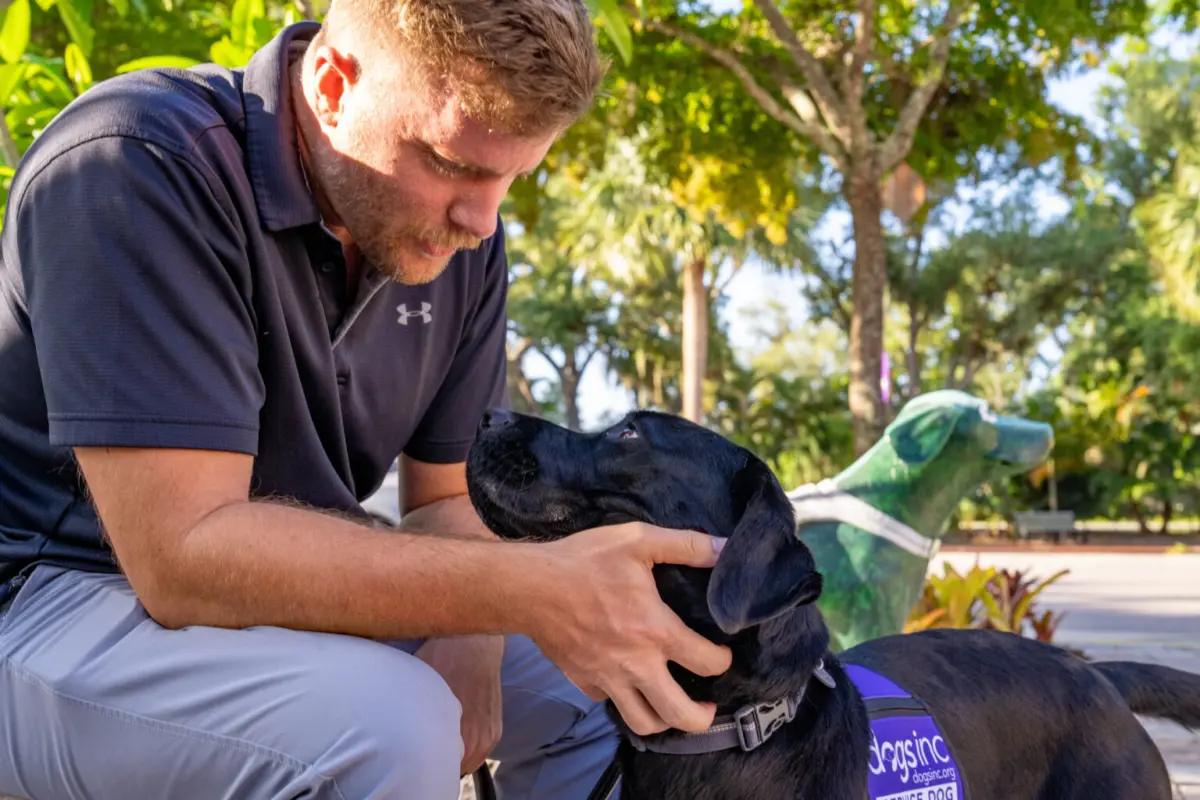
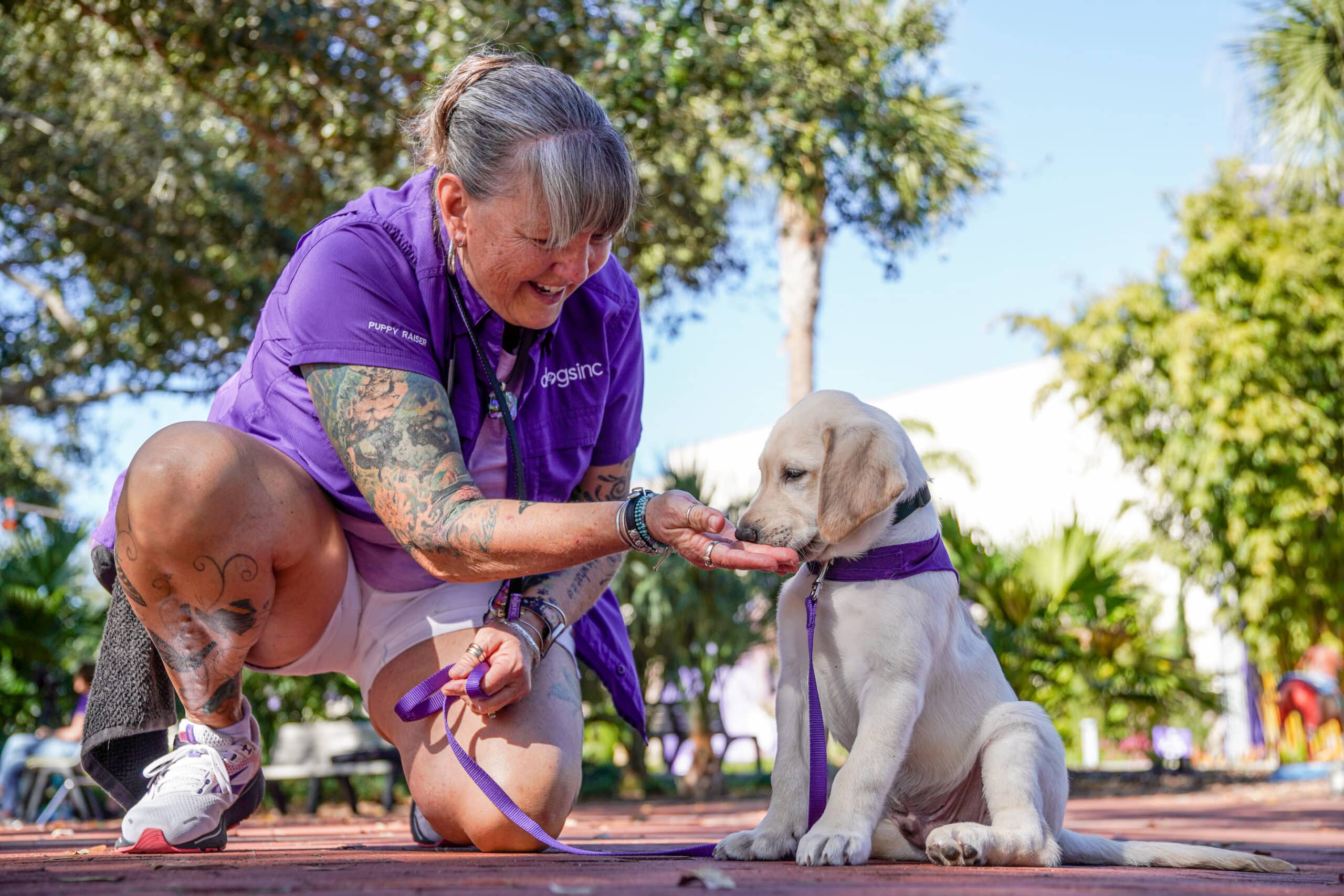
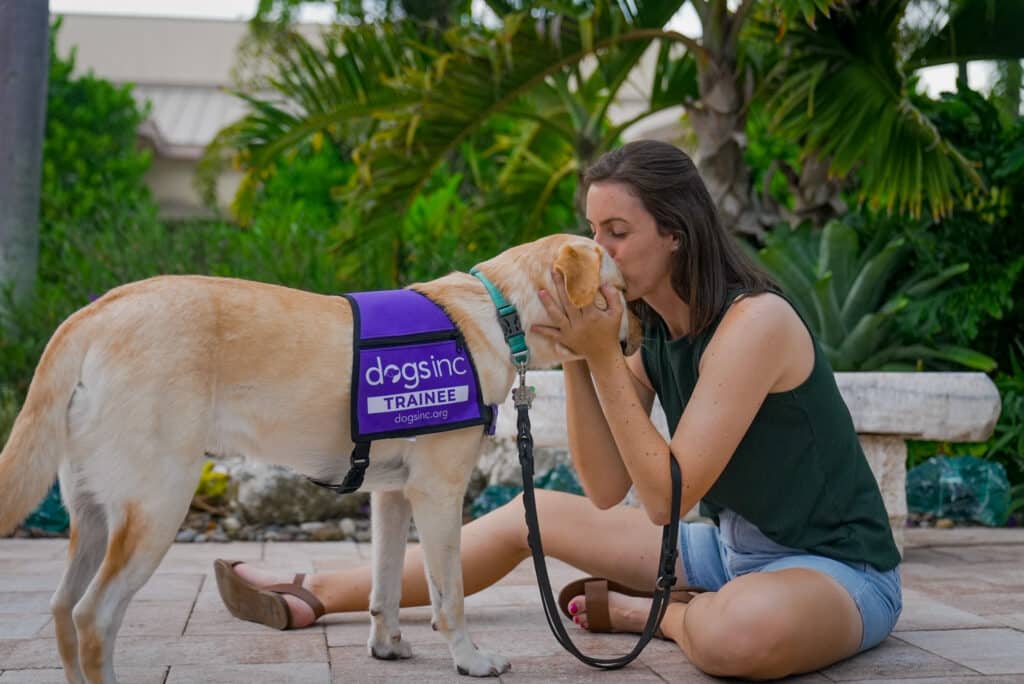
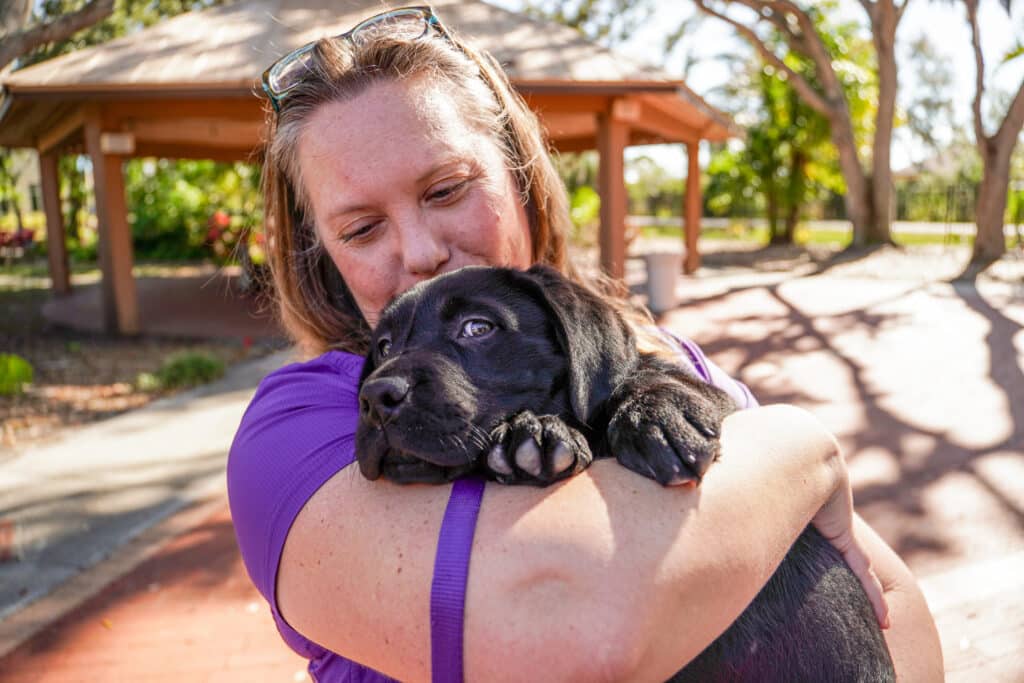
Raising a future service dog is widely heralded as one of the most meaningful volunteer endeavors an animal lover can undertake. Across the nation, dedicated individuals invite eight-week-old puppies into their homes with a singular, noble mission: to shape a raw, impressionable canine into a calm, focused, and capable working animal that will one day support an individual’s independence and daily life.
However, beneath the heartwarming social media posts of adorable puppies in training vests lies a demanding, high-stakes reality. The process requires unyielding structure, boundless patience, and a meticulous commitment to the smallest behavioral details—every single day, without exception. Far from being a casual foster experience, service dog puppy raising is an intensive, disciplined apprenticeship. It tests a volunteer’s time management, emotional resilience, and lifestyle flexibility.
This comprehensive report offers an honest, in-depth look at the realities of raising a future working dog. By examining the structural challenges, the real-world environments, the time commitments, and the bittersweet emotional hurdles of letting go, we explore what it truly takes to lay the foundation for a life-changing service animal through organizations like Dogs Inc.
Detailed Chronology: The Journey of a Puppy Raiser
The journey of a volunteer puppy raiser follows a carefully structured developmental timeline, typically spanning from the puppy’s arrival at eight weeks of age until they return to a formal training facility around 12 to 18 months later. Understanding this chronology reveals the phased nature of the responsibilities involved.
Phase 1: Arrival and Home Integration (Weeks 8–16)
When a puppy arrives at approximately eight weeks old, the immediate focus centers on house manners, foundational obedience, and early socialization. During this critical neurodevelopmental window, puppies are impressionable sponges. Raisers must introduce them to domestic routines, establish crate training for emotional regulation, and teach basic household rules.
At this stage, obedience is rudimentary. Puppies learn their names, begin basic marker training, and practice foundational cues such as "sit," "down," and "stay" within the controlled, predictable environment of the home.
Phase 2: Community Exposure and Public Access (Months 4–9)
As the puppy matures, the training scope expands dramatically. Volunteer raisers take their pups beyond the living room into local neighborhoods, quiet parks, and pet-friendly commercial spaces. This phase is designed to build environmental confidence. Puppies encounter novel sights, strange sounds, slick floors, and moving objects.
The objective is not yet task-specific training—such as retrieving dropped items or providing medical alert responses—but rather teaching the puppy how to remain calm, focused, and unshakeable in an unpredictable world.
Phase 3: Advanced Socialization and Distraction Proofing (Months 10–15)
In the latter half of the raising period, adolescent challenges emerge. Puppies test boundaries, experience hormonal shifts, and encounter high-level distractions in complex public environments like grocery stores, restaurants, and public transit. Raisers must expertly navigate public curiosity, managing well-meaning strangers who want to pet the dog while simultaneously reinforcing strict working etiquette.
Phase 4: Recall and Transition (Months 16–18+)
The culmination of the puppy-raising lifecycle arrives when the adolescent dog is recalled to the organization’s primary campus for advanced, formal professional training. Here, handlers with specialized expertise take over, refining the dog’s skills into specific working tasks tailored for individuals with visual impairments, mobility challenges, or other qualifying conditions.
Supporting Context & Metrics: The Six Core Challenges of Puppy Raising
While the timeline outlines the milestones, daily life as a puppy raiser is defined by six distinct operational and emotional challenges.
1. Consistency Every Single Day
Consistency is the bedrock of canine learning theory. Basic obedience cues—sit, stay, and loose-leash walking—must be reinforced continuously. Expectations cannot fluctuate; the rules applied in the kitchen must apply identically in a bustling coffee shop or a veterinary clinic waiting room.
The primary challenge lies in household alignment. Every family member, child, and frequent visitor must adhere to the exact same training protocols. If one household member permits the puppy on the furniture or offers table scraps, the puppy’s progress slows, and confusion sets in. Furthermore, training does not pause during personal illness, professional deadlines, or family emergencies.
Service dogs in training cannot live in a vacuum. To prepare for professional deployment, they must accompany raisers into stores, restaurants, and public transportation hubs. However, the external world is inherently chaotic. Sudden loud noises, discarded food items, erratic wildlife, and the presence of pet dogs create a barrage of distractions.
Compounding this is human interference. The public is naturally drawn to service dogs in training, often violating protocol by calling out to, whistling at, or attempting to pet the animal. Raisers must act as vigilant advocates for their dogs, managing public interactions while keeping the puppy focused on its handler.
3. Managing Distractions and Non-Linear Progress
Young dogs possess short attention spans. A puppy that executes a flawless loose-leash walk on Monday may pull aggressively toward a squirrel on Tuesday. Canine behavioral progress is rarely linear.
Raisers must embrace endless repetition, viewing setbacks not as failures, but as necessary data points for redirection. The goal is to reshape the puppy’s internal state, teaching it how to self-regulate and recover quickly from startling stimuli. You are not merely teaching static tricks; you are wiring a resilient nervous system.
4. The Significant Time Investment
The logistics of raising a service dog permeate every hour of the day. Schedules must be meticulously planned around frequent bathroom breaks, structured feeding times, socialization outings, and veterinary appointments. Routine preventative care—such as managing flea and tick prevention, monitoring physical growth, and maintaining grooming standards—demands constant oversight.
While reputable service dog organizations typically cover direct veterinary care and medical expenses, the time investment remains unyielding. Raisers must be prepared to adjust their personal and professional routines for over a year to accommodate the rigorous demands of a working puppy.
5. The Emotional Toll: Letting Go
Perhaps the most universally acknowledged hurdle of puppy raising is the emotional climax of the program: returning the dog for advanced training. Over the course of 12 to 18 months, an intense, profound bond forms between raiser and pup. The dog shares your home, your bed-adjacent crate, your family milestones, and your daily life.
Handing the leash back to an instructor requires immense emotional fortitude. Reframing this moment is critical for raisers: the parting is not an ending, but a graduation. The separation directly enables a person with a disability to gain long-term independence, mobility, and confidence.
6. Living Within a 24/7 Training Environment
When a future service dog is in the home, domestic life changes permanently. There is no true "off" switch. Raisers must practice hyper-awareness, constantly monitoring the puppy’s body language, preventing counter-surfing, and utilizing management tools like crates to ensure the puppy receives adequate rest and mental decompression. Every mundane domestic task—doing laundry, cooking dinner, or answering emails—becomes an exercise in integrated canine management.
Official Perspectives and Support Systems
Recognizing the immense weight of these responsibilities, established service dog organizations do not leave volunteer raisers to navigate the journey alone.
Industry standards emphasize a robust support ecosystem designed to sustain volunteer retention and success. According to program directors and canine development coordinators at organizations like Dogs Inc, institutional backing is vital:
"Volunteer puppy raisers are the unsung heroes of our mission. We recognize that asking families to invest their hearts, homes, and time for over a year is a significant ask. That is why our commitment to our raisers matches their commitment to our puppies. Through dedicated instructors, regional area coordinators, and a strong network of veteran puppy raisers, we provide continuous mentorship, troubleshooting, and logistical relief—including specialized puppy-sitting networks—to ensure our volunteers never feel isolated in their journey."
Local community structures further reinforce this framework, providing localized training pods, peer-to-peer encouragement, and structured evaluations that track a puppy’s behavioral readiness step-by-step.
Future Outlook: The Lasting Impact and Who Is Suited for the Role
Despite the rigorous demands, the attrition rate among dedicated puppy raisers is balanced by a profound sense of purpose. The long-term outlook for puppy raising remains vital to the assistance dog industry, which faces a perpetual need for well-socialized, confident candidates.
Who Should Consider Puppy Raising?
The role is remarkably diverse, successfully undertaken by individuals, multigenerational families, college students, and active retirees alike. Ideal candidates typically share specific traits:
Patience and Empathy: A high tolerance for repetitive training and adolescent testing phases.
Lifestyle Flexibility: Schedules that can accommodate public socialization outings and structured daily routines.
Emotional Resilience: The capacity to invest deeply in a living creature while maintaining the perspective required to eventually let them go.
Worthiness of Purpose: A desire to contribute to a larger societal good that transcends personal convenience.
Conclusion
Raising a future service dog is a masterclass in discipline, sacrifice, and unconditional love. The challenges—ranging from maintaining unwavering daily consistency to weathering the bittersweet pain of eventual separation—are undeniably profound. Yet, for those who answer the call, the reward is unmatched. By bridging the gap between a playful puppy and a life-saving professional working dog, volunteer raisers help architect a more accessible, inclusive world for individuals in need.
For those inspired to take the next step, organizations like Dogs Inc welcome inquiries, applications, and prospective volunteers ready to embark on this transformative journey.