
Executive Overview
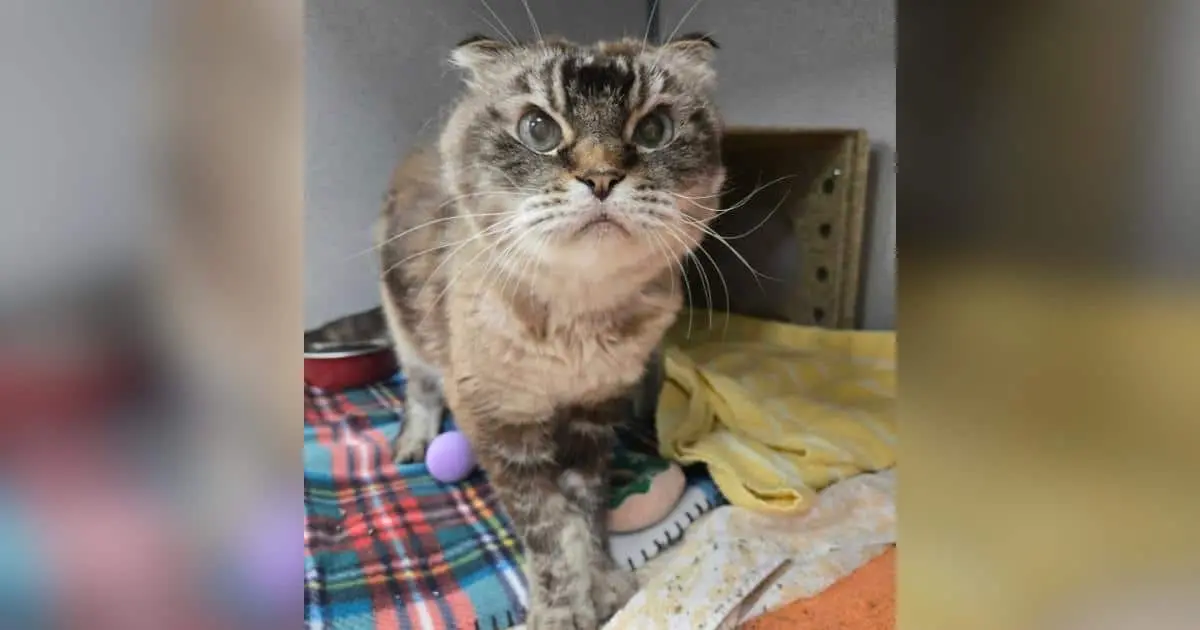
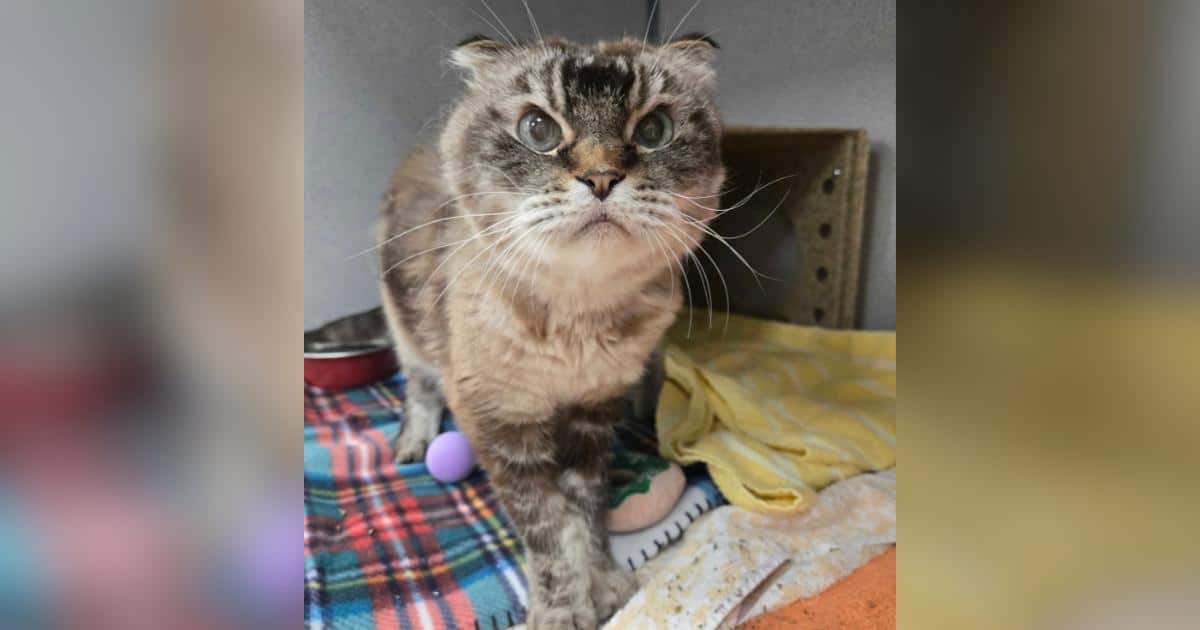
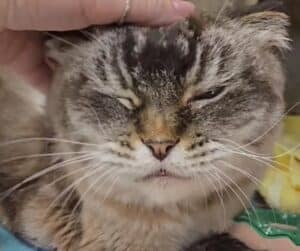
In the world of animal rescue, first impressions can be profoundly misleading. Few animals embody this truth quite as thoroughly as Louie, a 15-year-old feline currently under the care of the SPCA of Wake County in North Carolina. Blessed—or perhaps cursed—with a facial expression that suggests he has personally audited your life choices and found them severely lacking, Louie has become an internet-adjacent icon for his world-class "mean mug."
Yet, beneath his perpetually narrowed eyes and stony exterior lies a tender, affectionate senior cat whose raspy purrs and heart-melting chirps immediately dismantle his tough-guy facade. The SPCA of Wake County affectionately describes him as a paradox: a hard-shelled candy with a remarkably gooey center.
However, Louie’s journey to the shelter is far from a lighthearted internet meme. His arrival at the rescue marks a bittersweet transition born from human tragedy and sudden upheaval. After spending a lifetime alongside his elderly owner, Louie’s world was abruptly upended when a household accident forced his companion into assisted living. Thrust into an unfamiliar environment at 15 years old, Louie faced the compounding terrors of grief, disorientation, and, more recently, a concerning medical mystery involving unexplained weight loss and persistent vomiting.
This in-depth report explores Louie’s ongoing journey, the unique vulnerabilities of senior shelter animals, the operational and medical challenges faced by modern rescue organizations, and the broader cultural narrative surrounding older pets who find themselves suddenly displaced from the only homes they have ever known.
Detailed Chronology: From Comfort to Confusion
To understand Louie’s current disposition, one must examine the timeline of events that transformed a cherished household companion into a shelter resident navigating an uncertain future.
The Life Before: A Senior Partnership
For the majority of his 15 years, Louie lived a life defined by predictability, affection, and routine. His world centered around a senior woman who provided him with a stable home, favorite sleeping spots, and the deep, silent understanding that often forms between aging humans and aging pets. In a multi-species household, older animals often mirror the rhythms of their owners, favoring quiet afternoons, steady schedules, and deeply entrenched habits. Louie knew every creak of the floorboards, every angle of sunlight through the windows, and the exact cadence of his owner’s voice.
The Catalyst: An Unexpected Fall
The disruption came without warning. Following an unexpected fall, Louie’s beloved owner required immediate hospitalization and a subsequent transition into an assisted living facility—a living arrangement that could not accommodate her longtime feline companion.
In moments of domestic crisis, the fate of a pet often hangs in the balance. Fortunately, foresight and compassion intervened. The owner’s caregiver ensured that Louie was not abandoned to the elements or surrendered to an under-resourced municipal pound. Instead, the caregiver coordinated his safe transfer to the SPCA of Wake County, bridging the gap between a shattered domestic life and a controlled, protective shelter environment.
Entering the Shelter System at Fifteen
For a 15-year-old cat, the transition from a quiet home to a bustling animal rescue is nothing short of seismic. Cats of advanced age are notoriously sensitive to environmental changes. The sudden introduction of unfamiliar sensory stimuli—chemical cleaning agents, the echoing cries of other animals, the constant rotation of new human faces, and the lack of a familiar lap—triggers profound psychological stress.
Upon his arrival, Louie’s coping mechanism was his formidable facial expression. While younger cats might cry or cower, Louie mastered the art of the defensive glare. He looked like a feline bouncer guarding an exclusive club where membership had been permanently revoked.
Yet, shelter staff quickly realized that this hardened exterior was merely protective armor. When approached with patience and quiet reassurance, Louie’s defenses melted. The tiny, raspy purrs and gentle chirps that emerged from the senior cat told a story of resilience: despite losing his entire world, Louie remained fundamentally open to human connection.
Supporting Context & Metrics: The Vulnerability of Senior Pets
Louie’s case is not an isolated incident; rather, it highlights systemic trends within animal welfare regarding senior pets and the specific vulnerabilities they face when forced into the sheltering system.
The Demographic Challenge of Senior Surrenders
According to data from national animal welfare organizations, senior pets (defined generally as dogs and cats aged seven years and older) represent a significant percentage of shelter populations, yet they face the longest average lengths of stay. The reasons for senior surrenders differ drastically from those of younger animals. While younger pets are frequently relinquished due to behavioral issues or impulsive human lifestyle changes, senior pets overwhelmingly enter shelters due to life-altering human circumstances:
- Medical incapacitation or hospitalization of the owner
- Transition of aging owners into assisted living or nursing care facilities
- Financial hardship among fixed-income seniors
- The passing of an owner without a designated pet trust or estate plan
When a 15-year-old cat loses its home due to owner illness, the animal experiences a form of bereavement that veterinary behaviorists recognize as acute grief. They understand that their routine has vanished, even if they cannot comprehend the medical reasons behind their owner’s absence.

Veterinary Realities: The Cost of Aging Feline Care
Compounding the emotional toll of displacement are the physical realities of advanced age. At 15, a cat is well into its senior years, equivalent to a human in their late 70s or early 80s. Organ systems slow down, metabolic needs shift, and underlying chronic conditions begin to manifest.
Louie’s recent symptoms—persistent vomiting and unexplained weight loss—represent a classic diagnostic challenge in geriatric veterinary medicine. In younger animals, such symptoms might indicate a dietary indiscretion or a mild parasitic infection. In a 15-year-old cat, however, the differential diagnosis list is considerably more complex and serious, including:
- Chronic Kidney Disease (CKD): A prevalent degenerative condition in older felines that impairs toxin filtration.
- Hyperthyroidism: An overactive thyroid gland that causes increased appetite paired with severe weight loss and digestive upset.
- Inflammatory Bowel Disease (IBD) or Gastrointestinal Lymphoma: Chronic inflammation or malignancy within the GI tract that inhibits nutrient absorption.
- Pancreatitis or Hepatic Lipidosis: Conditions affecting vital digestive organs that require immediate, specialized intervention.
Diagnosing these conditions requires extensive veterinary resources, including comprehensive blood panels, urinalysis, abdominal ultrasounds, and specialized diagnostic imaging. For a shelter operating on donor contributions and limited operational budgets, managing a medically complex senior cat places significant financial demands on the organization.
Official Statements and Rescue Operations
The SPCA of Wake County has managed Louie’s case with a blend of professional diligence, transparency, and affectionate humor that has resonated with animal lovers across the country.
In public updates, shelter representatives have emphasized that Louie’s health and comfort take absolute precedence over adoption metrics. Samantha Smith, an animal welfare advocate closely following the case, noted:
"When an animal has endured the emotional earthquake of losing their entire family at age fifteen, you cannot simply rush them through intake, medical checks, and rehoming. Every step must be calculated to minimize stress and maximize physical recovery."
The rescue community’s official stance underscores a vital ethical commitment: shelters are not merely clearinghouses for pet adoption; they are rehabilitation and sanctuary spaces for animals in crisis. By holding Louie back from the immediate adoption floor, the veterinary and care teams at the SPCA are ensuring that he undergoes thorough diagnostic testing to uncover the root cause of his weight loss.
Furthermore, the SPCA has frequently acknowledged the vital role of public supporters. The specialized diagnostics, prescription diets, and supportive care required to stabilize a 15-year-old cat with gastrointestinal issues are made possible entirely through donor funding. In this sense, Louie’s care is a collaborative community effort—a testament to what happens when local citizens rally behind an animal whose outward expression says "stay away," but whose heart quietly asks for help.
Future Outlook: What Lies Ahead for Louie
As Louie continues his medical evaluation and supportive treatment, his immediate future remains focused on healing rather than rehoming.
Medical Stabilization
The primary objective for Louie’s veterinary team is to pinpoint the exact driver behind his persistent vomiting and weight loss. Once a definitive diagnosis is established, targeted pharmacological interventions, specialized veterinary diets, and fluid therapies can be implemented to stabilize his weight and restore his gastrointestinal health. Given his age, the goal is often management and quality of life enhancement rather than a total cure, ensuring his golden years remain as comfortable and pain-free as possible.
The Road to Adoption
Once Louie’s medical parameters normalize and he regains his physical strength, the SPCA of Wake County plans to transition him to their active adoption roster. Shelter officials anticipate intense public interest, driven both by his viral internet presence—thanks to his iconic "mean mug"—and the growing cultural appreciation for senior pets.
However, matching Louie with the right adopter will require careful screening. He will need a home that understands the specific needs of a geriatric cat:
- A quiet, predictable environment free from the chaotic energy of high-traffic households or young children.
- A patient adopter willing to accommodate potential ongoing medical management or specialized dietary requirements.
- An understanding human who looks past the resting grumpy face and recognizes that true feline affection often arrives wrapped in eccentric packaging.
A Broader Cultural Shift
Louie’s story serves as a powerful reminder of the hidden populations within animal shelters everywhere. While kittens and puppies invariably capture public imagination, senior pets offer an unmatched depth of companionship. They come pre-loaded with distinctive personalities, settled habits, and a profound capacity for gratitude.
When Louie eventually steps out of the veterinary clinic and onto the adoption floor, he will carry with him the hopes of thousands of supporters. Whether he is glaring balefully from a heated cat bed or offering a raspy, crackling chirp of welcome to a potential adopter, Louie represents the enduring resilience of animals who have lost everything yet remain willing to trust humanity one gentle purr at a time.