
Executive Overview
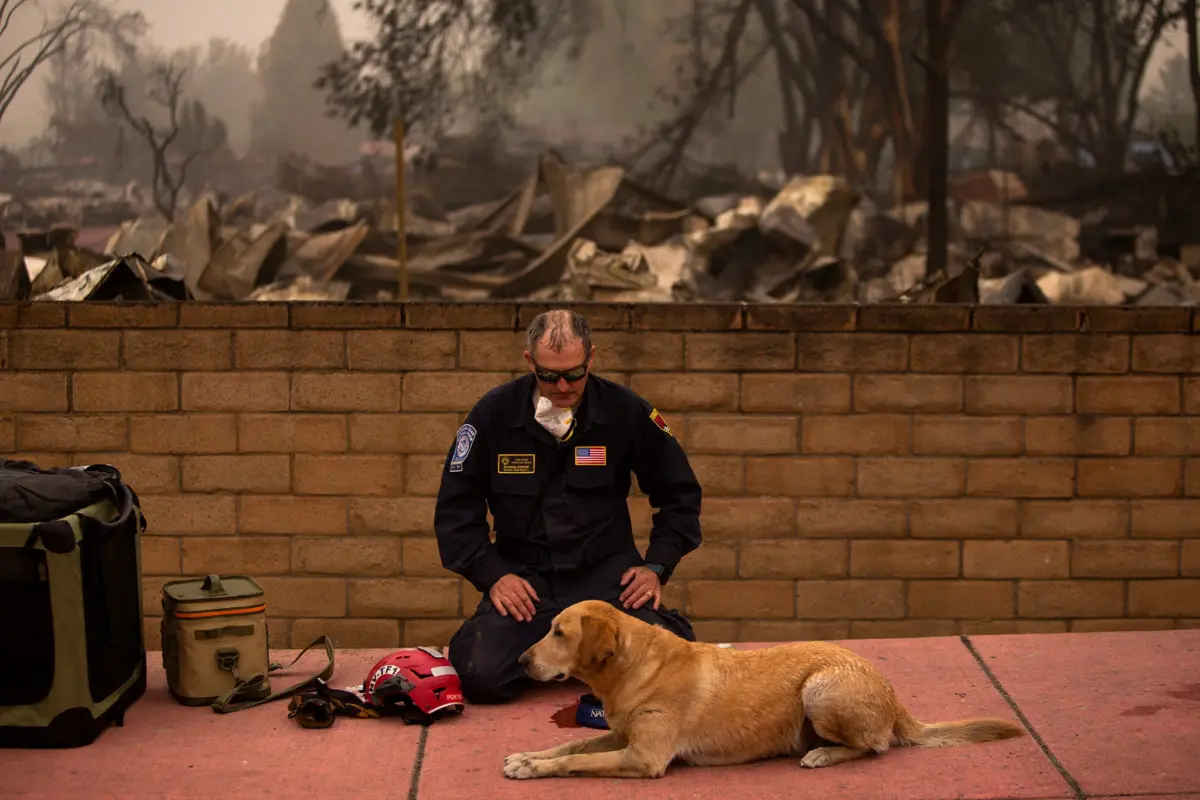
As the global climate crisis accelerates with unprecedented frequency and intensity, the atmospheric footprint of catastrophic wildfires has expanded far beyond immediate burn zones. While human populations increasingly recognize the toxic legacy of smoke, particulate matter, and falling ash—hazards that persist long after the visible haze dissipates and the official Air Quality Index (AQI) returns to nominal levels—a vital demographic is frequently overlooked in public safety directives: our domestic animals.
Dogs, cats, and other mammalian companions share our biological vulnerability to airborne pollutants. Yet, they remain entirely dependent on human intervention to mitigate their exposure. "As long as they have lungs—so dogs, cats, people—it’s going to be somewhat similar," explains Dr. Lisa Lippman, director of virtual medicine for Bond Vet Clinic.
This comprehensive report examines the physiological impacts of wildfire smoke on companion animals, identifies high-risk breeds and age brackets, outlines critical clinical symptoms that demand immediate veterinary triage, and establishes actionable, expert-backed protocols for safeguarding pets during prolonged air-quality crises. Drawing on insights from veterinary professionals with decades of collective clinical experience, this article bridges the gap between human climate resilience and veterinary care.
Detailed Chronology: Understanding the Progression of Smoke Exposure
To effectively protect pets from wildfire smoke, owners must understand how atmospheric hazards evolve chronologically during and after a fire event. The danger is not a static phenomenon; it shifts in toxicity, particle size, and environmental persistence over days and weeks.
Phase 1: The Active Burn and Heavy Smoke Incursion (Days 1–3)
During the initial phase of a wildfire, the immediate vicinity and downwind corridors are subjected to thick plumes of smoke containing a volatile cocktail of fine particulate matter ($PM2.5$ and $PM10$), carbon monoxide, volatile organic compounds (VOCs), and toxic gases released by burning structures, vehicles, and vegetation.
- The Pet Impact: Pets taken outside for routine bathroom breaks inhale these microscopic toxins directly into their lower respiratory tracts. Because dogs often sniff the ground where heavy ash settles, they ingest particulate matter directly through their nasal passages, exacerbating localized inflammation.
- Immediate Indicators: Animals may immediately exhibit excessive sneezing, watery eyes, and behavioral resistance to going outdoors.
Phase 2: Chronic Low-Level Exposure and Settling Ash (Days 4–10)
As the active fire front moves or begins to be contained, atmospheric inversions or lingering jet-stream patterns can trap residual smog over wide geographic areas hundreds of miles from the fire source. During this phase, the visible smoke may thin out, creating a false sense of security. However, invisible $PM_2.5$ particles—which are roughly 30 times smaller than the diameter of a human hair—remain suspended in the air. Furthermore, toxic ash settles onto lawns, outdoor furniture, and pet fur.
- The Pet Impact: When pets groom themselves, they ingest the toxic ash trapped in their fur. Simultaneously, continuous inhalation of invisible fine particulates causes cumulative, low-grade systemic inflammation.
- Immediate Indicators: Lethargy sets in. Pets begin to conserve energy, avoiding physical exertion and prioritizing respiratory maintenance over play or routine movement.
Phase 3: The Post-Crisis Residual Risk (Weeks 2 and Beyond)
Even after official air quality alerts are lifted, micro-particles continue to off-gas from surfaces, and ecological disruption leaves local environments compromised.
- The Pet Impact: Animals with latent, smoke-induced bronchial irritation may develop secondary infections, chronic bronchitis, or exacerbated asthma-like conditions. Veterinary clinics routinely experience a surge in respiratory and cardiac consultations 7 to 14 days after an acute smoke event has technically concluded.
Supporting Context & Metrics: The Science of Inhalation
To grasp the severity of wildfire smoke on animals, one must examine the mechanics of respiration and the specific pathology of wood and structural smoke.
The Anatomy of the Threat: $PM_2.5$
Wildfire smoke is primarily composed of carbon dioxide, water vapor, carbon monoxide, hydrocarbons, and organic chemicals, but the primary health driver is particulate matter ($PM$).
- $PM_10$ (Coarse Particles): Dust, pollen, and mold ranging from 2.5 to 10 micrometers in size. These are typically filtered out by the upper respiratory tract (nose and throat).
- $PM_2.5$ (Fine Particles): Particles 2.5 micrometers in diameter and smaller. Because of their microscopic size, $PM_2.5$ bypasses the body’s natural defense mechanisms, penetrating deep into the pulmonary alveoli—the tiny air sacs in the lungs—and crossing directly into the bloodstream.
When dogs and cats inhale $PM_2.5$, it triggers an immune response characterized by oxidative stress and systemic inflammation. This does not merely affect the lungs; it places immense strain on the cardiovascular system, potentially triggering heart arrhythmias, blood clots, and exacerbating pre-existing heart disease.
High-Risk Veterinary Demographics
While all mammals with lungs are vulnerable, certain physiological profiles face drastically elevated risks during air-quality crises:
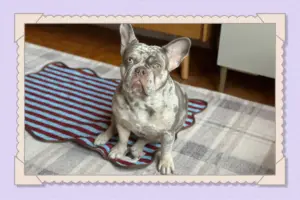
- Brachycephalic Breeds (Flat-Faced Animals):
- Examples: English Bulldogs, French Bulldogs, Pugs, Boston Terriers, Boxers, and Persian or Himalayan cats.
- The Mechanism: These breeds possess compressed upper airways, elongated soft palates, and narrow nostrils (stenotic nares). They already struggle with thermoregulation and efficient airflow under normal conditions. In smoky air, the combination of airway inflammation and the physical effort required to move air pushes their respiratory systems to a breaking point.
- Pediatric and Geriatric Pets:
- The Mechanism: Puppies and kittens have developing, immunologically naive respiratory tracts. Senior pets often suffer from age-related degradation of lung elasticity, chronic kidney or liver disease, and weakened immune responses, making them incapable of clearing particulate buildup effectively.
- Animals with Preexisting Chronic Conditions:
- The Mechanism: Pets diagnosed with Canine Chronic Bronchitis, Feline Asthma, collapsing tracheas, or congenital heart defects experience rapid decompensation when exposed to ambient air pollution.
Official Statements and Expert Insights
To establish clinical benchmarks for pet safety during environmental crises, veterinary specialists emphasize that preventative logic for humans translates directly to animal care—with a few critical caveats.
Dr. Lisa Lippman on Biological Parallels
"As long as they have lungs—so dogs, cats, people—it’s going to be somewhat similar," notes Dr. Lisa Lippman, director of virtual medicine for Bond Vet Clinic. Dr. Lippman emphasizes that pet owners should not assume animals are naturally protected by fur or instinct. "If the air quality is unsafe for you to jog outside without a mask, it is definitively unsafe for your dog to be taken on a standard 45-minute walk or left unattended in the yard."
Dr. Kim Van Beuren on Vulnerable Populations
Dr. Kim Van Beuren, a medical director at Bond Vet Clinic, highlights the structural vulnerabilities inherent in specific companion animal lineages. "Bulldogs, pugs, Himalayan cats—breeds that have a flat face—have breathing problems in general," Dr. Van Beuren states. "When you introduce wildfire smoke into the equation, their baseline respiratory compromise turns into an emergency very quickly. Owners of these breeds must institute indoor protocols immediately upon the issuance of an air quality advisory."
Recognizing Clinical Symptoms: When to Call the Vet
Veterinary toxicologists and emergency clinicians urge pet parents to monitor for subtle shifts in behavior and overt physical signs of distress. Symptoms of smoke inhalation in pets include:
- Ophthalmological Signs: Red, bloodshot, watery, or excessively blinking eyes.
- Respiratory Signs: Nasal discharge, persistent or hacking coughing, and reverse sneezing.
- Behavioral Shifts: Lethargy, reluctance to stand or walk, and behavioral withdrawal. Pets will often redirect all metabolic energy into the mechanical act of breathing, abandoning play and interaction.
- Critical Red Flags: "If your pet’s breathing becomes too gulp-like, call your vet immediately, as it could indicate a heart issue," warns Dr. Van Beuren. Gulping air, open-mouth breathing in cats (which is never normal and constitutes an absolute emergency), blue-tinged gums, and extreme abdominal effort while breathing require immediate emergency veterinary intervention.
Future Outlook: Building Climate-Resilient Pet Care Protocols
As climate projections indicate that wildfire seasons will continue to lengthen, intensify, and impact previously unaffected geographical regions, pet owners must shift from reactive crisis management to proactive environmental mitigation.
Actionable Indoor Mitigation Strategies
When outdoor air quality plummets to "Unhealthy," "Very Unhealthy," or "Hazardous" levels, pet owners must transform their indoor spaces into clean-air sanctuaries:
- Optimize Indoor Filtration: Deploy HEPA (High-Efficiency Particulate Air) purifiers in the rooms where pets spend the majority of their time. Ensure the Clean Air Delivery Rate (CADR) matches the square footage of the space. Avoid ozone-generating air cleaners, which can further irritate respiratory tissues.
- Seal the Envelope: Keep all windows, doors, and pet flaps tightly shut. Turn off HVAC systems that draw untreated air from the outside unless they are outfitted with high-grade MERV 13 (or higher) filters.
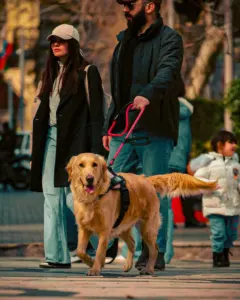
- Modify Elimination Routines: For dogs that require outdoor access, radically shorten walks. Confine outdoor exposure strictly to rapid, on-leash bathroom breaks. Avoid running, fetch, or prolonged sniffing sessions where particulate matter is concentrated near the ground.
- Indoor Enrichment Alternatives: When outdoor exercise is suspended, substitute physical walks with mental stimulation. Use puzzle toys, snuffle mats, and indoor training exercises to burn mental energy without taxing the respiratory system.
- Post-Exposure Hygiene: After a pet returns from a necessary outdoor trip, wipe their fur, paws, and face with a damp microfiber cloth or pet-safe cleansing wipe. This prevents them from ingesting settled ash and soot during self-grooming.
- Indoor Air Quality Monitors: Consider investing in a consumer-grade particulate monitor to track $PM_2.5$ levels inside your home, ensuring your filtration efforts are successfully maintaining a safe breathing zone.
The Role of Veterinary Medicine in Climate Adaptation
Looking forward, the veterinary profession is adapting to the new normal of climate-induced environmental crises. Clinics are developing specialized triage protocols for mass smoke-inhalation events, stocking expanded supplies of oxygen therapy units, bronchodilators, and nebulizers. Furthermore, veterinarians are advocating for the inclusion of household pets in municipal disaster planning, emergency shelter guidelines, and public health advisories.
By recognizing that our pets are vulnerable, breathing participants in our shared ecosystem, owners can bridge the gap between human and animal climate resilience. Protecting our dogs and cats from the invisible threat of wildfire smoke is not merely an act of kindness—it is an essential veterinary responsibility in an increasingly volatile world.