A formal complaint submitted to the U.S. Government Accountability Office (GAO) alleges systemic programmatic mismanagement, misallocation of congressional funding, and selective statutory enforcement within the Food and Drug Administration’s Center for Veterinary Medicine (FDA CVM). Filed on August 18, 2026, on behalf of American pet food consumers, the six-page petition asserts that the regulatory body has consistently failed to enforce federal food safety laws, creating a dual-standard regulatory environment that leaves pet owners uninformed and companion animals vulnerable to unsafe commercial feed.
The filing, authored by pet food consumer advocate Susan Thixton on behalf of TruthaboutPetFood.com and the Association for Truth in Pet Food, outlines a series of administrative and operational failures. Central to the complaint is the agency’s acknowledged practice of "enforcement discretion," through which the FDA explicitly permits the inclusion of diseased animal tissues and animals that have died by means other than slaughter in pet food products without consumer disclosure. Furthermore, the submission highlights recent enforcement anomalies, including the handling of thousands of consumer adverse event reports involving major commercial manufacturers, wherein regulatory intervention was minimal or substantially delayed.
According to the complaint, federal appropriations granted by Congress to safeguard the domestic food supply are instead facilitating an undisclosed waste-disposal mechanism for agricultural rendered products. The petitioners are urging the GAO to launch a comprehensive audit of the FDA CVM’s operational practices, while calling on key congressional oversight committees—specifically the House Committee on Energy & Commerce and the Senate Committee on Health, Education, Labor and Pensions (HELP)—to examine the agency’s adherence to statutory mandates under the Federal Food, Drug, and Cosmetic Act (FD&C Act).
Detailed Chronology
The regulatory and policy actions detailed in the GAO complaint reflect a multi-year timeline of administrative decisions, delayed public disclosures, and mounting advocacy efforts.
+-----------------------------------------------------------------------------------+
| CHRONOLOGY OF REGULATORY EVENTS AND ADVOCACY ACTIONS                              |
+-----------------------------------------------------------------------------------+
| April 2019        | FDA formalizes "enforcement discretion" policy regarding      |
|                   | diseased/non-slaughtered animal ingredients in Citizen Petition   |
|                   | response (FDA-2016-P-3578).                                   |
+-------------------+---------------------------------------------------------------+
| Late 2023 –       | FDA receives 1,705 adverse event reports (including 206 pet   |
| Early 2024        | deaths) concerning Purina pet food products over a six-month  |
|                   | evaluation window.                                            |
+-------------------+---------------------------------------------------------------+
| Mid-2024          | Seven months post-investigation window, FDA issues a public   |
|                   | alert revealing that only 8% of the received adverse event    |
|                   | reports were formally investigated.                           |
+-------------------+---------------------------------------------------------------+
| 2024 – 2025       | FDA conducts a single "Preventive Controls Surveillance"      |
|                   | inspection at one Purina manufacturing facility; fails to     |
|                   | initiate "for-cause" inspections across remaining facilities. |
+-------------------+---------------------------------------------------------------+
| August 18, 2026   | Formal 6-page complaint alleging programmatic mismanagement   |
|                   | is filed with the Government Accountability Office (GAO).     |
+-------------------+---------------------------------------------------------------+
| Present (Q3 2026) | National campaign mobilized to engage House Energy & Commerce |
|                   | and Senate HELP Committees for formal legislative oversight.  |
+-----------------------------------------------------------------------------------+
The Policy Origin: April 2019
The foundational policy cited in the GAO complaint traces back to April 2019, when the FDA issued an official response to Citizen Petition FDA-2016-P-3578. In its response, the agency formally articulated its policy regarding ingredients derived from diseased animals or animals that died otherwise than by slaughter. The FDA declared that it did not believe such materials posed a safety concern in animal food, officially affirming its intent to exercise "enforcement discretion" rather than enforcing strict statutory prohibitions against adulterated food components.
The Inspection Disconnect: 2023–2024
Over a dense six-month evaluation period spanning late 2023 into early 2024, the FDA logged 1,705 adverse event reports connected to pet foods manufactured by Nestlé Purina PetCare, a major industry producer operating more than 20 production facilities across the United States. Among these filings were 206 reported pet fatalities. Despite the high volume of reports, no formal Warning Letter was issued to the manufacturer.
Seven months after the initial surge in complaints, the agency published a public alert disclosing that it had formally investigated only 8% of the 1,705 reports submitted. Operational records revealed that rather than deploying a targeted, "for-cause" inspection across the manufacturer’s national network, the agency conducted a routine "Preventive Controls Surveillance" inspection at a single manufacturing facility. During this singular site visit, agency officials discussed a total of 24 consumer complaints with plant management—9 of which dated back to 2007.
Legislative Escalation: August 18, 2026
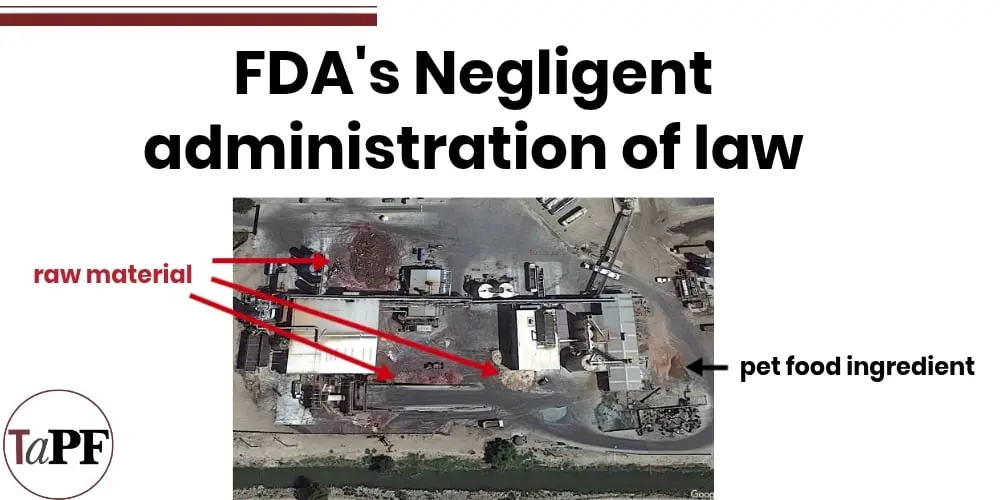
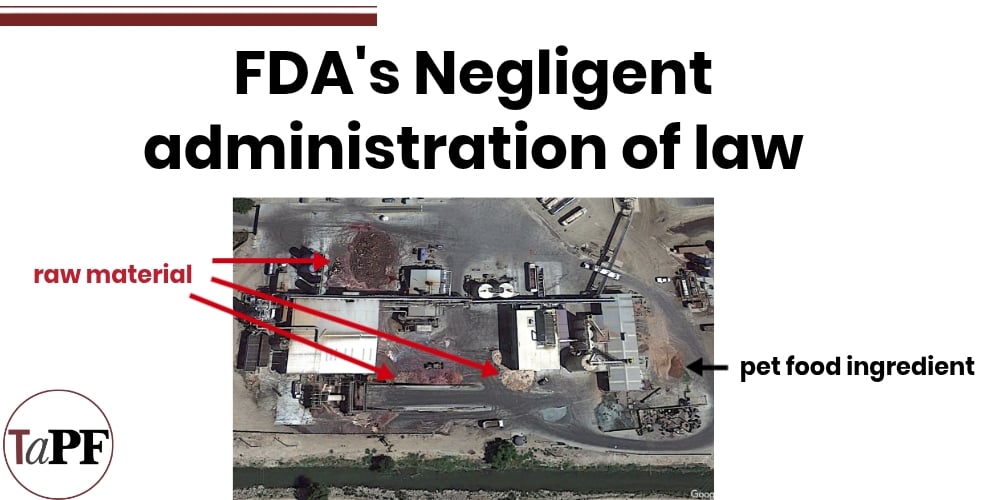
Recognizing what advocates describe as a structural refusal to execute statutory duties, Susan Thixton filed the formal six-page complaint with the GAO on August 18, 2026. The submission included documented legal references, evidence of administrative non-enforcement, photographic records of industrial rendering practices, and comparative label analyses. The filing marked the beginning of a broader public advocacy push designed to trigger legislative reviews ahead of federal budget authorizations.
Supporting Context & Metrics: Analyzing the Regulatory Disconnect
To fully understand the gravity of the allegations presented to the GAO, it is necessary to examine the operational metrics, legal frameworks, and marketing dynamics that define the current domestic pet food regulatory environment.
+-----------------------------------------------------------------------------------+
| SUMMARY OF KEY METRICS DETAILED IN GAO COMPLAINT                                  |
+-----------------------------------------------------------------------------------+
| Metric Category                   | Recorded Value / Operational Reality          |
+-----------------------------------+-----------------------------------------------+
| Total Adverse Event Reports (6 mo)| 1,705 reports                                 |
+-----------------------------------+-----------------------------------------------+
| Potential Pet Fatalities Recorded | 206 deaths                                    |
+-----------------------------------+-----------------------------------------------+
| Percentage of Reports Investigated| 8.0%                                          |
+-----------------------------------+-----------------------------------------------+
| FDA Warning Letters Issued        | 0                                             |
+-----------------------------------+-----------------------------------------------+
| Scope of Inspection Conducted     | 1 facility (out of 20+ national plants)       |
+-----------------------------------+-----------------------------------------------+
| Total Complaints Reviewed at Site | 24 (including 9 dating back to 2007)          |
+-----------------------------------+-----------------------------------------------+
| Scientific Safety Data for 4D     | Unsubstantiated by published FDA CVM research |
| Meat Ingredients                  |                                               |
+-----------------------------------------------------------------------------------+
The Statutory vs. Executive Disconnect
Under Section 402(a)(5) of the Federal Food, Drug, and Cosmetic Act (21 U.S.C. § 342), a food is deemed adulterated if it is, in whole or in part, the product of a diseased animal or of an animal which has died otherwise than by slaughter. The statute contains no explicit carve-out or exemption for commercial pet food.
However, through internal policy directives and administrative guidelines, the FDA CVM routinely employs "enforcement discretion" to allow what the agricultural sector terms "4D" meats—animals that are Dead, Dying, Diseased, or Disabled—to be rendered into animal feed ingredients. The complaint argues that by maintaining an unwritten administrative exemption, CVM effectively overrides legislative statutory mandates without congressional authorization or required public rulemaking.
                     STATUTORY FRAMEWORK vs. AGENCY PRACTICE

  [ Federal Food, Drug, & Cosmetic Act ]             [ FDA CVM Practice ]
     Section 402(a)(5) Mandatory Law                  Administrative Policy
                  │                                             │
  ┌───────────────┴───────────────┐             ┌───────────────┴───────────────┐
  │ Deems food adulterated if     │             │ Exercises "Enforcement        │
  │ derived from diseased animals │             │ Discretion" to permit         │
  │ or non-slaughtered sources.   │             │ non-slaughtered/diseased meat.│
  └───────────────┬───────────────┘             └───────────────┬───────────────┘
                  │                                             │
                  ▼                                             ▼
       Prohibits Entry into                         Permits Standardized Entry
       Domestic Food Supply                         as Common Feed Ingredients
The Economics of Labeling and Consumer Deception
A central vulnerability highlighted in the GAO submission is the regulatory authorization of identical ingredient naming conventions for vastly different raw materials.
Under current CVM administrative practices:
USDA Inspected and Passed Meat: Meat sourced from healthy animals slaughtered under full federal inspection is designated by standard common names (e.g., "Chicken").
Condemned or Rendered Animal Tissue: Meat derived from condemned livestock, diseased poultry, or animals that died on farms or in transit is permitted to use the exact same common or usual name on consumer-facing packaging.
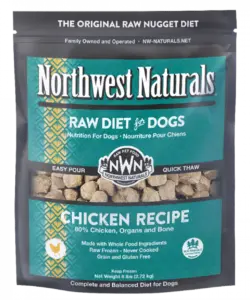
This regulatory overlap allows manufacturers to utilize marketing claims such as "Made with Real Chicken," accompanied by imagery of human-grade roasted chicken breasts on product packaging, while the underlying ingredient formula may legally contain non-slaughtered or condemned poultry parts. The advocacy complaint contends that this practice misleads consumers and distorts the marketplace by denying pet owners accurate information about the quality and origins of the food they purchase.
The debate surrounding pet food oversight involves conflicting interpretations of statutory authority, public safety obligations, and administrative priority.
The Advocacy Position
In her formal filing to the GAO, Susan Thixton asserted that the CVM’s ongoing administrative posture constitutes a structural misuse of public resources:
"We bring this formal notice to the Government Accountability Office to evidence the FDA Center for Veterinary Medicine (CVM) is engaged in programmatic mismanagement, misallocating its congressional funding. The agency has a regulatory history of selectively targeting some pet food manufacturers/some pet food ingredients and targeting enforcement activities only with some federal laws, failing to consistently enforce all federal laws across all pet food manufacturers."
Addressing the broader economic implications of the agency’s enforcement discretion policies, the complaint further states:
"In essence, congressional funding allocated to FDA CVM is directly supporting a (secret to consumers) waste disposal system via pet food; a secret disposal system 100% facilitated by FDA CVM. The FDA CVM is failing US pet food consumers, misallocating congressional funding picking and choosing which laws they enforce, when they want to enforce them, and which manufacturer they want to hold accountable."
The FDA CVM Administrative Stance
While the FDA CVM has not issued a direct public response to the August 18 GAO filing, the agency’s official regulatory position is anchored in its historic administrative determinations. In its April 2019 formal response to Citizen Petition FDA-2016-P-3578, the agency stated:
"…we do not believe that the use of diseased animals or animals that died otherwise than by slaughter to make animal food poses a safety concern and we intend to continue to exercise enforcement discretion."
The FDA has historically defended its discretionary oversight by maintaining that high-temperature rendering processes neutralize biological pathogens, rendering processed animal proteins biologically safe for non-human consumption. However, consumer advocacy groups note that the agency has not produced comprehensive, publicly accessible peer-reviewed safety studies demonstrating the long-term safety of feeding rendered diseased animal proteins to companion animals over extended lifespans.
Future Outlook & Legislative Roadmap
The submission of the six-page complaint to the GAO represents the initial step in a broader strategy designed to compel legislative oversight and policy reform.
As the supreme audit institution of the federal government, the GAO investigates how federal funds are spent and evaluates agency management. To initiate a formal investigation into the FDA CVM, the GAO typically acts upon requests from congressional committees of jurisdiction. Consequently, the immediate focus of consumer advocates involves securing formal audit requests from lawmakers serving on key oversight panels.
Key Congressional Committees
Advocates are focusing outreach efforts on two federal legislative committees possessing direct regulatory oversight over the FDA:
House Committee on Energy & Commerce: Holds legislative jurisdiction over the FDA, public health policy, and consumer protection laws.
Senate Committee on Health, Education, Labor and Pensions (HELP): Oversees public health legislation, agency management, and executive appointments within the Department of Health and Human Services.
Potential Regulatory and Legislative Outcomes
Should Congress authorize a formal GAO investigation based on the August 2026 complaint, several potential outcomes could follow:
Comprehensive Operational Audit: A deep audit of CVM expenditure allocations, inspection logs, adverse event database records, and foreign vs. domestic plant inspection ratios.
Oversight Hearings: Public testimony requiring CVM administrative leadership to defend its policy of enforcement discretion, the scientific basis for its safety assumptions, and its handling of major corporate adverse event spikes.
Legislative Mandates for Ingredient Transparency: Amending the FD&C Act to eliminate ambiguous enforcement discretion policies, mandating distinct ingredient definitions for human-grade versus rendered feed ingredients on retail packaging.
Reallocation of Appropriations: Restructuring federal budget line items to mandate that CVM funds be spent strictly on uniform statutory enforcement rather than discretionary regulatory waivers.
As public awareness surrounding commercial feed ingredients expands, the intersection of administrative law, agricultural waste management, and consumer advocacy is setting the stage for renewed legislative scrutiny over the federal governance of domestic pet food safety.