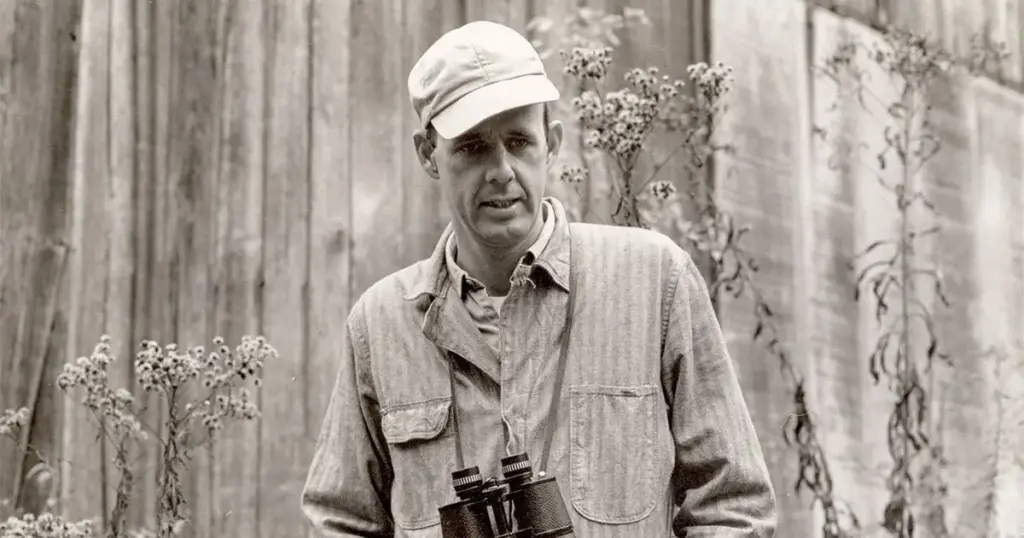

In the realm of animal behavior and literary production, the intersection of physical injury and operational resilience often yields unexpected detours. Acclaimed animal behaviorist, zoologist, and author Dr. Patricia McConnell recently encountered a significant health hurdle that forced a temporary restructuring of her publishing and writing schedule. Diagnosed with de Quervain’s Tenosynovitis—a painful condition colloquially described as two inflamed tendons trapped within the first extensor compartment—McConnell has been ordered by medical professionals to strictly limit the use of her right hand and thumb.
This medical setback arrives at a critical professional juncture: the imminent launch of her new novel, Away To Me, accompanied by a rigorous multi-state book tour across Wisconsin and Texas. Compounding these professional pressures are the trials of managing a rural homestead through an exceptionally brutal winter, featuring windchills plummeting to -40°F. To navigate her typing restrictions, McConnell has drawn from her extensive archival catalog, republishing a seminal 2021 case study on canine behavioral dynamics. This archival piece chronicles the complex journey of integrating Skip, an overly exuberant young dog with the play style of a professional linebacker, with Maggie, a swift and agile female dog who initially found herself overwhelmed.
This report provides an in-depth journalistic examination of McConnell’s current operational challenges, the architectural mechanics of canine play reconciliation, the realities of agricultural life during extreme weather events, and the strategic outlook for her upcoming literary releases.
Detailed Chronology: From Canine Integration to Medical Roadblocks
The foundational narrative of McConnell’s recent dispatch centers on a multi-year behavioral case study involving her two farm dogs, Maggie and Skip. When Skip arrived at the McConnell farm, he possessed an unbridled enthusiasm for physical play, characterized by high-speed charges, intense body-slamming, and a total lack of self-handicapping. Maggie, an agile dog who relished active play following the passing of their previous companion Willie, initially engaged with him. However, Skip’s lack of calibrated force quickly transformed enthusiastic play into an intimidating experience for Maggie, leading her to withdraw rather than correct him.
![The Evolution of Play [revisited]](https://www.patriciamcconnell.com/wp-content/uploads/2026/01/IMG_1061-1.jpeg)
The Behavioral Intervention Timeline
- Initial Phase (January 2020): Skip arrives, displaying high-intensity, linebacker-style play. Maggie initially participates, leveraging her speed in the snow, but soon grows apprehensive as Skip’s rough style escalates without self-regulation.
- Management & Tool Integration: Recognizing the breakdown in play dynamics, McConnell implemented structural management strategies. She utilized a reliable recall cue to interrupt Skip’s full-throttle charges before he reached Maggie. Additionally, she introduced toy-based play—specifically tug-of-war—which allowed Maggie to engage safely on equal terms using her agility and intellect.
- The Setback (April 2020): Skip sustained a severe hind-leg injury, resulting in a two-month hiatus from play. Upon his recovery, an unexpected regression occurred: Maggie exhibited acute distress and flatly refused to navigate the farm’s uphill paths, associating the location with the emotional trauma of Skip’s injury.
- Reconditioning Phase: McConnell dedicated six to eight weeks to systematic desensitization and counter-conditioning, using positive reinforcement (such as pieces of chicken) to rebuild Maggie’s positive associations with the environment.
- Resolution: Through consistent redirection, environmental management, and self-handicapping development, Skip learned to moderate his physical approach. By early 2021, the dogs achieved a balanced, harmonious play dynamic, utilizing tug-of-war and synchronized running as daily outlets.
The 2026 Medical Interventions and Logistics
Fast-forwarding to early 2026, McConnell’s professional output faced an abrupt physical barrier with the onset of de Quervain’s Tenosynovitis. The condition mandates strict immobilization of the thumb via a medical splint, a pending cortisone injection, and a projected recovery window of two to six months. Because typing and handwriting exacerbate the inflammation, McConnell was compelled to archive her intended weekly commentary in favor of her historical behavioral case study.
Simultaneously, the farm faced extreme meteorological conditions. Ambient temperatures dropped to -16°F, with windchills reaching -40°F. The freezing temperatures presented distinct animal welfare challenges:
- Canine Protection: Maggie’s historical vulnerability to frost nip and paw-pad splitting required vigilant monitoring. Skip, unaccustomed to severe cold after transitioning from milder climates, struggled to maintain contact with frozen ground until outfitted with specialized PawZ rubber booties stuffed with raw barn wool.
- Human Infrastructure: McConnell documented the immense physical layering required simply to perform basic homestead maintenance—ranging from thermal base layers and wool sweaters to down parkas, balaclavas, and YakTracks-equipped hiking boots.
Supporting Context & Metrics
Understanding the mechanics of canine play and the logistical parameters of a simultaneous book launch requires examining core behavioral metrics and publishing milestones.
Canine Play Metrics & Strategies
Dr. McConnell emphasizes that play is not merely frivolous activity, but a vital component of mental health, physical fitness, and social bonding. Healthy play requires specific socio-cognitive parameters:
![The Evolution of Play [revisited]](http://www.patriciamcconnell.com/wp-content/uploads/2026/01/IMG_1102.jpeg)
- Self-Handicapping: The stronger or larger participant deliberately moderates its strength, speed, or weight advantage to ensure mutual enjoyment. In Skip’s case, this meant abandoning full-speed body slams in favor of reciprocal chase and tug games.
- The Four-Pillar Management Framework:
- Observe: Proactively identifying micro-signals of hesitation or nervous withdrawal in the more vulnerable dog before play escalates.
- Protect: Utilizing reliable recalls, leash work, environmental separation during high-stress recovery periods, and structured toy redirection.
- Redirect: Teaching high-energy dogs alternative outlets, such as tug-of-war, which leverage the partner’s intelligence and agility rather than raw physical mass.
- Time-Outs: Employing strategic pauses ("Wait" or "Stand" cues) to lower adrenaline levels and prevent over-arousal.
Publishing Logistics for Away To Me
The launch of McConnell’s new novel, Away To Me, represents a transition from solitary creative isolation to high-visibility public engagement. Key logistical metrics include:
- Geographic Target Areas: Live book tour events scheduled across select venues in Wisconsin (WI) and Texas (TX).
- Alternative Procurement: For readers unable to attend regional events, partnered independent retailers (such as Utopia) have allocated limited inventories of pre-signed physical copies for mail fulfillment.
- The Signature Dilemma: Due to the complete thumb immobilization required for her tenosynovitis, McConnell faces the ironic challenge of signing hundreds of books by hand while simultaneously practicing left-handed signature replication—results she describes as "astoundingly bad."
Official Statements & Authorial Reflections
Reflecting on the juxtaposition of physical vulnerability, agricultural demands, and professional obligations, Dr. McConnell shared candid observations via her platform:
"Apparently I am on the road to hell, the one ‘paved with good intentions.’ In my body’s never-ending determination to make my life an adventure, I now have ‘de Quervain’s Tenosynovitis.’ It’s basically two pissed off tendons squeezed inside of a vice… The most important treatment is to not use your hand."
Addressing the emotional weight of rural stewardship, she noted the psychological parallels between managing animal trauma and processing human hardship:
![The Evolution of Play [revisited]](https://www.patriciamcconnell.com/wp-content/uploads/2021/02/IMG_5898.jpeg)
"I relate this not for sympathy, but simply so you understand why my knees buckled and I sobbed into the grass for a very long time… Perhaps when Skip was able to go up the hill again that trauma was triggered? But what caused it mattered less than what to do about it."
On the realities of agricultural endurance against harsh winter elements:
"Folks up north love to say ‘There’s no bad weather, just bad clothing.’ True enough, but they don’t talk about HOW MANY CLOTHES it takes, even if you have expensive, high quality stuff."
Finally, emphasizing the therapeutic value of animal observation amidst personal discomfort, McConnell concluded with a restorative perspective:
![The Evolution of Play [revisited]](http://www.patriciamcconnell.com/wp-content/uploads/2026/01/IMG_1088-1.jpeg)
"I am so very aware that my troubles are trivial, compared to so many. I send them compassion and grace, as well as a photo of Skip and Maggie playing last weekend. Dog play = Nature’s best therapy."
Future Outlook
As the winter season progresses toward spring, Dr. McConnell’s immediate operational outlook is defined by two parallel trajectories: medical rehabilitation and literary promotion.
- Medical and Physical Recovery: With a multi-month prognosis for her tenosynovitis, McConnell will continue conservative management strategies, including splinting and scheduled corticosteroid treatments. Digital communication and manuscript generation will remain restricted, likely necessitating continued reliance on curated archival materials or collaborative dictation methods should writing demands persist.
- Book Tour Execution: The rollout of Away To Me will proceed as scheduled across Wisconsin and Texas. The primary operational bottleneck—signing physical inventory with an immobilized right thumb—will test the limits of her left-handed signature training and reliance on pre-signed retailer allocations.
- Homestead and Behavioral Stability: On the farm, the integration of Skip and Maggie stands as a testament to effective behavioral intervention. With established self-handicapping protocols, toy redirection, and protective management, the canine unit provides a stable, therapeutic cornerstone for the household, weathering sub-zero polar temperatures and seasonal shifts alike.
Through a synthesis of rigorous behavioral science, transparent personal narrative, and unwavering agricultural grit, McConnell continues to demonstrate that even when physical ailments and winter extremes conspire to halt progress, structured management and a resilient mindset can pave the way forward.