
Executive Overview
Across the vast and diverse landscape of New York State—stretching from the bustling, vertical neighborhoods of Manhattan to the sprawling suburbs of Long Island and the industrial heartland of Buffalo—a quiet, tireless army of animal welfare advocates is transforming the landscape of pet adoption. Choosing to rescue a dog rather than purchase from a breeder is no longer viewed merely as an act of personal kindness; it is recognized as a vital community service, a humane imperative, and a direct countermeasure to the systemic pressures facing animal shelters nationwide.
This investigative report examines the state of canine rescue across New York, detailing the rigorous processes, innovative operational models, and profound community impacts defined by the region’s top-tier rescue organizations. Leading this movement is New York City’s prominent Muddy Paws, alongside a network of eleven other specialized sanctuaries, foster-based networks, and free-range facilities. Together, these entities rehabilitate and rehome thousands of dogs annually, championing the ethos that rescue is the gold standard of pet acquisition.
By pulling dogs from overcrowded municipal facilities, rehabilitating behavioral and medical cases, and educating the public on responsible pet ownership, New York’s rescue community plays an indispensable role in municipal animal welfare. For prospective pet parents, navigating this ecosystem requires an understanding of what these organizations demand: deep personal commitment, household consensus, financial stability, and adherence to strict age and lifestyle requirements. This article serves as an authoritative guide to understanding the New York rescue landscape, outlining what it takes to bring a rescue dog home, and spotlighting the vanguard of organizations saving lives across the Empire State.
Detailed Chronology: The Evolution of Modern Dog Rescue in New York
To understand how contemporary rescue organizations operate, it is necessary to examine the historical trajectory of animal sheltering in New York State. The paradigm has shifted dramatically over the past century, moving away from centralized, institutional pounds toward decentralized, foster-centric networks.
The Era of the Municipal Pound (Mid-20th Century)
For decades, animal sheltering in New York was synonymous with municipal pounds—often austere, concrete facilities managed primarily for public health and safety rather than animal welfare. Euthanasia rates were staggering, and little to no behavioral rehabilitation existed for dogs that displayed fear, stress-induced reactivity, or medical ailments. The public perception of shelter dogs was frequently plagued by the stigma that "damaged goods" resided within these walls.
The No-Kill Movement and Grassroots Awakening (Late 20th Century)
As cultural attitudes toward companion animals shifted, treating pets increasingly as family members, grassroots activists began organizing independent rescue groups. These early pioneers operated largely out of private homes, utilizing personal savings and small donations to pull dogs off euthanasia lists. This era marked the birth of the modern foster network—a model that recognized the detrimental psychological impact of traditional kennels on domestic dogs.
The Professionalization of Rescue (2000s–2010s)
Entering the twenty-first century, New York rescues began professionalizing their operations. Organizations implemented standardized adoption applications, veterinary baseline protocols (mandatory spaying/neutering, microchipping, and age-appropriate vaccinations), and behavioral assessments. The advent of social media revolutionized the way rescues communicated with the public, allowing organizations like Muddy Paws to broadcast urgent medical cases, foster pleas, and adoption events to a statewide, and sometimes national, audience.
The Contemporary Model: Flexibility, Transparency, and Community Integration (Present Day)
Today, New York’s top rescue organizations operate with sophisticated logistical precision. Modern rescues utilize data-driven foster matching, digital adoption platforms, and innovative "tryout" programs designed to minimize adoption failure rates. By integrating community events, corporate partnerships (such as Muddy Paws’ staple events at Petco in Union Square), and large-scale block parties, contemporary rescues have successfully mainstreamed adoption as a culturally celebrated, community-driven enterprise.
Supporting Context & Metrics: The Imperative of Rescue
The necessity of animal rescue in New York State is underscored by stark statistical realities. While precise annual intake numbers fluctuate across the state’s dozens of county-run facilities and private rescues, national and regional trends indicate that hundreds of thousands of companion animals enter the shelter system each year.
The Humane Argument vs. Commercial Breeding
The core philosophy driving New York’s rescue community is straightforward: rescue is a fundamentally more humane option than breeding. Commercial breeding facilities, particularly puppy mills, prioritize volume and profit over genetic health and psychological well-being. Conversely, rescue organizations focus on individual rehabilitation, population control, and public education.
When an individual adopts a dog from a New York rescue, a cascading positive effect occurs:
- Direct Salvation: An individual dog is pulled from a high-stress shelter environment or dangerous street situation.
- Capacity Creation: The empty crate or foster slot immediately opens up, allowing the rescue or shelter to save another life that would otherwise face euthanasia or neglect.
- Market Disruption: Every successful adoption reduces the consumer demand that props up unethical commercial breeding operations.
- Community Enrichment: Responsible pet ownership models are reinforced within neighborhoods, leading to better-socialized pets, fewer stray animals, and stronger community bonds.
Economic and Logistical Realities
Operating a top-tier rescue in New York State is an extraordinary financial undertaking. Veterinary care represents the single largest expenditure for these organizations. Dogs pulled from municipal facilities frequently require extensive medical intervention—ranging from routine parasitic treatments and dental surgeries to complex orthopedic operations and heartworm treatments.
Furthermore, the high cost of living and operating space in urban centers like New York City necessitates innovative operational models. Organizations that rely on traditional brick-and-mortar shelters face crippling overhead costs, which is why many of New York’s elite rescues have adopted the foster-based model. By distributing dogs into private homes, rescues minimize facility costs while maximizing the behavioral insight gained about each animal in a domestic setting.
Official Guidelines: What You Must Know Before Adopting in New York
Adopting a dog is a profound moral and legal responsibility. Before engaging with any of New York’s premier rescue organizations, prospective adopters must evaluate their readiness against standardized industry benchmarks. Rescues invest immense time, emotional labor, and financial capital into placing dogs in permanent homes; consequently, their screening processes are rigorous by design.
1. Absolute Readiness and Commitment
A dog is not a temporary lifestyle accessory; it is a living being whose lifespan can easily span 10 to 15 years. Adopters must evaluate their long-term stability—including career trajectories, housing security, and financial preparedness for routine and emergency veterinary care. Rescues look for applicants who view pet ownership through the lens of lifelong guardianship, through life changes such as moving, career shifts, or growing families.
2. Age Requirements and Financial Stability
Most reputable New York rescues enforce strict minimum age requirements (typically 21 or 25 years old) for primary adopters to ensure legal adulthood and financial independence. Beyond age, applicants must demonstrate a solid financial foundation. Veterinary care has advanced significantly, but specialized treatments can cost thousands of dollars. Rescues will often request proof of income or a stable housing arrangement (such as landlord approval letters verifying pet policies and weight limits) before approving an application.
3. Total Household Consensus
A successful adoption requires the enthusiastic, unified consent of every human residing in the household. Introducing a dog into a home where a partner, roommate, or family member harbors reservations is a recipe for behavioral regression and potential surrender. Rescues conduct thorough interviews and home checks to ensure that all household members are fully aligned, prepared, and excited to welcome the new pooch into their daily routine.
Spotlight on Excellence: Muddy Paws (New York, NY)
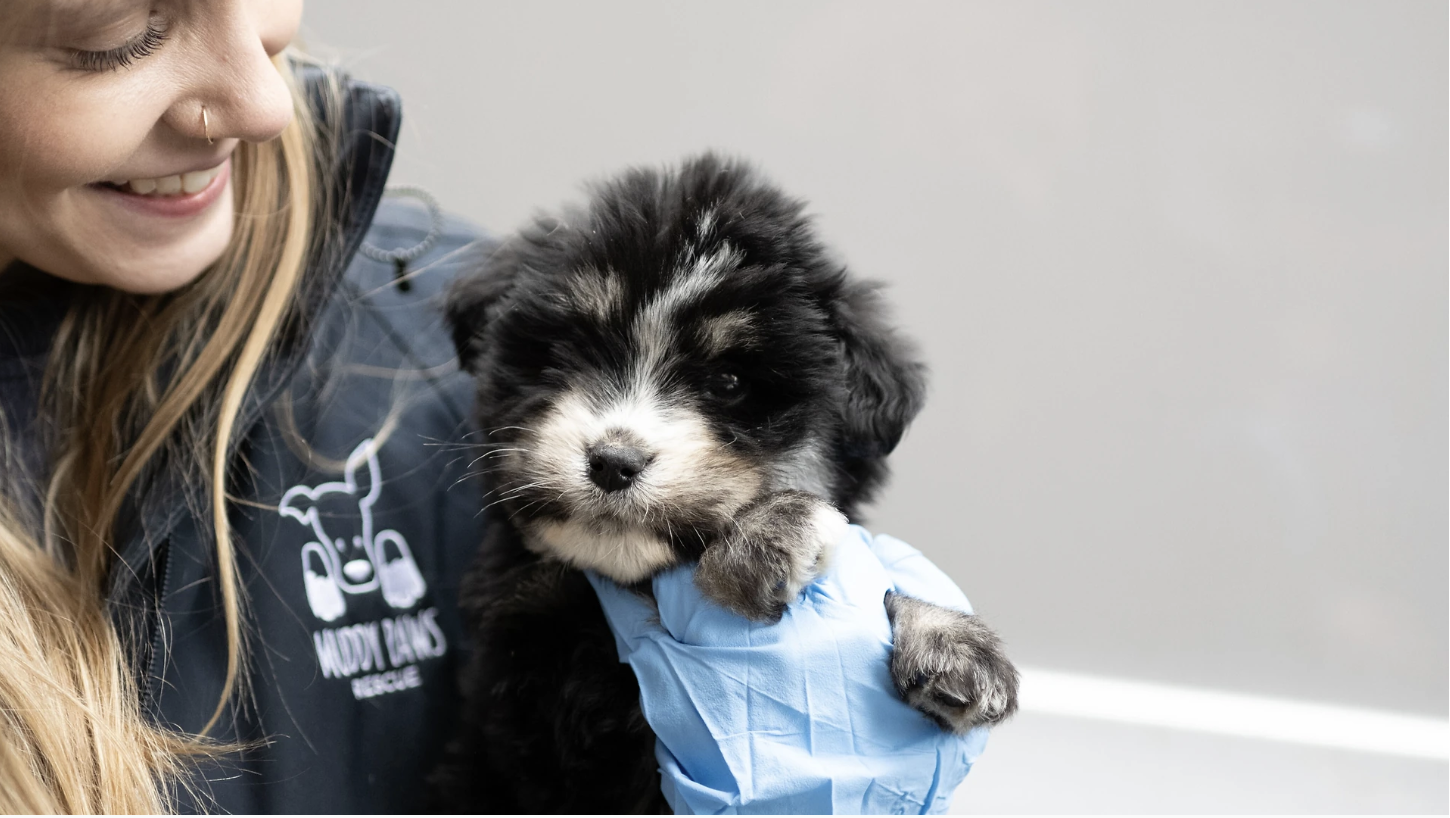
At the forefront of New York City’s rescue ecosystem is Muddy Paws, an organization that has achieved legendary status among urban pet lovers. With a monumental milestone of over 10,000 lives saved, Muddy Paws has perfected the art of urban dog rescue through a sophisticated, foster-centric operational model.
The Muddy Paws Operational Model
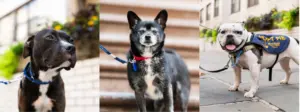
For New Yorkers living in apartments, the sight of Muddy Paws volunteers hosting adoption events at locations such as the Petco in Union Square is a familiar and heartwarming fixture of city life. Rather than housing animals in a stressful, centralized kennel facility, Muddy Paws places its rescue dogs directly into the care of responsible, vetted foster caretakers across the metropolitan area.
This foster framework offers a dual benefit:
- Psychological Well-being: Dogs decompress rapidly in home environments, shedding the trauma of shelter life and displaying their true personalities.
- Behavioral Transparency: Foster parents gain invaluable insights into the dog’s house-training status, leash manners, compatibility with strangers, and reactions to urban stimuli (such as sirens, subways, and crowded sidewalks). This data allows the rescue to match dogs with adopters accurately.
How to Adopt: The "Flex Adoption" Advantage
Navigating the adoption process with Muddy Paws is designed to be thorough yet accessible. Prospective adopters can explore their comprehensive adoption page online, where detailed bios of available dogs are updated regularly.
Notably, Muddy Paws utilizes flex adoptions, a progressive framework that incorporates a structured "tryout" or trial phase. This thoughtful approach recognizes that compatibility between a human and an animal cannot always be determined in a sterile 30-minute meeting. By providing a transitional period supported by the rescue’s behavioral team, Muddy Paws ensures that adoptions are set up for permanent success, drastically reducing return rates.
Community Engagement and Beyond
Muddy Paws is more than an adoption clearinghouse; it is a vibrant community hub. Recognizing that not every animal lover is in a position to adopt immediately, the organization maintains robust pathways for community involvement. Supporters can volunteer as foster parents, participate in transport logistics, or engage with the community at Muddy Paws’ highly anticipated annual block parties and seasonal fundraisers. These events not only raise critical operating funds but also spread public awareness regarding the vital importance of rescue work.
Future Outlook: The Horizon of Animal Welfare in New York
As we look toward the future of dog rescue in New York State, several transformative trends and challenges emerge on the horizon. The landscape of animal welfare is dynamic, requiring rescues to continuously adapt to legislative shifts, economic pressures, and evolving community needs.
Technological Integration in Adoption Screening
The integration of artificial intelligence and advanced digital databases into rescue operations is accelerating. In the coming years, New York rescues are poised to utilize more sophisticated matching algorithms that analyze adopter lifestyle data against shelter intake profiles, further optimizing placement success. Tele-vet partnerships and digital behavioral support networks will also allow rescues to provide ongoing post-adoption counseling remotely, lowering the barrier to continuous behavioral support for new pet parents.
Legislative Advocacy and Systemic Reform
Beyond direct rescue work, New York’s top organizations are increasingly active in legislative advocacy. Efforts to curb unethical breeding practices, strengthen animal cruelty penalties, and secure municipal funding for low-cost spay/neuter clinics are central to the future of the state’s animal welfare movement. By addressing the root causes of pet overpopulation at the legislative level, rescues aim to reduce the sheer volume of dogs entering the rescue pipeline.
The Expanding Definition of Community Support
The future of rescue also lies in retention—keeping pets in their original homes whenever possible. Progressive New York rescues are expanding their community outreach programs to include pet food pantries, temporary crisis-fostering for families facing temporary housing or medical emergencies, and subsidized veterinary care clinics. By supporting pet owners through economic hardships, rescues are redefining their role from reactive shelters to proactive community anchors.
Conclusion
Adopting a dog in New York State is a transformative journey that enriches communities, saves lives, and challenges the commercial commodification of animals. From the bustling foster networks of New York City managed by organizations like Muddy Paws to sanctuaries spanning the breadth of the Empire State, the rescue community operates with extraordinary compassion, dedication, and professional rigor.
For those who meet the standards of readiness, financial stability, and household commitment, opening your home to a rescue dog is one of the most rewarding commitments you can make. By choosing to rescue, you do not simply change a dog’s world—you allow that dog to profoundly change yours, while making space for another life to be saved from the streets.
To begin your journey toward meeting your new furry companion, explore the premier adoption networks across New York State and take the first step toward a lifetime of unconditional companionship.