
Executive Overview
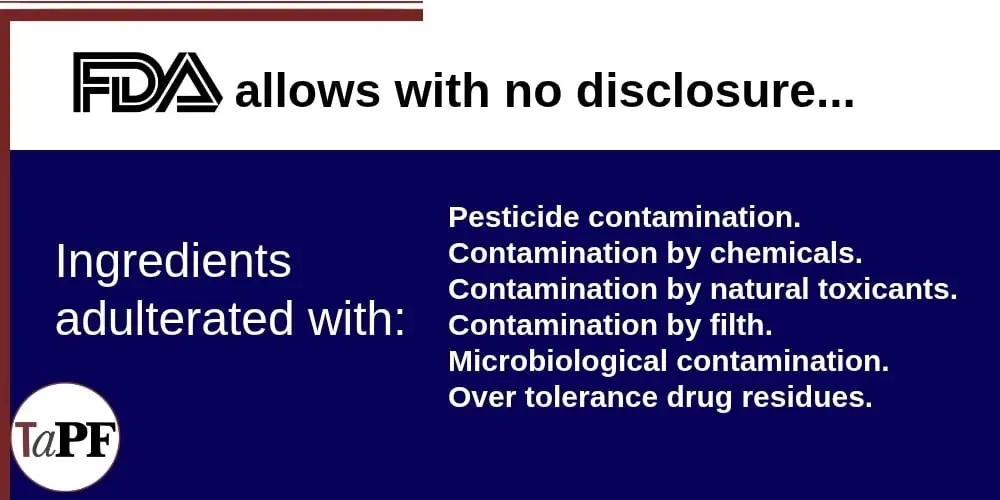
An ongoing investigation into U.S. food safety regulations reveals a stark, legally sanctioned double standard: ingredients deemed adulterated, contaminated, or unsafe for human consumption are routinely diverted into the commercial animal feed and pet food supply chains. Under a network of official Compliance Policy Guides (CPGs) maintained by the U.S. Food and Drug Administration (FDA), agricultural commodities and food products contaminated with pest excreta, toxic mold, floodwater runoff, industrial chemicals, and veterinary drug residues may be reclassified and processed into feed for livestock and companion animals.
While the FDA enforces strict advance notification and approval mechanisms before companies can divert contaminated inventory, the agency keeps the identities of the purchasing manufacturers strictly confidential. Because pet food packaging and ingredient labels are not legally required to disclose whether raw materials were derived from salvaged or adulterated supply streams, consumers remain unaware when purchasing products derived from these diverted commodities.
Pet food consumer advocates, led by TruthaboutPetFood.com and the Association for Truth in Pet Food, have initiated formal legal and regulatory challenges under the Freedom of Information Act (FOIA) to force public disclosure of the commercial entities utilizing these provisions. This investigative report provides a comprehensive breakdown of the regulatory directives governing food diversion, the biological and chemical hazards associated with these materials, and the ongoing struggle for supply-chain transparency.
Detailed Chronology of Regulatory Diversion Directives
The legal framework allowing adulterated human food to re-enter the commercial animal feed supply chain is codified across multiple FDA Compliance Policy Guides. These directives explicitly outline the conditions under which dangerous or degraded materials may be salvaged, heat-treated, or processed for commercial animal consumption.
       [ADULTERATED FOOD IDENTIFIED]
    (Fecal matter, mold, drug residues)
                     │
                     ▼
       [FDA / CVM ADVANCE NOTIFICATION]
     (Mandatory regulatory review required)
                     │
                     ▼
       [TREATMENT & DIVERSION APPROVAL]
   (Heat-treatment, blending, reclassification)
                     │
                     ▼
       [COMMERCIAL FEED & PET FOOD]
   (End product distributed without disclosure)
1. Fecal Contamination and Pathogen Neutralization: CPG Sec. 675.100
- CPG Sec. 675.100 Diversion of Contaminated Food for Animal Use
- Scope: Governs food products adulterated with filth, specifically rodent, cockroach, or bird excreta.
- Regulatory Excerpt:
"FDA does not object to the diversion to animal feed of human food adulterated with rodent, roach, or bird excreta. However, since rodent, roach, or bird excreta are vectors for microorganisms deleterious to the health of animals, including such things as parasite eggs, salmonella, leptospira, or other pathogenic organisms, diversion has not been authorized except following a heat treatment appropriate to destroy such organisms."
- Mechanism: The policy allows food legally classified as adulterated due to pest feces to enter the pet food and livestock feed supply, provided the industry party submits a diversion request to the FDA’s Center for Veterinary Medicine (CVM, HFV-236). The agency evaluates proposed heat-treatment protocols on a case-by-case basis to destroy vector-borne pathogens prior to processing.
2. Environmental Degradation and Water Damage: CPG Sec. 675.300
- CPG Sec. 675.300 Moisture Damaged Grain
- Scope: Governs agricultural commodities damaged by industrial fire suppression, severe weather, flooding, or natural disasters.
- Regulatory Excerpt:
"In the past CVM has authorized the diversion of moisture-damaged grain as well as other food materials for animal feed use. Such authorization has always had to take into consideration the nature and source of the water since fires from grain elevator explosions are often quenched using sea water or river water which may contain sewage, pathogenic organisms, chemical wastes or other toxic substances. Similar problems are posed when foodstuff is flooded following hurricanes or other natural disasters. Even more serious is the mold growth which may occur in wet foods."
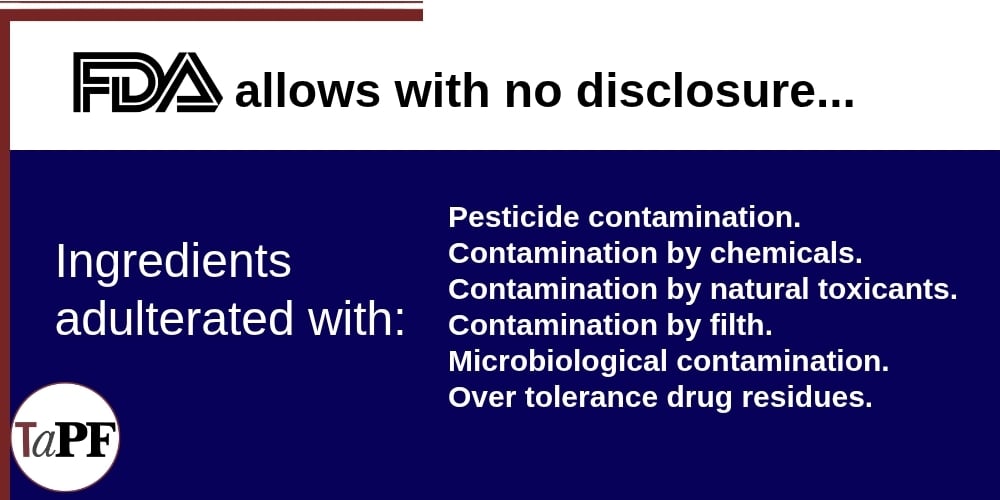
- Mechanism: Rather than mandating destruction, CVM—in consultation with the Center for Food Safety and Applied Nutrition (CFSAN)—evaluates requests to convert flooded or moldy crops into animal feed. Even when water sources contain municipal sewage, industrial chemical waste, or heavy mycotoxin loads, the FDA may authorize conversion if the material can be deemed "rendered safe" through processing or blending.
3. General Adulteration, Recalls, and Chemical Residues: CPG Sec. 675.200
- CPG Sec. 675.200 Diversion of Adulterated Food to Acceptable Animal Feed Use
- Scope: Establishes overarching protocols for salvage requests involving recalled goods, chemical contaminants, and USDA-detained meat.
- Regulatory Excerpt:
"In the past, FDA has authorized the salvage of human or animal food considered to be adulterated for its intended use by diverting that food to an acceptable animal feed use. Most of these instances have involved… USDA detained meat and poultry products contaminated with drug or other chemical residues, as well as food and feed under voluntary industry recall or quarantine that may be considered adulterated for their intended use(s)."
- Mechanism: Operates on an ad hoc basis. Commercial entities submit formal requests detailing the nature of the contamination, proposed processing methods, and target animal species. This allows meat detained by inspectors for carrying illegal antibiotic or chemical residues to be diverted away from human consumption and into pet food or livestock diets.
Key Regulatory Milestones
| Target Date | Policy / Event | Focus Area | Regulatory Implications |
|---|---|---|---|
| Historical Baseline | FDA Issue of CPG Sec. 675.100 | Pest Excreta Diversion | Permits rodent/bird filth in animal feed following CVM-approved heat treatment. |
| Historical Baseline | FDA Issue of CPG Sec. 675.300 | Moisture & Flood Grain | Allows sewage- and chemical-exposed flooded grain to be converted into feed. |
| Historical Baseline | FDA Issue of CPG Sec. 675.200 | Chemical & Meat Residues | Authorizes salvage of USDA-detained meat carrying chemical or drug residues. |
| Sept 17, 2026 | Comprehensive FOIA Filing | Regulatory Transparency | Consumer advocate Susan Thixton files FOIA request demanding 2020–2026 diversion records and consignee identities. |
Supporting Context, Biological Risks, and Supply-Chain Metrics
The economics of industrial agriculture and commercial pet food manufacturing create strong incentives for salvaging distressed commodities. However, the reliance on diverted adulterated foods introduces significant biological and chemical hazards that require intensive regulatory oversight.
       [ADULTERATED INPUT HAZARDS]
 ┌──────────────────┬──────────────────┐
 │                  │                  │
 ▼                  ▼                  ▼
Biological         Chemical        Mycotoxins &
Pathogens          Residues        Contaminants
 (Salmonella,      (Antibiotics,    (Aflatoxins,
 Leptospira)        pesticides)      sewage toxins)
Biological and Microbial Pathogens
- Salmonella spp. and Leptospira: Frequently introduced through rodent and avian urine and feces. While heat treatment kills active vegetative bacteria, heat-stable bacterial endotoxins can remain structurally intact, posing inflammatory risks to the gut lining of pets.
- Parasitic Vectors: Parasite eggs (Toxocara, Ascaris) present in excreta require specific thermal degradation parameters to prevent transmission to domestic pets and agricultural workers handling raw feed.
Chemical Contaminants and Mycotoxins
- Mycotoxins (Aflatoxin, Vomitoxin, Fumonisin): Grains subject to moisture accumulation or floodwaters rapidly develop fungal growth. Aflatoxins are potent hepatotoxins and carcinogens capable of inducing acute liver failure in dogs, even at parts-per-billion (ppb) concentrations.
- Pharmaceutical Residues: USDA-detained meat often contains systemic concentrations of veterinary pharmaceuticals, growth promoters, or sub-therapeutic antibiotics exceeding legal tolerances for human food. Diverting these tissues into pet food maintains selection pressure for drug-resistant bacterial strains.
- Industrial Flood Runoff: Agricultural flooding exposes grain storage units to agricultural run-off containing heavy metals, synthetic fertilizers, polycyclic aromatic hydrocarbons (PAHs), and untreated municipal sewage.
Dual-Standard Regulatory Framework
Under the Federal Food, Drug, and Cosmetic Act (FD&C Act), Section 402(a)(3) and (4) defines food as adulterated if it consists in whole or in part of any filthy, putrid, or decomposed substance, or if it has been prepared, packed, or held under insanitary conditions.
However, FDA’s Compliance Policy Guides introduce an administrative mechanism that effectively splits enforcement: a raw ingredient that violates federal law for human food can be legally reclassified as non-adulterated when destined for an animal dish, provided CVM approves the protocol.
Official Statements and Regulatory Rationale
The FDA maintains that its policy framework balances safety with waste reduction, allowing damaged agricultural commodities to be salvaged under controlled conditions rather than deposited into landfills.
According to internal agency rationales cited within the CPG documents, the FDA’s Center for Veterinary Medicine justifies these policies by asserting that processing methods can render contaminated food safe for specific animal species:

"The Center will consider the requests for diversion of food considered adulterated for human use in all situations where the diverted food will be acceptable for its intended animal food use."
— FDA CPG Sec. 675.200 Guidelines
Despite requiring manufacturers to submit detailed advance documentation—including the identity of the consignee, origin of the material, and precise contamination profiles—the FDA does not publish these approval records. Consequently, consumer packaging lists standard ingredients (e.g., "poultry meal," "ground yellow corn," "beef digest") without indicating whether those ingredients originated from quarantined, chemical-laden, or pest-contaminated lots.
Addressing this gap in consumer protection, pet food consumer advocate Susan Thixton, founder of TruthaboutPetFood.com and co-founder of the Association for Truth in Pet Food (ATPF), issued a statement regarding the systematic non-disclosure of diverted supply chains:
"The FDA knows EXACTLY which pet food manufacturers include adulterated ingredients contaminated with all types of substances. The FDA knows EXACTLY which livestock feed manufacturers include adulterated ingredients. But the FDA doesn’t tell you. The FDA does not require the manufacturer to tell you either. The ingredient list gives you no clues if the chicken includes drug residues, or the grain includes pesticides or sewage."
Future Outlook and the Battle for Supply-Chain Transparency
The intersection of regulatory policy, corporate confidentiality, and consumer rights has turned supply-chain transparency into a central issue for pet food safety advocates.
                  [TRANSPARENCY BATTLEGROUND]
                               │
       ┌───────────────────────┴───────────────────────┐
       ▼                                               ▼
[FOIA Legal Actions]                       [Consumer Advocacy & ATPF]
Demand disclosure of                       Push for labeling reform at
CVM diversion logs                         AAFCO and FDA policy levels
The FOIA Disclosure Campaign
On September 17, 2026, consumer advocacy groups filed a federal Freedom of Information Act (FOIA) request targeting the FDA’s CVM division. The request seeks comprehensive records of all approved adulterated food diversion applications granted from January 1, 2020, through September 17, 2026.
Crucially, the filing requests the specific names of the consignees—the processing plants and pet food brand manufacturers that purchased and received the diverted materials.
However, historical precedents point to significant administrative delays in FOIA processing for pet food safety inquiries:
- Administrative Processing Delays: Previous FOIA actions submitted to the FDA regarding pet food safety metrics and regulatory exemptions have taken upwards of five years to yield redacted documents.
- Corporate Confidentiality Claims: Commercial entities routinely invoke Exemption 4 of the FOIA, which protects trade secrets and commercial or financial information, to block the public release of consignee identities and ingredient sourcing logs.
Advocacy and Regulatory Oversight at AAFCO
Organizations such as the Association for Truth in Pet Food (ATPF) maintain consumer representation at meetings held by the Association of American Feed Control Officials (AAFCO) and the FDA. Key initiatives currently driven by public interest groups include:
- Mandatory Ingredient Disclosure: Proposals to amend model feed laws, requiring explicit labeling when ingredients are derived from salvaged or heat-treated adulterated stocks (e.g., "Heat-Treated Salvaged Grain").
- Elimination of CPG Exemptions: Formal petitions calling on the FDA to revoke CPG 675.100, 675.200, and 675.300, establishing a single safety standard for both human and animal food inputs.
- Public Registries: The creation of a publicly accessible online database listing all approved diversion permits, allowing pet owners and agricultural buyers to independently verify the integrity of retail feeds.
Until structural regulatory reforms or court-ordered disclosures take effect, consumers navigating the retail market must rely on independent verification, direct manufacturer inquiries, and specialized advocacy lists to determine whether their pet products contain salvaged inputs.