
Executive Overview
The landscape of cannabinoid science is undergoing a quiet revolution. For years, public discourse and clinical research have remained heavily polarized between two primary molecular heavyweights: delta-9-tetrahydrocannabinol (THC) and cannabidiol (CBD). While THC dominates recreational markets due to its psychotropic potency, and CBD has saturated the wellness sphere as a universal panacea for anxiety and discomfort, a third, nonintoxicating molecule is rapidly emerging from the shadows of the cannabis plant.
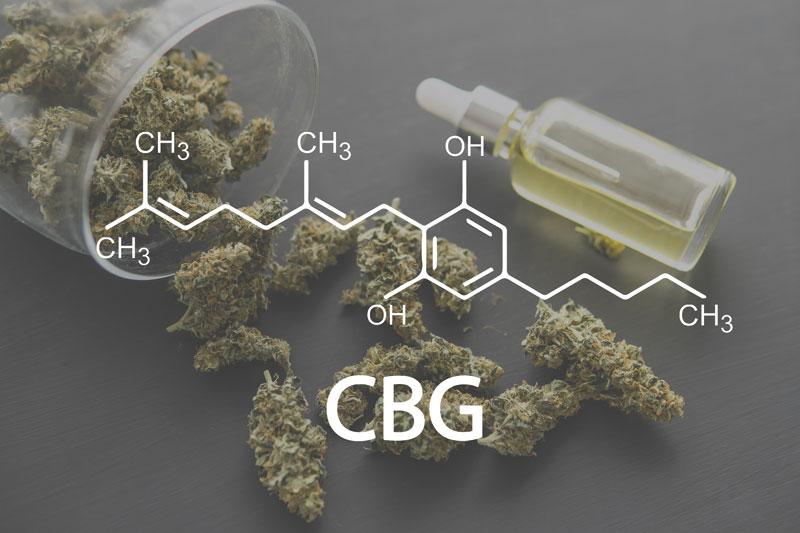
Cannabigerol (CBG)—often referred to in pharmacological literature as the "mother of all cannabinoids" because its acidic precursor, CBGA, serves as the biochemical starting point for THC, CBD, and CBC—is capturing the attention of pharmacologists, dermatologists, and integrative veterinarians alike. Early clinical and pre-clinical investigations suggest that CBG’s anti-inflammatory, antimicrobial, and dermatological properties may outpace those of CBD. Furthermore, its unique receptor-binding profile opens new therapeutic frontiers for managing inflammatory bowel disease (IBD), antibiotic-resistant bacterial infections, and metabolic syndrome.
Despite its therapeutic promise, CBG operates within a complex regulatory labyrinth. While human trials highlight favorable safety profiles and low adverse event rates, veterinary applications remain hampered by a stark disconnect between emerging pharmacological data and restrictive state and federal oversight. This article provides an authoritative, investigative deep dive into the pharmacology, therapeutic applications, comparative advantages, and regulatory hurdles defining the dawn of the CBG era.
Detailed Chronology: From the Discovery of the Endocannabinoid System to the CBG Renaissance
To understand the clinical significance of CBG, one must trace the chronological milestones of cannabinoid pharmacology, which began with the relentless pursuit of understanding how THC interacts with the human and mammalian body.
- The Mid-20th Century Isolation of Phytocannabinoids: The structural isolation of THC and CBD laid the groundwork for modern cannabis chemistry. However, research remained singularly focused on the psychotropic impacts of THC, overshadowing non-intoxicating constituents.
- The Discovery of the Endocannabinoid System (ECS): The search for endogenous THC-binding sites inside the mammalian brain led directly to the mapping of the endocannabinoid system in the late 20th century. Comprising a vast web of chemical signals and cellular receptors (most notably CB1 and CB2 receptors) densely packed throughout the brain, central nervous system, and peripheral immune tissues, the ECS acts as a master regulator. CB1 receptors outnumber many other neurotransmitter receptor types in the brain, functioning as cellular "traffic cops" to modulate hunger, temperature, mood, and alertness. Meanwhile, CB2 receptors populate immune tissues, governing immune function, inflammation, and gut motility without producing intoxication.
- The Modulation Paradigm: As research progressed, scientists realized that cannabinoids do not act in isolation. CBD was discovered to exert negative allosteric modulation over CB1 receptors, changing their structural shape to prevent THC from binding too tightly. This explains how CBD successfully mitigates the anxiety, tachycardia, and paranoia often induced by THC.
- The Modern CBG Awakening: While plant geneticists and chemists mapped over 150 distinct cannabinoids, CBG languished as a minor or secondary compound due to its low natural concentration in mature plants. However, modern analytical techniques and the advent of low-cost biological synthesis—such as the creation of cannabinoid precursors from brewer’s yeast via synthetic biology at institutions like UC Berkeley—have catapulted CBG into the spotlight. Today, researchers are moving past the THC/CBD binary to explore CBG’s distinct pharmacokinetics, paving the way for targeted clinical trials in both human and veterinary medicine.
Supporting Context & Metrics: Pharmacology, Mechanisms, and Comparative Profiles
To evaluate why CBG is generating such profound scientific enthusiasm, one must examine its mechanics relative to its chemical relatives. Like CBD, CBG is entirely nonintoxicating, non-hallucinogenic, and non-euphorigenic. Yet, its pharmacologic profile bridges the gap between THC and CBD in fascinating ways.
The Pharmacological Footprint of CBG
According to pivotal pharmacological reviews, such as those by Nachnani et al., CBG sits squarely between delta-9-THC and CBD in its receptor affinities:
- CB1 and CB2 Receptors: CBG binds to CB1 and CB2 receptors with a lower affinity than THC (by a factor of 5 to 27-fold), yet it displays direct interactions that distinguish it from CBD.
- Transient Receptor Potential (TRP) Channels: CBG and CBD share high comparability at six TRP cation channels (TRPA1, TRPV1, TRPV2, TRPV3, TRPV4, and TRPM8), which play critical roles in pain signaling and thermal sensation.
- The Alpha-2 Adrenoceptor: Unlike CBD and THC, CBG acts as a potent (nanomolar to sub-nanomolar affinity) agonist at the alpha-2 adrenoceptor. This physiological target carries profound implications for blood pressure regulation, sedation, and pain modulation.
- Serotonin Receptors: While CBD acts as an indirect agonist at the 5-HT1A serotonin receptor (conferring anti-anxiety benefits), CBG has been reported to function as an antagonist at this same site, indicating divergent psychological and neurological pathways.
Key Therapeutic Frontiers
1. Dermatological Innovations
Skin conditions, particularly atopic dermatitis (AD), represent a massive clinical challenge in both human and veterinary medicine. Topically applied CBG has demonstrated extraordinary therapeutic utility in animal models by reducing localized inflammation and physically strengthening the epidermal barrier. Clinical evaluations of topical CBG serums in humans have demonstrated statistically significant improvements in transepidermal water loss and pronounced reductions in erythema compared to placebos. CBG outperforms many conventional agents—and often CBD—in inhibiting pro-inflammatory cytokine releases induced by ultraviolet (UVA/UVB) radiation and chemical irritants.
2. Managing Inflammatory Bowel Disease (IBD)
Crohn’s disease and ulcerative colitis present debilitating gastrointestinal distress characterized by chronic inflammation. While CBD offers mild relief, CBG exhibits a superior, direct impact on gut tissue inflammation. By engaging intestinal CB1 and CB2 receptors directly, CBG helps normalize aberrant metabolic pathways. Pre-clinical models utilizing high-CBG hemp extracts (comprising CBG, CBD, and CBC) demonstrated significant reductions in colitis, repaired damage to the colonic epithelium, and successfully modulated the gut microbiome.
3. Combating Drug-Resistant Superbugs
Antimicrobial resistance represents an existential threat to global health. Both CBD and CBG possess direct bactericidal properties against drug-resistant pathogens. CBG specifically targets the cell walls of gram-positive bacteria, increasing membrane permeability, disrupting mature biofilms, and dismantling resistant strains. Research comparing CBG against conventional therapeutics found that CBG exhibited lower minimum inhibitory concentrations than norfloxacin across multiple strains of methicillin-resistant Staphylococcus aureus (MRSA) and proved as effective at reducing bacterial colony-forming units as vancomycin in systemic murine infection models.
4. Metabolic Syndrome and Overlapping Benefits with GLP-1 Agonists
An intriguing intersection exists between FDA-approved injectable GLP-1 receptor agonists (used for obesity, type 2 diabetes, and metabolic syndrome) and plant-derived cannabinoids. Both modalities combat metabolic dysfunction by suppressing chronic inflammation and oxidative stress. Unchecked inflammation triggers neurotoxicity by elevating reactive oxygen species (ROS), which oxidize essential lipids, proteins, and DNA, paving the way for neurodegeneration and cognitive decline.
Both cannabinoids and GLP-1RAs protect mitochondria, slow cellular aging, reduce neuronal excitotoxicity, and enhance tissue repair. However, while modern GLP-1RAs carry severe potential side effects—including gastroparesis, severe gastrointestinal distress, tachycardia, and a potential risk of thyroid tumors—cannabinoids boast a thousands-year history of medicinal use without organ-impairment profiles, provided they are sourced cleanly and dosed accurately.
Official Statements and Expert Perspectives
The integration of cannabinoid science into mainstream clinical practice remains choked by regulatory friction. Dr. Narda G. Robinson, DO, DVM, MS, FAAMA—an integrative practitioner and educator who spent two decades teaching science-based integrative medicine at the Colorado State University College of Veterinary Medicine and Biomedical Sciences—has voiced strong criticisms regarding the regulatory landscape governing veterinary cannabis use.
"In this author’s opinion, the main problem with cannabinoid medicine pertains not to its chemistry and side effects but to the regulatory bodies and licensing boards that still prohibit its use. Not one veterinarian, to this author’s knowledge, has lost his or her veterinary license after selling a client Chinese remedies that harbor secret amounts of herbal strychnine. Yet, veterinarians in some parts of the U.S. are not permitted to even discuss cannabis with clients."
Dr. Robinson’s critique underscores a profound systemic paradox: while veterinary patients desperately need safe, non-toxic anti-inflammatories and neuroprotective agents, antiquated legal frameworks prevent qualified professionals from having transparent medical dialogues with pet owners. Clinical surveys of human patients using CBG-predominant cannabis for chronic pain, anxiety, depression, and insomnia report high efficacy rates and manageable adverse effects with negligible withdrawal symptoms. Double-blind, placebo-controlled crossover trials utilizing hemp-derived CBG confirm that modest doses reduce subjective stress and anxiety without inducing motor impairment, intoxication, or cognitive fog.
Future Outlook
The trajectory of CBG research points toward an expansive, data-driven future, provided institutional and regulatory barriers are dismantled.
- Expansion of Veterinary Pharmacokinetics: There is an urgent, unmet need for rigorous pharmacokinetic, tolerability, and physiological studies targeting companion animals. Early observational data indicate that CBG and its acidic precursor, CBGA, are remarkably safe and well-tolerated in canine subjects, whether administered in isolation or as part of a broad-spectrum botanical extract.
- Affordable Industrial Production: As synthetic biologists refine low-cost methods for producing rare cannabinoids through fermentation processes utilizing brewer’s yeast, the economic and environmental costs of extracting phytocannabinoids from vast agricultural yields will plummet. High-purity CBG will become economically accessible, standardizing dosing protocols for clinical trials.
- Regulatory Modernization: The future of CBG rests upon legislative modernization. As patient advocacy groups, veterinary medical associations, and forward-thinking researchers push back against prohibitionist communication bans, the veterinary community will likely gain the autonomy necessary to prescribe, dose, and monitor cannabinoid regimens with the same scientific rigor applied to conventional pharmaceuticals.
Ultimately, cannabigerol transcends the status of a mere industry buzzword. It stands as a testament to the complex pharmacopoeia of the natural world—offering targeted, potent therapeutic pathways that may redefine how clinicians manage inflammation, infection, and metabolic disease in both human and veterinary patients for decades to come.