
By the Veterinary Practice News Editorial Desk
Special Report based on insights by Oriana D. Gradeles-Scislowicz, LVT, CPTD, PMP
Executive Overview
The modern veterinary practice relies on a complex, highly coordinated ecosystem of medical professionals, yet the backbone of daily clinical care—the licensed veterinary technician (LVT)—has historically struggled with systemic underutilization, role ambiguity, and professional mischaracterization. For decades, the industry viewed Continuing Education (CE) primarily through a bureaucratic lens: a mandatory checkbox for license renewal, a secondary employee benefit, or a superficial perk designed to boost clinic retention rates.
However, a paradigm shift is underway across the veterinary landscape. As the scope of veterinary technology expands to encompass sophisticated anesthesia monitoring, critical care nursing, advanced dentistry, and specialized patient management, continuing education has emerged as something far more profound. CE is now recognized as a vital catalyst for professional identity development.
By mapping veterinary professional experiences onto educational frameworks like Dugas’s Identity Triangle Model—originally conceptualized for K-12 educators—industry leaders are discovering that targeted continuing education actively shapes how veterinary technicians perceive themselves, how they are treated by colleagues and clients, and how they execute their clinical responsibilities. When hospital managers intentionally leverage CE, they do more than update clinical skill sets; they bridge the gap between psychological self-worth, relational validation, and behavioral empowerment. This comprehensive report explores the evolution of the veterinary technology profession, the psychological frameworks driving identity formation, and actionable strategies for practice leaders to transform CE into a cornerstone of workforce sustainability.
Detailed Chronology: The Evolution of Veterinary Technology
To understand why continuing education has become the vanguard of professional identity, one must examine the rapid, compressed history of the veterinary technology profession. The trajectory of the modern LVT is a story of transformation from informal assistance to formalized, rigorous medical specialization.
1. The Formative Years (Pre-1960s to 1970s): The Era of the Restrainer
In the early decades of modern veterinary medicine, clinical support staff were largely self-taught aides. Commonly referred to as veterinary assistants or kennel hands, their primary duties revolved around physical restraint, animal husbandry, kennel sanitation, and basic custodial care. Formalized training programs were virtually nonexistent, and the concept of a credentialed technician holding a distinct, legally protected scope of practice had not yet materialized. During this era, identity development was largely absent; individuals viewed themselves as manual helpers to the solo practitioner or veterinarian.
2. The Professionalization Era (1980s to 1990s): Standardization and Accreditation
The landscape shifted dramatically in the 1980s, marking the dawn of professionalization. Recognizing the growing complexity of veterinary medicine, the American Veterinary Medical Association (AVMA) stepped in to establish formal accreditation standards for veterinary technology training programs.
- Standardized Curricula: Educational programs evolved from ad-hoc training sessions into rigorous, science-based associate and bachelor degree tracks covering pharmacology, anatomy, radiology, and surgical nursing.
- Credentialing Boards: The establishment of state board examinations and national credentialing (such as the Veterinary Technician National Exam, or VTNE) created a legal and professional demarcation between trained professionals and on-the-job staff.
- Identity Shift: Technicians began to see themselves as medical professionals, though persistent cultural habits within traditional practices often relegated them back to basic, task-oriented chores.
3. The Specialization and Advanced Practice Era (2000s to Present): High-Level Clinical Mastery
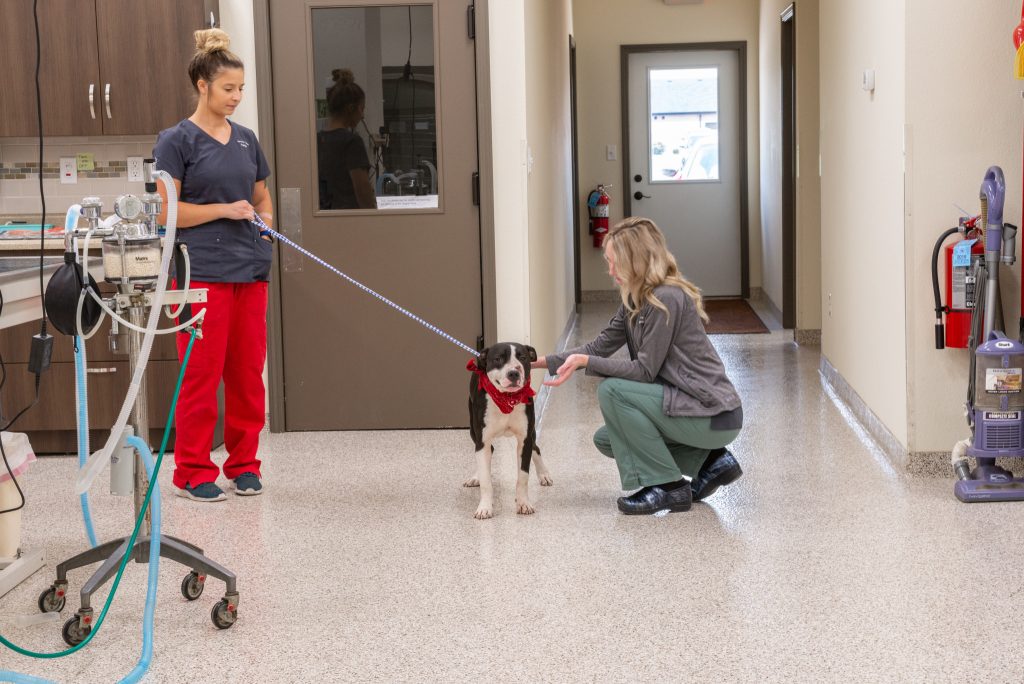
Entering the 21st century, advancements in veterinary medicine mirrored human healthcare. Veterinary hospitals introduced intensive care units, advanced imaging modalities, complex oncological treatments, and specialized surgical suites. Consequently, credentialed veterinary technicians stepped into advanced clinical roles. Today’s LVTs routinely manage multi-parameter anesthesia rigs, program mechanical ventilators, perform dental extractions under veterinary supervision, and triage critically ill emergency patients.
Yet, this rapid clinical expansion created a dangerous friction point: while the skills required of technicians skyrocketed, public perception, hospital organizational structures, and compensation models often lagged behind. This misalignment has made modern continuing education not merely a tool for keeping pace with medicine, but a necessary mechanism for establishing and protecting professional identity.
Supporting Context & Metrics: The Anatomy of Professional Identity and Burnout
The urgency surrounding professional identity development in veterinary medicine is underscored by well-documented industry crises: high turnover, compassion fatigue, and widespread emotional exhaustion. To contextualize the impact of CE, practice leaders must examine the underlying psychological and social dynamics facing veterinary technicians today.
Defining Professional Identity in Clinical Practice
Professional identity refers to the internalized perception an individual holds regarding their purpose, roles, values, and responsibilities within their chosen field. For veterinary technicians, this identity is frequently destabilized by three distinct systemic challenges:
- Public and Internal Misconceptions: Despite completing rigorous degrees and passing rigorous board exams, technicians frequently encounter clients—and occasionally veterinarians—who view them merely as "dog washers" or general helpers. This public mischaracterization undermines their internal sense of professional legitimacy.
- Role Ambiguity: In many hospitals, non-credentialed staff are permitted to perform tasks identical to those executed by licensed technicians. When credentialed professionals see their specialized training ignored or conflated with general labor, role ambiguity sets in, breeding frustration and alienation.
- Compassion Fatigue and Moral Distress: Most individuals enter veterinary medicine driven by profound empathy and a desire to heal. However, the realities of clinical practice—financial euthanasia, untreatable pathologies, and high-stakes emotional labor—routinely test their psychological boundaries. Over time, repeated exposure to these stressors can cause emotional numbing, leading technicians to question their empathy and long-term viability in the profession.
The Identity Triangle Framework
To resolve these identity crises, researchers and educators look to structured models of professional development. Dugas’s Identity Triangle Model posits that a stable, resilient professional identity emerges from the dynamic interaction and coherence of three core domains:
         [ Psychological Domain ]
         (Internal Self-Concept)
                /
               /
              /
             /
            /
[ Relational Domain ] ---- [ Behavioral Domain ]
(Social Recognition) (Clinical Actions)- The Psychological Domain: Encompasses the individual’s internal narrative, life story, and self-concept. It dictates how a technician feels about their competence, worth, and alignment with their personal values.
- The Relational Domain: Focuses on how others perceive, position, and validate the individual. Recognition by veterinarians, peers, and clients acts as a powerful catalyst for affirming professional identity.
- The Behavioral Domain: Centers on daily actions, clinical proficiencies, leadership practices, and professional contributions.
When these three domains are out of alignment—for instance, when a technician acquires advanced behavioral skills through independent study (Behavioral), but receives no recognition from management (Relational) and consequently feels like an undervalued, underutilized subordinate (Psychological)—identity tension and burnout ensue. Conversely, when leveraged strategically, continuing education acts as the cohesive glue that synchronizes all three points of the triangle.
Official Industry Perspectives and Application
Industry leaders and educational architects are increasingly speaking out on the necessity of reframing continuing education from a compliance hurdle to a strategic developmental tool.
According to Oriana D. Gradeles-Scislowicz, LVT, CPTD, PMP, senior manager and instructional designer for Patterson Veterinary Academy, intentional educational design can fundamentally transform hospital culture. "Hospital managers can intentionally leverage CE to promote positive identity development," Gradeles-Scislowicz notes. "When practices move past viewing education as a mere box-checking exercise for license renewal, they unlock a powerful driver for workforce stabilization."
Operationalizing the Identity Triangle via CE
How can veterinary clinics translate educational theory into daily clinical practice? Practice owners, hospital administrators, and lead technicians can implement a multi-step framework based on the Identity Triangle model:
- Reconstructing the Internal Narrative (Psychological Domain):
Daily clinical routines—cleaning cages, restocking supplies, and managing chaotic schedules—can easily reduce an LVT’s self-concept to that of a low-level task worker. Participating in high-level continuing education disrupts this routine. By diving into specialized topics such as advanced emergency triage, feline-friendly handling, or complex pharmacology, technicians are forced to step back from the mundane and reconnect with their identity as scientific practitioners. This cognitive shift reframes their internal self-concept from a manual laborer to an indispensable medical expert. - Fostering Social Validation and Belonging (Relational Domain):
Conferences, interactive webinars, and hands-on wet labs provide crucial networking opportunities. These environments pull technicians out of isolated practice bubbles and immerse them in a broader professional community. When technicians return from CE events and share their insights with the team, they earn the respect and intellectual validation of veterinarians and peers. This external positioning cements their status as specialized leaders within the clinic. - Driving Tangible Practice Transformation (Behavioral Domain):
Knowledge without application stagnates. To solidify identity formation, hospitals must provide structural pathways for technicians to immediately apply what they have learned. If an LVT completes a certification course in veterinary dentistry, the practice must empower them to run the dental suite, perform subgingival evaluations, and lead client education sessions regarding oral health. Visible execution of advanced skills reinforces professional behavior and solidifies identity.
Future Outlook: Workforce Sustainability and the Road Ahead
The veterinary industry stands at a critical crossroads. As demand for pet healthcare surges, workforce shortages and retention crises continue to threaten the operational stability of practices nationwide. Traditional retention strategies—such as marginal hourly wage increases, pizza parties, or superficial wellness perks—have repeatedly proven insufficient to stem the tide of talented veterinary technicians leaving the field.
The future of veterinary medicine relies heavily on structural empowerment. Continuing education, when executed through an identity-conscious framework, offers a sustainable, forward-thinking solution.
Key Recommendations for Practice Leaders:
- Incorporate Post-CE Reflection: Do not treat CE as a passive weekend event. Establish structured debriefing or reflective exercises where attending technicians present their key takeaways to the entire clinic staff, validating their new expertise.
- Build Mentorship Pipelines: Pair less experienced assistants and novice technicians with CE-credentialed senior LVTs. This creates clear upward mobility pathways and normalizes professional growth as an industry standard.
- Align Scope with Skill: Ensure that hospital workflows dynamically adapt to a technician’s growing educational portfolio. Expanding responsibilities in tandem with newly acquired certifications prevents the dangerous misalignment that fuels burnout and turnover.
- Invest Financially in Professional Growth: View CE budgets not as a line-item expense, but as a high-yield investment in organizational retention. When technicians feel that their practice values their intellectual development, loyalty and engagement naturally follow.
By shifting our collective perspective, the industry can transcend the old paradigm. Continuing education is no longer just about meeting minimum state requirements; it is the definitive vehicle for elevating the veterinary technology profession, securing workforce longevity, and honoring the profound clinical contributions of licensed veterinary technicians everywhere.
Oriana D. Gradeles-Scislowicz, LVT, CPTD, PMP, serves as Patterson Veterinary’s senior manager and instructional designer for Patterson Veterinary Academy, specializing in continuing education spanning management, clinical mastery, and professional development.