
Executive Overview
In the modern digital landscape, animal rescue organizations face an unprecedented challenge: cutting through the unrelenting noise of social media feeds, viral memes, and daily news cycles to capture the fleeting attention of prospective pet adopters. Traditional adoption posts, while well-intentioned, frequently blend together into a continuous scroll of urgent pleas, inadvertently causing compassion fatigue among the very demographic rescues rely on for support.
Enter A Cat’s Life Rescue, an organization that recently redefined community engagement through a stroke of pop-culture brilliance. By taking a legendary cinematic quote—"There is no crying in baseball!" from the 1992 classic A League of Their Own—and playfully adapting it to "There is no crying in cat rescue!", the organization transformed a standard adoption drive into a viral home run.
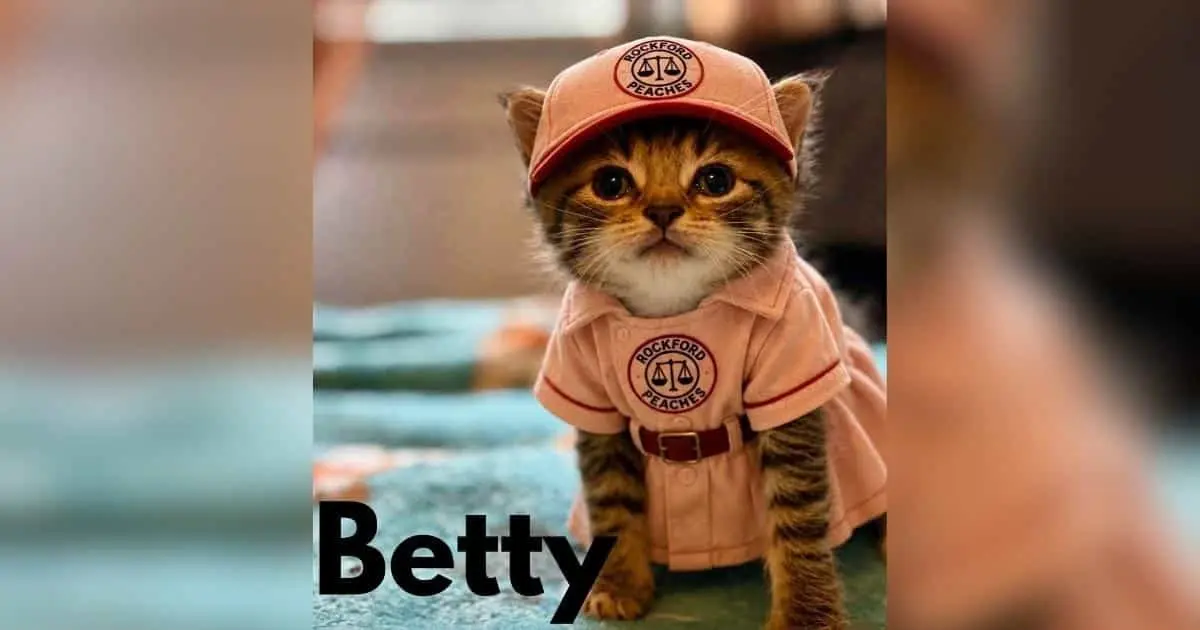
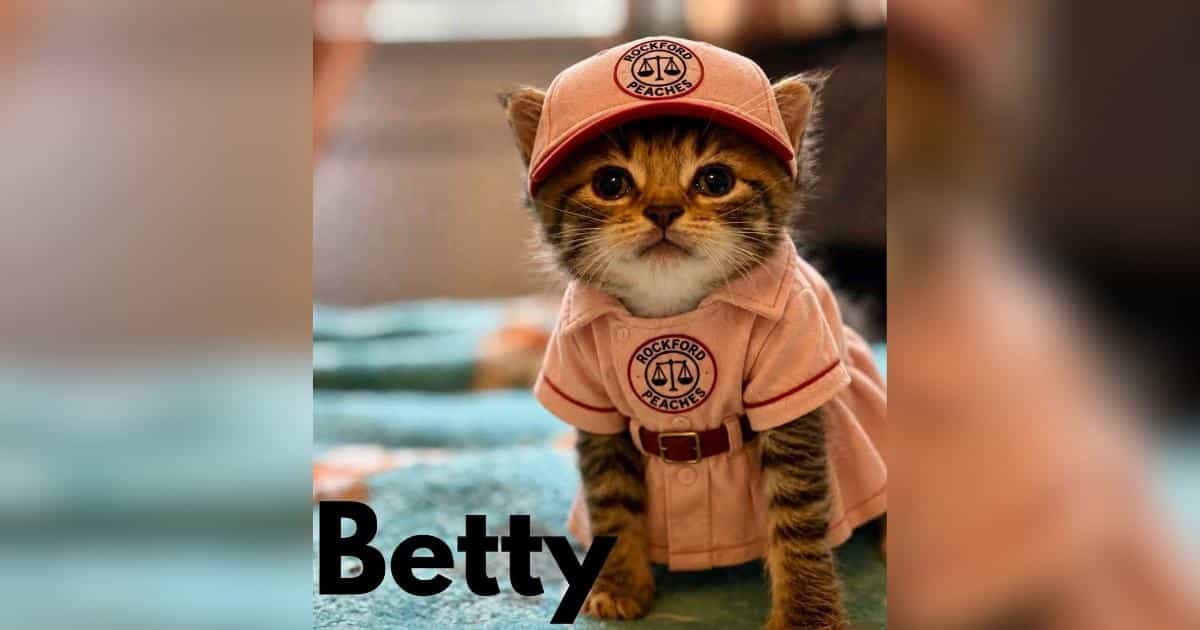
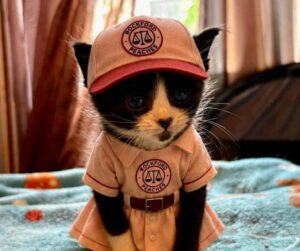
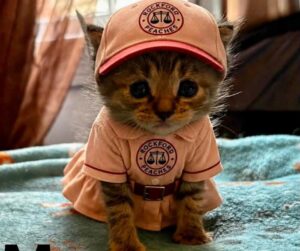
The campaign features a lineup of six adoptable cats—Betty, Kit, Mae, Dottie, Doris, and Jimmy—digital-costumed in the iconic vintage uniforms and caps of the historic Rockford Peaches. While the imagery is undeniably charming, designed to make thumbs stop scrolling across screens nationwide, the underlying mission is dead serious. A Cat’s Life Rescue is leveraging the viral power of this fictional baseball team to shed light on a very real, systemic crisis: the plight of outdoor, stray, and community cats who routinely receive a fraction of the attention, funding, and resources afforded to indoor shelter animals.
This comprehensive report examines the genesis of this creative marketing campaign, explores the distinct challenges faced by outdoor and community cats, details the psychological strategies modern rescues must employ to combat digital fatigue, and outlines the broader future outlook for animal welfare advocacy in the digital age.
Detailed Chronology: From Cinematic Nostalgia to Viral Rescue Strategy
The journey of the feline Rockford Peaches from concept to viral sensation did not happen by accident; it was a calculated effort by the creative minds at A Cat’s Life Rescue to address a persistent hurdle in animal sheltering: stagnant visibility.
The Genesis of the Concept
For months, the leadership and volunteer teams at A Cat’s Life Rescue noted a decline in engagement metrics for standard feline profiles. While kittens during peak "kitten season" easily find adopters, adult cats—particularly those rescued from outdoor environments—frequently languish in foster care or struggle to catch the eye of adopters scrolling on mobile devices.
In brainstorming ways to humanize and spotlight a specific cohort of adoptable cats, the team looked to cultural touchstones that evoke feelings of nostalgia, teamwork, and grit. Penny Marshall’s 1992 masterpiece A League of Their Own, which chronicles the trials and triumphs of the All-American Girls Professional Baseball League (AAGPBL) during World War II, provided the ultimate framework. The narrative of women stepping up when times were tough mirrored the daily reality of animal rescuers stepping up for vulnerable animals.
Assembling the Lineup
The rescue selected six distinct cats currently in their care, assigning them names and personas inspired by the beloved characters of the film:
- Betty: Known for her sweet disposition and watchful eyes.
- Kit: Spirited, energetic, and always ready to pounce.
- Mae: Charismatic, bold, and impossible to ignore.
- Dottie: The natural leader of the group, poised and nurturing.
- Doris: Loyal, steady, and affectionate.
- Jimmy: The lone "slugger" rounding out the roster with a mischievous charm.
Utilizing digital design tools, the rescue meticulously placed each cat into custom-tailored Rockford Peaches uniforms, complete with the team’s signature caps and period-appropriate color palettes.
The Public Unveiling and Immediate Reaction
When the graphics hit social media platforms, the response was immediate and overwhelming. Within hours, shares, likes, and comments surged far beyond the rescue’s historical averages. Users who typically scrolled past standard adoption flyers stopped to admire the clever costume work, read the bios of Betty, Kit, Mae, Dottie, Doris, and Jimmy, and—most importantly—engage with the rescue’s broader educational messaging regarding outdoor cats. The campaign proved that humor and creativity are not antithetical to animal rescue; rather, they are vital conduits for delivering critical welfare messages.
Supporting Context & Metrics: The Reality of Outdoor and Community Cats
While the baseball uniforms provided a whimsical entry point, A Cat’s Life Rescue utilized the viral momentum to spotlight a serious disparity within the animal welfare sector: the funding and visibility gap between indoor surrender animals and outdoor, stray, or community cats.
The Visibility Gap in Animal Welfare
According to data aggregated by various national animal advocacy organizations, outdoor and feral cats systematically receive lower financial contributions and public advocacy compared to dogs or traditional indoor-surrender cats.
- Perception Bias: Many members of the public harbor misconceptions about outdoor cats, often incorrectly assuming that a cat seen living outdoors is feral, entirely unapproachable, or completely self-sufficient.
- Resource Allocation: Traditional shelters frequently prioritize intake spaces for animals surrendered directly by owners, leaving community cat initiatives heavily reliant on underfunded non-profits, trap-neuter-return (TNR) volunteers, and private donations.
- The Digital Noise Floor: Animal rescues compete not just with one another, but with corporate marketing, viral entertainment, and global news. Studies on social media attention spans indicate that users spend less than two seconds evaluating a static image in a feed, making creative interventions like the Rockford Peaches campaign essential for survival.
Categorizing Outdoor Feline Populations
To effectively advocate for cats living outside, rescuers must navigate a complex spectrum of feline behaviors and needs:
- Socialized Strays: These are cats that were previously owned as pets but became lost, abandoned, or dumped. Despite being found outdoors, they retain positive associations with humans and can successfully transition back into traditional indoor homes given time and decompression.
- Community (Feral) Cats: These felines have had little to no positive human contact and are adapted to living outdoors. Rather than adoption into a home, these cats thrive as outdoor barn cats or through managed colony care supported by Trap-Neuter-Return (TNR) protocols.
Distinguishing between these categories requires extensive time, behavioral assessment, and medical intervention—resources that are perpetually stretched thin across the rescue community.
Official Statements & Perspectives from the Front Lines
The philosophy driving A Cat’s Life Rescue’s campaign centers on resilience, proactive outreach, and refusing to succumb to the emotional exhaustion inherent in animal welfare work.
The Philosophy Behind "No Crying in Cat Rescue"
In statements accompanying the viral campaign, representatives for A Cat’s Life Rescue elaborated on the adaptation of Tom Hanks’ iconic movie line:
"There is no crying in cat rescue because quite simply, there is no time for it. Every tear shed over a difficult rescue case or a lack of funding is a moment taken away from the active work of saving lives. There are too many adorable cats living outside who still need our help, and our energy must be channeled into advocacy, action, and creativity."
The rescue further emphasized the intrinsic value of outdoor felines, drawing a direct parallel between the historical struggles of the women in the AAGPBL and the resilience of community cats:
"Just like our Rockford Peaches, cats living outside are in a league of their own. They face immense daily challenges, weathering the elements and navigating human indifference. They deserve our protection, our resources, and our unwavering support."
Expert Commentary on Modern Animal Marketing
Animal shelter marketing experts have lauded the campaign as a masterclass in modern non-profit communications. By shifting the narrative from passive pity ("Look at this sad animal that needs help") to active empowerment ("Look at this incredible, baseball-playing team ready for their next big league"), the rescue successfully dismantled compassion fatigue.
Behavioral specialists note that when potential adopters connect with an animal’s personality rather than just its plight, the likelihood of a successful, long-term adoption match increases exponentially. The Rockford Peaches campaign gave each cat a distinct narrative voice, transforming them from nameless statistics into memorable characters.
Future Outlook: The Evolution of Animal Rescue Marketing and Advocacy
As animal welfare organizations look toward the future, campaigns like the one executed by A Cat’s Life Rescue offer a blueprint for sustainable engagement and community mobilization.
The Shift Toward Entertainment-Driven Advocacy
The traditional model of non-profit marketing—relying solely on solemn appeals and urgent medical pleas—is yielding diminishing returns in an increasingly saturated digital environment. Future rescue strategies will likely incorporate:
- Gamification and Pop-Culture Integration: Utilizing current trends, cinematic themes, and interactive social media features to lower the barrier to entry for prospective donors and volunteers.
- Story-Driven Campaigns: Moving beyond simple "before-and-after" rescue photos to construct comprehensive narratives that highlight the unique personalities of individual animals.
- Data-Driven Outreach: Utilizing engagement metrics to determine which creative themes resonate most deeply with specific demographics, thereby optimizing marketing spend and volunteer deployment.
Expanding Support for Outdoor Cats
Beyond adoption metrics, the broader goal of initiatives like the Rockford Peaches campaign is policy and community shift regarding outdoor feline management. The future of outdoor cat advocacy relies on:
- Mainstream TNR Adoption: Expanding municipal support for Trap-Neuter-Return programs to humanely stabilize community cat populations.
- Public Education: Dispelling myths regarding feral versus socialized cats to ensure that outdoor felines receive appropriate, tailored interventions rather than unnecessary shelter surrenders.
- Sustainable Funding Pipelines: Converting viral social media engagement into recurring donor support, ensuring that rescues have the financial infrastructure to handle outdoor intake year-round.
Conclusion: Finding Their Home Team
Ultimately, the success of A Cat’s Life Rescue’s campaign lies in its emotional resonance. While Betty, Kit, Mae, Dottie, Doris, and Jimmy wore the uniforms of the Rockford Peaches for the camera, their ultimate goal remains far more grounded: trading the unpredictable life of the outdoors for the safety, warmth, and unconditional love of a permanent family.
As the rescue continues its tireless work on behalf of outdoor felines, the message remains clear: whether on a baseball diamond or in the vast, challenging world outside, no cat should have to play the game alone. And as long as there are animals waiting for their chance at bat, the team at A Cat’s Life Rescue will keep swinging—without a single tear, and with their eyes fixed firmly on the win.