
Executive Overview
The hours immediately following a surgical procedure represent one of the most vulnerable and critical phases in a companion animal’s life. For pet owners, dropping a beloved dog or cat off at a veterinary clinic is an exercise in trust; picking them up ushers in an often-overlooked period of anxiety. Questions naturally flood the mind: Is my pet truly stable? How do veterinary professionals ensure safety during the vulnerable transition out of anesthesia? What does high-standard post-operative care actually entail behind closed doors?
Far from being a passive waiting period where an animal simply "sleeps off" the effects of medication, modern veterinary post-surgical recovery is an active, highly regulated, and data-driven discipline. Advanced facilities—such as specialized veterinary clinics in South Houston and premier animal hospitals nationwide—deploy rigorous monitoring protocols, multi-modal pain management strategies, and structured physiological assessments.
This comprehensive report investigates how modern veterinary hospitals handle post-surgery recovery, detailing the immediate post-operative timeline, clinical monitoring parameters, the science behind pain mitigation, and the essential responsibilities pet owners must shoulder during home-based convalescence. By bridging the gap between clinical expertise and home care, this guide aims to transform owner anxiety into empowered, informed confidence.
Detailed Chronology: From the Operating Table to Home Convalescence
Understanding the mechanics of post-surgical recovery requires examining the chronological phases an animal traverses from the moment the scalpel lifts to the final stitch removal.
[Surgery Completion]
       │
       ▼
[Immediate Post-Op Monitoring] ──► (Vitals, Airway, Temperature Stabilization)
       │
       ▼
[Intermediate Recovery Area]   ──► (Pain Scoring, Cognitive Assessment, Nausea Checks)
       │
       ▼
[Discharge & Hand-off]         ──► (Medication Instructions, Activity Restrictions)
       │
       ▼
[At-Home Convalescence]        ──► (Wound Management, Behavioral Tracking, Follow-ups)
Phase 1: The Immediate Post-Operative Window (The Recovery Suite)
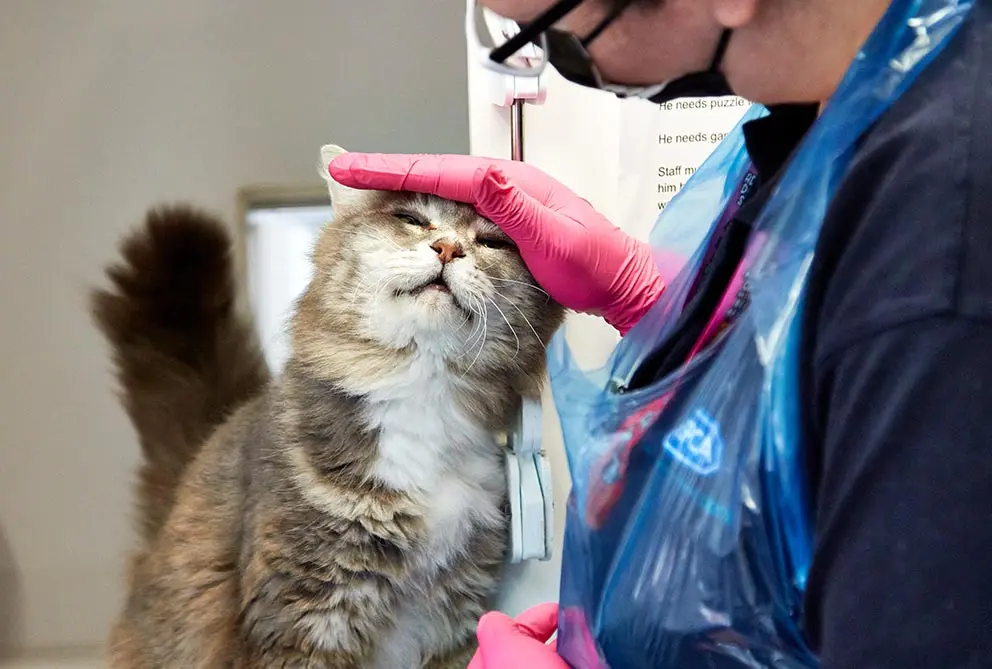
The exact second a surgical procedure concludes, the patient transitions from the sterile operating theater to a dedicated post-anesthesia recovery space. This phase is characterized by continuous vigilance. Veterinary technicians and specialized assistants maintain an uninterrupted watch over vital signs.
During this delicate interval, the primary focus is airway management and cardiovascular stability. As inhalable or injectable anesthetics wear off, an animal’s swallowing reflex must safely return before endotracheal tubes are removed, preventing aspiration. Simultaneously, medical staff monitor:
- Respiratory Rate and Depth: Ensuring lung expansion is adequate and carbon dioxide clearance is normal.
- Heart Rate and Rhythm: Detecting any arrhythmias induced by anesthetic agents or surgical stress.
- Blood Pressure and Perfusion: Evaluating capillary refill time and gum color to rule out shock or hypotension.
Phase 2: Temperature Stabilization and Cognitive Rebound
Anesthesia significantly depresses the hypothalamus, the brain’s internal thermostat. Consequently, patients frequently experience hypothermia during surgery. In the immediate recovery suite, active warming measures—including forced-air warming blankets, heated circulating water pads, and insulated bedding—are deployed. Restoring core body temperature is non-negotiable; shivering increases oxygen consumption and places unnecessary strain on the cardiovascular system.
As body temperature normalizes, the animal begins to reorient. This cognitive rebound can be disorienting. Dogs may exhibit vocalization, panting, or erratic paddling movements, while cats frequently display silent distress, hiding behaviors, or glassy-eyed withdrawal. Veterinary teams utilize specialized scoring systems to differentiate normal anesthetic emergence delirium from actual, acute surgical pain.
Phase 3: The Intermediate Recovery Phase and Discharge Readiness
Once vital parameters stabilize and the patient is fully conscious, they transition to intermediate recovery runs or cages. Here, nursing staff evaluate systemic comfort, hydration status, and baseline organ function. Animals are checked for early signs of surgical site oozing, systemic inflammation, or gastrointestinal distress.
Discharge occurs only when the patient meets strict physiological benchmarks: stable vitals, controlled pain, an intact swallowing reflex, and the ability to maintain sternal recumbency (lying on the chest rather than flat on the side). At this juncture, the clinic initiates the hand-off protocol, equipping the owner with precise, customized instructions for home care.
Supporting Context & Metrics: Clinical Monitoring Parameters
To appreciate the rigor of professional veterinary post-surgery care, one must examine the specific clinical parameters tracked by veterinary teams. The matrix below outlines the core diagnostic and observational metrics utilized in high-standard veterinary hospitals.
| Recovery Domain | Clinical Parameters Monitored | Diagnostic/Observational Significance |
|---|---|---|
| Pain Mitigation | Body tension, vocalization, posture, interactive responsiveness, validated pain scores | Uncontrolled pain activates the sympathetic nervous system, delays wound healing, and suppresses immune response. Early intervention promotes eating and rest. |
| Cardiorespiratory Function | Pulse oximetry ($SpO_2$), electrocardiography (ECG), mucous membrane color, respiratory rate | Detects hypoxemia, hypercapnia, or dangerous cardiac arrhythmias early, preventing catastrophic hemodynamic collapse. |
| Thermoregulation | Rectal or ear core body temperature readings taken every 30–60 minutes | Prevents post-anesthetic shivering, coagulopathies, and delayed drug metabolism associated with profound hypothermia. |
| Incision Integrity | Seroma formation, hematoma accumulation, dehiscence indicators, active hemorrhage | Immediate identification of surgical-site complications minimizes the necessity for secondary corrective procedures. |
| Gastrointestinal & Renal Status | Spontaneous urination, water uptake, nausea metrics, bowel sound auscultation | Assesses metabolic clearance of pharmaceutical agents and ensures the return of functional gastrointestinal motility. |
| Mobility & Neurological Status | Righting reflex, limb coordination, proprioception, pupil symmetry | Ensures safe ambulation and confirms that regional nerve blocks or central nervous system depressants are wearing off evenly. |
Official Statements & Institutional Standards
The protocols governing veterinary surgical recovery are not arbitrary; they are backed by decades of veterinary science, institutional guidelines, and academic research.
Leading veterinary medical institutions emphasize that anesthesia and post-operative monitoring form a continuous, unbroken chain of safety. According to academic frameworks detailed by institutions like the Cornell University College of Veterinary Medicine’s anesthesiology services, patient safety relies entirely on individualized anesthetic protocols coupled with rigorous post-procedure surveillance. Because animals cannot verbalize their internal states, veterinary medicine has pioneered multidimensional pain-scoring systems—such as the Glasgow Composite Measure Pain Scale—which translate subtle behavioral cues into actionable clinical data.
Similarly, operational standards established by research oversight bodies, including the University of Iowa’s animal care and use guidelines, underscore that post-procedure monitoring must evaluate airway patency, body temperature, and autonomic stability until the animal has completely regained normal homeostatic function.
Veterinary professionals consistently reiterate a core philosophy: successful surgery is only half the battle. As local veterinary practitioners note, the true measure of a clinic’s quality of care is reflected as much in its recovery ward protocols as it is in the sterile precision of its operating rooms. When a pet transitions from hospital care to home confinement, that institutional safety net must be seamlessly extended to the pet owner through clear, unambiguous education.
The Home Front: Practical Strategies for Pet Owners
When the patient finally crosses the threshold of home, the responsibility for maintaining their recovery trajectory shifts to the owner. Navigating this phase successfully requires discipline, acute observation, and a structured environment.
1. Designing the Optimal Convalescent Sanctuary
Animals emerging from surgery require a dedicated, low-stimulus environment.
- Location, Location, Location: Set up a recovery zone in a quiet, climate-controlled room away from household high-traffic areas, loud audio/video systems, and children.
- Eliminate Obstacles: Remove access to stairs, slippery hardwood floors, and elevated furniture. Jumping up or down from a couch can instantly rupture fresh abdominal sutures or stress orthopedic repairs.
- Comfort Engineering: Provide clean, supportive bedding that is easily washable. Ensure fresh, clean water is accessible without requiring the animal to stretch or strain its neck.
2. Strict Adherence to Pharmacological Regimens
Medication compliance is the single most frequent hurdle in at-home recovery.
- Never Preemptively Cease Medication: Pet owners frequently make the mistake of discontinuing prescription non-steroidal anti-inflammatory drugs (NSAIDs) or opioids because their pet "seems fine." In veterinary medicine, animals often mask pain instinctively as a survival mechanism. Stopping medication prematurely breaks the analgesic baseline, allowing inflammation and pain to surge.
- Time-Locked Administration: Administer pharmaceutical agents strictly according to the veterinary hospital’s schedule. Utilizing smartphone alarms can prevent missed or overlapping doses.
3. Vigilance Beyond the Obvious Emergencies
While catastrophic signs—such as unstopped bleeding, pale gums, or complete unresponsiveness—are easy to spot, successful recovery tracking relies on noticing subtle shifts.
- Behavioral Shifts: Is the animal unusually clingy, persistently shivering, panting without physical exertion, or hiding in dark corners? These are classic, non-verbal indicators of lingering distress or systemic complications.
- Incision Monitoring: Inspect the surgical site twice daily. Look for spreading redness, foul-smelling discharge, heat, or localized swelling. Do not allow the pet to lick, chew, or scratch the area; utilize Elizabethan collars (E-collars), surgical recovery suits, or inflatable alternatives religiously.
Future Outlook: The Evolution of Veterinary Recovery Care
As veterinary medicine continues to advance, the landscape of post-surgical recovery is undergoing a technological and clinical renaissance. Looking toward the horizon, several key developments promise to further optimize outcomes for companion animals:
- Telemetric and Wearable Health Monitoring: The integration of IoT (Internet of Things) devices in veterinary care is expanding rapidly. Future recovery protocols will increasingly utilize smart collars and adhesive patches that continuously transmit real-time data—such as heart rate variability, respiratory effort, and localized temperature—directly to veterinary dashboards, allowing clinicians to catch complications before clinical symptoms manifest outwardly.
- Regenerative Medicine and Advanced Analgesia: The deployment of targeted monoclonal antibodies for postoperative pain management, alongside regenerative therapies like platelet-rich plasma (PRP) and stem cell adjuncts, is reducing the reliance on heavy systemic opioids, thereby speeding up gastrointestinal recovery and neurological clarity.
- Standardized Telehealth Check-Ins: Virtual post-op follow-ups are transforming the discharge loop. Clinics are increasingly utilizing secure video consultations for day-three and day-seven incision checks, sparing recovering animals the stressful car ride to the clinic while giving veterinarians immediate visual access to healing progress.
Conclusion
Post-surgical recovery is neither a mystery nor a matter of mere luck. It is a sophisticated, highly structured continuum of medical science, compassionate nursing, and dedicated owner stewardship. By understanding the intricate layers of monitoring that occur within professional veterinary facilities—from immediate post-anesthetic stabilization to nuanced pain scoring—pet owners can better appreciate the immense care invested in their animals.
When surgery concludes, the journey to healing truly begins. Armed with clinical insight, structured home environments, and open communication lines with trusted veterinary professionals, owners can navigate this critical window with absolute confidence, ensuring their furry companions return swiftly to a healthy, vibrant life.