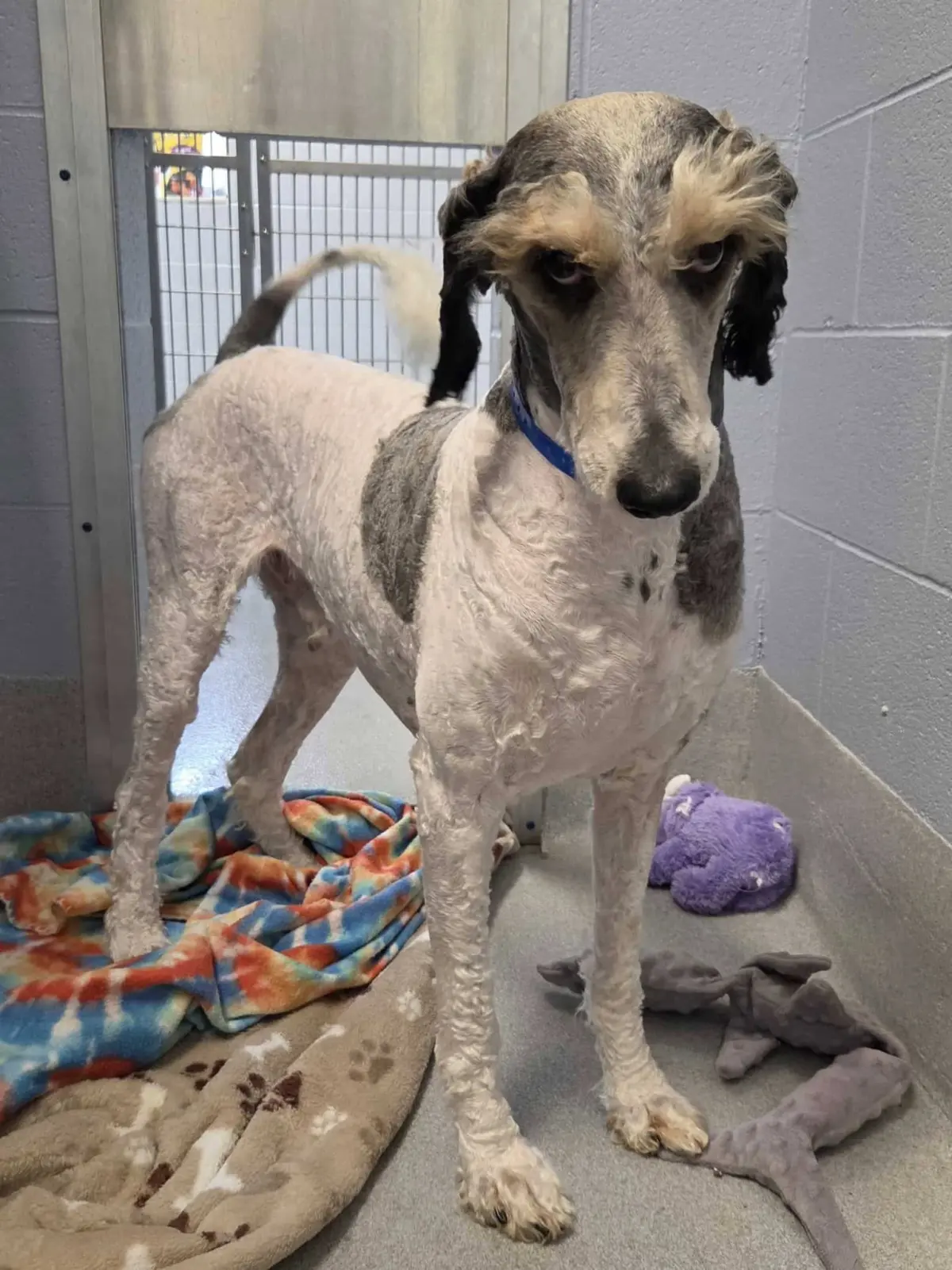
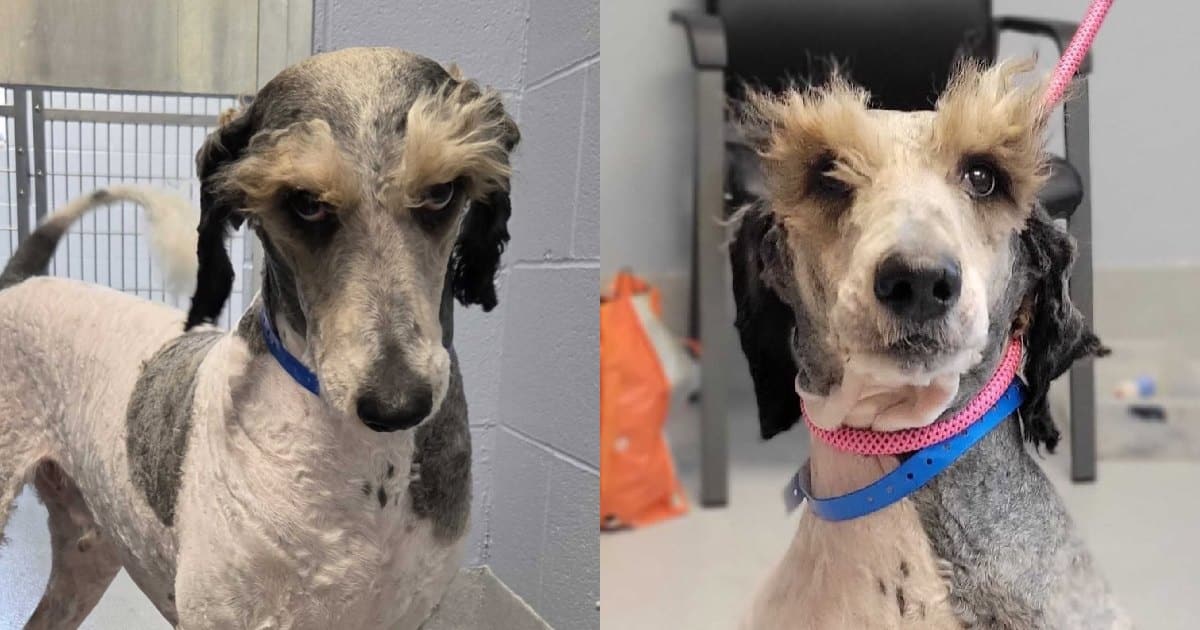
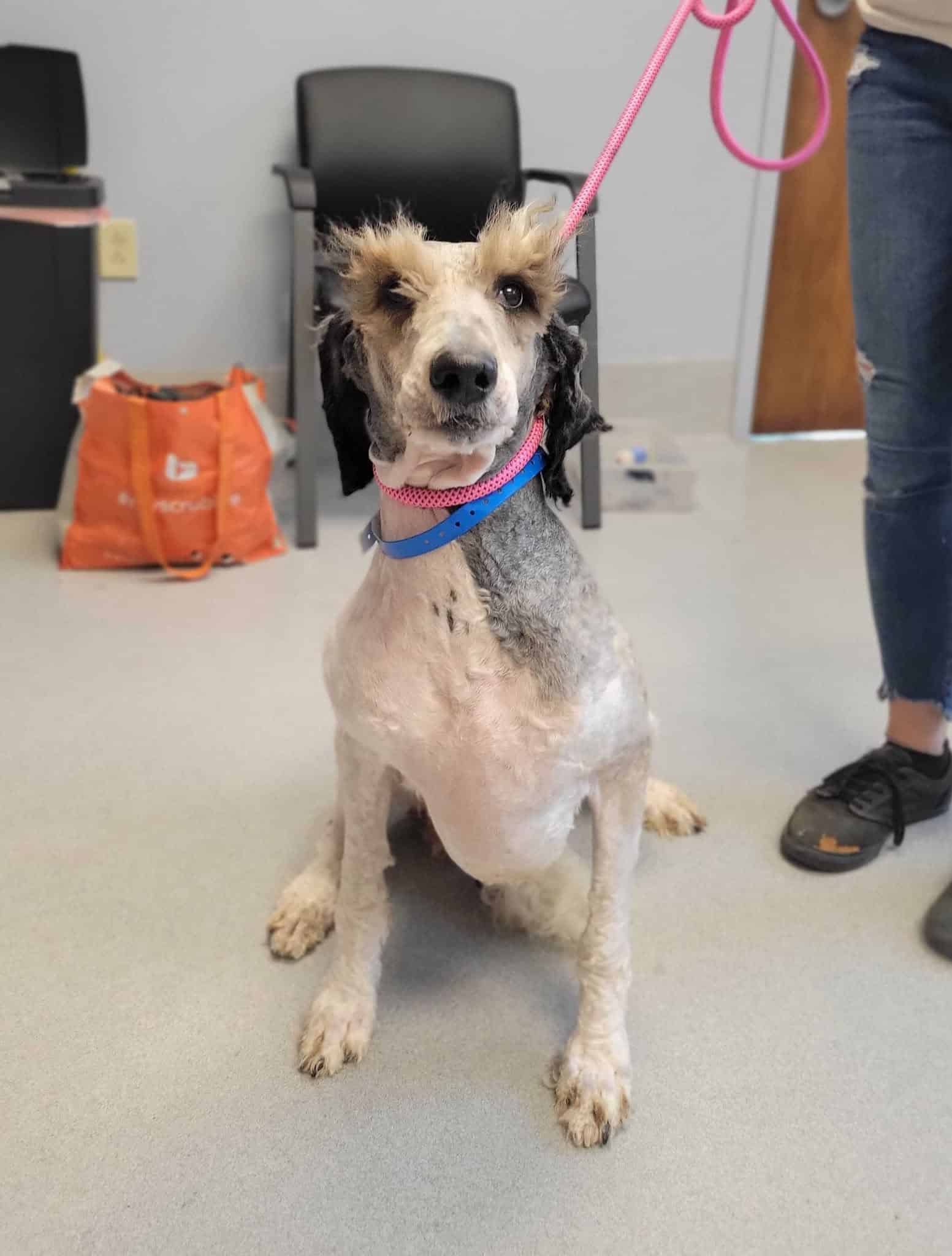
In the highly competitive landscape of animal welfare, where municipal and non-profit shelters constantly vie for public attention to alleviate overcrowding, the Ross County Humane Society in Ohio has captured global interest through an unconventional protagonist. Gomer, a rescue dog classified by shelter staff as an "alleged" Standard Poodle, has emerged as a digital phenomenon. This interest is driven not by pedigree or athletic prowess, but by an extraordinary phenotypic anomaly: a pair of highly defined, remarkably expressive, and seemingly judgmental eyebrows.
While initially presented as a lighthearted social media feature, Gomer’s case offers a profound look into the intersection of canine evolutionary biology, public relations strategy within the rescue sector, and the psychology of pet adoption. Shelter environments are notoriously stressful for animals, often causing them to exhibit shy or withdrawn behaviors that can deter potential adopters. Gomer’s narrative illustrates how a distinct physical characteristic, when framed through a sophisticated and humorous marketing campaign, can neutralize the "shyness penalty" and transform a reserved, hard-to-place dog into a highly sought-after companion.
Detailed Chronology
The trajectory of Gomer’s residency at the Ross County Humane Society highlights the deliberate steps taken by shelter staff to transition him from an anonymous intake statistic to an internet sensation.
Upon his arrival at the Ross County Humane Society, Gomer underwent standard medical and behavioral evaluations. Staff noted that while he possessed the structural characteristics of a Standard Poodle, his coat was highly unconventional—most notably featuring dense, dark tufts of hair directly above his orbital sockets. Behaviorally, Gomer did not display the immediate, high-energy gregariousness often favored by casual adopters; instead, he exhibited a cautious, observant temperament, requiring time to decompress and establish trust with handlers.
2. The First Digital Feature and Public Reaction
Recognizing that Gomer’s unique facial features could offset his reserved demeanor, the shelter’s marketing team published an initial profile on social media. The public response was immediate. The contrast between Gomer’s elegant breed lineage and his disheveled, highly expressive "eyebrows" generated significant engagement. Online commentators noted that his facial expressions closely mirrored human skepticism, disappointment, and mild amusement.
3. The "Shaving Query" Campaign
To maintain momentum and deepen public engagement, the Ross County Humane Society launched a follow-up campaign. Staff posted a series of close-up photographs of Gomer accompanied by a tongue-in-cheek question: How would Gomer feel about having his signature eyebrows shaved?
The visual evidence provided the answer. Gomer’s subsequent expressions—characterized by narrowed eyes and lowered brows—communicated a clear, wordless rejection of the proposal. This interactive storytelling approach successfully humanized the dog, framing his physical quirk as an active mechanism of communication.
4. Transitioning from Novelty to Adoption Advocacy
Once Gomer’s viral footprint was established, the shelter strategically shifted the narrative from mere internet novelty to a targeted adoption campaign. The messaging transitioned from joking about his "judgmental" appearance to explaining his true temperament: a sensitive, quiet companion who uses his expressive face to navigate a world he is still learning to trust.
Supporting Context & Metrics
To fully understand the significance of Gomer’s viral appeal, it is necessary to examine the underlying biological and sociological mechanisms at play.
The Evolutionary Biology of the Canine Brow
Gomer’s expressive face is not merely a cosmetic quirk; it is a hyper-developed manifestation of a key evolutionary adaptation. Research published in the Proceedings of the National Academy of Sciences (PNAS) indicates that during the domestication process, dogs developed a specific facial muscle—the levator anguli oculi medialis (LAOM)—which allows them to raise their inner eyebrows.
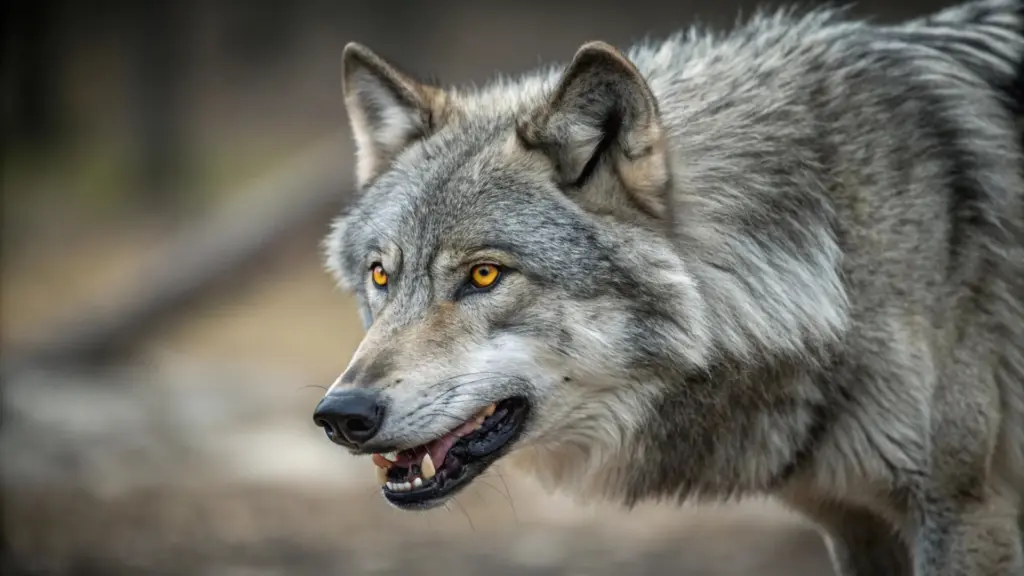
This anatomical feature is virtually absent in wild wolves. The movement triggers a nurturing response in humans because it mimics the facial expressions of human infants and signals a state of vulnerability or attentiveness. In Gomer’s case, the natural growth pattern of his coat has amplified this muscle’s visual impact, creating an exaggerated form of human-canine communication that reads as highly sophisticated cognitive assessment.
The Shelter Marketing Conundrum: Overcoming Shyness
In shelter environments, dogs are often subject to rapid assessment by visitors. Outgoing, highly active dogs who approach the front of their kennels are adopted at significantly higher rates than those who retreat to the back due to stress or natural shyness. This phenomenon presents a persistent challenge for shelter management.
By highlighting Gomer’s "judgmental" eyebrows, the Ross County Humane Society successfully reframed his cautious, observant nature. Instead of being perceived as aloof or fearful, Gomer was branded as an elite, discerning "people-watcher." This shift in perspective allowed potential adopters to view his shyness not as a deficit, but as a desirable trait indicative of intelligence and loyalty.
Official Statements
The leadership and care team at the Ross County Humane Society have emphasized that behind the internet-famous facade lies a vulnerable animal deserving of a stable, understanding home.
An official spokesperson for the Ross County Humane Society commented on the strategic decision to preserve Gomer’s unique look:
"We frequently use humor to highlight animals who might otherwise be overlooked in a crowded shelter system. Gomer is an incredibly sweet, gentle soul, but he doesn’t immediately sell himself at the front of the kennel. His eyebrows gave us a platform to tell his story. Removing them would not only strip him of his signature aesthetic, but it would also take away his most effective tool for connecting with the public."
A canine behaviorist working in coordination with the shelter added context regarding his socialization needs:
"Gomer represents a classic case of an observant canine. He is not aggressive or antisocial; rather, he is a analytical thinker. He conducts his own quiet evaluations of his environment. When an adopter understands this and allows him the time to decompress—what we call the ‘3-3-3 rule’ of bringing a new dog home—they will find an intensely loyal, deeply affectionate partner."
Future Outlook
The search for Gomer’s permanent home continues, with the shelter employing a rigorous vetting process to ensure his long-term success. Because of his viral status, the Ross County Humane Society is uniquely positioned to select an environment tailored specifically to his behavioral profile.
The shelter has outlined specific criteria for Gomer’s future placement:
Low-Stimulus Environment: Due to his initial shyness, Gomer will thrive best in a household free from chaotic, high-volume activity.
Patience and Understanding: The adopter must be willing to let Gomer set the pace of the relationship, allowing his true, affectionate nature to emerge naturally.
Appreciation for Quiet Companionship: The ideal match is someone who values a dog content to sit quietly, observe the surroundings, and offer silent, expressive companionship.
Implications for Shelter Advocacy
Gomer’s success serves as a blueprint for modern animal shelter advocacy. By moving away from traditional, guilt-based marketing ("save this dog before it’s too late") and embracing personality-driven, highly engaging content, shelters can successfully place animals that do not fit the traditional mold of the outgoing family pet. As Gomer continues to capture hearts online, his legacy will undoubtedly influence how rescue organizations worldwide present their more reserved residents, proving that sometimes, all a shy dog needs to find a home is a little bit of character—and a very expressive set of eyebrows.