
Executive Overview
In the bustling corridors of animal shelters across the country, October brings a predictable wave of festive promotions—black cat spotlights, witch hat photo shoots, and themed adoption campaigns designed to capture the public’s fleeting attention during the spooky season. Yet, amidst the sea of artificial cobwebs and pumpkin props, certain rescue animals manage to transcend the seasonal gimmick entirely, offering a profound testament to resilience, healing, and unconditional affection.
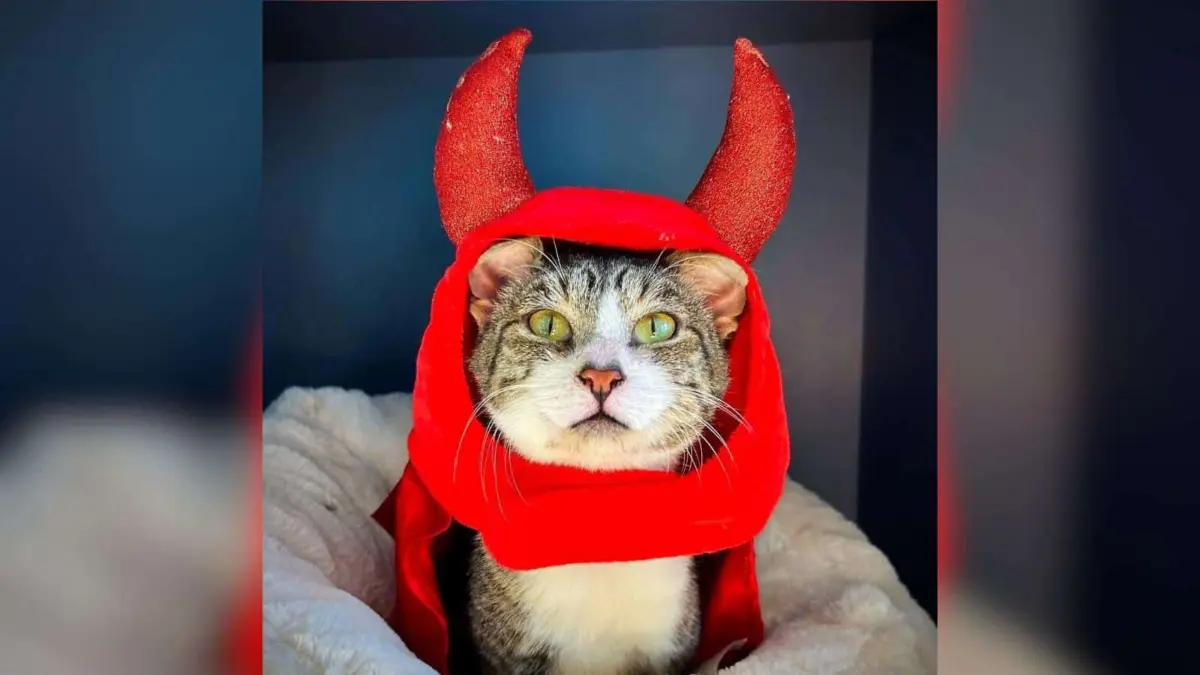
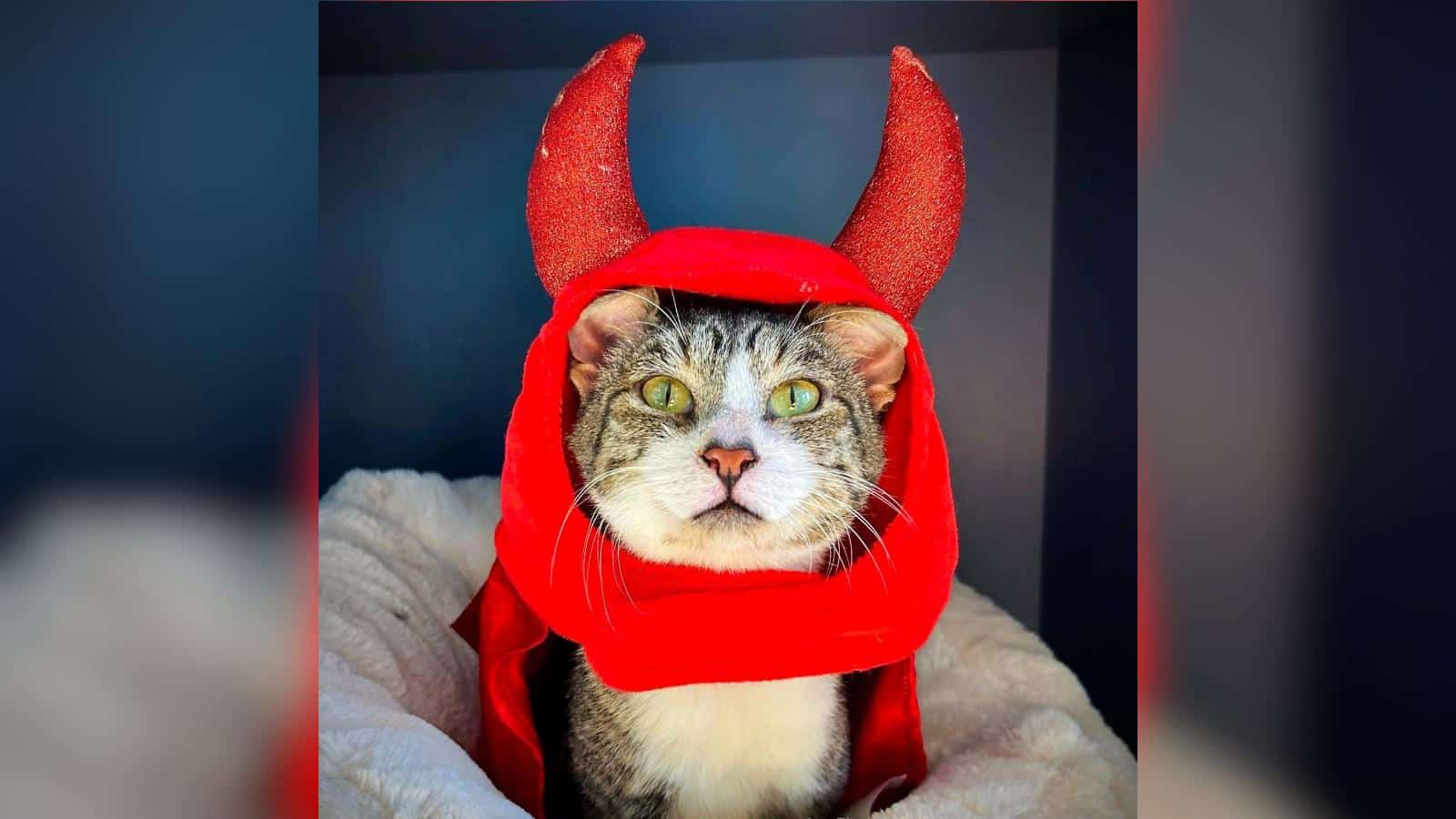
Enter Theo, a sweet-natured senior cat currently residing at the Suncoast Humane Society. Adorned with a jaunty pair of miniature devil horns for the shelter’s seasonal "13 Days of Halloween: Meet Our Boo Crew" initiative, Theo cuts a striking and humorous figure. The visual irony is undeniable: a feline sporting the insignia of mischief whose actual disposition is profoundly gentle, patient, and loving. Behind the playful costume lies a harrowing narrative of neglect, months of intensive veterinary intervention, and a triumphant physical recovery that has left shelter staff in absolute awe of his forgiving spirit.
Theo’s journey from a severely compromised living environment to the starring role in a community-wide pet costume contest highlights the immense challenges and quiet triumphs characteristic of modern animal welfare operations. While his devil horns are designed to amuse prospective adopters, Theo’s real story is one of profound transformation. Having weathered months of medical treatments for painful paw injuries stemming from unsanitary conditions, this senior cat is no longer looking for trouble; he is looking for a soft couch, a dedicated human companion, and a permanent place to call home. This report examines Theo’s medical chronology, the operational strategies utilized by the Suncoast Humane Society to secure adoptions for vulnerable populations, and the broader implications of senior pet rescue during peak shelter intake cycles.
Detailed Chronology: From Neglect to Recovery
To fully appreciate the heartwarming spectacle of Theo wearing devil horns for a Halloween photoshoot, one must understand the starkly different reality he faced upon his initial intake at the Suncoast Humane Society. The feline’s path to the shelter was fraught with physical discomfort, the origins of which trace back to inadequate and unsanitary living conditions in his previous environment.
The Initial Intake and Medical Crisis
When rescue personnel first encountered Theo, his presentation immediately flagged him as a priority case for the facility’s veterinary medical team. While many incoming cats exhibit signs of malnutrition or upper respiratory infections, Theo’s primary point of trauma was concentrated on his extremities. The unsanitary conditions of his past life had severely impacted his paws, resulting in painful, inflamed sores developing in the delicate skin spaces between his toes.
For a cat, the paws are instruments of exploration, balance, and self-grooming. The degradation of tissue in this area causes chronic, localized pain that can profoundly alter an animal’s temperament. Chronic paw discomfort frequently manifests in cats as defensive aggression, touch-aversion, and severe behavioral withdrawal. Yet, even in the acute stages of his medical crisis, healthcare workers noted that Theo maintained an unusually tolerant and gentle demeanor.
Months of Clinical Patience
Addressing tissue damage between a cat’s toes requires a meticulous, multi-phase veterinary protocol. The treatment regimen demanded months of consistent patience, specialized wound cleaning, pharmaceutical intervention, and frequent handling of his most sensitive areas. For an older cat unaccustomed to the clinical environment, the daily administration of treatments represents a significant psychological stressor.
However, Theo’s caregivers observed a remarkable phenomenon: rather than shrinking away from human touch or lashing out during medical procedures, the senior cat leaned into the interaction. Shelter workers reported that Theo genuinely seemed to understand that the hands tending to his wounds were agents of healing rather than sources of harm. His capacity to separate the discomfort of his treatments from the affection of his caretakers transformed him from a routine medical case into a beloved fixture of the shelter’s clinic ward.
The Turning Point in Healing
As the weeks stretched into months, the dedicated efforts of the Suncoast Humane Society’s veterinary staff began to yield undeniable dividends. The painful sores that had plagued his front and rear paws steadily receded, replaced by healthy, regenerated tissue.
Presently, the vast majority of Theo’s paw injuries have completely healed. While one paw still requires ongoing, minor monitoring and gentle attention to ensure complete closure, his overall mobility and quality of life have improved exponentially. This physical milestone marked the critical threshold required for the shelter to clear him for general adoption consideration, shifting his status from a medical recovery patient to an active seeker of permanent domestic bliss.
Supporting Context & Metrics: The Plight of Senior Pets and Seasonal Campaigns
Theo’s narrative does not exist in a vacuum; it is emblematic of broader systemic trends within animal sheltering, particularly concerning the demographics of adoptable pets and the economic and psychological impact of seasonal marketing initiatives.
The Senior Cat Dilemma in American Shelters
According to industry data from organizations such as the American Society for the Prevention of Cruelty to Animals (ASPCA) and Shelter Animals Count, adult and senior cats consistently face longer lengths of stay (LOS) within rescue facilities compared to kittens. Prospective adopters frequently gravitate toward youth, driven by the misconception that older animals come with insurmountable behavioral baggage or impending, high-cost medical liabilities.
| Metric / Factor | Statistics & Industry Observations |
|---|---|
| Average Length of Stay (Senior Cats) | Often 30% to 50% longer than kittens, varying by region and facility capacity. |
| Common Intake Triggers for Seniors | Owner surrender due to housing changes, economic distress, or the passing/relocation of previous owners. |
| Primary Medical Challenges | Dental disease, joint stiffness, chronic dermatological or paw issues (as seen in Theo’s case). |
| Adoption Barrier | Misconceptions regarding trainability, adaptability, and remaining lifespan. |
Organizations like the Suncoast Humane Society continually combat these biases through targeted advocacy. Older cats like Theo often possess settled temperaments, established litter box habits, and a refined appreciation for domestic comforts—qualities that active, high-energy kittens simply cannot match. By highlighting Theo’s affectionate nature through creative programming, the shelter aims to dismantle the stigma associated with senior pet adoption.
Leveraging Seasonal Campaigns: The "Boo Crew" Phenomenon
Modern animal shelters must operate with sophisticated public relations strategies to cut through the digital noise and capture the attention of potential adopters. Seasonal hooks—such as Halloween, the winter holidays, and Valentine’s Day—provide natural narrative frameworks for marketing adoptable animals.
The Suncoast Humane Society’s "13 Days of Halloween: Meet Our Boo Crew" campaign is a textbook example of effective shelter marketing. By assigning a themed profile to select animals across a two-week period, the facility accomplishes several critical objectives:
- Humanization of Shelter Pets: Costumes and creative bios transform anonymous rescue animals into distinct personalities with unique backstories.
- Community Engagement: Interactive elements, such as the "Too Cute to Spook" Pet Costume Contest, convert passive social media scrollers into active participants. Each vote cast for a pet like Theo functions simultaneously as a micro-donation, generating vital operational revenue for the shelter while boosting public visibility for the animals.
- Traffic Generation: Novelty campaigns create a sense of urgency, driving foot traffic through the shelter doors and increasing the statistical probability of successful matches.
Official Statements and Perspectives from the Care Team
The emotional resonance of Theo’s journey is best captured through the voices of the professionals and volunteers who managed his daily care through the most arduous phases of his rehabilitation.
Voices from the Shelter Floor
Staff members at the Suncoast Humane Society have been unequivocal in their praise for the resilient feline. In statements released alongside his promotional materials, caregivers emphasized that despite the indignity of his past living conditions and the physical trials of his medical therapies, Theo never lost his intrinsic sweetness.
"When we decided to feature Theo in our Halloween celebration, the little devil horns seemed like a fun, whimsical choice to catch people’s attention," noted a representative from the shelter’s adoption coordination team. "But the irony never escapes us. Behind those playful little horns is a cat who hasn’t got a mischievous bone in his entire body. He is, without question, one of the most affectionate souls we have ever had the privilege of rehabilitating."
Reflecting on the months spent treating his paws, the clinic staff underscored the psychological fortitude required for a cat to endure chronic pain and invasive medical handling without developing defensive behaviors.
"For a cat who had experienced so much physical discomfort in his past, adjusting to daily topical treatments and bandage changes could have broken his spirit," a shelter veterinary technician shared. "Instead, Theo greeted every single staff member with head-butts and purrs. Even on days when his paws were particularly sensitive, he chose love over fear. That kind of trust is something you don’t encounter every day."
Future Outlook: The Next Chapter for Theo
As October progresses and the votes tally in the "Too Cute to Spook" contest, the primary objective for the Suncoast Humane Society remains singular and uncompromising: securing a permanent, loving home for Theo.
Defining the Ideal Home Environment
Shelter behaviorists and adoption counselors have outlined specific parameters for Theo’s ideal post-shelter life, ensuring that his transition from the clinic environment to a domestic household is as seamless as possible:
- Low-Stress Environment: Given his senior status and history of medical sensitivity, a relatively calm household without chaotic environmental stressors or overly aggressive pets is preferred.
- Domestic Comforts: A primary requirement emphasized by his caregivers is access to a "soft couch"—a symbolic and literal necessity for a cat who spent months sleeping on clinical bedding while recovering from his paw injuries.
- Affectionate Companunship: Theo has demonstrated an endless reservoir of affection. He thrives on human interaction and requires an adopter who reciprocates that devotion with regular cuddles, gentle handling, and attentive companionship.
- Ongoing Health Maintenance: While his paws are largely healed, his future family must be prepared to monitor his final healing digit and maintain routine wellness checks with a local veterinarian.
How the Community Can Participate
For community members who may not possess the immediate capacity to adopt a senior cat, the Suncoast Humane Society stresses that support can take multiple forms. Participating in the shelter’s online voting campaigns, sharing Theo’s promotional profile across social media networks, and contributing financial donations directly offset the costs of specialized medical care for animals with complex histories like Theo’s.
Ultimately, Theo’s story serves as a poignant reminder of the transformative power of patience, medical intervention, and unconditional compassion. While he may wear the horns of a fictional troublemaker for the duration of October, this resilient senior cat has firmly established his credentials as an angel of endurance. As he steps out of the clinic ward and into the next chapter of his life, Theo proves that the most rewarding aspect of animal rescue isn’t the costume a pet wears—it’s the profound, enduring love they give in return once given a second chance.
For those interested in meeting Theo, reviewing his adoption prerequisites, or contributing to the Suncoast Humane Society’s ongoing rescue efforts, inquiries can be directed through the official Suncoast Humane Society communication channels and social media platforms.