
Executive Overview
Summer in the metropolitan landscape is universally celebrated as the premier season for canine companionship. From bustling patio brunches and off-leash park excursions to extended golden-hour strolls through urban green spaces, our pets share richly in the vibrant tapestry of warm-weather living. Yet, beneath the idyllic aesthetic of summer lies a quiet, persistent biological threat: extreme thermal stress. As ambient temperatures rise, dogs and cats face immediate physiological challenges. While humans can consciously regulate fluid intake and sweat out heat, our four-legged companions rely on vastly different cooling mechanisms—primarily panting—making them exceptionally vulnerable to rapid dehydration and life-threatening heat-related illnesses.
Proper hydration is not merely a routine daily chore; it is the fundamental engine that drives a pet’s entire physiological ecosystem. During peak summer months, maintaining optimal fluid balance transitions from a basic care requirement to a critical medical safeguard. To dissect the physiological mechanics of canine hydration, decode early signs of thermal distress, and evaluate the modern product landscape designed to protect our pets, this investigation draws upon authoritative veterinary guidance from Dr. Sarah Manning, a clinical assistant professor at the prestigious Texas A&M University College of Veterinary Medicine and Biomedical Sciences. Through expert veterinary insights, actionable preventative strategies, and a rigorous review of top-tier hydration gear, this report provides pet parents with an indispensable blueprint for navigating the sweltering dog days of summer safely.
Detailed Chronology: The Escalation of Canine Dehydration
Understanding how dehydration manifests in a dog requires examining the progressive timeline of fluid depletion. When a dog steps out into the blazing midday sun or engages in high-intensity fetch games without adequate access to fresh water, a precise biological sequence unfolds.
Phase 1: The Initial Thermal Shift and Fluid Mobilization
Within minutes of rigorous exercise under high temperatures, a dog’s internal body temperature begins to climb. To combat this thermal load, the animal initiates heavy panting, drawing cool air across the moist surfaces of its tongue, nasal passages, and lungs to promote evaporative cooling. This continuous respiration, however, rapidly depletes internal moisture reserves. As blood volume begins to concentrate due to fluid loss via respiration and minor sweating through the paw pads, the body initiates compensatory mechanisms. Blood vessels near the skin dilate to release heat, and the kidneys begin conserving water, resulting in darker, more concentrated urine. At this initial stage, the dog may seek out the water bowl with heightened urgency, signaling a temporary fluid deficit.

Phase 2: The Onset of Mild-to-Moderate Dehydration
If fluid replenishment fails to keep pace with evaporative loss, the dog transitions into mild-to-moderate dehydration. Physiological shifts become detectable through targeted physical examinations. Blood flow to non-essential peripheral tissues decreases to preserve core organ perfusion. This systemic conservation manifests physically: the dog’s gums lose their slick, saliva-drenched luster, turning tacky or dry to the touch. The skin’s elasticity—its turgor—diminishes. When a pet owner performs the classic "skin tent" test on the scruff of the neck, the dermal layer no longer snaps back into place instantaneously; instead, it lingers briefly before slowly descending. Behaviorally, the dog may exhibit subtle lethargy, reduced enthusiasm for play, and a diminished appetite.
Phase 3: Severe Dehydration and Medical Emergency
Left unaddressed, moderate dehydration rapidly escalates into a catastrophic medical emergency. When total body water loss exceeds critical thresholds, blood volume drops precipitously, plunging the animal into hypovolemic shock. Because blood volume is insufficient to maintain adequate pressure, vital organs—including the brain, heart, and kidneys—are starved of oxygen and essential nutrients. Cellular damage begins to accumulate. The kidneys, struggling to filter blood with drastically reduced fluid volume, face impending acute renal failure. Neurological symptoms such as disorientation, staggering, profound weakness, and unresponsiveness manifest. Without immediate, aggressive veterinary intervention involving intravenous fluid therapy and intensive care, severe dehydration and the compounding threat of heatstroke can culminate in multi-organ failure and death.
Supporting Context & Metrics: The Science of Canine and Feline Hydration
Water is the universal solvent and regulatory medium within mammalian biology. It facilitates enzymatic reactions, transports nutrients across cellular membranes, lubricates joints, cushions the nervous system, and acts as the primary heat sink for thermal regulation. However, daily fluid requirements are neither arbitrary nor uniform; they are dictated by species, mass, environmental temperature, and metabolic expenditure.
Quantifying Daily Water Requirements
According to clinical veterinary standards outlined by Dr. Manning, baseline fluid requirements vary drastically between companion species:

- Feline Requirements: An adult domestic cat requires approximately one cup of water per day to maintain baseline metabolic and renal health. Because cats have a notoriously low thirst drive—an evolutionary artifact of their desert-dwelling ancestors who derived most moisture from prey—encouraging adequate feline hydration often requires strategic incorporation of wet foods.
- Canine Requirements (Under 50 Pounds): Smaller dogs require up to five cups of water per day under normal conditions. This baseline shifts upward rapidly during periods of high ambient temperature or physical exertion.
- Canine Requirements (Over 50 Pounds): Large and giant breed dogs demand upwards of ten cups of water per day as a baseline, escalating significantly when exposed to summer heat stress.
The Dangers of Inadequate Hydration
Failing to meet these numerical benchmarks during peak summer weather exposes pets to severe systemic vulnerabilities:
- Heatstroke: The inability to dissipate internal heat effectively leads to soaring core body temperatures (often exceeding 105°F), causing cellular destruction, cerebral edema, and cardiovascular collapse.
- Kidney Failure: Reduced renal blood flow causes acute kidney injury, impairing the body’s ability to filter metabolic waste products like urea and creatinine.
- Neurological Dysfunction: Electrolyte imbalances resulting from severe fluid loss disrupt electrical signaling in the brain and muscles, leading to tremors, seizures, or comatose states.
- Hypovolemic Shock: A critical drop in circulatory fluid volume that starves tissues of oxygen, triggering a systemic inflammatory cascade and potential organ shutdown.
Official Expert Statements & Clinical Insights
To bridge the gap between theoretical veterinary medicine and practical pet ownership, we look directly to the clinical insights provided by Dr. Sarah Manning, DVM, clinical assistant professor at the Texas A&M University College of Veterinary Medicine and Biomedical Sciences.
Demystifying Daily Needs and Warning Signs
Dr. Manning emphasizes that pet owners must remain vigilant, acting as proactive stewards of their animals’ health. "A cat should drink about a cup of water per day," Dr. Manning notes, highlighting the baseline needs for felines. For dogs, she stresses the necessity of contextualizing size and exertion: "For dogs weighing less than 50 pounds, it is advised to intake up to 5 cups of water per day; dogs greater than 50 pounds need upwards of 10 cups per day. However, when they start to get hot and exercise, they will need more water."
When assessing whether a dog is slipping into dehydration, Dr. Manning highlights two accessible diagnostic checks that every owner can perform at home:

- The Gum Check (Mucus Membrane Evaluation): "You can check their mucus membrane—the pink tissue underneath their lips and over their teeth," explains Dr. Manning. "If it feels very sticky to the touch, that’s a sign that they’re getting a little dehydrated. You would hope that their gums would be really slick with saliva, but if it’s dry and sticking to you, that’s going to be a problem."
- The Skin Tent Test: Describing how to evaluate dermal elasticity, Dr. Manning states: "In a well-hydrated animal, that skin tent should drop right back down. In an animal that’s starting to get dehydrated, it’ll stay in place a little before it slowly starts to return down."
The Danger of the Post-Fetch Gulp-a-Thon
One of the most critical warnings issued by Dr. Manning concerns canine behavior immediately following intense outdoor play. Excited dogs returning from a high-speed game of fetch often exhibit frantic, excessive drinking behavior.
"Some dogs might try to drink a lot of water all at once when they are dealing with heat stress and that can actually make them throw up, which makes them sicker," Dr. Manning cautions. Rapid ingestion of large volumes of water on an overheated stomach can induce gastric torsion or acute vomiting, exacerbating fluid loss and distress. "Encouraging steady hydration throughout the day and being proactive with hydration measures are what’s most important to prevent dehydration and further bodily harm."
Future Outlook & Actionable Solutions: Beating the Summer Heat
Armed with veterinary science and expert diagnostics, pet parents must implement practical strategies to ensure their animals remain safely hydrated. Addressing finicky drinkers, managing heat exposure, and investing in high-quality hydration gear are essential steps for the modern pet owner.
Overcoming the Picky Drinker Dilemma
Many dogs ignore a stagnant water bowl, viewing it as unappealing furniture. To make hydration irresistible, Dr. Manning and pet care experts recommend several innovative techniques:

- Water Baiting: Enhance plain water by mixing in a tablespoon or two of wet dog food or low-sodium bone broth, transforming standard water into a savory, enticing treat.
- Interactive Play: Incorporate garden hoses or sprinkler sessions. Many dogs naturally ingest water while chasing and biting at playful water streams.
- Moisture-Rich Meals: Upgrade dry kibble by adding warm water to create a mash, or incorporate high-moisture canned wet foods to boost daily fluid intake effortlessly.
Curated Gear Guide: Essential Hydration Tools for Summer 2026
To translate expert advice into everyday convenience, we have evaluated the top-rated hydration helpers and travel bottles currently available on the market through trusted pet retailers like Chewy.
Top 5 Hydration Helpers for Home
- PetSafe Drinkwell Dog Water Fountain ($75.99)
- Overview: Featuring a 128-ounce stainless steel capacity and free-falling streams, this fountain entices pets to drink while maintaining fresh, circulating, oxygenated water.
- Zignature Turkey Limited Ingredient Wet Dog Food ($42.60/case)
- Overview: A moisture-rich, single-protein canned meal option that seamlessly introduces essential daily hydration directly into mealtime routines.
- PupSip Electrolyte & Hydration Water Flavor Enhancer ($17.99 for 12 packets)
- Overview: Single-serve powder sticks formulated specifically for dogs, adding natural flavor and vital electrolytes to water bowls without artificial additives or sugars.
- YETI Boomer 4 Dog Bowl ($39.99)
- Overview: Constructed from double-wall 18/8 stainless steel with a BearFoot non-slip ring, this four-cup capacity bowl resists rust, dents, and sliding during enthusiastic drinking sessions.
- Stella & Chewy’s Bountiful Bone Broth ($9.99)
- Overview: A human-grade, grass-fed beef bone broth simmered in small batches, offering a slurp-worthy, savory meal topper that elevates kibble moisture.
Top 5 Travel Water Bottles for Active Adventures
- KANINE Portable Dog Water Bottle with Feeder ($25.00)
- Overview: An all-in-one, one-handed operation bottle featuring a built-in drinking trough and a convenient integrated dry treat compartment for on-the-go excursions.
- FLIPO Fold-A-Bowl Non-Skid Dog Water Bottle ($19.99)
- Overview: Combines a 26-ounce water reservoir with a removable, foldable TPU bowl and push-button flow control for mess-free hydration anywhere.
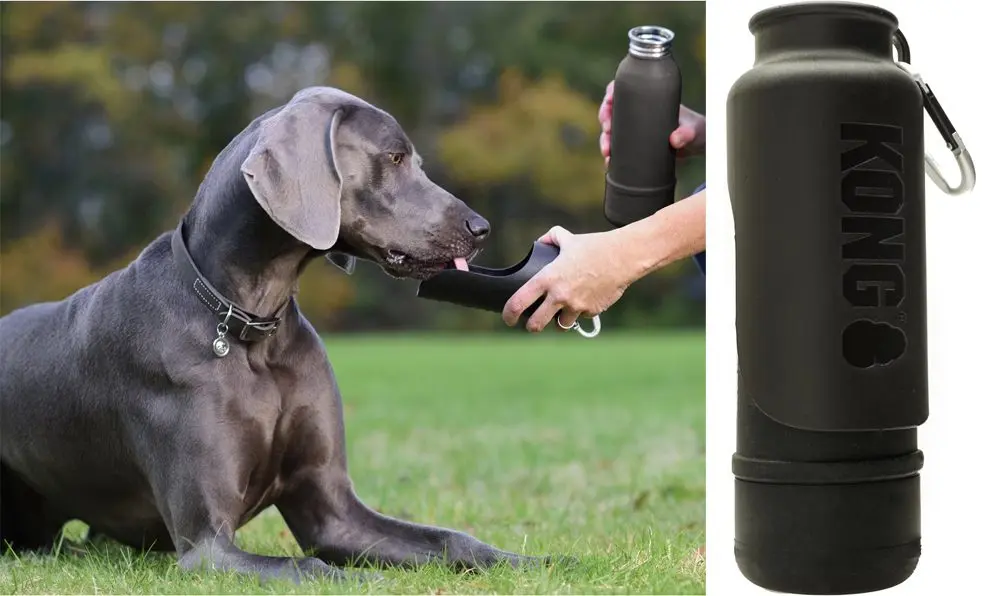
- KONG H2O K9 UNIT Insulated Stainless Steel Dog Water Bottle ($24.99)
- Overview: Built with legendary KONG durability, this insulated 25-ounce bottle features a twist-off cap that doubles as a natural-drinking travel bowl, keeping water ice-cold for hours.
- Springland Travel Dog Bottle ($18.99)
- Overview: Utilizes an ingenious squeeze-to-drink mechanism where excess water drains safely back into the BPA-free reservoir, eliminating waste and spills.
- Vila Portable Water Bottle ($14.99)
- Overview: A slim, lightweight travel dispenser combining a leak-resistant bottle and drinking cup with a return-flow function to ensure no unused water goes to waste.
Conclusion
Summer should remain a season of joyful exploration, shared adventures, and deep bonding between humans and their animal companions. By understanding the physiological realities of canine hydration, monitoring vital health indicators like gum moisture and skin elasticity, and utilizing expert-backed strategies and gear, pet owners can effectively safeguard their animals against the invisible dangers of heat stress. Remember: while your dog brings the enthusiasm to every summer adventure, maintaining optimal hydration is your ultimate responsibility.
Expert Source: Dr. Sarah Manning, DVM, Clinical Assistant Professor, Texas A&M College of Veterinary Medicine and Biomedical Sciences. Disclaimer: This article is for informational purposes only and does not substitute for professional veterinary medical advice, diagnosis, or treatment. If your pet exhibits signs of severe dehydration or heatstroke, contact a veterinarian or emergency veterinary hospital immediately.