
Executive Overview
In the bustling world of animal rescue, the heavy lifting is often measured in sleepless nights, medical logistics, and the relentless coordination required to save vulnerable lives. At Muddy Paws Rescue, a prominent organization dedicated to transforming the landscape of dog rescue and adoption, victory is achieved one paw at a time. Yet, every once in a while, a volunteer emerges whose impact transcends standard metrics, injecting a profound sense of inspiration, joy, and raw efficacy into the community.
Meet Skylar: a nine-year-old fostering superstar whose energy, compassion, and innate understanding of canine behavior are making waves far beyond her years. Working alongside her mother, Skylar has become an indispensable asset to Muddy Paws Rescue. Whether she is patiently teaching a timid, newly rescued pup the basics of household socialization, remembering the intricate histories and names of every single foster dog that has passed through her home, or serving as an enthusiastic ambassador at adoption events, Skylar approaches her responsibilities with the professionalism of a veteran rescuer and the unbridled heart of a child.
This comprehensive report examines Skylar’s journey within the animal welfare ecosystem, exploring the operational mechanics of youth-led fostering, the broader psychological benefits of involving children in rescue work, and the structural ways in which organizations like Muddy Paws Rescue are cultivating the next generation of animal advocates. Through an exclusive interview and deep contextual analysis, we explore how one nine-year-old is proving that age is no barrier to creating profound, life-saving change.
Detailed Chronology: The Journey of a Young Rescue Advocate
Every journey in the animal rescue sector has a genesis—a singular moment that shifts a passive observer into an active participant. For Skylar, that transformative turning point arrived with the arrival of a special canine pioneer named Uno.
The Catalyst: Meeting Uno
In the ecosystem of foster care, the first placement holds a unique psychological weight. For Skylar and her mother, that inaugural experience came in the form of a dog whose very name signaled a new chapter.
"We started helping Muddy Paws Rescue by fostering," Skylar recalls, reflecting on her early days in the program. "Our first foster was Uno. Her name was so special because uno means number one in Spanish. If it weren’t for Uno, we wouldn’t have all the amazing fosters after her. This is only the beginning."
Uno served as a living masterclass in resilience and trust. By watching how a frightened or displaced animal could decompress, heal, and ultimately blossom into a confident companion ready for a forever home, Skylar grasped the fundamental value of the foster system. Rather than viewing the temporary nature of fostering as a heartbreak, she learned to view it as a mission—a sequence of stepping stones where every successful placement paves the way for the next life saved.
From Observer to Expert: Expanding the Scope of Care
Following her introduction to rescue work via Uno, Skylar rapidly evolved from an enthusiastic helper to an active co-manager of her household’s foster operations. Her days are structured around the demanding needs of rehabilitating dogs.
A typical day in Skylar’s household is a masterclass in canine time-management and routine:
- Morning Routine: The day begins early with a structured outdoor excursion. Skylar and her mother take their current foster dog out for a dedicated potty break, followed by a walk or a light jog around the neighborhood park to burn off morning energy.
- Breakfast & Transition: Upon returning home, the foster dog is fed, receiving positive reinforcement for calm behavior, before Skylar transitions into her student role for the school day.
- After-School Engagement: The moment the school day concludes, Skylar resumes her duties as a caregiver. This afternoon block features another potty break, high-energy sessions of fetch in the yard, and neighborhood walks designed to expose the foster dog to various environmental stimuli, building their confidence in the outside world.
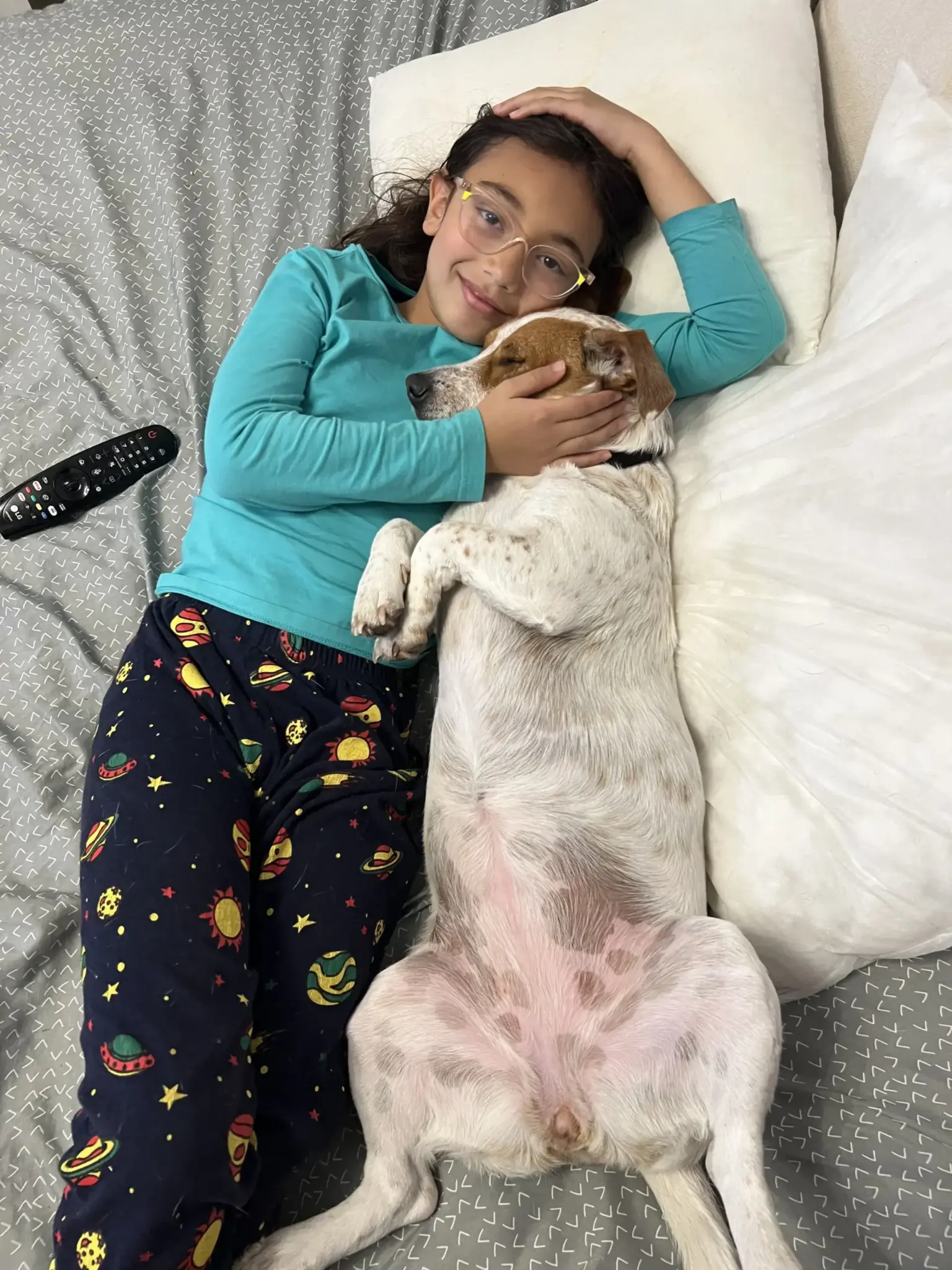
- Evening Wind-Down: Evenings consist of a family-style dinner, quiet indoor decompression, and extended cuddling sessions on the couch until bedtime.
This rigorous adherence to a predictable daily schedule is not accidental; it is a sophisticated behavioral intervention strategy that Skylar has intuitively mastered. By providing traumatized or shelter-shocked dogs with consistency, she helps regulate their nervous systems, accelerating their journey toward adoptability.
Supporting Context & Metrics: The Mechanics of Youth Fostering
To truly appreciate Skylar’s contributions, one must examine the broader context of animal rescue logistics, particularly the acute challenges faced by urban rescue organizations like Muddy Paws Rescue.
The Urban Foster Crisis
Rescue organizations operating in major metropolitan areas face perpetual capacity constraints. Shelters are routinely overcrowded, and physical brick-and-mortar spaces are rarely sufficient to house every animal in need. This is where foster networks become the lifeblood of modern animal welfare. Foster homes provide:
- Decompression Space: A quiet environment away from the high-stress, loud atmosphere of traditional shelters.
- Behavioral Assessment: Invaluable data on how a dog behaves in a home environment—whether they are house-trained, how they react to cats or children, and how they handle being left alone.
- Socialization: Direct exposure to human interaction, household noises, and societal norms that prepare the dog for a successful transition to a permanent adoptive home.
The Unique Value Proposition of Youth Involvement
While adult foster parents provide the necessary legal and financial framework, the integration of children into the fostering process—when done safely and under parental supervision—yields distinct psychological and operational advantages for the animals.
1. Specialized Socialization:
Many rescue dogs arrive with histories of neglect or abuse, sometimes exhibiting fear toward specific demographics of humans. Introducing a gentle, respectful child into their rehabilitation circle helps reframe the dog’s perception of smaller humans. Skylar’s approach—emphasizing space, treats, and patience—demonstrates a level of emotional intelligence that many adults struggle to master.
"Give them space, have treats around, and let them come to you when they are ready so they don’t feel like you’re hovering over them," Skylar advises when asked how to handle nervous or shy dogs. This self-regulation prevents accidental overstimulation, a common pitfall in human-canine interactions.
2. Bridging the Empathy Gap:
Children possess a natural, unpretentious affinity for animals. As Skylar eloquently notes, "Dogs are like kids. They are playful and want love and attention, so who’s better than us kids to understand them? Also, they remind us not to take life so seriously, to be silly, and to laugh through things." This mutual resonance allows children to connect with animals on a visceral, non-judgmental level, often breaking through walls that adult handlers cannot breach.
3. Cultivating Lifelong Philanthropy:
Statistically, individuals who engage in community service, rescue work, or animal advocacy at a young age are exponentially more likely to maintain philanthropic habits throughout their adult lives. Skylar represents a vital investment in the future of humane education and animal rights advocacy.
Official Statements & Insights: In Her Own Words
To capture the depth of Skylar’s perspective, we highlight her reflections on canine personalities, her favorite rescue memories, and her ultimate vision for the animals she serves.
On Canine Diversity and Personality
When asked what she loves most about dogs, Skylar’s face lights up as she describes the rich tapestry of canine individuality.
"What I love most about dogs is their different personalities; they are the best cuddlers, and they make me so happy. They are small, big, fluffy, playful… I love everything about them."
This appreciation for diversity extends to her evaluation of her foster charges. While she notes that every dog she has cared for holds a special place in her heart, one particular canine left an indelible mark on her memory.
The Legend of Cindy Lou Who
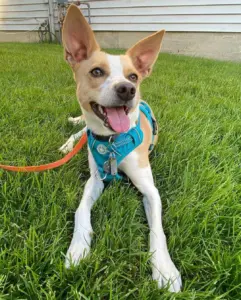
Among her roster of fosters, a standout favorite is a dog whose name evokes seasonal cheer and undeniable charm: Cindy Lou Who.
"It’s hard because all of my fosters have been great. But if I were to pick, it would be Cindy Lou Who. Her name is so cool and is from my favorite holiday movie, The Grinch. She had these tiny little legs that were so cute. She was calm, loved to cuddle with me, and every time I looked at her, she gave me the cutest, biggest smile."
The psychological impact of such bonds is profound. For a foster child-volunteer, experiencing the joy of a dog’s smile reinforces the efficacy of their labor, transforming the hard work of rescue into a deeply rewarding emotional exchange.
Overcoming the Fear of Fostering
Many potential volunteers hesitate to enter the fostering pipeline out of a fear of emotional attachment—specifically, the dread of handing the dog over to an adopter. Skylar offers pragmatic, wise-beyond-her-years advice for anyone intimidated by the process:
"Take a deep breath, everything will be fine. Take it one day at a time, enjoy getting to know your dog, and routine is key! Give them space, a comfy bed, food, and water, and they will come to you when they feel safe. Be ready for all the love that will come your way."
Her philosophy strips away the anxiety of the unknown, reframing fostering not as a series of permanent goodbyes, but as a continuous cycle of love and impact.
A Magical Wish
When posed with a hypothetical question regarding a magical wish for all the dogs she helps, Skylar’s response underscores the core mission of Muddy Paws Rescue:
"My only wish would be for all the dogs to have a safe and loving home that respects and cares for them every day. I just want the best for them. They deserve it."
Future Outlook: The Next Generation of Animal Welfare Leadership
As Muddy Paws Rescue continues to expand its reach, saving countless dogs from high-risk situations and placing them into loving environments, the organization’s success relies heavily on community engagement and the cultivation of passionate advocates like Skylar.
The narrative surrounding animal rescue is frequently dominated by tales of heartbreak, systemic overpopulation, and resource scarcity. However, stories like Skylar’s inject a vital dose of hope and momentum into the sector. They remind us that systemic change is not solely driven by large institutions or financial capital, but by individual acts of empathy, replicated across kitchens, living rooms, and neighborhood parks.
Scaling Youth Involvement in Rescue
Looking forward, animal welfare organizations are increasingly exploring structured ways to incorporate youth education into their core operational models. Programs that teach children safe animal handling, the fundamentals of positive reinforcement, and the importance of rescue advocacy are becoming recognized as essential components of humane education.
By empowering children to take active roles—whether through reading to shelter dogs, assisting families with foster socialization, or participating in community outreach—rescues are building a more compassionate society from the ground up.
Conclusion: A Legacy in Progress
At just nine years old, Skylar has already cemented her legacy as a pillar of the Muddy Paws Rescue community. Her journey from welcoming her first foster dog, Uno, to championing the quirky charm of Cindy Lou Who, serves as a masterclass in empathy, resilience, and dedicated service.
As she continues to walk her foster dogs through the park, teach nervous pups how to trust, and greet potential adopters with a bright smile at rescue events, Skylar stands as a shining example of what is possible when young minds are encouraged to channel their compassion into action. She is not merely helping dogs find their forever homes; she is actively shaping the future of animal welfare, proving definitively that no matter your age, you possess the power to change a life.