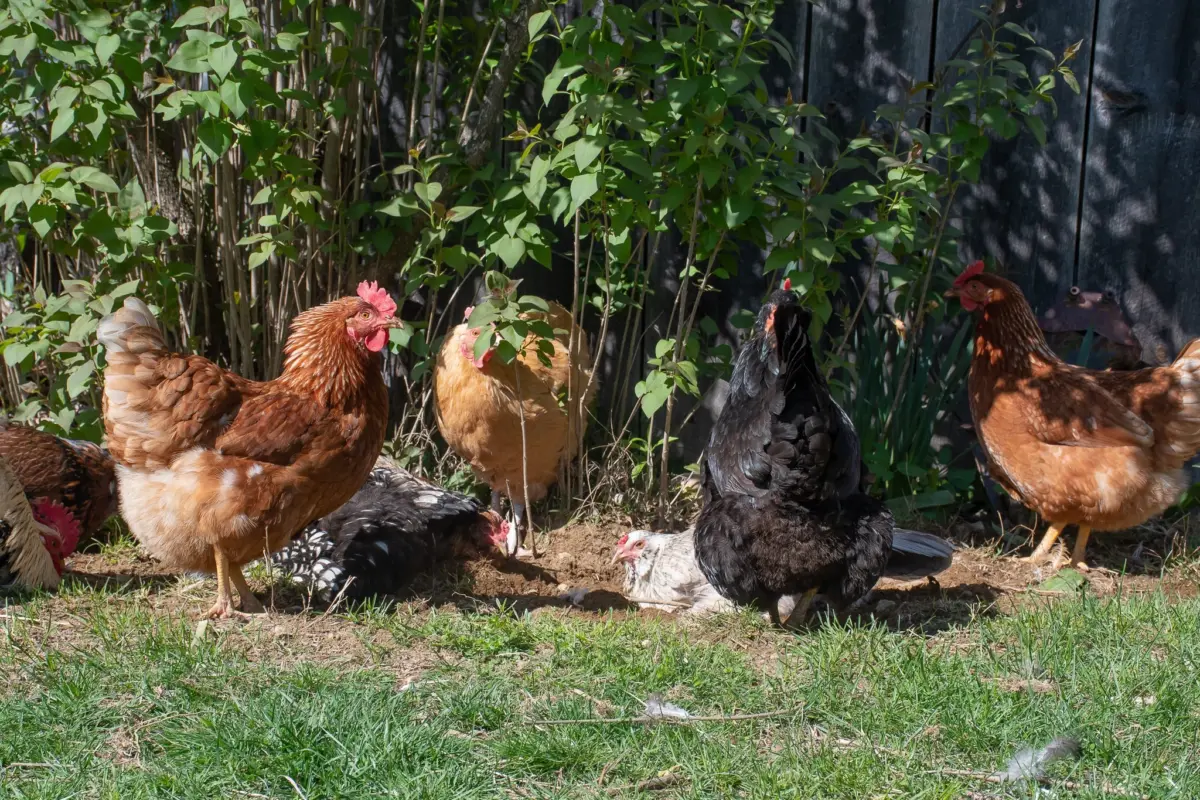

Raising backyard chickens has rapidly transformed from a niche agrarian hobby into a mainstream suburban movement. Fueled by rising commercial egg prices, a collective desire for food self-sufficiency, and the unique engagement backyard poultry offers families, millions of households are welcoming laying hens onto their properties. However, transitioning from a grocery store consumer to a livestock owner involves a steep learning curve. Far from being maintenance-free pets, backyard chickens require careful budgeting, strict biosecurity measures, robust predator protection, and continuous physical labor.
This comprehensive guide serves as an authoritative roadmap for absolute beginners. Drawing on expert insights from renowned poultry authors, experienced homesteaders, and specialized avian veterinarians, we examine everything from selecting optimal breeds and constructing secure coops to managing chick brooders, daily nutrition, and veterinary care. Whether your goal is a steady supply of fresh morning eggs or an educational project for your children, understanding the realities of chicken husbandry ensures a successful, rewarding journey into poultry keeping.
Detailed Chronology: From Brooder Box to Egg Production
Embarking on a backyard flock requires a structured timeline, starting long before the first egg is collected. Understanding the developmental milestones of your birds is critical for their survival and health.
Weeks 1 through 8: The Brooder Phase
Newborn chicks cannot regulate their own body temperature, nor do they possess the protective feathers required to withstand outdoor environments. Consequently, they must spend their first four to eight weeks indoors or in a secure garage within a "brooder box."
- The Setup: A simple 74-quart clear plastic storage bin (such as an Iris Weathertight Tote) modified with a secure, wire-mesh-covered lid provides ideal ventilation and security from curious household pets.
- Bedding & Heat: The floor must be lined with soft, absorbent bedding—such as clean pine shavings—to prevent slipping and joint injuries. A reliable heat source, such as a radiant plate brooder (e.g., the Brinsea EcoGlow), must be adjusted upward weekly as the chicks grow and sprout feathers.
- Socialization: During the final weeks of this phase, short, supervised outdoor excursions help acclimate the growing pullets to natural sunlight, fresh air, and grass.
Weeks 9 through 16: The Coop Transition
Once fully feathered, the young birds—technically known as pullets—are ready to graduate from their indoor brooder to a permanent outdoor chicken coop and run. This phase tests your infrastructure’s durability. The birds will spend their time exploring pecking orders, adjusting to nighttime roosting bars, and experiencing natural weather cycles. Providing a secure, predator-proof environment during this transitional period is vital, as young birds are often more vulnerable to opportunistic local wildlife.
Month 5 and Beyond: The Onset of Laying
Around the 20-week mark (roughly 5 months of age, depending on the breed and season), your pullets will begin laying their first eggs. This milestone marks the shift from intensive care to routine flock management. Daily collection, consistent feeding routines, weekly nesting box cleanings, and regular health checks become the standard rhythm of poultry ownership.
Supporting Context & Metrics: Economics, Space, and Biosecurity
While a single chick typically costs under $10 to purchase, the total cost of ownership extends far beyond the initial livestock investment. Setting a realistic budget requires examining equipment, feed, and housing metrics.
Financial and Spatial Realities
- Coop Costs & Housing: Prefabricated coops range widely in price. Entry-level, high-quality starter coops generally start around $500 to $600, while high-end plastic or custom-built models can cost anywhere from $1,000 to over $5,000.
- Space Requirements: Industry standards and expert recommendations diverge on spatial needs. While manufacturers often claim a small coop can hold 8 to 10 chickens, avian experts like Gail Damerow recommend allowing roughly 4 square feet of interior coop space per bird (excluding the outdoor run). A conservative estimate for a standard starter coop is a maximum of four to six birds to prevent overcrowding, stress, and behavioral issues like feather pecking.
- Feed Consumption: An adult laying hen consumes approximately 2 pounds of feed per week. Factoring in 50-pound feed bags, grit, and calcium supplements, ongoing monthly maintenance must be calculated into your household budget.
Public Health and Biosecurity Metrics
Backyard poultry ownership introduces specific biological risks that require rigorous hygiene protocols.
- Salmonella Risks: Chickens frequently carry Salmonella bacteria asymptomatically. While unaffected themselves, the pathogen poses severe health risks to humans—particularly children under the age of five, who are prone to hand-to-mouth contact.
- Sanitation Protocols: Experts strongly mandate that handlers wash their hands thoroughly with soap and water for at least 20 seconds after handling chickens, equipment, or eggs. Furthermore, veterinarians emphasize that chickens should never be kept inside residential living quarters.
Official Statements & Expert Guidance
To establish an authoritative framework for this guide, we consulted leading veterinarians, seasoned agricultural extension experts, and prominent poultry authors. Their consensus underscores the necessity of professional-grade care and realistic expectations.
Dr. Michelle Hawkins, a veterinarian and professor at the University of California, Davis School of Veterinary Medicine, stresses the importance of disease prevention and proper handling. “Most of the time, salmonella does not affect the chicken; it’s going to affect your little children,” Hawkins warns, strongly discouraging children under five from handling birds. She also emphasizes sourcing vaccinated chicks: “It is vital to make sure that any store you buy chicks from vaccinates them against Marek’s disease [an incurable herpes virus] before they’re a day old.”
Regarding flock nutrition, Dr. Maurice Pitesky, also a veterinarian and professor at UC Davis, cautions against amateur dietary experiments. “It’s so hard to make a well-balanced poultry diet,” Pitesky notes, advising owners to rely on scientifically formulated commercial feeds from established brands rather than complex, unverified homemade mixtures to ensure proper eggshell quality and overall health.
Author Gail Damerow, whose text Storey’s Guide to Raising Chickens is considered the definitive manual for hobbyists, highlights the psychological and environmental benefits of the hobby alongside its stark realities. “A lot of folks are discovering that just chilling out with the flock is an awesome stress reliever,” Damerow observes. However, she issues a stark warning regarding predators: “Everything under the sun likes chicken as much as we humans do.” Securing every potential gap with steel hardware cloth is non-negotiable.
Future Outlook: Trends in Urban Agriculture and Flock Management
The landscape of backyard chicken keeping continues to evolve in response to economic pressures, environmental awareness, and municipal policy shifts.
The Rise of Fall Chick Acquisitions
Traditionally, hatcheries experience an overwhelming surge in spring preorders as families rush to establish flocks. However, industry trends indicate a growing shift toward acquiring pullets between August and October. Purchasing birds in late summer allows them to mature and acclimate to coops during mild weather, entering their peak egg-laying phase just as spring weather returns the following year. This timeline is not only gentler on the developing hen’s physiology but also helps buyers bypass the intense spring supply shortages and inflated pre-order queues.
Municipal Policy and Sustainability
Urban and suburban zoning laws are increasingly accommodating backyard flocks as municipalities recognize their role in local sustainability initiatives. Forward-thinking cities now offer composting incentives and food-waste reduction programs tied directly to backyard poultry keeping.
Longevity and Flock Renewal
A frequently overlooked reality of chicken ownership is avian lifespan. While peak egg production generally tapers off after a few years, well-cared-for hens can live for a decade. As the initial flock ages into retirement, modern poultry keepers are increasingly adopting rotational flock management—introducing a small batch of new chicks every two to three years—to maintain a steady supply of fresh eggs while allowing older, non-laying hens to live out their natural lives as peaceful garden companions.