
For pet parents who travel frequently, keeping canine gear organized, accessible, and secure is an ongoing logistical challenge. From waste bags and grooming supplies to medications, first-aid kits, and extra treats, the paraphernalia required for a well-adjusted dog on the road can easily rival the luggage needs of a human traveling companion. For years, pet owners searching for the ideal gear-management solution have been forced to improvise, often relying on repurposed diaper bags, generic utility totes, or standard luggage items that fail to address the unique demands of life with a dog.
Recently, a notable contender emerged in the travel gear market: the Acorn Everyday Tote by San Francisco-based outdoor brand Alite. Lauded by pet travel experts for its thoughtful design, structural integrity, and clever compartmentalization, the Acorn Everyday Tote checked every box for the ultimate canine travel bag. It featured a secure top zipper, an abundance of exterior pockets, a high-visibility interior lining, and a durable yet packable form factor.
However, this discovery comes with a troubling caveat familiar to dedicated pet travelers: the bag appears to be facing imminent discontinuation. As outdoor brands constantly pivot their product lines to match shifting consumer trends, specialized gear that serves niche markets—such as adventure-loving dog owners—frequently falls by the wayside. This report examines the quest for the ultimate dog travel tote, the critical design features required for canine gear management, the rise and potential fall of the Alite Acorn Everyday Tote, and the broader implications for consumers searching for reliable pet travel equipment in an ever-changing retail landscape.
Detailed Chronology: The Evolution of Canine Gear Organization
The journey toward finding the perfect dog travel tote is rarely straightforward. To understand the significance of the Alite Acorn Everyday Tote, one must examine the history of pet gear storage solutions over the past decade.
Early Iterations and the L.L. Bean Era
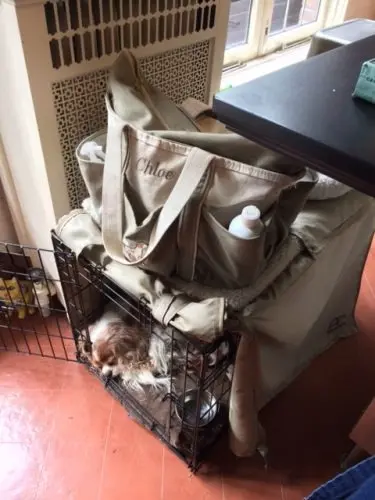
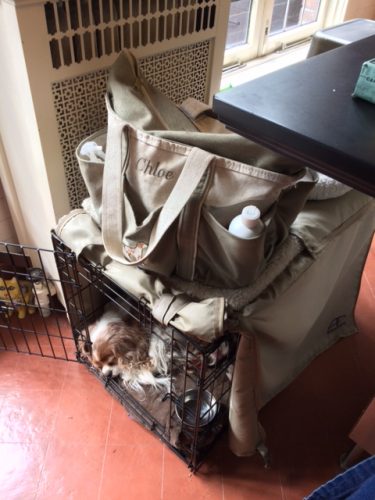
In the late 2000s, pet travel bloggers and frequent flyers largely relied on rugged, heavy-duty canvas bags to manage their pets’ supplies. A prominent example from this era involved the adoption of dual L.L. Bean totes—one designated for home organization and another reserved for the road. The home tote, often personalized with the dog’s name and an embroidered breed silhouette (such as a Brittany Spaniel), served as a stationary command center sitting neatly beneath the canine’s indoor crate.
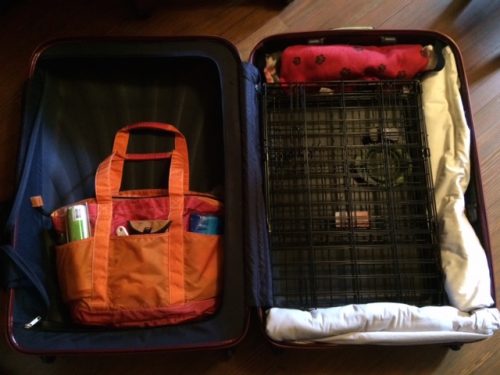
The travel iteration, styled in vibrant orange and yellow nylon, was engineered to accompany pets and their owners on cross-country road trips and airline journeys, packed efficiently inside larger suitcases (colloquially dubbed "Big Red"). Unfortunately, the durability of these classic bags was overshadowed by the volatility of manufacturing lifecycles. Within a few years, both specific models—the customized home tote design and the peppy nylon travel variant—were quietly discontinued by the manufacturer.
The Diaper Bag Alternative
Following the disappearance of dedicated pet-oriented canvas and nylon totes, savvy pet owners were forced to look outside the traditional retail categories. A popular substitute emerged in the realm of infant care: baby diaper bags.
While initially unconventional, diaper bags shared several critical structural characteristics with what pet parents actually needed. They boasted waterproof or easily wipeable interiors, numerous exterior compartments for bottles and wipes, and relatively sturdy structures. Yet, diaper bags were rarely designed with the specific safety hazards of pet gear in mind—such as preventing a curious dog from chewing through toxic topical flea-and-tick medications or tearing open heavy-duty treat pouches.
The Discovery of the Alite Acorn Everyday Tote
The search for a dedicated, purpose-built solution reached a turning point with the discovery of the Acorn Everyday Tote by Alite. Crafted by a company known for its clever, lightweight outdoor and camping gear, this tote seemed to solve every persistent issue plaguing pet owners.
- Initial Sourcing: The bag was initially identified as an exceptional piece of travel gear, though early reconnaissance indicated dwindling availability in mainstream online retail channels.
- Inventory Anomalies: While the brand’s primary e-commerce catalogue omitted the item—a classic indicator of product retirement—physical retail investigations revealed a different story. Alite’s flagship bricks-and-mortar storefront in San Francisco’s vibrant Mission District maintained a healthy back-stock reserve of the totes in various colorways.
- Secondary Marketplace Availability: Simultaneously, select online platforms like Amazon continued to list remaining inventory, offering steep discounts on specific color variants (such as the blue model) while keeping others at full retail price.
Supporting Context & Metrics: What Makes a Superior Dog Travel Tote?
For the uninitiated, any standard canvas shopping bag might seem adequate for carrying a few toys and a bag of kibble. However, experienced handlers understand that canine travel requires specialized organization. A truly effective dog travel tote must satisfy several strict criteria regarding safety, accessibility, and durability.
1. The Crucial Importance of a Top Zipper
The single most critical feature missing from standard multi-pocket totes is a reliable, full-length top zipper. Casual observers might view a zipper as a mere convenience, but for pet owners, it is a non-negotiable safety mechanism.
- Preventing Accidental Ingestion: Dogs are naturally curious creatures driven by scent. An open-topped bag left on a hotel room floor or the foot of a bed is an open invitation for a canine to nose around items that pose severe health risks. Common travel bag contents—such as Frontline Plus, topical medications, veterinary prescriptions, and bulk packages of high-value treats—can be disastrous if accessed unsupervised.
- Containment During Transit: Whether packed tightly inside a larger suitcase or tossed haphazardly into the trunk of a vehicle during a road trip, a zippered tote ensures that contents remain securely inside. Without a top closure, sudden stops or shifting luggage will scatter grooming brushes, collapsible bowls, and waste bags across your vehicle.
- Structural Integrity: A heavy-duty zipper provides structural framing to the top of a loaded soft-sided bag, preventing it from sagging and allowing owners to pack it to maximum capacity without losing its shape.
2. Strategic Exterior Pockets
While the interior of the bag handles bulk items like food, harnesses, and blankets, exterior pockets are essential for items that require immediate access or need to be isolated from clean gear.
- Quarantine for Messy Items: Bottles of liquid dog shampoo, enzymatic carpet cleaners for hotel room accidents, and damp grooming towels should never share a compartment with clean blankets or food. Exterior pockets allow these potentially messy items to be stowed safely outside the main cavity.
- Rapid Deployment: When cleaning up a sudden mess or grabbing a roll of waste bags during a roadside stop, seconds matter. Exterior pockets keep high-frequency items close at hand.
3. Advanced Design Elements Found in Premium Totes
Beyond zippers and pockets, the Alite Acorn Everyday Tote incorporated several advanced design considerations that elevated it above standard utility bags:
- High-Visibility Interior Linings: Many traditional bags feature dark interior fabrics, making it nearly impossible to locate small items like clickers, nail clippers, or loose medications in low-light hotel rooms. A contrasting, bright interior lining instantly illuminates the contents.
- External Attachment Points: Integrated loops and webbing allow owners to clip accessories—such as portable water bowls, waste bag dispensers, or travel mugs—directly to the exterior using carabiners, freeing up valuable internal volume.
- Packable Dimensions: The ideal travel tote must strike a delicate balance: large enough to hold a week’s worth of gear for a medium-sized dog, yet compact enough to slide effortlessly under an airline seat or fit inside a larger trunk suitcase.
Official Statements and Industry Insights
The fragility of specialized pet gear availability highlights a broader trend within the consumer goods and outdoor recreation industries. Manufacturers frequently evaluate product lines based on mass-market profitability, often phasing out niche items that appeal to sub-communities like pet travelers.
While corporate representatives from Alite have not issued formal public statements regarding the specific retirement of the Acorn Everyday Tote, retail trends within their San Francisco headquarters suggest a quiet phase-out. Retail staff at the physical storefront confirmed the presence of "a lot" of back-stock inventory, indicating that while production has likely ceased, existing warehouses still hold residual units.
Consumer advocates and pet travel journalists emphasize the importance of transparency in these evaluations. Industry watchdogs note that unbiased reviews—such as purchasing gear at full retail price rather than accepting complimentary promotional samples—remain paramount in maintaining consumer trust. When a reviewer invests their own capital into a product like the Acorn Everyday Tote, their endorsement carries distinct authority, underscoring the genuine utility of the item rather than a contractual obligation to a brand sponsor.
Future Outlook: The Ongoing Search for Pet Gear Solutions
The impending disappearance of the Alite Acorn Everyday Tote leaves consumers facing a familiar dilemma: where do pet owners turn when the best tools on the market are discontinued?
The Lifecycle of Niche Travel Gear
The pattern observed with L.L. Bean totes a decade ago, and now repeating with Alite, suggests that the pet travel market remains underserved by mainstream luggage manufacturers. While pet ownership rates continue to soar globally, the segment of travelers who embark on extended road trips, hotel stays, and flights with their dogs remains a distinct minority compared to everyday commuters or traditional vacationers. Consequently, manufacturers of general outdoor gear often treat pet-compatible items as experimental or limited-run products.
Recommendations for Future-Proofing Canine Travel
For pet owners currently struggling to organize their travel gear, several strategies can mitigate the frustration of discontinued products:
- Stockpile When Discovered: If a consumer finds a product that perfectly meets their needs—such as locating remaining inventory of the Acorn Everyday Tote via Amazon or regional brick-and-mortar clearance bins—purchasing a backup unit is a prudent long-term strategy.
- Look Beyond Pet-Specific Brands: As historical trends indicate, specialized outdoor lifestyle brands, tactical gear manufacturers, and even infant care suppliers often produce utility totes that outperform generic pet products in durability and pocket architecture.
- Prioritize Modular Packing: Utilizing smaller packing cubes and zippered pouches inside a larger, durable duffel bag can often replicate the compartmentalization benefits of a multi-pocket tote, ensuring that even if a favorite bag is discontinued, the organizational system remains intact.
Ultimately, until major luggage and outdoor brands recognize the permanent, growing demand for specialized canine travel accessories, consumers will need to remain vigilant, resourceful, and quick to snap up exceptional gear like the Acorn Everyday Tote before it vanishes from shelves entirely.