For millennia, Felis catus has shared human dwellings, transitioning from revered temple guardians in ancient Egypt to ubiquitous modern companions. Yet, despite centuries of domestication, the contemporary cat remains a marvel of biological diversity. Spanning an astonishing array of shapes, temperaments, coat lengths, and energy profiles, domestic cats offer prospective pet owners a dizzying array of choices. When introducing a feline companion into a household, selecting the correct breed is not merely a matter of aesthetic preference; it is a long-term commitment to compatibility that impacts the physical, emotional, and social well-being of both human and animal.
This comprehensive guide examines the fifteen most common cat breeds globally. By exploring their historical origins, distinct physiological characteristics, behavioral tendencies, and specific healthcare requirements, this report provides prospective owners with an authoritative framework for making an informed adoption decision. Furthermore, this analysis evaluates vital considerations—including lifestyle alignment, veterinary predispositions, and grooming demands—to ensure a harmonious integration into family life.
Detailed Chronology and Historical Development of Domestic Cat Breeds
The timeline of feline domestication and breed development spans from prehistoric agricultural settlements to formal, meticulously managed 19th- and 20th-century breeding programs.
Circa 7500 BCE – The Dawn of Coexistence: Archaeological discoveries in the Near East and Mediterranean indicate that wild cats (Felis lybica) gravitated toward early agricultural grain stores, initiating a mutualistic relationship with human societies.
Ancient Egypt to Medieval Era: Cats attained sacred status in Egypt, eventually spreading along trade routes throughout Europe, Asia, and Africa. During this period, natural selection favored cats with superior rodent-hunting capabilities rather than specific aesthetic traits.
The Late 19th Century – The Birth of Cat Fancy: Organized cat breeding and exhibitions emerged in Victorian England. The inaugural official cat show, held at the Crystal Palace in London in 1871, standardized breeds such as the Persian and established formal registries.
Mid-to-Late 20th Century – The Rise of North American and Hybrid Breeds: Feline registries, most notably the Cat Fanciers’ Association (CFA) and The International Cat Association (TICA), officially recognized indigenous and experimental breeds. The Maine Coon achieved purebred recognition in the late 1970s, while experimental programs successfully merged domestic cats with wild species, giving rise to breeds like the Bengal.
Contemporary Era – Health and Genetic Management: Modern breeding increasingly emphasizes genetic diversity, temperamental stability, and the mitigation of hereditary disorders linked to extreme physical traits, such as brachycephaly and osteochondrodysplasia.
The 15 Most Common Cat Breeds
1. Maine Coon
Hailing from the rugged landscapes of New England, the Maine Coon is officially recognized as the state cat of Maine. Characterized by its massive frame, substantial bone structure, and heavy, water-resistant double coat, the Maine Coon is a true gentle giant. Historically celebrated for their exceptional mousing skills on merchant ships and farms, these cats possess physical adaptations such as polydactylism (extra toes), which historically functioned as natural snowshoes in deep winter terrain. Classic specimens feature a brown tabby coat, though a wide spectrum of colors is accepted. They are profoundly family-oriented, exhibiting high intelligence, social adaptability, and a friendly disposition toward children and other household pets.
2. Bengal
The Bengal is a striking hybrid breed resulting from the crossbreeding of the domestic cat with the Asian leopard cat (Prionailurus bengalensis). Despite their untamed, jungle-cat aesthetic—highlighted by high-contrast spots, rosettes, and a shimmering "glitter" coat—modern Bengals are fully domesticated. However, they retain high energy levels, intense curiosity, and exceptional vocalization. Requiring rigorous physical and mental stimulation, Bengals thrive in active households where their athletic prowess and need for engagement can be fully satisfied.
3. Siamese
Originating in the ancient kingdom of Siam (modern-day Thailand), the Siamese cat serves as a foundational pillar for numerous modern breeds, including the Oriental Shorthair, Sphynx, and Himalayan. Distinguished by their striking "pointed" coloration—where darker pigment is restricted to the cooler extremities of the face, ears, legs, and tail—Siamese cats exhibit bright blue eyes and sleek, muscular bodies. Renowned for their extraordinary intelligence and vocal dexterity, they form intense bonds with their human companions and demand regular social interaction to prevent behavioral distress.
4. Persian
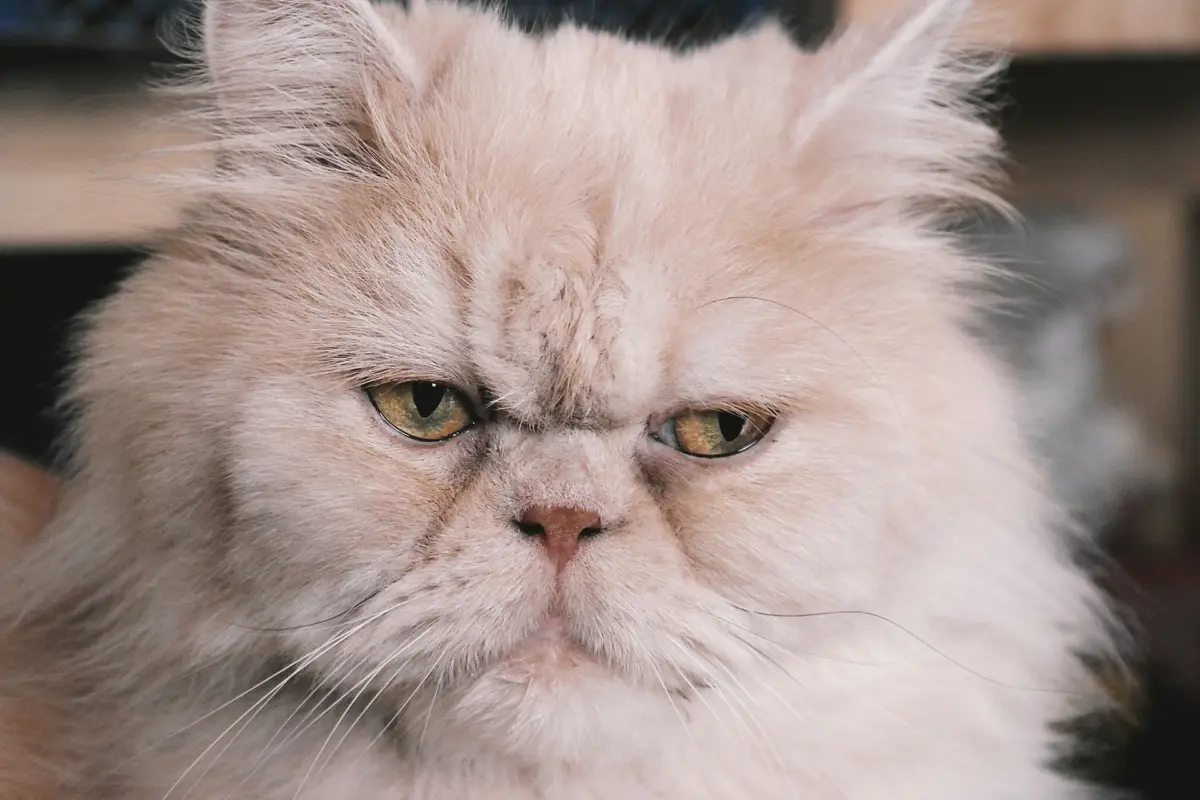
Often referred to historically as the Iranian or Shiraz cat, the Persian is instantly recognizable by its opulent, long-haired coat and brachycephalic ("smushed-face") profile. Boasting an exceptionally docile and placid temperament, Persians prefer tranquil indoor environments. While they make exemplary lap cats, their luxurious coats demand daily, rigorous grooming to prevent severe matting, and their anatomical structure requires attentive veterinary oversight concerning respiratory, renal, and cardiac health.
5. Ragdoll
Named for their unique tendency to go completely limp and relaxed when picked up, Ragdolls are large, semi-longhaired cats bearing visual similarities to pointed longhairs, complemented by brilliant blue eyes. Possessing a distinctly dog-like devotion, Ragdolls enthusiastically greet their owners at the door and follow them from room to room. Their gentle, unflappable temperament makes them exceptionally well-suited for families seeking an affectionate, low-stress companion.
6. British Shorthair
A quintessential British heritage breed, the British Shorthair is celebrated for its robust, cobbby physique, dense plush coat, and copper-to-gold eyes. Unlike high-energy active breeds, the British Shorthair exhibits a moderate activity level and a remarkably easy-going demeanor. They are exceptionally tolerant of children and other pets, adapting seamlessly to diverse living spaces, from sprawling suburban homes to compact urban apartments, while expressing affection through quiet presence rather than demanding vocalizations.
7. Abyssinian
Tracing its ancestry to regions surrounding the Indian Ocean and Ethiopia (formerly Abyssinia), the Abyssinian possesses a distinctive ruddy agouti ticked coat, where individual hairs feature bands of alternating color. Physically athletic, with large ears, wedge-shaped heads, and slender musculature, Abyssinians are tireless explorers. Their highly inquisitive, playful, and dog-like personalities make them ideal companions for dynamic households where they can actively investigate their environment.
8. Russian Blue
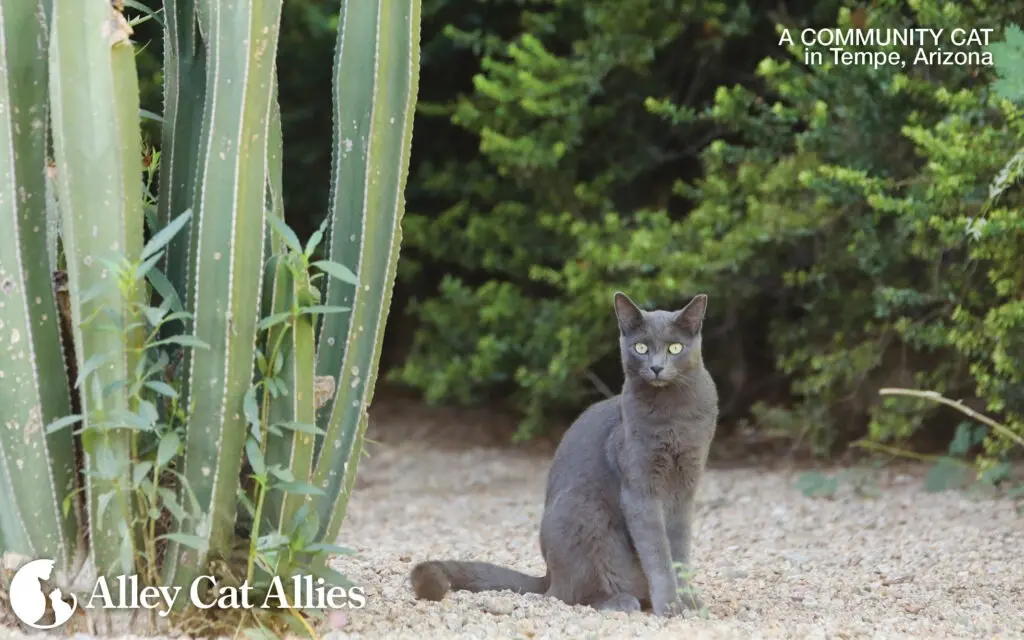
The Russian Blue is distinguished by its plush, dense double coat featuring a brilliant silver-tipped blue sheen and piercing emerald-green eyes. Intelligent and fiercely loyal to their immediate family, Russian Blues possess a sensitive and somewhat reserved nature. They generally prefer calm, stable environments, often retreating to secure vantage points when confronted with chaotic, high-energy environments or unfamiliar visitors.
9. American Shorthair
Anchored deeply in North American history, the American Shorthair descends from working cats brought over by European settlers on the Mayflower to protect cargo and provisions from rodents. Officially recognized in 1966, this breed is characterized by a muscular build, a placid and adaptable temperament, and a low-maintenance coat. They form strong, egalitarian bonds with all members of the household, serving as reliable, affectionate, and hardy family companions.
10. Oriental Shorthair
As a close relative within the broader Siamese lineage, the Oriental Shorthair shares the sleek, tubular body style and expressive personality of its ancestral line while offering a vibrant palette of solid colors, patterns, and coat shadings. Highly social and intensely communicative, Oriental Shorthairs utilize a wide acoustic repertoire to express their desires and emotions. Prolonged isolation can lead to severe emotional distress, making them best suited for owners with abundant time for engagement.
11. Devon Rex
Discovered in Devon, England, during the 1960s, the Devon Rex is immediately identifiable by its pixie-like facial structure, enormous low-set ears, wide eyes, and exceptionally soft, short, rippled wavy coat. Often described as "poodle-cats" or "monkey-cats" due to their mischievous, acrobatic antics, Devon Rex cats are exceptionally friendly, outgoing, and deeply integrated into daily family dynamics.
12. Sphynx
The Sphynx cat challenges conventional feline aesthetics with its hairless, highly wrinkled skin, prominent cheekbones, and oversized ears. Despite lacking a traditional coat, their skin features a fine, suede-like peach fuzz that requires specialized, routine bathing to manage natural body oils. Sphynxes are intensely affectionate, seeking out human body heat and cuddling incessantly, making them demanding yet deeply rewarding companion animals.
13. Scottish Fold
Characterized by folded ears resulting from a spontaneous cartilage mutation, the Scottish Fold possesses a sweet, owl-like facial expression. While visually charming, the underlying genetic mutation (FDC) can predispose the breed to degenerative joint diseases, such as osteochondrodysplasia. Ethical breeding practices necessitate outcrossing Folds with straight-eared breeds, such as the British Shorthair. They possess a relaxed, adaptable temperament that integrates effortlessly into multi-pet households.
14. Burmese
Originating from a single foundational cat brought from Burma to the West in the 1930s, the Burmese is a muscular, surprisingly heavy cat with a sleek, satin-like coat. Renowned for their extraordinary intelligence and playful agility, Burmese cats can be trained to fetch, walk on leashes, and execute complex commands. Their intense social needs mean they thrive best in environments where they are rarely left alone for extended periods.
15. Birman
Known historically as the "Sacred Cat of Burma," the Birman features deep blue eyes, semi-long coats with pointed coloration, and distinctive pristine white "gloves" on all four paws. Sharing ancestral roots with Siamese and Persian breeds, Birmans possess a calm, gentle, and deeply social disposition. They crave human interaction and maintain a harmonious equilibrium with other household animals.
Supporting Context and Metrics: Feline Demographics and Care Costs
Selecting a cat breed involves evaluating long-term financial, temporal, and spatial metrics. According to veterinary economic data, the average annual cost of maintaining an indoor cat ranges from $800 to $1,500, encompassing premium nutrition, routine veterinary prophylactic care, parasite control, and environmental enrichment.
Breed Group
Average Lifespan
Primary Grooming Requirement
Exercise & Social Demand
Common Hereditary Health Risks
Maine Coon
12–15 Years
Moderate-High (Twice weekly)
High
Hip Dysplasia, HCM
Bengal
12–16 Years
Low (Weekly)
Very High
PRA, Patellar Luxation
Siamese
15–20 Years
Low (Weekly)
Very High
Progressive Retinal Atrophy
Persian
10–15 Years
High (Daily)
Low
PKD, Brachycephalic Syndrome
Ragdoll
12–17 Years
Moderate (Bi-weekly)
Moderate
HCM, Bladder Stones
British Shorthair
12–20 Years
Low (Weekly)
Low-Moderate
Hypertrophic Cardiomyopathy
Abyssinian
15–20 Years
Low (Weekly)
Very High
Pyruvate Kinase Deficiency
Russian Blue
15–20 Years
Low (Weekly)
Moderate
Urinary Tract Issues
American Shorthair
15–20 Years
Low (Weekly)
Moderate
Obesity, HCM
Oriental Shorthair
12–15 Years
Low (Weekly)
Very High
Dental Issues, Amyloidosis
Devon Rex
9–13 Years
Low (Specialized skin care)
High
Hereditary Myopathy
Sphynx
8–14 Years
High (Weekly bathing)
High
HCM, Skin Dermatitis
Scottish Fold
11–14 Years
Low (Weekly)
Moderate
Osteochondrodysplasia
Burmese
16–18 Years
Low (Weekly)
High
Hypokalemia, Craniofacial Defects
Birman
12–16 Years
Moderate (Bi-weekly)
Moderate
Renal Disease, HCM
Official Statements and Veterinary Insights
Prominent veterinary institutions and feline welfare organizations emphasize the importance of matching breed physiology with owner capabilities.
Dr. Elizabeth M. Adams, a prominent feline geneticist and veterinary consultant, notes:
"The expansion of purebred cat ownership brings wonderful companionship, but it also places a burden of responsibility on human custodians. When we selectively breed for exaggerated physical traits—such as extreme brachycephaly in Persians or folded cartilage in Scottish Folds—we inherit a distinct obligation to manage associated medical vulnerabilities proactively. Prospective owners must prioritize health and functional longevity over superficial aesthetic appeal."
Furthermore, feline behavioral specialists emphasize that environmental enrichment is paramount. As stated in guidelines released by the American Association of Feline Practitioners (AAFP):
"High-energy breeds like the Bengal, Abyssinian, and Burmese require structured interactive play and vertical territory to prevent stress-related behavioral pathologies. Understanding an animal’s behavioral blueprint is the single most effective strategy for preventing pet relinquishment."
Future Outlook: Trends in Feline Care and Ethical Breeding
As the pet care industry evolves, several key trends are shaping the future of cat ownership and breed management:
Genetic Screening and Proactive Medicine: Advances in veterinary genomics now allow breeders to screen parent lines for hereditary markers associated with conditions like Hypertrophic Cardiomyopathy (HCM) and Polycystic Kidney Disease (PKD), significantly improving generational health outcomes.
Ethical Breeding Standards: Registries and international organizations are placing increasing scrutiny on morphological traits that compromise respiratory or skeletal health, encouraging outcrossing programs to fortify gene pools.
Technological Integration in Pet Care: The adoption of smart litter boxes, automated feeders, and remote veterinary telehealth platforms is empowering owners to monitor the physiological baselines of distinct breeds more effectively than ever before.
By carefully weighing lifestyle compatibility, healthcare requirements, and behavioral traits against the distinct profiles of these fifteen prominent cat breeds, prospective owners can foster a deeply rewarding, lifelong human-animal bond.