
Executive Overview
Every cat owner knows the distinct sound of a household transforming in an instant from a quiet sanctuary into an arena of chaotic exploration. One moment, absolute peace reigns; the next, a curious paw dips into a water glass, an open cupboard is requisitioned, or a prized possession slides off a tabletop. While these antics often feel like calculated acts of feline rebellion, behavioral science reveals a different reality. These moments of disruption are the manifestation of acute intelligence, high energy, insatiable curiosity, and deeply rooted predatory instincts.
Rather than acting out of malice, certain cat breeds possess cognitive and physical traits that predispose them to constant investigation. Breeds such as the Abyssinian, Bengal, Siamese, and Turkish Van exhibit an active drive that demands mental stimulation and physical engagement. When these biological requirements are left unmet, these cats readily invent their own amusement, turning standard living spaces into sprawling obstacle courses.
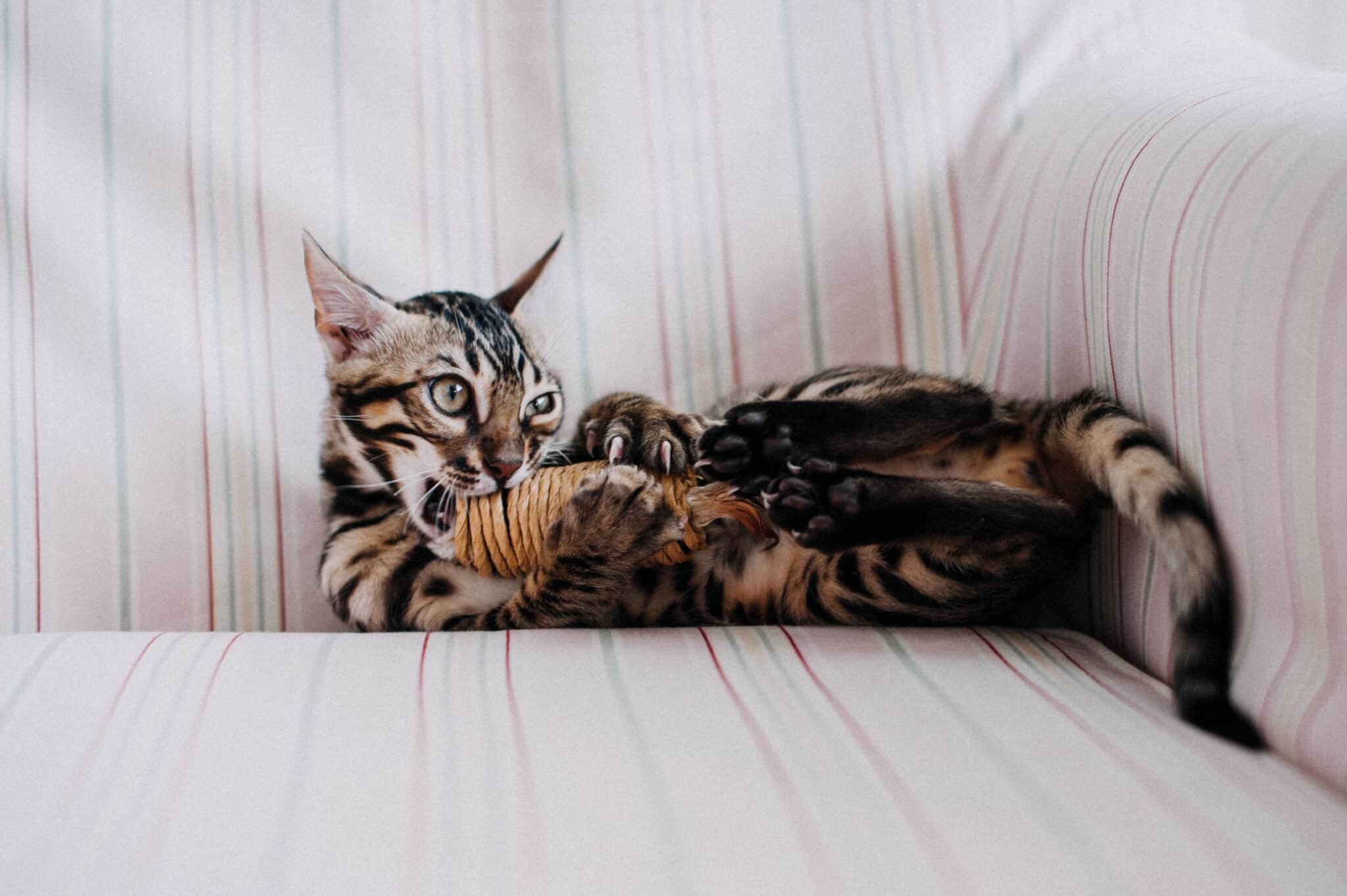
This investigative report examines the behavioral psychology of the feline’s mischievous streak, profiles the most notoriously curious and energetic cat breeds, and outlines actionable, professional-grade strategies for redirecting high-octane energy into constructive environmental enrichment.
Detailed Chronology: The Evolution of the Domestic Inquisitor
To understand why modern domestic cats feel compelled to dismantle grocery bags, scale bookshelves, and inspect running faucets, one must examine the evolutionary chronology of the feline species (Felis catus).
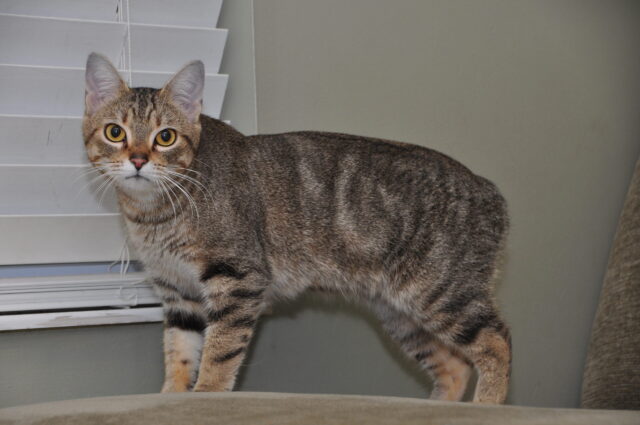
- The Ancestral Baseline (Pre-Domestication): Wild felid ancestors survived through relentless spatial tracking, territory mapping, and predatory persistence. Every nook, cranny, and vertical surface held potential prey or hazard. This hyper-awareness was non-negotiable for survival.
- The Agricultural Partnership (Approx. 10,000 Years Ago): As human settlements shifted toward agriculture, cats naturally gravitated toward grain stores to hunt rodents. While humans appreciated this pest control, the cat’s internal programming remained largely unchanged: they were autonomous, highly observant hunters requiring vast cognitive engagement.
- The Selective Breeding Era (Past Two Centuries): As humans began formally breeding cats for specific aesthetic traits—such as the spotted coats of Bengals, the slender frames of Orientals, or the hairless coats of Sphynx cats—breeders inadvertently amplified behavioral traits linked to those ancestral lines. High intelligence, high energy, and extreme social attachment were frequently hardwired into these specific lineages.
- The Modern Indoor Era (Contemporary Living): Today, many high-energy breeds are kept in confined indoor environments. Lacking the sprawling territories of their ancestors, their hyper-attentive brains turn inward toward household objects. The modern kitchen counter, the home office keyboard, and the half-open drawer become the new savannahs, canyons, and hunting grounds.
Supporting Context & Metrics: The Mechanics of Feline Curiosity
Feline mischief is not random; it is heavily governed by biology, environmental feedback loops, and neurological stimulation thresholds.
The Metrics of Engagement
- Sensory Input: Cats process their environments primarily through scent, sound, and micro-movements. A cat like the Cornish Rex or Devon Rex has oversized ears and sensory receptors that detect subtle air vibrations, making dangling cords and rolling pens irresistible targets.
- The Reinforcement Loop: When a cat knocks a pen off a desk and the human reacts—whether by gasping, laughing, or getting up to investigate—the cat registers this as a successful "cause-and-effect" experiment. Behavioral research indicates that intermittent human reactions act as a powerful variable reinforcement schedule, ensuring the cat repeats the behavior.
- Verticality Requirements: Breeds originating from high-climbing backgrounds (such as Abyssinians, Somalis, and Bengals) experience chronic physiological stress when denied vertical territories. Elevated spaces lower cortisol levels by offering safe vantage points to survey their domain.
Breed Profiles: The Architectural Engineers of Household Chaos
Certain breeds stand out for their exceptional aptitude for turning everyday domestic routines into high-stakes investigations.
1. Abyssinian
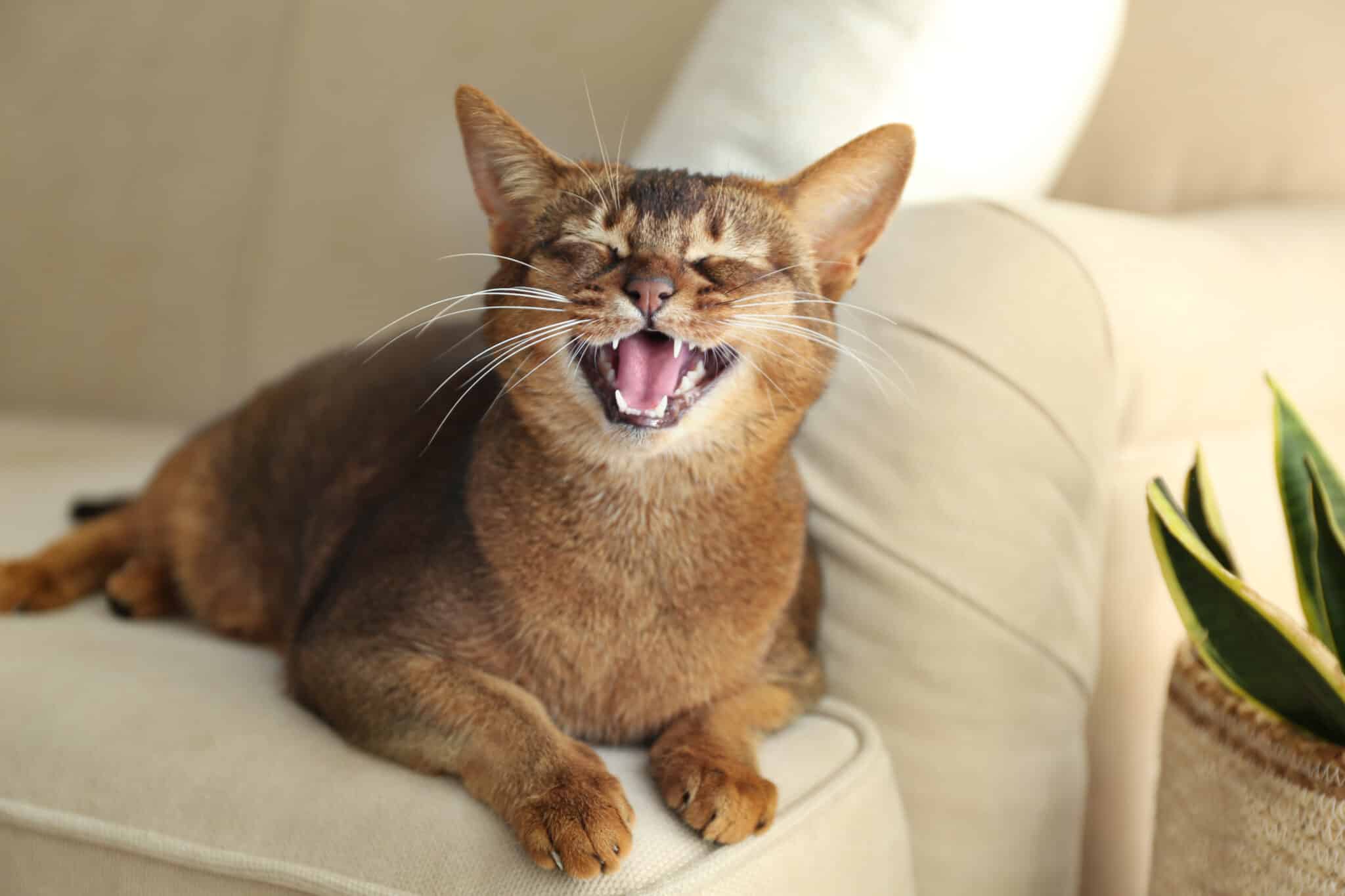
Recognized as a natural explorer, the Abyssinian possesses an athletic frame and an unrelenting appetite for discovery. An unattended room is an invitation for an Abyssinian to scale a high bookcase, inspect an open drawer, or survey the living room from atop a door frame. Without proper puzzle feeders and interactive play, their boredom manifests as elaborate self-invented games.
2. Bengal
With striking marbled or spotted coats and muscular builds, Bengals look perpetually ready to hunt. Their high intelligence makes them master problem-solvers capable of opening cabinets, turning toys into complex hunting simulations, or obsessing over running faucets. Without substantial daily activity, Bengals redirect their formidable energy toward household structural elements.
3. Siamese
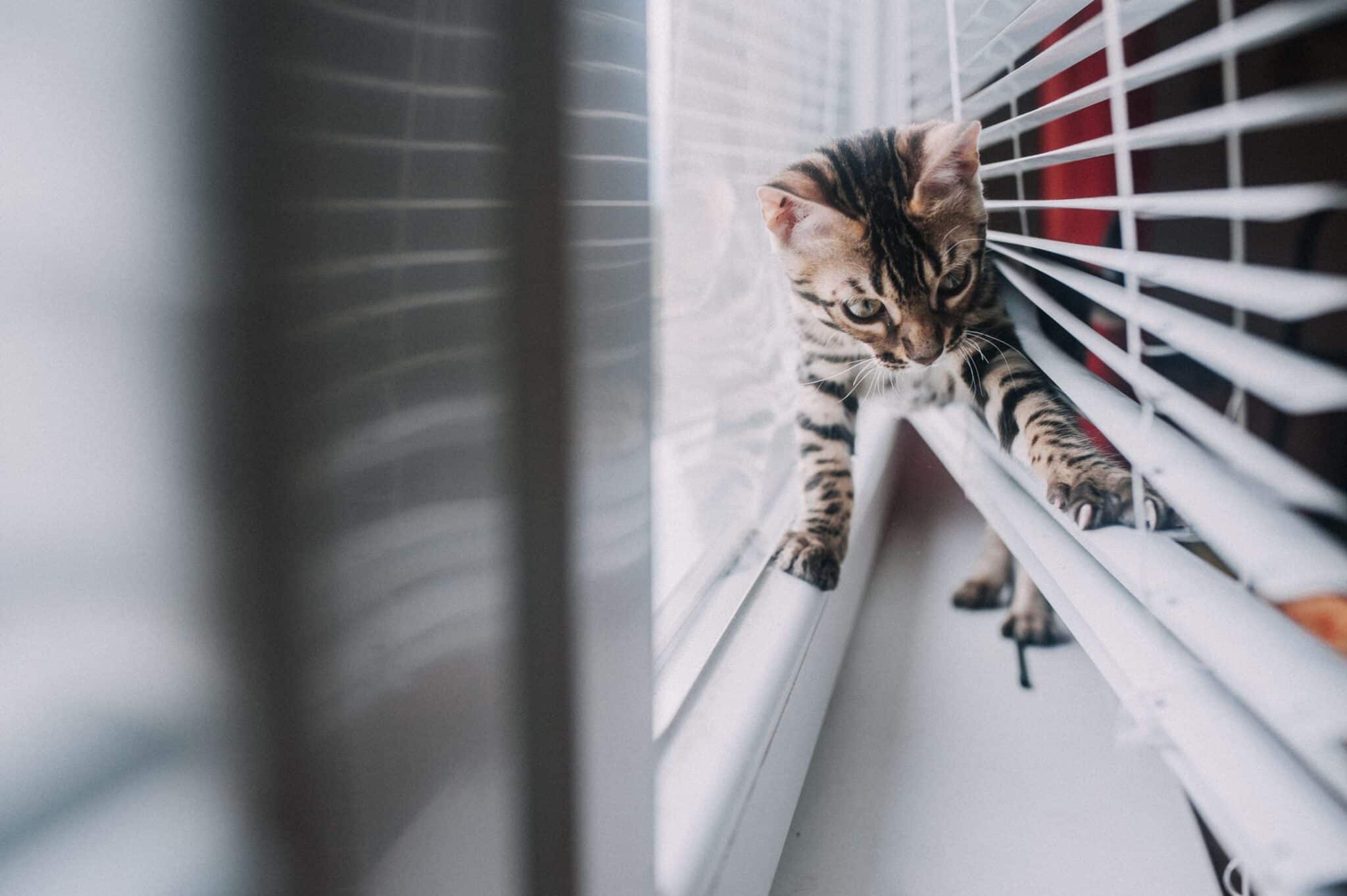
Famed for their vocalizations and social disposition, Siamese cats are exceptionally persistent. If something captures their interest—be it a closed door, a shopping bag, or a treat cupboard—they will investigate it indefinitely. They quickly learn which behaviors secure human attention, turning vocal persistence into an art form.
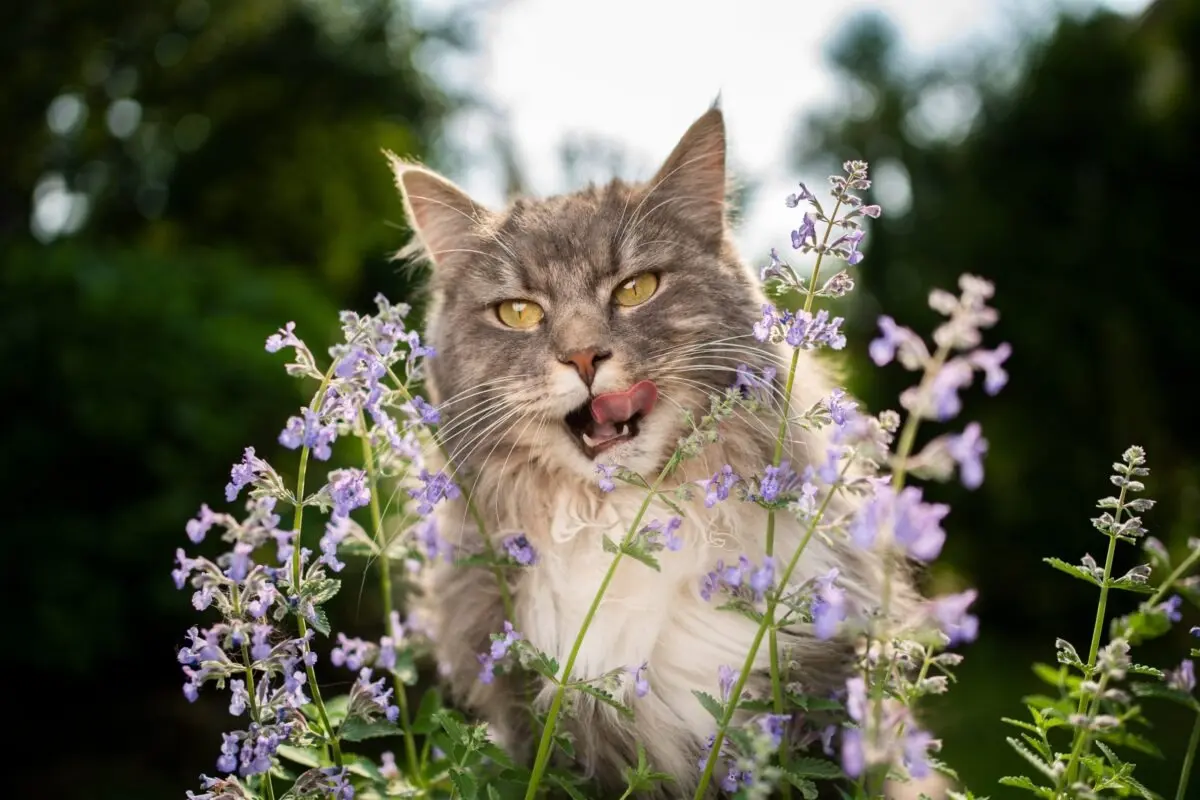
4. Maine Coon
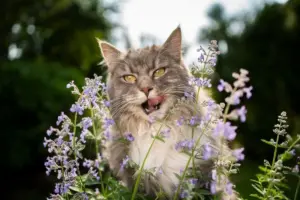
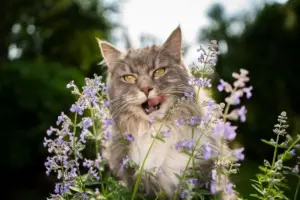
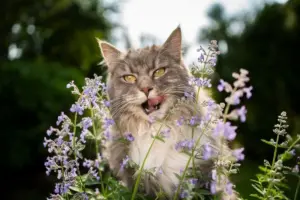
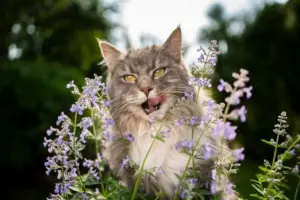
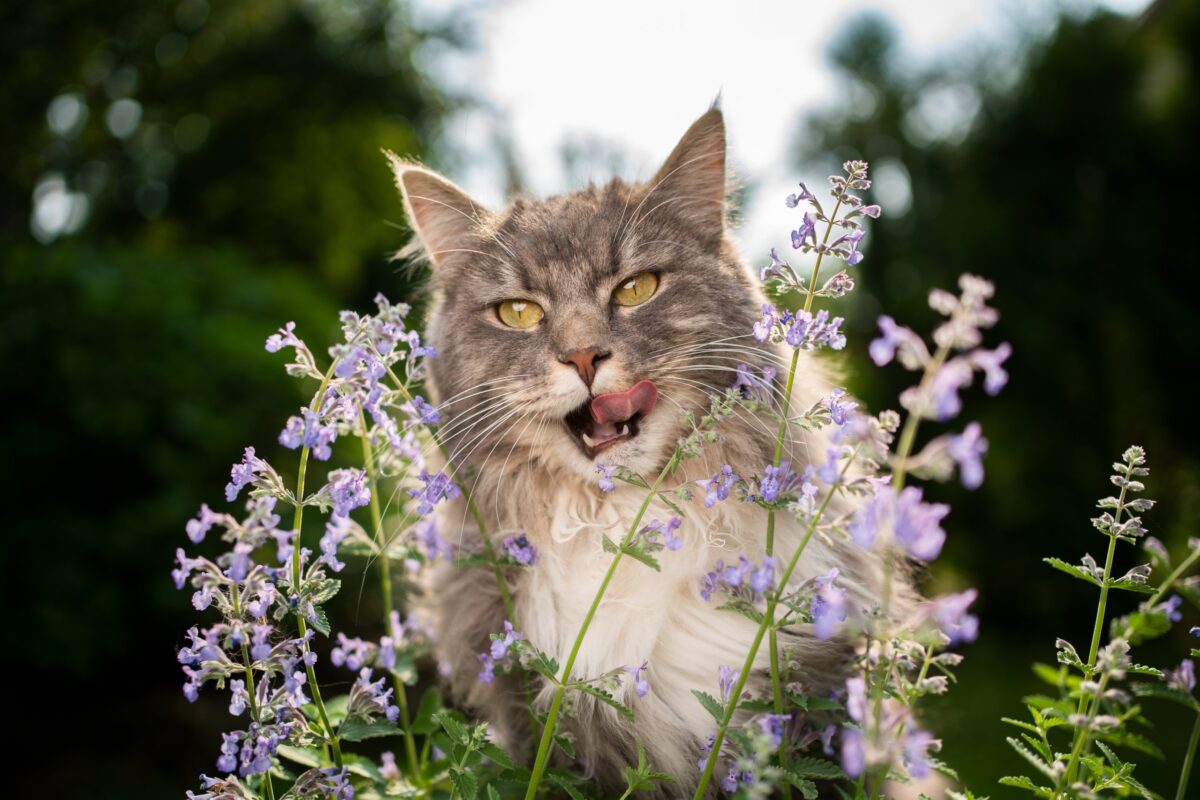
Despite their massive size and gentle demeanor, Maine Coons possess a playful curiosity that leads to dramatic household investigations. Their large paws make routine tasks—such as examining a water glass or inspecting a cardboard box—fascinating physical experiments that require sturdy climbing furniture and robust play areas.
5. Sphynx
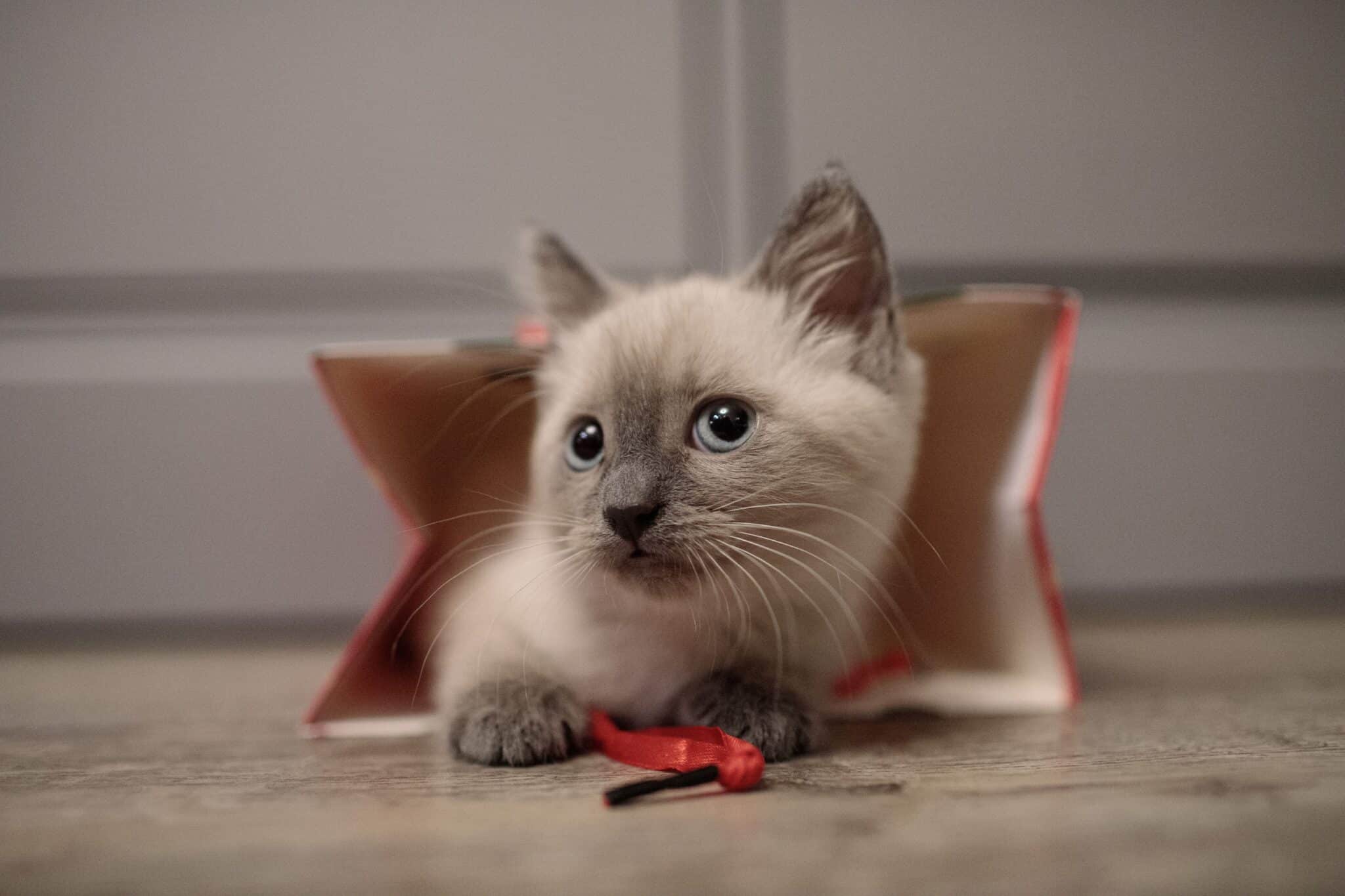
Characterized by their hairless bodies and high body temperatures, Sphynx cats are hyper-social and demand constant inclusion in daily tasks. Boredom prompts them to explore laundry baskets, inspect new packages, or shadow their owners relentlessly. Because they lose heat rapidly, warm resting spots and interactive play are vital to keep their active minds occupied.
6. Turkish Van
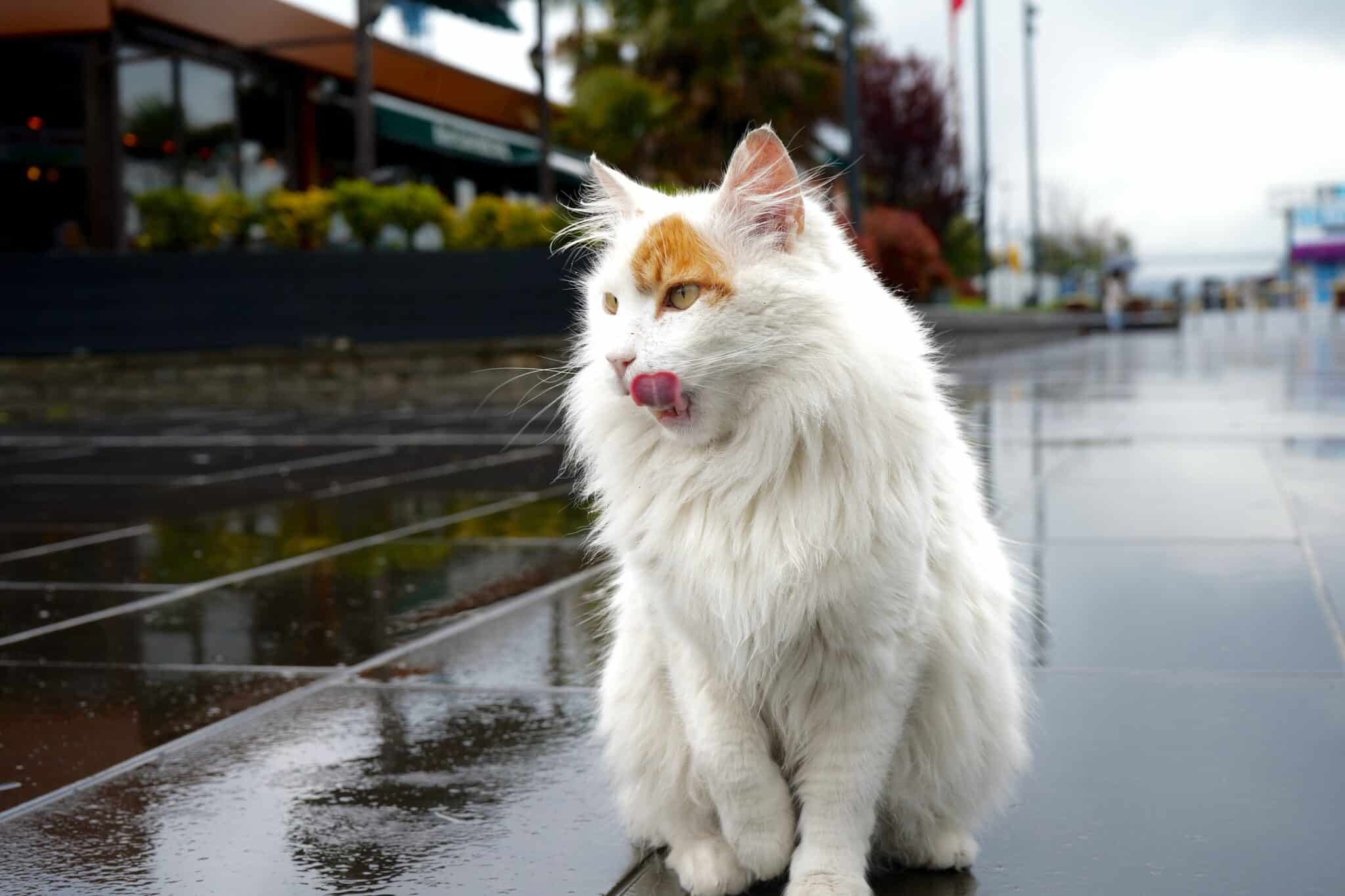
Known colloquially as the "swimming cat," the Turkish Van displays an unusual fascination with water. Their athletic bodies make them phenomenal climbers who enjoy investigating running taps, splashing in water bowls, and tracking ripples with scientific precision, frequently leaving wet countertops in their wake.
7. Cornish Rex & Devon Rex
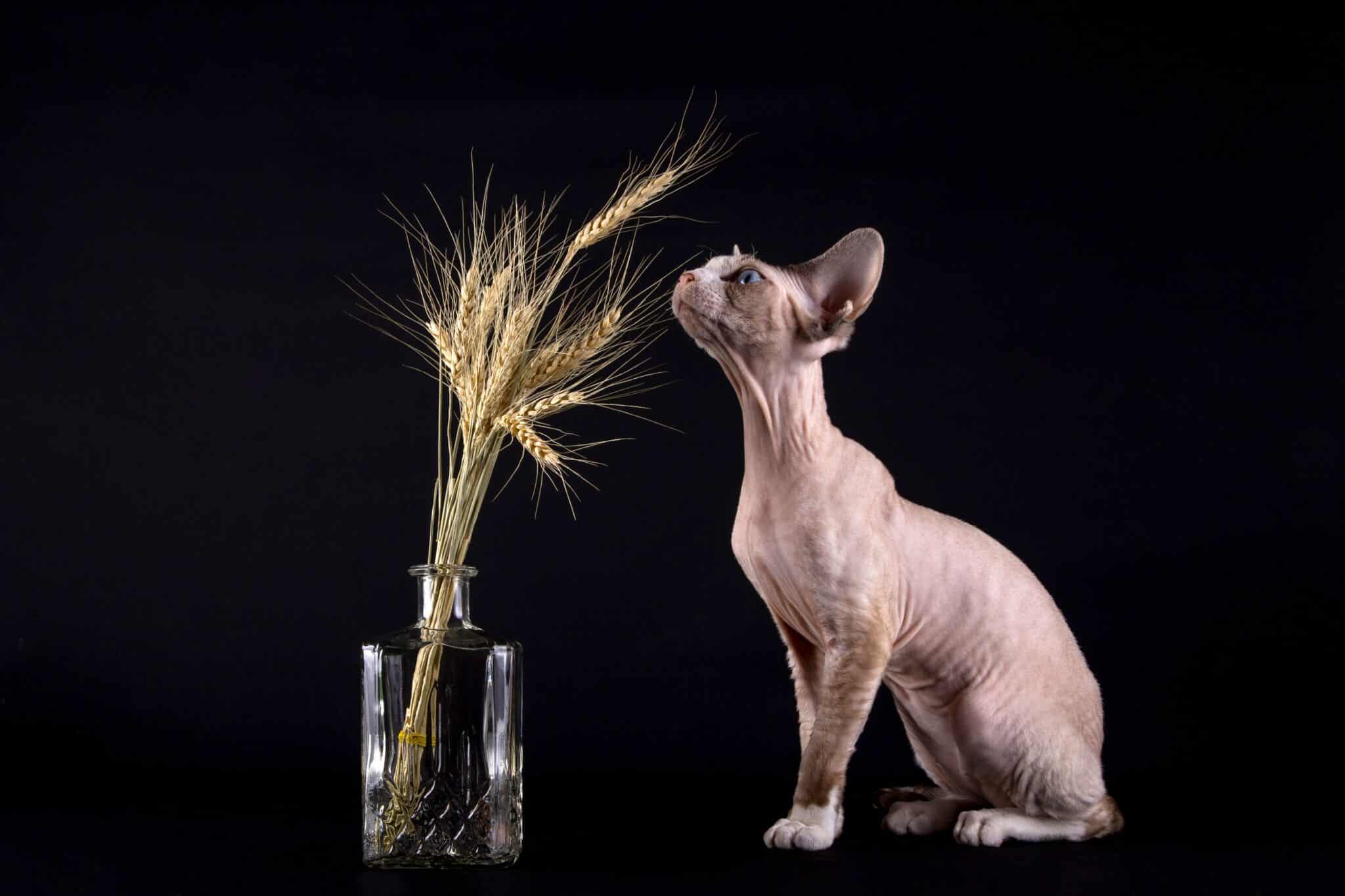
Both Rex breeds feature unique coats and seemingly limitless reserves of energy. Their slender bodies, quick reflexes, and oversized ears make them natural acrobats. Whether springing toward a lightweight toy or perching on a human shoulder to supervise work tasks, their continuous movement requires constant environmental rotation to prevent boredom.
8. Somali, Oriental Shorthair, Burmese, Manx, and Scottish Fold
- Somali: The long-haired cousin of the Abyssinian, combining a bushy coat with a relentless desire to climb and investigate every high surface.
- Oriental Shorthair: Highly vocal and mentally demanding, these sleek cats anticipate human routines and audit every newly opened package or closed door.
- Burmese: People-oriented and persistently kittenlike, Burmese cats insinuate themselves into video calls, grocery unpacking, and floor-level ball games.
- Manx: Powerful hind legs and a tailless silhouette drive these cats to bat small objects beneath sofas and aggressively supervise household activities.
- Scottish Fold: Distinctive folded ears frame a sweet expression that masks a surprisingly inquisitive nature, though care must be taken to protect their joints from high-impact jumping.
Official Statements and Behavioral Expert Insights
Leading feline behaviorists emphasize that managing high-energy breeds requires a fundamental shift in perspective.
"When a cat knocks items off a shelf or digs relentlessly through a laundry basket, they are not acting out of spite," notes Dr. Aris Thorne, a leading feline comparative psychologist. "They are expressing a biological imperative to manipulate their environment. If we do not provide acceptable outlets for their predatory and investigative drives, they will engineer their own."
Veterinary associations universally recommend transitioning away from static environmental setups. Modern veterinary consensus dictates that cognitive stimulation is just as critical as nutritional balance for breeds with high intelligence quotients. Experts advise that punishment is entirely ineffective for curious cats; instead, preemptive environmental enrichment is the sole reliable mechanism for maintaining household harmony.
Future Outlook: The Next Generation of Feline Enrichment
As our understanding of animal cognition deepens, the approach to managing high-energy cat breeds continues to evolve. The future of feline husbandry moves away from passive containment and toward dynamic, interactive living spaces.
- Smart Enrichment Technologies: The market is rapidly expanding to include automated, app-controlled puzzle feeders, laser-guided interactive toys, and motion-activated climbing structures that adapt to a cat’s specific play style.
- Architectural Integration: Modern interior design increasingly incorporates "catification"—integrated wall shelving, hidden tunnels, and secure window perches that allow athletic breeds like Bengals and Abyssinians to satisfy their need for vertical exploration without compromising human living spaces.
- Proactive Behavioral Medicine: Veterinarians are placing greater emphasis on kitten-hood behavioral profiling, educating owners on breed-specific needs before destructive habits form.
By recognizing that a cat’s mischievous streak is simply intelligence in search of a job, owners can transform potential household frustration into a harmonious partnership built on mutual engagement, structured play, and profound respect for the feline mind.