
Executive Overview
Investing in cosmetic dentistry—whether through professional teeth whitening or porcelain veneers—is often a transformative milestone. For many, the result is an immediate boost in confidence, a refreshed personal image, and the fulfillment of a long-term aesthetic goal. However, the completion of a cosmetic dental procedure does not mark the end of the journey; rather, it marks the beginning of a crucial maintenance phase.
In the wake of excitement, real life invariably returns. Daily habits, dietary choices, physiological stresses, and natural biological processes begin to test the longevity of the newly enhanced smile. Coffee, red wine, night-time bruxism (teeth grinding), and missed dental appointments can quickly threaten the longevity of cosmetic enhancements.
Far too often, patients view whitening treatments and veneers as permanent, self-sustaining fixes. In reality, cosmetic enhancements are only as resilient as the biological foundation that supports them. As leading dental practitioners frequently emphasize, preventive dentistry acts as the structural anchor safeguarding your financial and personal investment. By proactively mitigating the risks of discoloration, decay, periodontal disease, and structural wear, preventive care ensures that a bright smile remains vibrant, healthy, and structurally sound for years to come.
Detailed Chronology: The Lifecycle of a Cosmetic Smile
To fully understand the necessity of preventive dentistry, it is vital to trace the typical timeline of a cosmetic dental enhancement. From the initial consultation to long-term maintenance, a patient’s smile undergoes distinct developmental stages where preventive interventions dictate success or failure.
Phase 1: Pre-Treatment Evaluation and Foundation Building
Before a single drop of whitening gel is applied or a veneer is bonded, the oral cavity must be thoroughly evaluated. A reputable clinician will never place restorations on compromised teeth or inflamed gums.
- The Diagnostic Window: Dentists examine bite alignment, underlying enamel thickness, and periodontal health. Treating existing cavities or chronic gingivitis is mandatory before pursuing cosmetic work.
- Establishing Baseline Health: This initial stage establishes the baseline health required to support foreign materials like porcelain or composite resin. Skipping this foundational step drastically reduces the lifespan of future cosmetic enhancements.
Phase 2: The Transformation and Immediate Post-Procedure Glow
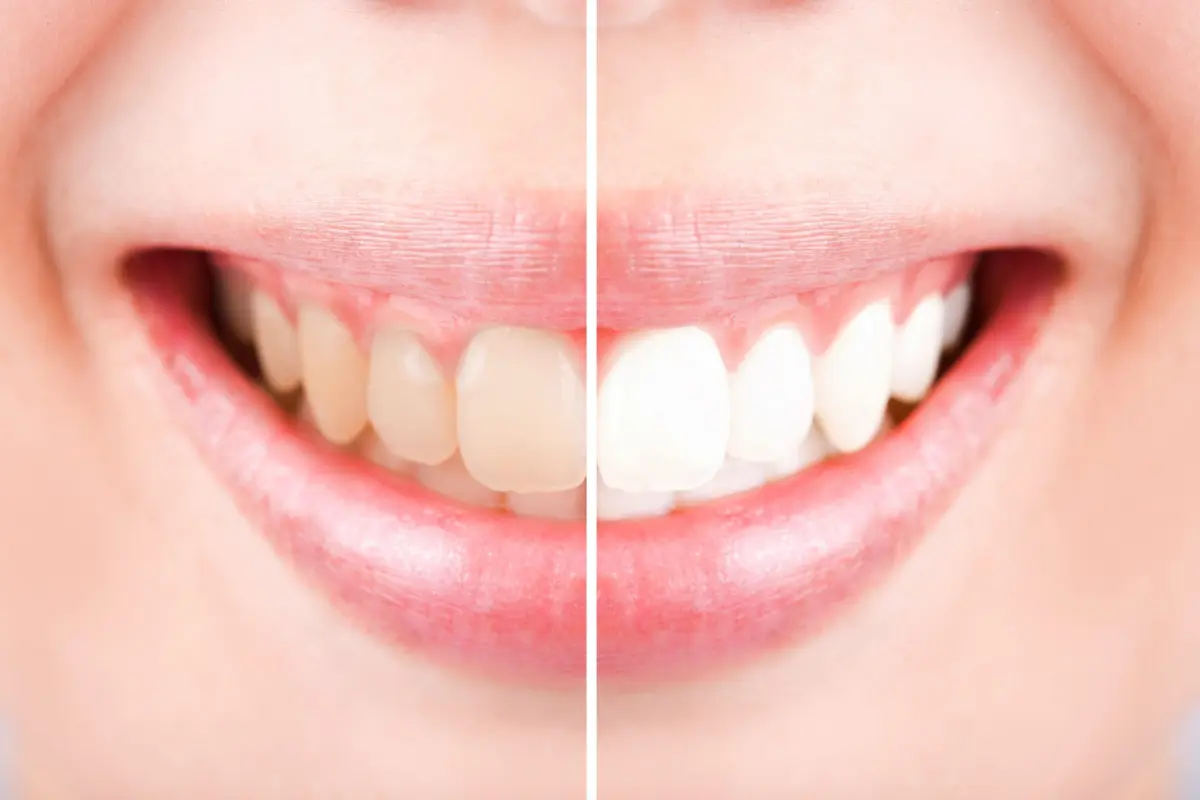
The transformation phase delivers immediate visual gratification. Teeth are shades lighter, or chipped, misaligned teeth are concealed behind uniform, luminous porcelain shells.
- The Honeymoon Period: During the first few months, patients experience the psychological and social benefits of their new smile.
- Vigilance Required: This is also when bad habits can quietly creep back in. Patients may assume that because veneers resist staining better than natural teeth, rigorous oral hygiene is no longer as critical. In truth, the microscopic margins where natural tooth structure meets the restoration are exceptionally vulnerable to plaque accumulation.
Phase 3: Medium-Term Exposure and Environmental Stress
Between months six and thirty-six, the oral environment subjects the cosmetic work to continuous wear and tear.
- Dietary and Lifestyle Impacts: Regular exposure to chromogenic foods and beverages (coffee, tea, dark berries, and tobacco) begins to test the color stability of both whitened natural teeth and the surrounding composite bonding.
- Mechanical Stresses: Subconscious night-time clenching or grinding exerts immense pressure on porcelain veneers. Without protective measures like custom nightguards, microscopic micro-fractures can develop along the edges of the restorations.
- Gingival Dynamics: Natural gum recession may begin, exposing the root surfaces and the sensitive margins of veneers, altering the aesthetic harmony of the smile line.
Phase 4: Long-Term Maintenance and Structural Preservation
Beyond the three-year mark, the success of cosmetic dentistry depends entirely on the consistency of the patient’s preventive routine.
- Professional Interventions: Routine dental examinations, professional cleanings, and targeted fluoride treatments counteract age-related enamel wear and prevent localized decay.
- Proactive Repairs: Early detection of minor marginal leakage or bite discrepancies allows dentists to polish, repair, or adjust restorations long before catastrophic failure—such as a fractured veneer or deep root canal infection—occurs.
Supporting Context & Metrics: The Anatomy of Decay and Discoloration
To appreciate why preventive care is non-negotiable, one must examine the physiological mechanisms that undermine whitening results and porcelain veneers.
The Science of Discoloration
Tooth discoloration is rarely a superficial issue. According to medical overviews on tooth discoloration, stains are categorized into two primary types:
- Extrinsic Stains: These occur on the outer surface of the tooth, primarily driven by dietary chromogens, tobacco use, and poor brushing habits. While professional whitening and regular cleanings easily target extrinsic stains, they continuously return without ongoing maintenance.
- Intrinsic Stains: These originate deep within the tooth structure, driven by internal changes in enamel composition, aging, trauma, or certain medications. Because whitening agents must penetrate the enamel to oxidize these deeper pigment molecules, results inevitably fade over time as new dentin layers form and enamel thins.
Crucially, while high-quality porcelain veneers are exceptionally stain-resistant, the natural teeth adjacent to them are not. If a patient undergoes whitening and subsequently neglects their hygiene, the untreated natural teeth will yellow or darken, creating a stark, uneven aesthetic contrast against static, bright veneers.
The Threat of Periodontal Disease and Gingival Recession
The health of the supporting gum tissue is equally paramount. The Centers for Disease Control and Prevention (CDC) consistently highlight that adult oral health relies heavily on daily interdental cleaning and professional oversight to prevent periodontal disease.

When plaque and tartar accumulate around the margins of a veneer, bacteria release toxins that inflame the gums. Over time, this leads to gingivitis or advanced periodontitis, causing the gum tissue to recede. Gum recession exposes the root structure and the vulnerable cementum or bonding agent beneath the veneer. Not only does this compromise the visual aesthetic by creating dark triangles or exposed margins, but it also opens the door to rapid root caries (cavities).
Comparative Approaches to Smile Maintenance
| Approach | Clinical Definition & Characteristics | Likely Impact on Whitening and Veneers | Long-Term Prognosis |
|---|---|---|---|
| Preventive Care | Routine biannual exams, professional cleanings, tailored home hygiene, nightguards, and proactive stain management. | Extends the longevity of whitening; significantly lowers the risk of chipping, gum recession, and marginal decay around veneers. | Optimal: Maximizes return on investment, preserves natural tooth structure, and maintains seamless aesthetics for decades. |
| Wait-and-See (Reactive) | Skipping cleanings, inconsistent brushing/flossing, ignoring minor sensitivity or night-time grinding. | Accelerated staining, heightened vulnerability to gum disease, unnoticed micro-damage, and premature veneer failure. | Poor: Frequently results in costly emergency repairs, total veneer replacements, and irreversible structural damage. |
| DIY / Over-the-Counter Only | Heavy reliance on whitening strips, abrasive charcoal toothpastes, and unmonitored home remedies. | Increases enamel sensitivity, causes chemical burns on soft tissues, and creates uneven color mismatches around existing dental work. | Risky: Often masks underlying structural decay while physically degrading both natural enamel and restorative surfaces. |
Official Guidelines and Expert Insights
Dental professionals and public health agencies uniformly stress that cosmetic dentistry cannot exist in a vacuum. The structural integrity of a smile depends on an active partnership between the patient’s daily habits and the clinician’s diagnostic oversight.
The Role of General and Cosmetic Dentistry
A specialized general and cosmetic dentist does much more than enhance surface aesthetics. They monitor the complex biomechanical system of the mouth—balancing the bite forces exerted on the molars and incisors, checking the integrity of previous dental work, and screening for oral pathologies.
According to clinical consensus, a bright smile is merely a visual symptom of underlying oral health. When bite forces are unevenly distributed due to missing teeth or shifting alignment, excessive pressure falls on cosmetic veneers, leading to premature chipping or debonding. Preventive dentistry identifies these bite anomalies early through regular occlusal checks, neutralizing destructive forces before they fracture expensive restorations.
Public Health Frameworks
Public health directives from institutions like the CDC reinforce that adult dental hygiene extends far beyond cosmetic desires. Simple, daily interventions—such as brushing twice daily with fluoride toothpaste, flossing daily, and maintaining a regular dental recall schedule—prevent the systemic spread of oral bacteria. These foundational practices protect not only natural dentition but also safeguard the microscopic seals connecting artificial restorations to living tooth structures.
Future Outlook: The Evolution of Preventive Cosmetic Care
As dental technology advances, the intersection of preventive care and cosmetic dentistry is evolving rapidly. The future of maintaining a bright smile is shifting from reactive repair to predictive, personalized wellness.
1. Biomimetic Materials and Smart Diagnostics
Future dental practices are increasingly adopting biomimetic principles—repairing teeth with materials that mimic the mechanical and aesthetic properties of natural tooth structure. Furthermore, digital intraoral scanners and artificial intelligence-driven diagnostic tools can now detect microscopic wear patterns, marginal staining, and early bite shifts long before they are visible to the naked human eye. This allows clinicians to intervene with non-invasive polishing or minor adjustments rather than invasive replacements.
2. Tailored Maintenance Protocols
The one-size-fits-all dental checkup is giving way to customized preventive regimens. Patients who invest in veneers or professional whitening will increasingly receive personalized "smile preservation plans" based on their genetic predisposition to staining, salivary pH levels, dietary habits, and bruxism risks. Targeted therapies, such as customized remineralizing pastes and bespoke nightguards engineered via 3D printing, will become standard accessories for anyone with cosmetic restorations.
3. The Shift Toward Stress-Free Maintenance
Ultimately, the future outlook emphasizes psychological ease. The anxiety that often plagues recipients of cosmetic dentistry—the constant fear of staining a cup of coffee or chipping a front tooth—is mitigated by reliable, proactive care. When prevention becomes an integrated, routine part of one’s lifestyle, the results of whitening and veneers stop feeling fragile and begin to feel permanent.
Conclusion
Your smile is one of your most valuable personal and social assets. Investing in professional whitening or porcelain veneers is a powerful step toward enhancing your self-assurance and overall quality of life. However, treating these enhancements as maintenance-free finishes is a recipe for premature disappointment.
True longevity is not achieved through stress, panic, or aggressive over-treatment; it is secured through consistency, professional partnership, and proactive preventive care. By scheduling regular dental examinations, maintaining gentle yet rigorous home hygiene, and addressing minor environmental stressors before they escalate, you protect the foundation of your smile.
Make prevention an intentional part of your plan today, and ensure that your investment in a brighter, more confident smile pays dividends for a lifetime.