
Executive Overview
In the vast, undulating expanses of the American West, where working lands meet untamed wilderness, a quiet ecological transformation is taking place. For decades, the conventional narrative pitting agriculture against conservation has dominated environmental discourse. However, a growing paradigm shift—exemplified by the Audubon Rockies Conservation Ranching (ARCR) program—demonstrates that private working lands can simultaneously sustain rural economies and serve as crucial sanctuaries for imperiled wildlife.
Throughout the 2026 field season, a specialized cadre of wildlife biologists from Precision Wildlife Resources, working in close partnership with Audubon Rockies, embarked on a sweeping ecological assessment. Their mission: to systematically monitor, record, and evaluate avian populations across 12 certified bird-friendly ranches. Spanning an astonishing 548,463 acres of private land, this year’s monitoring effort represents one of the most comprehensive private-lands ecological audits in the region.
The findings of the 2026 survey offer a compelling validation of regenerative agriculture and thoughtful land stewardship. Traversing 46 meticulously planned transects and surveying 493 distinct sample points, the field teams detected approximately 8,000 individual birds representing 136 distinct species. From the sweeping sagebrush flats and wide-open grasslands to the vital cottonwood-lined riparian bottoms and rugged pinyon-juniper woodlands, the data underscores a fundamental ecological truth: when ranchers implement regenerative, bird-friendly grazing practices, the avian life responds with remarkable resilience and abundance.
Beyond merely tallying numbers, this initiative builds upon an increasingly valuable long-term dataset. By bridging the gap between agricultural productivity and wildlife conservation, the ARCR program provides actionable insights into how private landowners can steward working rangelands to protect biodiversity, bolster ecosystem services, and secure a sustainable future for both rural communities and migratory and resident bird species.
Detailed Chronology of the 2026 Field Season
The 2026 avian monitoring season was a masterclass in logistical planning, endurance, and scientific rigor. Executing a survey across more than half a million acres requires precision, deep ecological knowledge, and an unwavering commitment to fieldwork, often beginning long before the first light of dawn.
Spring Mobilization and Route Planning
Planning for the 2026 monitoring season commenced months before the field crews hit the gravel roads. Biologists from Precision Wildlife Resources collaborated with Audubon Rockies coordinators to review historical transects, establish standardized survey protocols, and map out access routes across the 12 participating ranches. These ranches, distributed across diverse ecological zones, required a tailored approach to ensure that every major habitat type—from arid sagebrush shrublands to wet meadows—was adequately represented in the sampling matrix.
By early spring, as migratory species began returning to their breeding grounds, the field teams mobilized. Equipment was calibrated, audio-visual identification protocols were reviewed, and logistics for navigating remote backcountry ranch roads were finalized. The objective was absolute consistency: every transect had to be surveyed under optimal weather and temporal conditions to ensure data integrity.
The Summer Field Campaign: Windshields, Transects, and Dawn Choruses
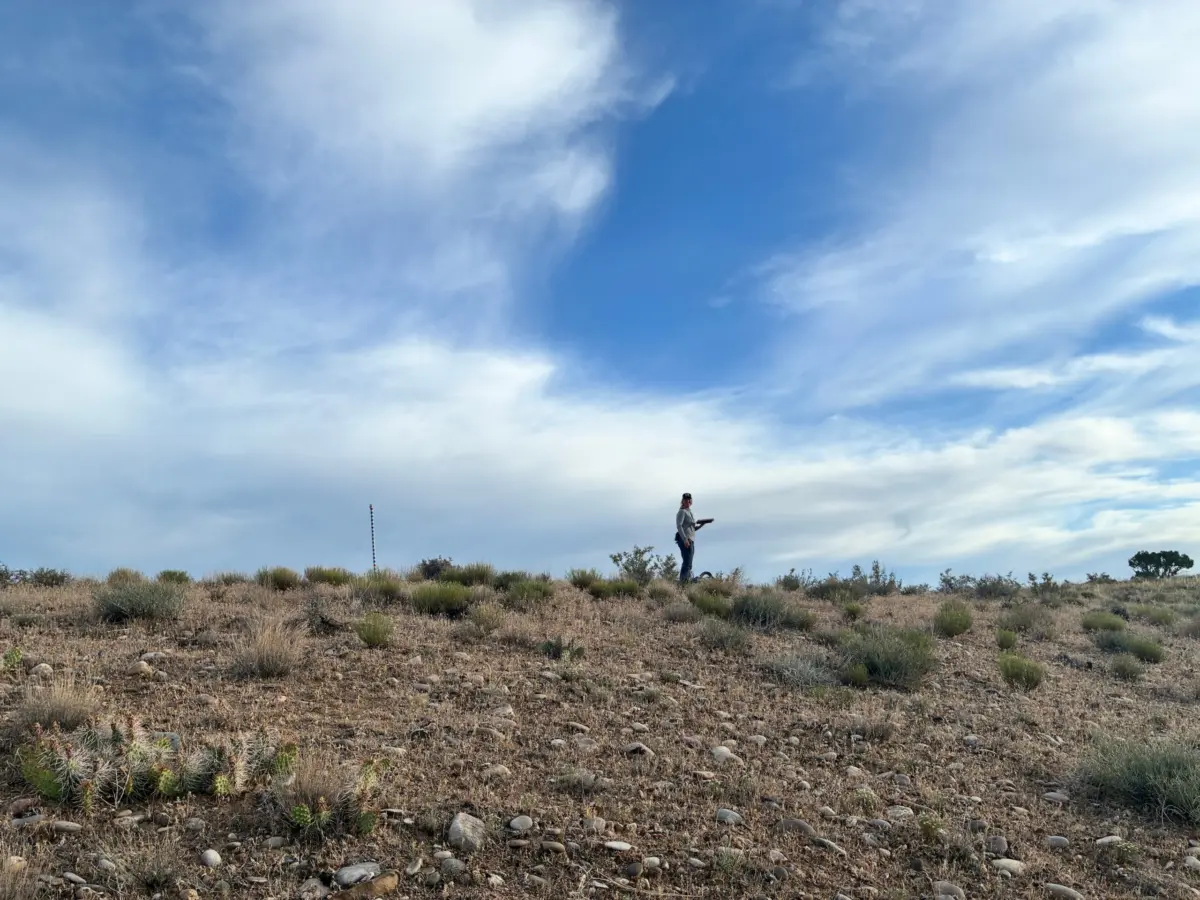
As the field season swung into full gear through the late spring and early summer months, the daily routine of the biologists settled into a demanding rhythm. Mornings routinely began well before sunrise. Biologists positioned themselves at the first of 493 survey points just as the morning chorus erupted—the critical window when avian vocalizations are most active and detectable.
Navigating a combined total of 46 planned transects across 548,463 acres meant enduring significant "windshield time." The crews crisscrossed rugged landscapes where cell service was non-existent and weather conditions could shift rapidly from scorching heat to sudden mountain squalls. Despite these challenges, the team successfully completed every planned transect.
At each survey point, biologists conducted rigorous point-count surveys, noting every bird seen or heard within a specified radius, recording species composition, abundance, and habitat associations. They listened for the sharp, metallic call of the Sagebrush Sparrow in the arid flats, the melodic, fluting notes of the Western Meadowlark across the open grasslands, and the secretive rustle of warblers in the dense riparian understory.
Data Consolidation and Initial Analysis
By late summer, as the field phase drew to a close, the focus shifted from data collection to data curation. Thousands of individual observations, GPS coordinates, and habitat notes were compiled, cross-referenced, and integrated into the overarching Audubon Rockies long-term database. The initial tallies—approximately 8,000 birds and 136 species—quickly confirmed that 2026 had been an exceptionally vibrant year for avian activity on certified conservation ranches, setting the stage for deep ecological analysis and reporting.
Supporting Context & Metrics: The Numbers and the Habitat
To truly appreciate the scope of the 2026 monitoring report, one must examine the metrics, the sheer geographic scale, and the ecological diversity of the landscapes involved.
Scale and Scope of the 2026 Audit
- Total Acreage Surveyed: 548,463 acres
- Participating Ranches: 12 Audubon Rockies Conservation Ranching certified properties
- Planned Transects Completed: 46 (100% completion rate)
- Survey Points Monitored: 493 locations
- Total Individual Birds Detected: Approximately 8,000
- Total Bird Species Identified: 136 species
The Resident Cast: Rangeland and Grassland Specialists
The 2026 surveys documented a robust population of core grassland and rangeland species. These birds are the ecological barometers of the West, highly sensitive to structural changes in vegetation, grazing pressure, and land conversion. Among the most frequently encountered species were:
- Western Meadowlark (Sturnella neglecta): A cultural and ecological icon of western fields, whose rich, bubbling song echoed across nearly every grassland transect.
- Brewer’s Sparrow (Spizella breweri): A delicate, streaky sparrow intrinsically linked to healthy, mature sagebrush expanses.
- Vesper Sparrow (Pooecetes gramineus): Identified by its chestnut shoulder patches and white outer tail feathers, signaling healthy ground cover.
- Lark Bunting (Calamospiza melanocorys): Colorado’s state bird, whose striking black-and-white breeding plumage and acrobatic aerial displays graced the open plains.
- Grasshopper Sparrow (Ammodramus savannarum): A secretive grassland dweller whose insect-like buzz serves as an indicator of dense, undisturbed herbaceous cover.
- Cassin’s Sparrow (Peucaea cassinii): A nomadic arid-land specialist dependent on healthy shrub-grassland mosaics.
- Sagebrush Sparrow (Artemisiospiza nevadensis): Highly specialized for sage-steppe environments.
- Horned Lark (Eremophila alpestris): A resilient species thriving in open, sparsely vegetated rangelands.
- Lark Sparrow (Chondestes grammacus): Recognized by its bold facial pattern, frequenting open country with scattered trees or shrubs.
Ecological Diversity: Beyond the Grasslands
While grassland birds formed the backbone of the census, the mosaic nature of these working ranches yielded an astonishing variety of woodland, riparian, wetland, and migratory species. The presence of these diverse micro-habitats within working cattle ranches highlights the value of holistic land management.
Among the most exciting detections in 2026 were several species considered conservation priorities or regional specialties:
- Greater Sage-Grouse (Centrocercus urophasianus): A flagship species for western sage-steppe conservation, whose presence underscores the ecological integrity of the ranches’ shrublands.
- Pinyon Jay (Gymnorhinus cyanocephalus): Highly social corvids tied to pinyon-juniper woodlands.
- Burrowing Owl (Athene cunicularia): A charismatic raptor relying on open grasslands and mammal burrows.
- Ferruginous Hawk (Buteo regalis): The largest of North America’s Buteo hawks, requiring expansive open country for hunting.
- Gray Vireo (Vireo vicinior): A specialized inhabitant of arid brushlands and pinyon-juniper zones.
- Long-billed Curlew (Numenius americanus): North America’s largest shorebird, utilizing shortgrass and mixed-grass prairies for breeding.
- Upland Sandpiper (Bartramia longicauda): An elegant shorebird that has adapted to sweeping grassland ranches.
- Red-headed Woodpecker (Melanerpes erythrocephalus): A striking bird of open woodlands and riparian cottonwood groves.
- Trumpeter Swan (Cygnus buccinator) & White-faced Ibis (Plegadis chihi): Highlighting the vital importance of ranch wetlands and aquatic zones.
- Scott’s Oriole (Icterus parisorum), Virginia’s Warbler (Leiothlypisi virginiae), Black-throated Gray Warbler (Setophaga nigrescens), Clark’s Nutcracker (Nucifraga columbiana), and Yellow-headed Blackbird (Xanthocephalus xanthocephalus): A colorful cross-section of migrants and resident specialists utilizing varied niches from high-elevation conifers to lush marshlands.
Official Statements and Expert Perspectives
The success of the 2026 avian monitoring initiative is rooted in collaboration—bridging the scientific community, conservation organizations, and the ranching families who manage the land day in and day out.
Conservation scientists emphasize that these surveys are not merely academic exercises; they represent a vital feedback loop. By tracking avian responses to rotational grazing, rest-rotation schedules, and riparian protection, conservationists can refine best management practices.
"When you build and maintain good habitat, the birds will show up for the party," notes field documentation from the 2026 monitoring team. This simple yet profound observation encapsulates the core philosophy of the Audubon Conservation Ranching Program. Healthy soil supports diverse plant communities; diverse plant communities support abundant insect life; and abundant insects and native vegetation provide the food and shelter required by a thriving bird community.
Ranchers participating in the program play an indispensable role. Rather than viewing conservation as a restriction on agricultural productivity, certified ranches demonstrate that livestock production and wildlife stewardship are synergistic. Managed properly, livestock can mimic the historic disturbance patterns of native herbivores like bison, stimulating plant vigor, reducing invasive weed pressures, and maintaining structural heterogeneity in grasslands.
Biologists from Precision Wildlife Resources have repeatedly underscored the dedication required for this work. Getting up hours before dawn, navigating remote two-track ranch roads, and possessing the auditory skill to identify dozens of bird species from a few fleeting notes in the middle of vast landscapes requires an elite level of field ornithology. Their efforts are turning anecdotal observations into rigorous, defensible science.
Future Outlook: The Road Ahead for Conservation Ranching
As the data from the 2026 field season is fully processed and integrated into long-term models, the outlook for both Audubon Rockies and the participating ranches remains exceptionally bright.
Expanding the Network
The proven success of the monitoring protocols and the overwhelmingly positive ecological indicators from 2026 provide a strong incentive to expand the footprint of the Audubon Conservation Ranching Program. As more consumers demand sustainably produced, wildlife-friendly beef and agricultural products, the market incentive for ranchers to adopt regenerative practices grows stronger. Certification under the program assures consumers that their food purchases actively support bird habitat, carbon sequestration, and watershed health.
Strengthening Long-Term Datasets
Every year of monitoring adds critical resolution to longitudinal studies. Climate variability, shifting migration corridors, and localized weather events all impact avian populations. By maintaining consistent, multi-year monitoring across these 493 survey points, Audubon Rockies is building an irreplaceable dataset that will guide regional conservation policy and rangeland management for decades to come.
The Synergy of People and Nature
Ultimately, the 2026 avian monitoring report serves as a beacon of hope in modern conservation. It proves that we do not have to choose between feeding a growing population and protecting biological diversity. Through the dedication of the ranchers who manage these lands with care, the endurance of the biologists who walk the transects, and the institutional vision of Audubon Rockies, working landscapes are proving to be some of the most dynamic and resilient homes for wildlife in the American West. As we look to the future, the birds will undoubtedly keep watching—and thanks to this initiative, conservationists and ranchers will be right there watching alongside them.