The intersection of modern pet guardianship and domestic hygiene presents a persistent operational challenge for dog owners. While canine companions enrich household environments, they also introduce complex biological contaminants to soft surfaces. Muddy paw prints, shed fur, dried saliva, bodily secretions, and persistent odor-causing volatile organic compounds (VOCs) integrate into blankets, dog beds, crate mats, and clothing. Over time, these organic materials do not merely generate unpleasant odors; they can host bacteria, fungal spores, and environmental allergens that impact both human and canine health.
Maintaining clean textiles in a pet-friendly household requires a strategic approach beyond standard residential laundering. Traditional household detergents are primarily formulated for human oils and synthetic dirt, often failing to break down complex animal proteins, lipophilic dander, and embedded fur. Consequently, a specialized market of pet-focused laundering agents, enzymatic treatments, static-control dryer accessories, and appliance maintenance formulations has emerged.
This report evaluates the mechanics of dog-related laundry management, examining the efficacy of specialized detergents, enzymatic odor removers, mechanical fur extractors, and washing machine care protocols. Synthesizing authoritative directives from public health institutions such as the Centers for Disease Control and Prevention (CDC) alongside veterinary and breed authority standards from the American Kennel Club (AKC), this investigation provides an evidence-based roadmap for optimizing domestic textile sanitation.
Detailed Chronology
Managing pet laundry requires a systematic, multi-phase workflow. Introducing heavily soiled, hair-laden fabrics directly into standard washing cycles often leads to failed cleaning, redeposition of hair onto other garments, and long-term damage to washing machine pumps and drainage lines. The following detailed chronology outlines the sequential phases of an effective pet textile sanitation routine, evaluating the specialized products utilized at each stage.
Phase I: Pre-Wash Mechanical Extraction and Pre-Treatment
Before exposing pet bedding or blankets to moisture, mechanical extraction of loose fur is essential. Wetting fur causes strands to clump and interweave into fabric fibers, making removal during the rinse cycle nearly impossible and increasing the risk of plumbing clogs.
Manual Defurring Methods: Shaking textiles outdoors dislodges top-layer debris. Utilizing rubber gloves, lint rollers, or specialized rubber squeegees generates electrostatic friction that pulls embedded guard hairs and undercoat fur from woven materials.
Localized Stain Pre-Treatment: High-protein stains such as drool, vomit, or mud require localized enzymatic pre-treatment prior to total immersion.
Phase II: Core Detergent Selection and Wash Cycle Dynamics
Once surface hair is minimized, textiles enter the primary washing phase. Standard laundry soaps often mask smells with heavy synthetic fragrances rather than neutralizing the underlying organic substrates. Specialized pet detergents utilize targeted surfactants and enzymes to disrupt biological bonds.
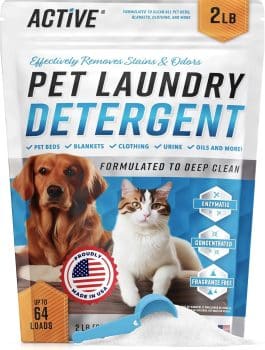
1. ACTIVE Enzyme Based Pet Laundry Detergent
Functional Mechanics: Formulated specifically to break down complex proteins, starches, and fats found in animal waste, saliva, and skin oils.
Application: Ideal for heavily soiled dog bed covers, washable crate pads, and plush toys that carry persistent biological odors.
Operational Note: Enzymatic activity depends heavily on water temperature; extremely high temperatures can denature cleaning enzymes, requiring strict adherence to package dosing and temperature guidelines.
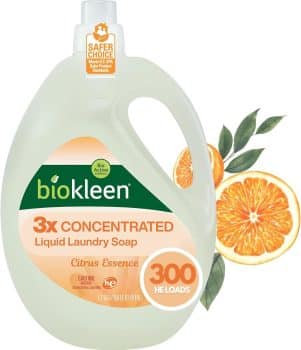
2. Biokleen Natural Laundry Detergent Liquid
Functional Mechanics: Utilizes plant-derived surfactants and citrus extracts to strip dirt and oils without synthetic dyes or artificial fragrances.
Application: Suitable for routine maintenance of blankets and bedding for canines diagnosed with contact dermatitis or environmental sensitivities.
Operational Note: Plant-based detergents offer a non-irritating wash alternative, though severe organic stains may require supplemental enzymatic boosters.
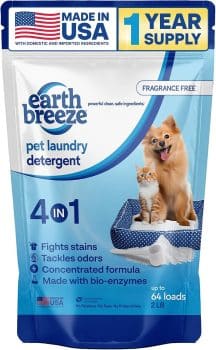
3. Earth Breeze Pet Laundry Detergent Powder
Functional Mechanics: A concentrated dry powder formula designed for precise dosing control per load size, eliminating excess water weight and plastic packaging.
Application: Preferred for heavy-duty washing routines where customized dosage adjustments are needed based on soil intensity.
Operational Note: Requires thorough dissolution in water to prevent powdery residue from trapping against dense fleece or sherpa linings.
Phase III: Targeted Chemical Additives and In-Wash Boosters
When standard wash cycles cannot fully eliminate lingering smells, laundry boosters provide supplemental chemical activity. These agents function alongside primary detergents to degrade volatile odor molecules without compromising fabric integrity.
+---------------------------------------------------------------------------------------+
|                         CHEMICAL ADDITIVES & BOOSTERS COMPARISON                      |
+---------------------------------------------------------------------------------------+
| Product Name         | Primary Mechanism            | Best Used For                   |
+----------------------+------------------------------+---------------------------------+
| POOPH Odor           | Molecular encapsulation      | Persistent dog park & wet-fur   |
| Eliminator           | and chemical bonding         | odors                           |
+----------------------+------------------------------+---------------------------------+
| Febreze Pet Supply   | Scent-trapping cyclodextrins | Freshening durable crate covers |
| Additive             | & fragrance masking          | and furniture throws            |
+----------------------+------------------------------+---------------------------------+
| Odorcide Laundry     | Heavy-duty chemical          | Severe urine, feces, or skunk   |
| Concentrate          | odor counteraction           | contamination                   |
+----------------------+------------------------------+---------------------------------+
| Nature's Miracle     | Enzymatic & bio-enzymatic    | Organic stain removal & old     |
| Laundry Boost        | digestion                    | protein accidents               |
+----------------------+------------------------------+---------------------------------+
| SKOUT'S HONOR Pet    | Bio-renewable surfactant     | Everyday booster for routine    |
| Laundry Booster      | reinforcement                | wash performance enhancement    |
+----------------------+------------------------------+---------------------------------+
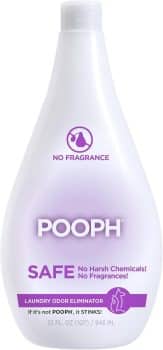
4. POOPH Laundry Odor Eliminator Additive
Mechanism: Employs a non-masking molecular bonding formula that encapsulates and neutralizes volatile organic compounds upon contact.
Target Application: Eliminating embedded "wet dog" smells from thick polyester blankets and orthopedic foam covers.
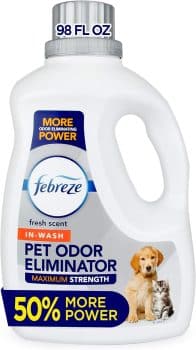
5. Febreze Laundry Detergent Additive for Pet Supplies
Mechanism: Combines odor-trapping cyclodextrin molecules with scent technology to neutralize active smells and leave a light freshness.
Target Application: Fabrics used in high-traffic common areas, such as couch throws and vehicle seat protectors.
6. Odorcide Laundry Pet Odor Eliminator
Mechanism: A concentrated counter-actant that alters the structure of odor-causing gas molecules, rendering them permanently odorless.
Mechanism: A bio-enzymatic formula engineered to break down uric acid, blood, drool, and fecal matter.
Target Application: Pre-soaking and in-wash processing of accident-impacted bedding, whelping pads, and soft toys.
8. SKOUT’S HONOR Pet Laundry Booster
Mechanism: Uses eco-friendly cleaning technology to boost detergent performance, removing tough stains and breaking down odor-causing residues.
Target Application: Universal laundry addition for homes with multiple pets requiring frequent cycle optimization.
Phase IV: Drying Operations, Mechanical Hair Separation, and Static Control
Transferring clean pet textiles to the dryer represents the final defense against clinging fur. Dynamic tumbling, static reduction, and strategic airflow help dislodge remaining guard hairs and channel them into the lint trap.
9. Bounce Pet Hair and Lint Guard Mega Dryer Sheets
Functionality: Infused with double the anti-static agents of standard sheets, these mega-sized sheets relax fabric fibers and eliminate static charge, allowing fur to loosen and pull away into the dryer catch.
Operational Caution: Avoid using on high-performance moisture-wicking materials or items worn by pets with severe chemical sensitivities.
10. Friendsheep Wool Dryer Balls
Functionality: Hand-felted organic wool spheres tumble between items to separate wet layers, increase warm air circulation, and reduce drying time without synthetic chemicals.
Operational Caution: While effective for reducing dryer times and softening fabrics naturally, wool balls do not actively collect hair; they rely on airflow to push loosened fur into the trap.
11. Reusable Pet Hair Remover Balls for Washing Machines & Dryers
Functionality: Constructed with textured, tacky silicone or friction-generating foam, these spheres catch floating hair during wet and dry cycles.
Operational Caution: Efficiency varies based on total load volume; overloading the machine restricts ball movement, reducing their ability to capture fur.
The accumulation of pet dander, grease, and hair inside washing machine drums, door seals, and drain filters can impair appliance performance, breed odor-causing mold, and cause drainage failures.
12. Uproot Clean Washing Machine Cleaning Tablets for Pet Owners
Functionality: Effervescent cleaning tablets formulated to dissolve hair-binding oils, lime scale, and biological sludge in hidden washer drums and pipes.
Maintenance Protocol: Run one full cycle with hot water monthly in an empty machine to clear internal residues.
13. ACTIVE Washing Machine Cleaner for Pet Owners
Functionality: Heavy-duty oxidizers and surfactants target trapped pet dander and mineral deposits inside high-efficiency (HE) washing machine systems.
Maintenance Protocol: Essential maintenance following heavy wash days involving muddy blankets or dense, shedding undercoats.
Supporting Context & Metrics
Understanding the science of pet laundry requires examining surfactant mechanics, thermal lethality thresholds for pathogens, and recommended maintenance schedules.
+-----------------------------------------------------------------------------------+
|                        CHEMICAL vs. MECHANICAL DECONTAMINATION                    |
+-----------------------------------------------------------------------------------+
| METHOD              | MECHANISM OF ACTION            | TARGET CONTAMINANT         |
+---------------------+--------------------------------+----------------------------+
| Enzymatic Hydrolysis| Catalytic breakdown of peptide | Protein stains, saliva,    |
|                     | bonds in organic matter        | blood, urine crystals      |
+---------------------+--------------------------------+----------------------------+
| Surfactant Micelles | Encapsulation of non-polar     | Body oils, skin dander,    |
|                     | lipophilic substances in water | surface mud                |
+---------------------+--------------------------------+----------------------------+
| Thermal Sanitation  | Heat denaturing of cellular    | Flea eggs, dust mites,     |
| (130°F / 54°C+)     | structures and micro-organisms | fungal spores, bacteria    |
+---------------------+--------------------------------+----------------------------+
| Electrostatic       | Neutralization of surface      | Guard hair, undercoat fur, |
| Neutralization      | charges releasing hair fibers  | lint                       |
+---------------------+--------------------------------+----------------------------+
Pathogen Sanitation Metrics
Thermal Lethality Threshold: According to public health standards, water temperatures reaching 130°F (54.4°C) combined with a minimum high-heat drying cycle of 30 minutes are required to eliminate parasite eggs (such as roundworms and hookworms), dust mites, and common pathogenic bacteria (Staphylococcus pseudintermedius, E. coli).
Enzyme Specificity: Enzymatic cleaners rely on protease (for proteins), amylase (for starches), lipase (for fats), and cellulase (for lint fibers). These biological catalysts operate best in warm water (90°F to 110°F / 32°C to 43°C); water exceeding 140°F (60°C) permanently denatures the proteins, rendering them ineffective.
Standardized Household Textile Care Routine
Item Category
Recommended Washing Frequency
Primary Cleaning Objective
Recommended Temperature / Cycle
Dog Bed Covers & Throws
Weekly (7 Days)
Remove dander, shed oils, VOC odor molecules
Warm/Hot wash; High-heat dry
Grooming & Bath Towels
Immediately after use
Prevent damp bacterial growth and mildew
Hot wash (130°F+); Sanitizing dry
Crate Mats & Pads
Every 7 to 10 Days
Clear compacted hair and soil
Medium warm wash; Air or tumble dry
Plush & Fabric Toys
Bi-weekly or when saturated
Remove dried saliva, bacterial buildup
Gentle warm wash in mesh bag
Car Seat Covers
Monthly or post-travel
Strip dried mud, road grime, grit
Cold/Warm wash; Line dry to preserve backing
Washing Machine Tub
Monthly (30 Days)
Clear internal lint buildup, oils, mold
Hot drum-clean cycle with washer tablet
Official Statements
Public Health Directives: Centers for Disease Control and Prevention (CDC)
The CDC offers explicit instructions regarding the management of animal textiles within residential settings to minimize zoonotic risks:
"Clean soft pet items (such as bed covers, blankets, and cloth toys) regularly. Wash pet items using laundry detergent and the warmest appropriate water setting recommended by the manufacturer. To sanitize items, run them through a drying cycle on high heat for at least 30 minutes if the material can safely tolerate it."
The CDC further clarifies co-mingling protocols:
"Pet items can generally be washed in the same machine used for human clothing, provided appropriate detergent and wash parameters are selected. For animals or humans with sensitive skin, dye-free and fragrance-free detergents are recommended to reduce contact irritation risks."
Canine Welfare and Care Guidelines: American Kennel Club (AKC)
The AKC emphasizes structural material care and mechanical pre-cleaning to extend bed life and protect appliances:
"Before placing any dog bed or blanket into a washing machine, it is critical to mechanically strip excess hair using a vacuum, rubber glove, or lint tool. Wet hair expands and mats, creating heavy blockages in household plumbing and preventing water from fully penetrating fabric weaves."
The AKC further warns against unventilated drying:
"Ensure inner foam cores or thick fill materials are completely dry before returning them to service. Trapped moisture inside dense orthopedic foam creates an ideal environment for mold, mildew, and bacterial colonies."
Future Outlook
The landscape of pet textile care continues to evolve through innovations in material science and specialized appliance manufacturing. Modern consumers increasingly seek high-performance cleaning solutions that minimize environmental impact and lower exposure to harsh synthetic chemicals.
+-----------------------------------------------------------------------------------+
|                             FUTURE INDUSTRY TRENDS                                |
+-----------------------------------------------------------------------------------+
|  1. BIOLOGICAL & SUSTAINABLE CLEANING SOLUTIONS                                   |
|     • Advanced bio-surfactants derived from fermented agriculture                 |
|     • Targeted enzymatic formulations optimized for quick cold-water washes       |
|                                                                                   |
|  2. APPLIANCE INNOVATION & PET INTEGRATION                                        |
|     • Dedicated high-capacity lint and hair separation filters built into washers |
|     • Dedicated steam-sanitation cycles tailored for thick pet bedding            |
|                                                                                   |
|  3. ADVANCED HYPOALLERGENIC TEXTILES                                              |
|     • Anti-static, woven textiles designed to resist fur embedding                 |
|     • Antimicrobial fabric treatments embedded into dog bed liners                |
+-----------------------------------------------------------------------------------+
Key Emerging Trends:
Cold-Water Enzymatic Formulations: Traditional enzymatic action requires warm water to activate effectively. Chemical manufacturers are developing engineered cold-water enzymes that break down lipophilic dander and urine crystals at lower temperatures, reducing domestic energy use.
Pet-Specific Appliance Technologies: Next-generation washing machines are beginning to incorporate dedicated pet-care cycles. These feature high-volume water flushes, variable drum agitation profiles to loosen stubborn hair, and secondary lint filtration traps engineered to capture coarse pet fur before it reaches internal pump impellers.
Hydrophobic and Anti-Static Fabric Innovation: Manufacturers are expanding the use of advanced synthetic knits coated with non-toxic hydrophobic and anti-static finishes. These fabrics actively repel moisture and surface oils while preventing pet hair from weaving into the weave, simplifying mechanical pre-wash extraction.
By combining disciplined mechanical hair removal, targeted chemical and enzymatic detergents, proper drying temperatures, and regular appliance maintenance, pet owners can easily maintain a clean, hygienic home while keeping their canine companions comfortable.