Date: October 12, 2026 By: Editorial Staff, Global Animal Welfare Desk
Executive Overview
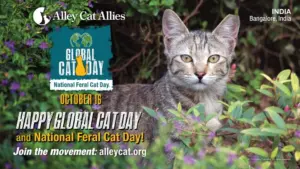
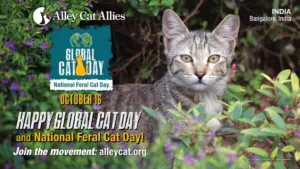
As communities across the globe prepare to mark Global Cat Day and National Feral Cat Day this coming Friday, October 16, 2026, animal advocates are reflecting on a year defined by monumental legal victories, policy shifts, and grassroots resilience. The core message of this year’s international mobilization remains as steadfast as ever: Cats Are Community™. This guiding principle asserts that felines—whether domestic house pets, working mousers, or unowned community and feral cats—are an intrinsic part of the social fabric. As such, they deserve municipal and federal protections, equitable legal recognition, and humane resource allocation.
From the sun-drenched historic fortifications of Puerto Rico to the scorching desert landscapes of Tempe, Arizona, recent months have underscored both the extreme vulnerabilities and the incredible resilience of community cats. Crucially, 2026 has proven that when communities mobilize, policies can be rewritten to favor life and compassion over lethal eradication.
This comprehensive report examines the state of community cat advocacy ahead of Global Cat Day 2026. It chronicles the landmark legal battle that saved the historic cats of Paseo del Morro, analyzes the success of progressive Trap-Neuter-Return (TNR) programming in Tempe, details the broader policy metrics shaping animal welfare, and outlines how global citizens can take actionable steps to support the movement.
Detailed Chronology: Key Milestones in the 2025–2026 Advocacy Cycle
The path toward a more humane world for unowned cats is paved with persistent legal challenges, legislative battles, and community-led victories. The past year has seen several critical developments that have reshaped the landscape of feline welfare.
Late 2023: The Threat at Paseo del Morro
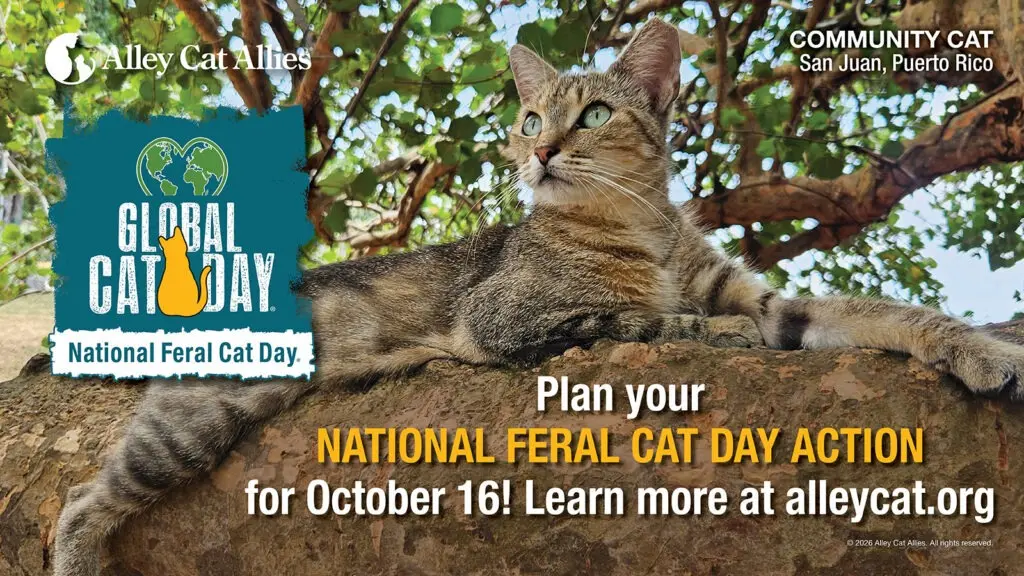
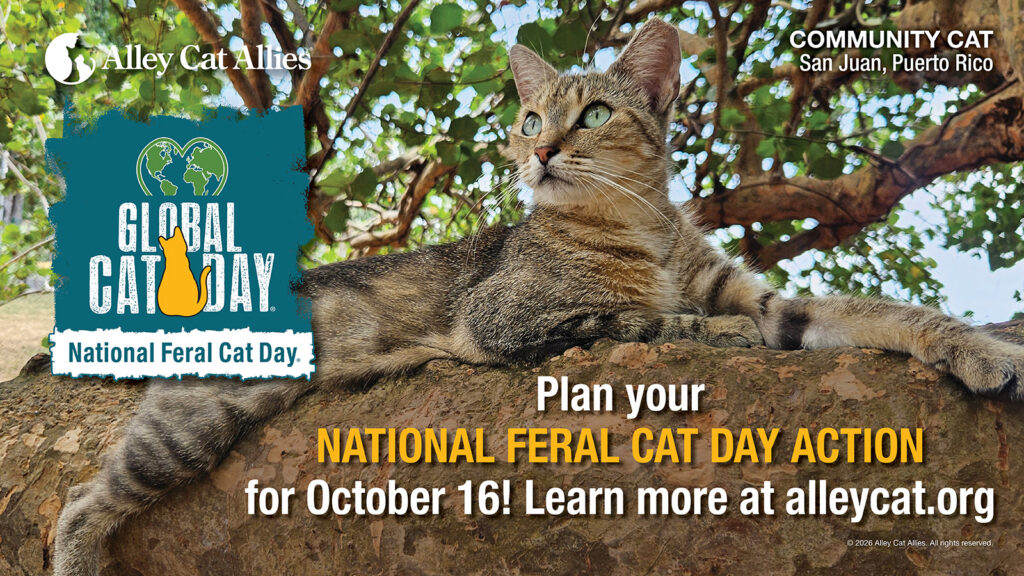
The trouble began when the U.S. National Park Service (NPS) announced a controversial management plan targeting the iconic community cats residing along the Paseo del Morro—a historic walkway leading to the historic San Felipe del Morro Fortress in San Juan, Puerto Rico. For centuries, cats have lived harmoniously within this cultural landscape, deeply woven into the heritage of the island and cared for by generations of dedicated local residents.
The NPS proposal outlined a scheme that opened the door for the lethal removal and deadly eradication of these cats, sparking immediate outrage among Puerto Ricans and international animal welfare organizations. To the local community, the cats were not pests; they were cultural artifacts and beloved neighbors.
Throughout 2024–2025: Mobilization and Legal Resistance
Recognizing the imminent danger, Alley Cat Allies—alongside local advocates, caregivers, and legal experts—mounted an aggressive defense. Rather than accepting the federal agency’s lethal mandate, advocates launched a historic federal lawsuit to halt the eradication plan. Simultaneously, on-the-ground volunteers continued direct care operations, feeding, monitoring, and providing medical attention to cats like Llorin and Bella. This dual-pronged strategy of legal accountability and grassroots advocacy garnered international attention, putting pressure on federal decision-makers to reconsider their stance.
Mid-2026: The Landmark Victory in Puerto Rico
Following months of intense litigation, negotiations, and public advocacy, a historic resolution was reached. The threat of lethal removal was permanently lifted, securing a safe future for the Paseo del Morro cats. Today, felines like Llorin and Bella roam their historic home unhindered by the shadow of eradication. This victory stands as a testament to the power of community-led resistance against federal overreach.
Ongoing 2026: Expansion of Progressive Municipal TNR Programs
While the legal battle in Puerto Rico dominated headlines, cities across the United States continued to refine and expand humane alternatives to lethal animal control. Notably, Tempe, Arizona, emerged as a national model for compassionate municipal animal welfare. By integrating government-funded Trap-Neuter-Return (TNR) programs as the cornerstone of its stray and feral cat management, Tempe has demonstrated that arid urban environments can successfully and sustainably support thriving community cat populations without resorting to traditional, ineffective catch-and-kill methods.
Supporting Context & Metrics: The Science and Reality of Community Cats
To understand the significance of Global Cat Day, one must examine the socio-ecological realities surrounding unowned cats and the data supporting Trap-Neuter-Return (TNR) over archaic eradication methods.
The Ecological Realities of Extreme Environments: The Case of Tempe, Arizona
Operating a successful community cat program in a desert climate presents unique logistical challenges. In Tempe, Arizona, where temperatures routinely exceed 100 degrees Fahrenheit for much of the year, felines have adapted remarkably well. Tabby cats like "Guy"—who made headlines for expertly dodging the midday heat by taking shelter behind desert cacti—typify the adaptability of community cats.
However, survival in extreme weather requires structural support. Urban heat islands and arid conditions necessitate targeted interventions, including accessible hydration stations, shaded feeding areas, and coordinated caregiver networks. Tempe’s municipal government recognized that traditional animal control methods—which historically relied on impounding and euthanizing outdoor cats—were both inhumane and ineffective at reducing population numbers.
By replacing these methods with a robust, city-funded TNR framework, Tempe has achieved remarkable metrics:
Stabilized Populations: TNR effectively halts the reproductive cycle, leading to a natural, gradual decline in free-roaming cat populations over time without the use of lethal force.
Reduced Shelter Intake and Euthanasia: By sterilizing and returning cats to their outdoor homes, municipal shelters experience a dramatic drop in feline intake, freeing up critical resources and saving taxpayer dollars.
Mitigated Nuisance Behaviors: Spaying and neutering drastically reduces roaming, caterwauling, and spraying, leading to significantly fewer complaints from local residents and fostering peaceful coexistence between humans and animals.
The Cultural Significance of Cats in Puerto Rico
The victory at Paseo del Morro is as much a cultural triumph as it is an animal welfare milestone. In Puerto Rico, cats are deeply embedded in the island’s historical identity. Centuries of maritime history, coastal trade, and human settlement created an ecosystem where humans and felines naturally coexisted.
When federal agencies attempted to apply a one-size-fits-all, mainland-style eradication policy to the historic site, they ran afoul of a deeply rooted cultural ethos. Puerto Ricans view their community cats not as invasive nuisances, but as fellow citizens of the island. The successful defense of these animals highlights an essential sociological truth: effective animal policy must respect, rather than erase, the cultural bonds between local communities and the animals that share their homes.
Official Statements and Perspectives
Leaders within the animal advocacy space have emphasized the profound implications of these recent developments as the world approaches Global Cat Day 2026.
"The victory at Paseo del Morro proves that when communities stand up for their cats, justice prevails," noted a senior spokesperson for Alley Cat Allies. "Puerto Rico’s cats are an inseparable part of the island’s heritage. To have allowed their eradication would have been a tragedy for both animal welfare and cultural preservation. Today, Llorin, Bella, and countless others are safe, setting a vital precedent for federal land management policies nationwide."
Regarding municipal progress, urban animal policy experts have pointed to cities like Tempe as the blueprint for future reform.
"Tempe demonstrates what is possible when local government aligns with science and compassion," stated an urban wildlife management consultant. "Trap-Neuter-Return is not merely a cat management tool; it is a community-building initiative. When residents, caregivers, and city officials work together to protect animals like Guy, entire neighborhoods benefit from increased empathy, reduced shelter strain, and sustainable solutions."
Future Outlook: The Road Ahead for Global Cat Day and Beyond
As Global Cat Day and National Feral Cat Day 2026 arrive on October 16, the animal welfare community is looking forward to the next frontier of advocacy. While the victories in Puerto Rico and Tempe offer immense inspiration, significant work remains to be done on a global scale.
1. Legislative Reform and Policy Standardization
Advocates are pushing for statewide and national legislation that formally recognizes Trap-Neuter-Return as the standard operating procedure for municipal shelters. Too many jurisdictions still rely on outdated ordinances that penalize caregivers or permit lethal control measures. Shifting the legal paradigm to enfranchise community cats as protected members of the urban ecosystem remains a top priority.
2. Expanding Grassroots Infrastructure
The success of programs in Tempe and elsewhere relies heavily on the tireless efforts of individual volunteers and grassroots organizations. Future initiatives will focus heavily on expanding access to low-cost spay/neuter clinics, veterinary resources, and educational programs to empower local caregivers in underserved regions.
3. Fostering Global Solidarity
Global Cat Day serves as a unifying platform to connect advocates across continents. By sharing success stories—from saving historic coastal cats to implementing desert-survival TNR models—the international animal protection movement continues to build a robust, interconnected network capable of challenging cruelty wherever it arises.
How You Can Take Action Today
You do not have to wait until October 16 to make a difference. Global Cat Day is a call to action for animal lovers everywhere. Here is how you can get involved:
Take a National Feral Cat Day Action: Visit the official Global Cat Day action portal to discover meaningful ways you can advocate for cats in your local community. Share your actions on social media using the hashtags #GlobalCatDay and #NationalFeralCatDay to amplify the message.
Donate in Honor of Global Cat Day: Support the ongoing legal, educational, and direct-care initiatives spearheaded by organizations like Alley Cat Allies. Your contributions directly fund efforts to protect cats from lethal policies and expand life-saving TNR programs worldwide.
Get Your Global Cat Day Gear: Wear your compassion on your sleeve by purchasing official campaign merchandise. Every t-shirt or accessory worn helps spark vital conversations about community cat protection in your daily life.
As we celebrate the triumphs of the past year—from the historic cliffs of San Juan to the sun-baked streets of Tempe—let us recommit to the vision of a world where every community recognizes a fundamental truth: Cats Are Community.