
Executive Overview
For millennia, the black cat has occupied a singular, deeply polarized position in the human imagination. Prowling through ancient artwork, religious manuscripts, superstitious folklore, and modern pop culture, these sleek felines have been alternately revered as sacred protectors, condemned as demonic familiars, and celebrated as symbols of bohemian elegance. Their glossy coats and luminous eyes make them undeniably striking companions, yet the sweeping psychological and cultural narratives projected onto their dark fur reveal far more about human psychology, societal anxieties, and historical shifts than they do about the animals themselves.
Despite modern advancements in animal welfare and education, black cats continue to navigate unique challenges in rescue facilities and shelters due to lingering myths. However, a global movement spearheaded by animal advocates, geneticists, and historians is successfully reframing the public perception of these animals. By examining the true genetic origins of their pigmentation, their complex historical trajectory across different continents, and the persistent impact of adoption stereotypes, we can dismantle centuries of unfounded superstition. Ultimately, behind every piece of gothic literature and every Halloween decoration is a sentient, individual companion whose worth is defined by personality and character—not coat color.
Detailed Chronology: From Ancient Reverence to Medieval Persecution
The Ancient Foundations: Egypt and the Cult of Bastet
The historical narrative of domesticated cats is inextricably linked to Ancient Egypt, where felines were prized for their pragmatic value as guardians of grain stores against rodent infestations. However, their role quickly transcended utility, embedding itself deeply into the spiritual framework of Egyptian society.
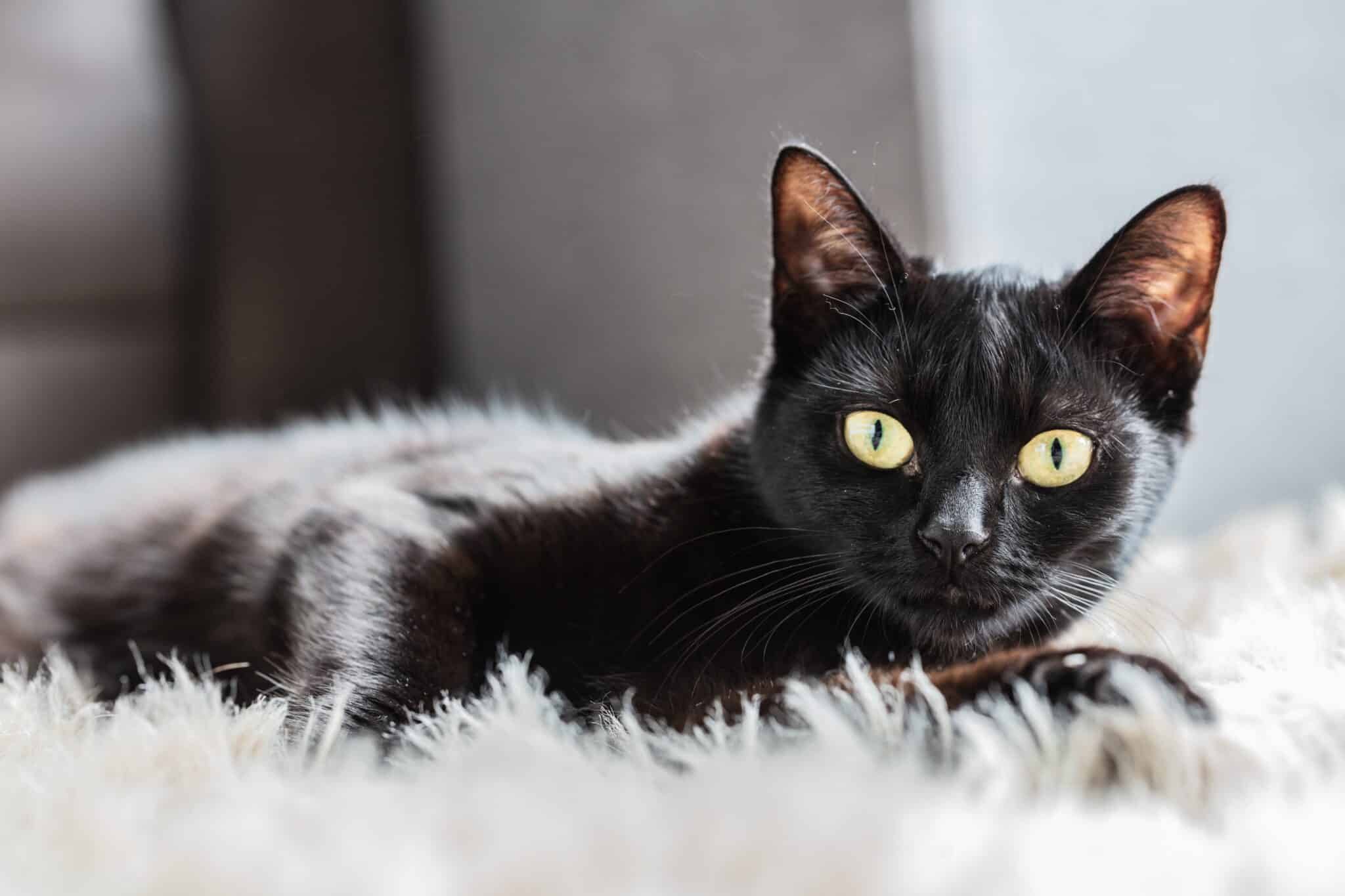
The goddess Bastet, originally envisioned as a fierce lioness, evolved over centuries into a protector of the home, fertility, motherhood, and domestic harmony, frequently depicted with the head of a domestic cat. While popular modern retellings sometimes romanticize the era by claiming every black cat was individually worshipped as a living deity, the historical record indicates a broader, institutionalized reverence for all felines. Harming a cat—intentionally or accidentally—was considered a capital offense. This foundational epoch established humanity’s deep-seated fascination with the elegance and enigmatic presence of the cat, setting a high standard of societal admiration that subsequent centuries would dramatically disrupt.
Medieval Europe and the Rise of Supernatural Associations
As Christianity spread throughout Europe during the medieval period, cultural attitudes toward animals underwent a profound and often dark transformation. Pre-Christian traditions and localized pagan folklore were increasingly viewed with suspicion by religious authorities.
During the medieval and early modern periods, cats—particularly those with dark or solid black coats—became entangled in mounting societal anxieties regarding witchcraft and the occult. Folklore encouraged the belief that witches could transform into felines or employ animal familiars to execute dark magic. This association intensified dramatically during periods of widespread civil unrest and witchcraft trials, where ordinary domestic animals frequently became collateral targets alongside human victims. These historical grievances laid the groundwork for the persistent spooky imagery that defines modern autumn celebrations.
The Impact of Vox in Rama (1233)
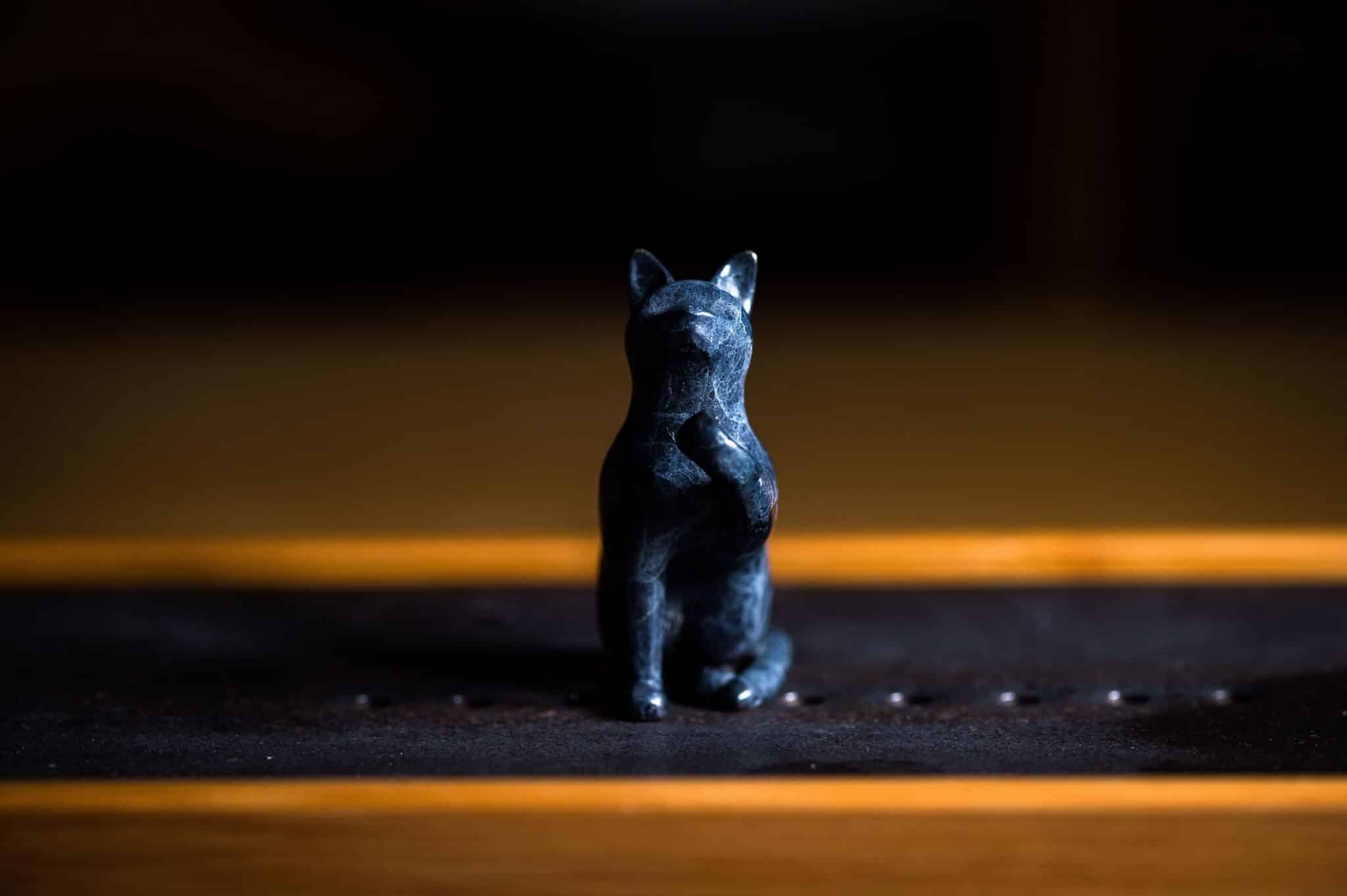
A frequently cited historical turning point in the institutional demonization of felines is the issuance of Vox in Rama in 1233 by Pope Gregory IX. This papal document addressed the emergence of heresy in Germany and included a vivid, disturbing account of alleged heretical rituals involving a cat associated with the devil.
While popular culture has often simplified this event into a sweeping, universal ecclesiastical decree ordering the extermination of all black cats across Europe—a misconception that some historians argue contributed to a rise in rodent populations during the Black Death—the actual historical record is considerably more nuanced. Vox in Rama was a localized response to specific heretical sects rather than a blanket ban on dark-coated pets. Nevertheless, its publication contributed significantly to the broader cultural currents linking cats, heresy, and supernatural dread, leaving an indelible mark on European folklore.
Supporting Context & Metrics: Cultural Divergence, Maritime Traditions, and Literature
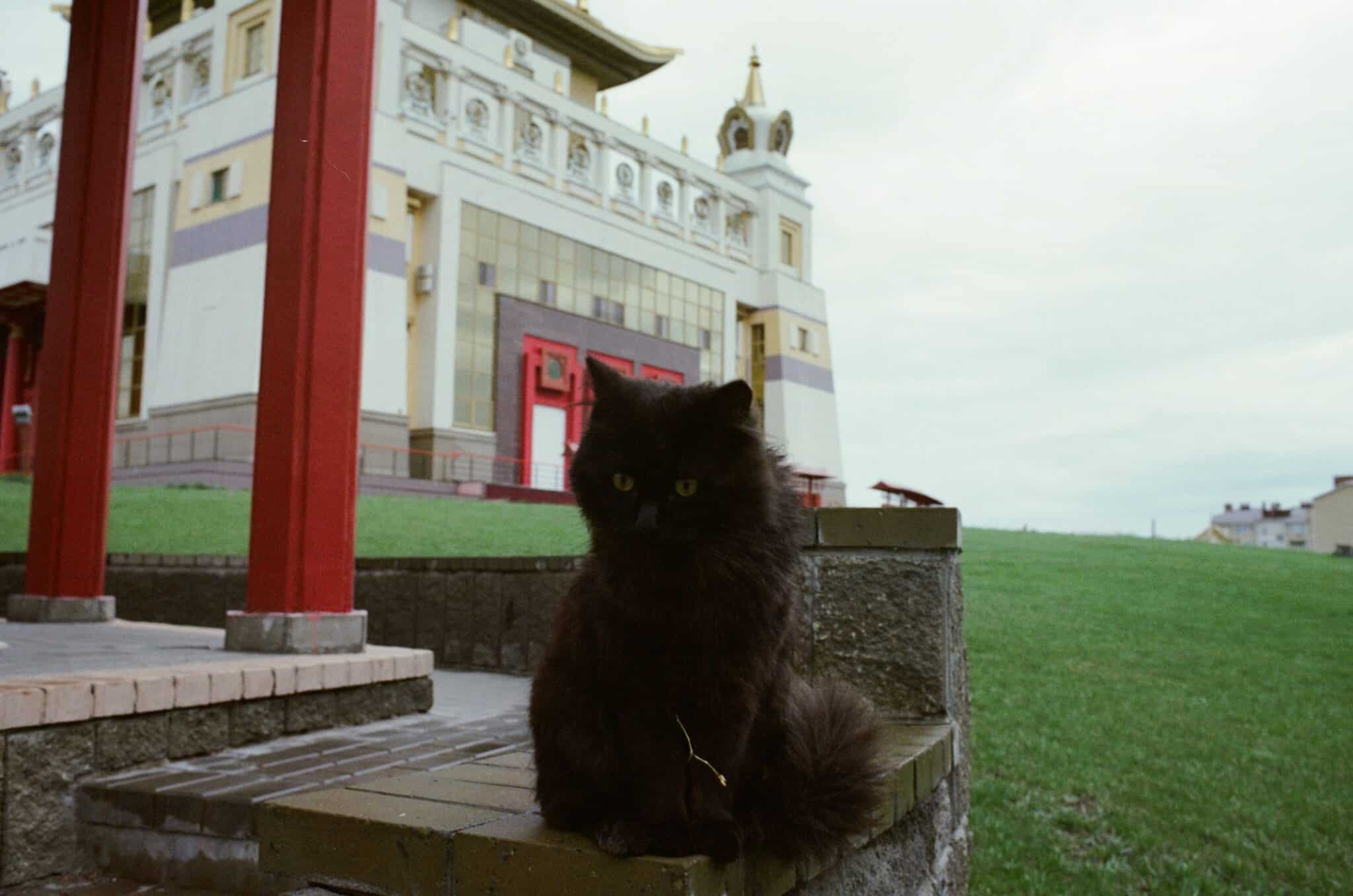
While continental Europe experienced waves of suspicion regarding dark-coated felines, other regions cultivated vastly contrasting traditions that celebrated black cats as harbingers of good fortune and prosperity.
| Region / Culture | Cultural Belief / Superstition | Practical or Social Role |
|---|---|---|
| Ancient Egypt | Broad reverence for felines; association with the goddess Bastet. | Protection of grain stores; sacred domestic companions. |
| Scotland & Britain | Arrival of a black cat at a home signifies prosperity and good luck. | Household companionship; luck charms for families and fishermen. |
| Japan | Associated with good fortune, romance, and protection (Maneki-neko influence). | Urban and domestic companions; symbols of safe journeys. |
| Maritime Communities | Valued as shipboard pest controllers; variable beliefs regarding luck. | Eliminating rodents on long voyages; psychological comfort for sailors. |
Maritime Companionship and Global Perspectives
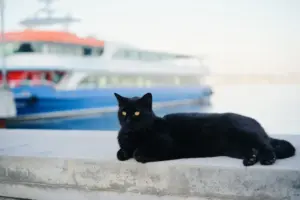
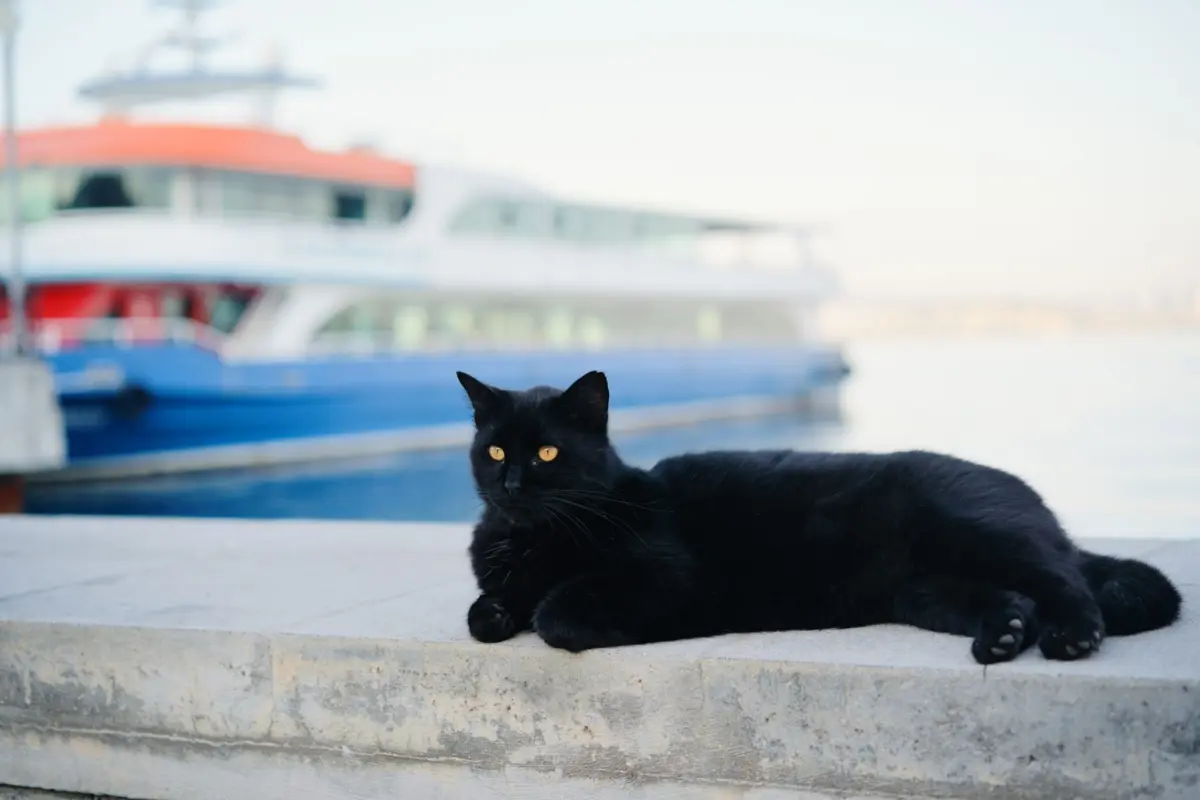
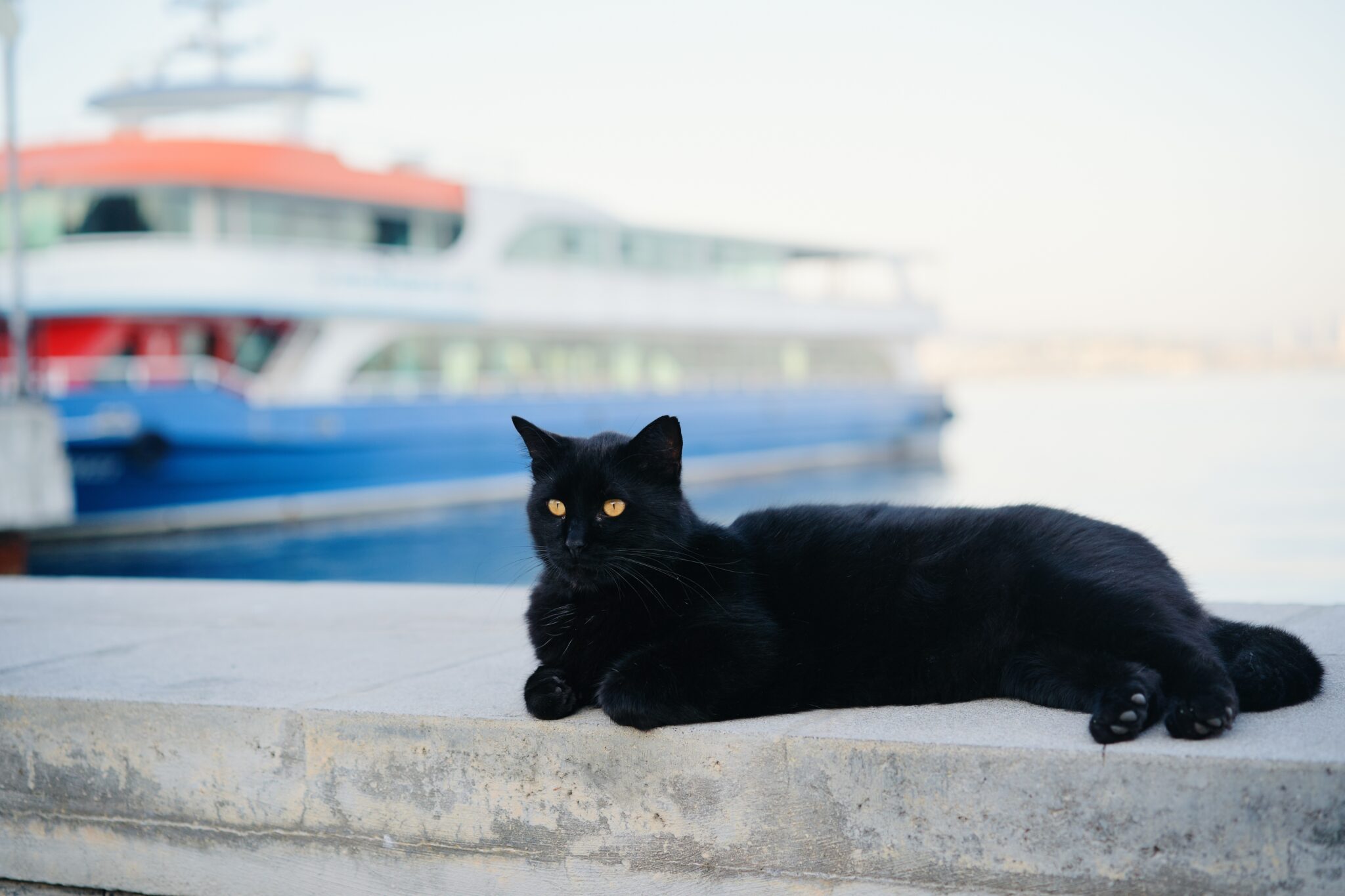
Far from fearing them, sailors throughout maritime history actively sought out cats—including those with black coats—to serve aboard ships. Wooden sailing vessels were perpetually vulnerable to rats and mice, which could decimate food stores, chew through vital rigging, and spread disease. Cats were the ultimate biological defense.
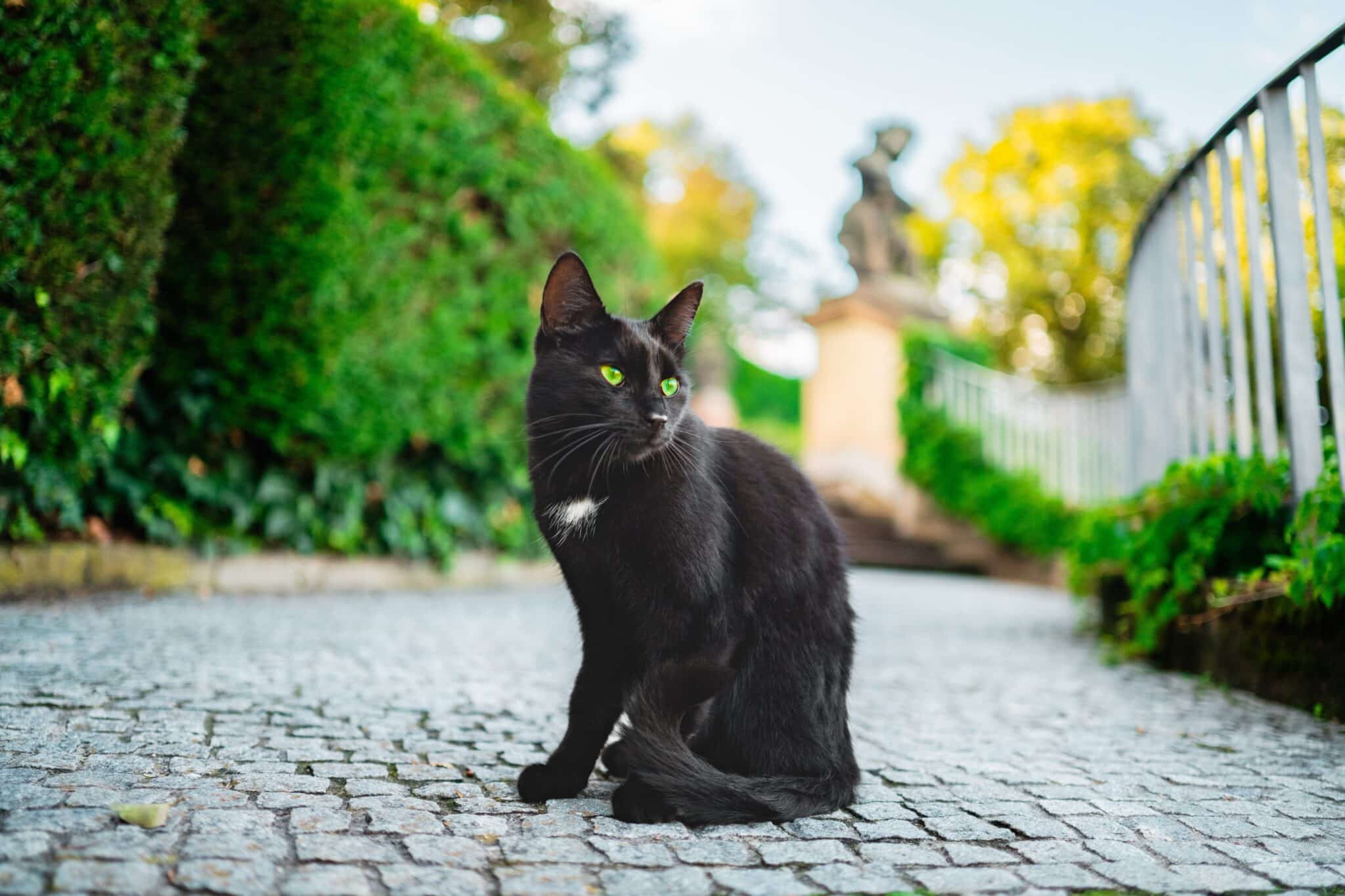
Beyond their practical utility, seafaring crews developed rich maritime superstitions. In many British and European coastal communities, a black cat aboard a ship was believed to bring good luck and ensure a safe return home. If a ship cat approached a sailor, it was seen as a sign of favor; if it turned away, caution was advised. These contrasting views demonstrate that human symbolism is highly flexible, shaped more by local maritime culture and psychological reassurance than by the cat’s physical traits.
Similarly, in Japanese folklore, black cats (koneko) are frequently viewed as auspicious symbols. They are believed to bring good luck, ward off evil spirits, and even help single women find suitors. In British tradition, gifting a black cat to a bride was thought to grant good fortune and happiness to her marriage.
Gothic Literature and Artistic Silhouettes
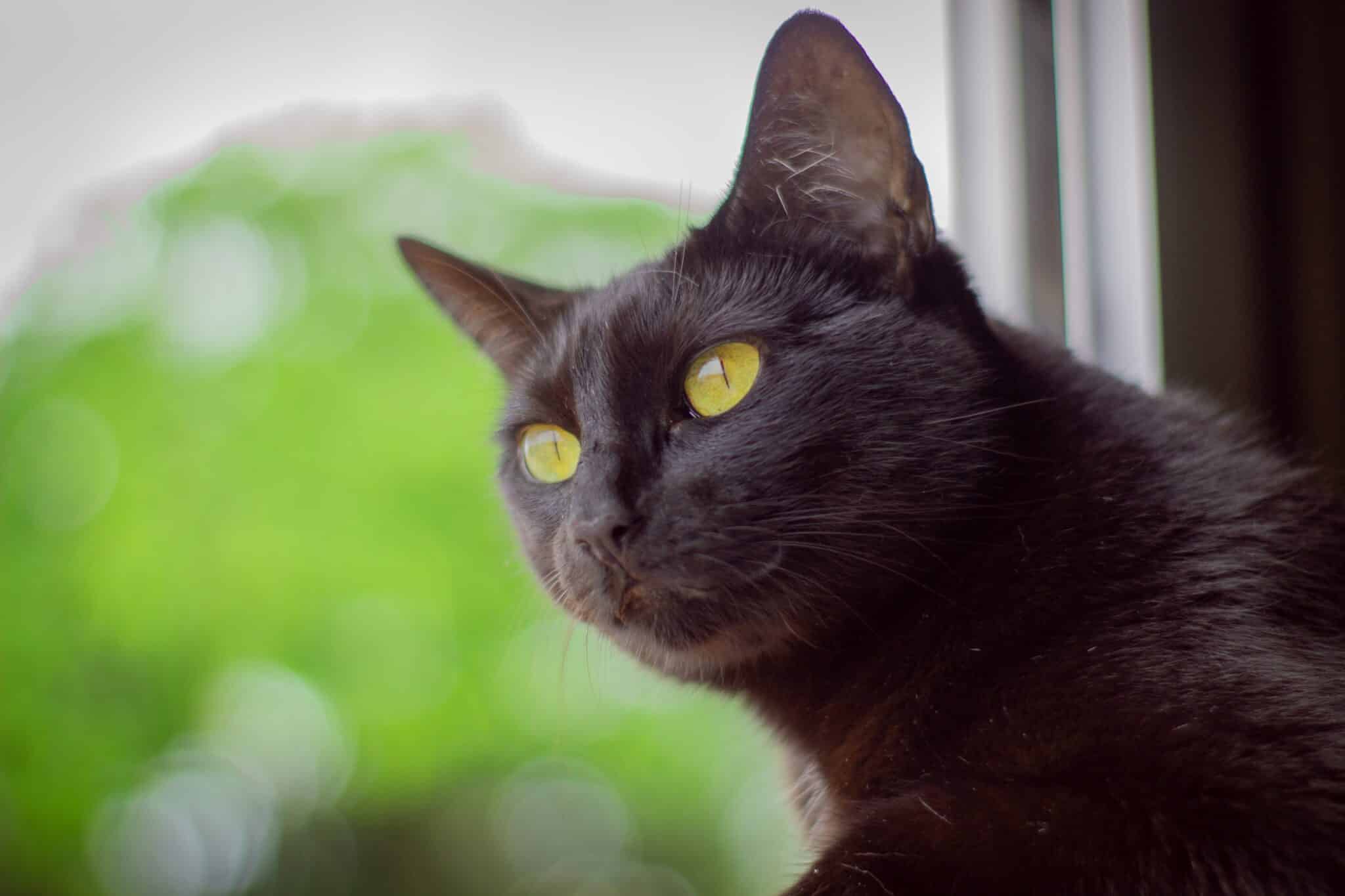
The 19th century cemented the black cat’s place in high art and literature. Edgar Allan Poe’s chilling 1843 short story, The Black Cat, utilized the psychological weight of the animal’s dark coat to explore themes of guilt, alcoholism, and moral decay. While masterful in building Gothic atmosphere, Poe’s fictional representation bore no relation to the gentle, affectionate nature of real-world felines.
Simultaneously, visual artists embraced the clean, dramatic silhouette of the black cat. During the late 19th-century Parisian bohemian movement, the famous cabaret Le Chat Noir (The Black Cat) utilized a sleek feline emblem that became an enduring symbol of artistic avant-garde culture. Painters and poster designers relied on the high visual contrast of black fur and luminous golden eyes to convey mystery, elegance, and sophistication.
Official Statements & Shelter Insights: Overcoming Adoption Stereotypes
Despite their rich artistic and cultural history, black cats continue to face systemic challenges in modern animal welfare systems. Rescue organizations, shelters, and veterinarians frequently report that black cats experience longer average stays in shelters compared to their multi-colored or lighter-coated counterparts.
The "Black Cat Bias" in Animal Shelters
Animal welfare experts attribute this phenomenon to a combination of factors, colloquially known as "Black Cat Syndrome":
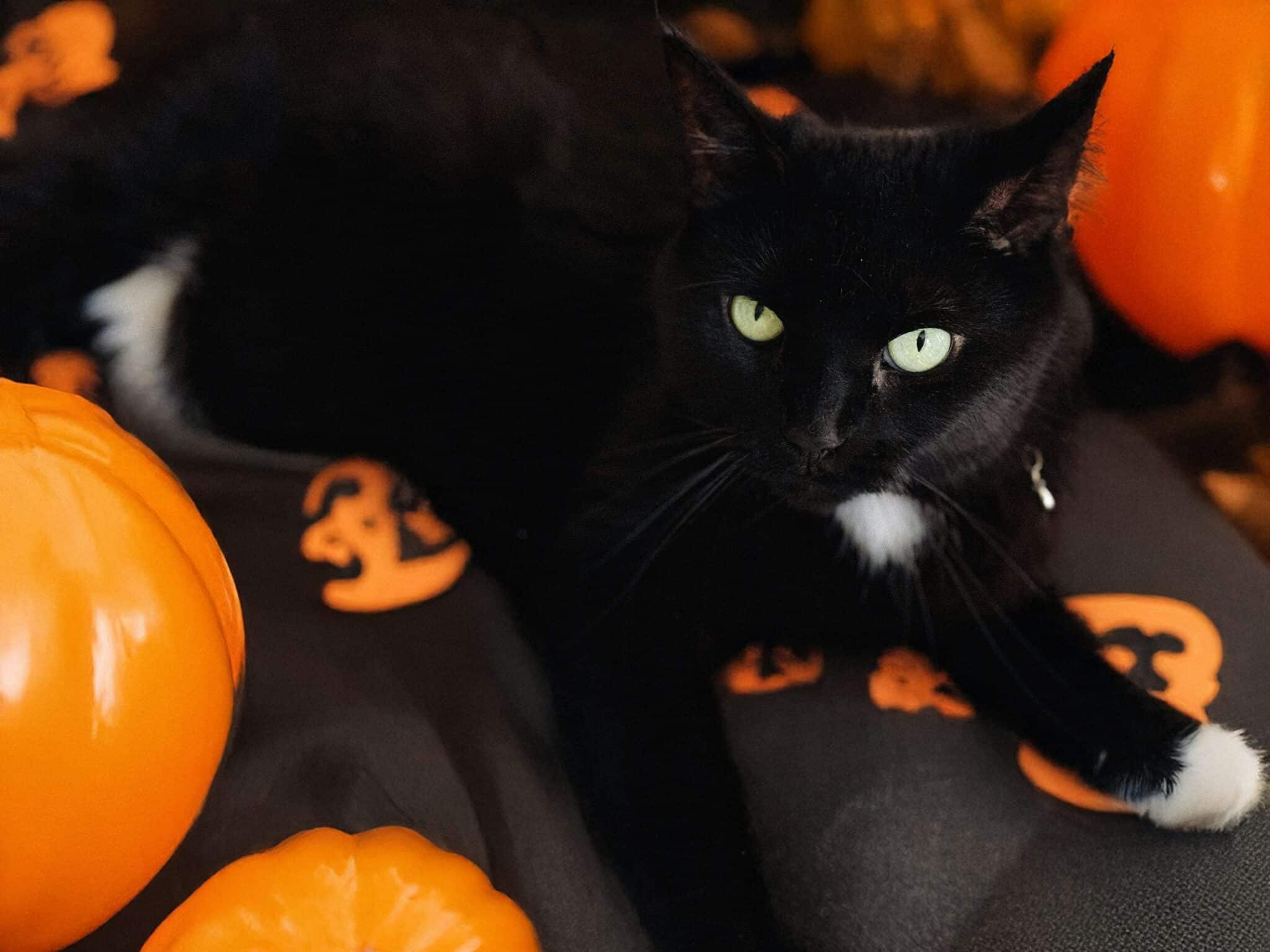
- Photographic Challenges: Black cats are notoriously difficult to photograph well in traditional shelter environments without professional lighting, often rendering their features indistinguishable in online adoption listings.
- Lingering Superstitions: Subconscious cultural associations linking black cats with bad luck or Halloween imagery still influence a subset of potential adopters.
- Visual Uniformity: In crowded shelter conditions, solid black cats can appear uniform, making it harder for individual personalities to stand out to casual adopters scanning rows of cages.
$$textShelter Stay Duration = f(textPhotogenic Quality + textCultural Bias + textVisual Uniformity)$$
Industry Responses and Appreciation Days
To combat these misconceptions, animal advocacy groups have established dedicated cultural milestones. National Black Cat Appreciation Day (observed on August 17 in the United States and October 27 in the United Kingdom) serves as an annual platform for shelters to highlight adoptable black cats, share success stories, and educate the public on the science of feline genetics.

Shelters frequently run adoption specials, social media campaigns, and educational outreach programs during October to protect black cats from potential seasonal harm and to encourage families to look past coat color when evaluating a pet’s compatibility.
Future Outlook: Genetics, Science, and Responsible Ownership
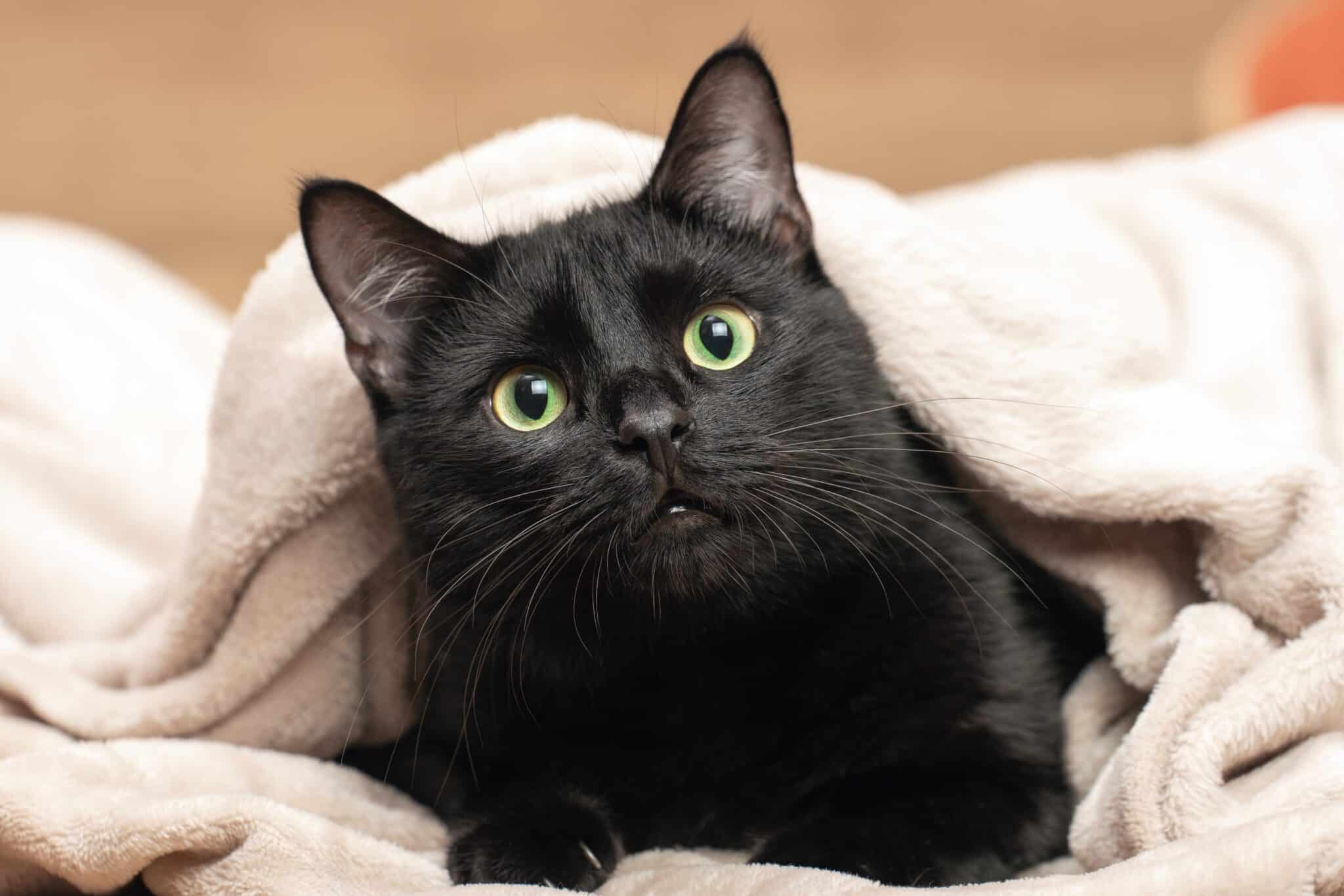
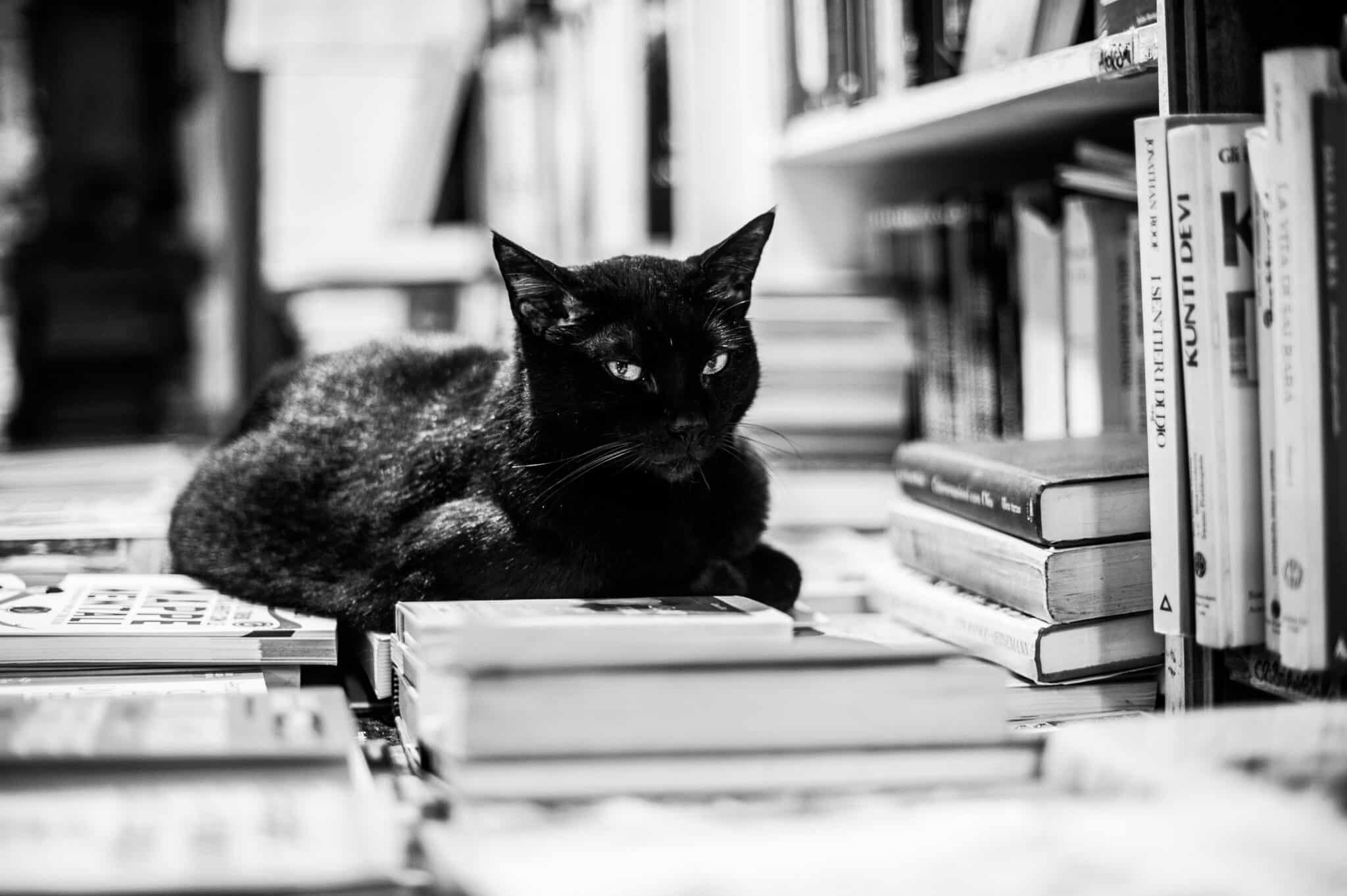
Modern science has thoroughly demystified the physical characteristics of the black cat. From a genetic standpoint, a cat’s dark coat is the result of melanin production regulated by specific pigmentation genes. Variations in these genes produce a solid black coat (melanistic presentation), though many black cats possess a hidden "tabby" pattern that becomes visible under direct sunlight, a phenomenon often referred to as "rusting" or a "ghost stripe." Their striking eye colors—ranging from brilliant gold and copper to vibrant green—are determined by entirely independent genetic factors.
Embracing Individuality in the 21st Century
Looking forward, the trajectory of how society views black cats is shifting decisively toward education, empathy, and scientific literacy. As digital media platforms amplify the charming, playful, and affectionate personalities of household black cats, public perception is undergoing a rapid modernization.
Veterinarians and behaviorists emphasize that a cat’s temperament, affection levels, and energy are governed by socialization, individual genetics, and environment—never by the color of its fur. By celebrating events like National Black Cat Appreciation Day and supporting local rescue shelters, communities can ensure that these magnificent animals are judged not by centuries-old superstitions or cinematic tropes, but by their capacity to offer boundless companionship, loyalty, and love.