
By the Editorial Staff
Specialized reporting based on clinical insights from Kendra Freeman, DVM, MS, DACVS (Large Animal/Small Animal)
Executive Overview
Modern veterinary medicine stands at a fascinating intersection of advanced medical technology, readily accessible public information, and heightened pet-owner expectations. Today’s veterinary clients are no longer passive recipients of medical advice; instead, they arrive at clinics armed with information—and misinformation—harvested from internet search engines, social media forums, and emerging artificial intelligence platforms. While an informed client can facilitate a more sophisticated and cooperative medical discussion, unrealistic or flawed pre-conceived notions can severely compromise the therapeutic journey.
In companion animal surgery, bridging the gap between clinical reality and client perception is arguably just as critical as the technical execution of the procedure itself. From evaluating complex, multi-factorial orthopedic conditions like cranial cruciate ligament (CCL) tears to managing anesthetic risks, navigating advanced surgical options, and enforcing strict postoperative recovery protocols, veterinary professionals face unique communication hurdles.
This comprehensive report explores the multifaceted nuances of modern veterinary surgical practice. Drawing upon the expert insights of Dr. Kendra Freeman, a dual-certified surgeon specializing in both large and small animal medicine, we examine how thorough physical examinations, transparent discussions of patient frailty versus chronological age, and proactive management of compliance challenges can fundamentally alter patient outcomes for the better.
Detailed Chronology: The Journey of a Surgical Case
To truly understand the modern veterinary client experience, one must trace the chronological pathway a case takes—from the initial symptom and primary care visit to specialist referral, surgical intervention, and the critical recovery phase.
Phase 1: The Initial Discovery and Digital Research
The journey typically begins at home. An owner notices a subtle limp, a change in behavior, or a reluctance to jump. Before even stepping foot in a clinic, many modern pet owners turn to the internet. By the time they consult with their primary care veterinarian (PCV), they may have already self-diagnosed their pet.
For elective or non-emergent cases, there is often a temporal window between the primary care assessment and a specialist referral consultation. During this window, clients dive deeper into medical literature, surgical videos, and peer forums. If the sourced information is reliable, it primes the owner for a constructive dialogue. Conversely, unregulated digital spaces often breed unrealistic expectations regarding recovery times, procedural costs, and success rates.
Phase 2: The Diagnostic Workup and Comorbidity Recognition
Upon reaching a specialty or referral practice, the surgeon’s role extends beyond simply reading radiographs; it requires contextualizing the entire patient. Sometimes, a diagnosis is straightforward—such as the identification of a single large cystolith. Frequently, however, apparent simplicity masks deeper complexities.
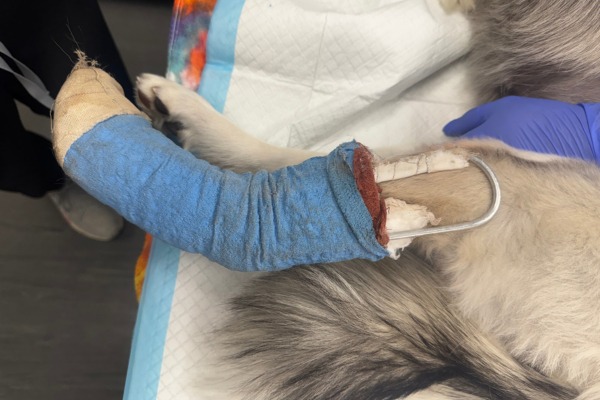
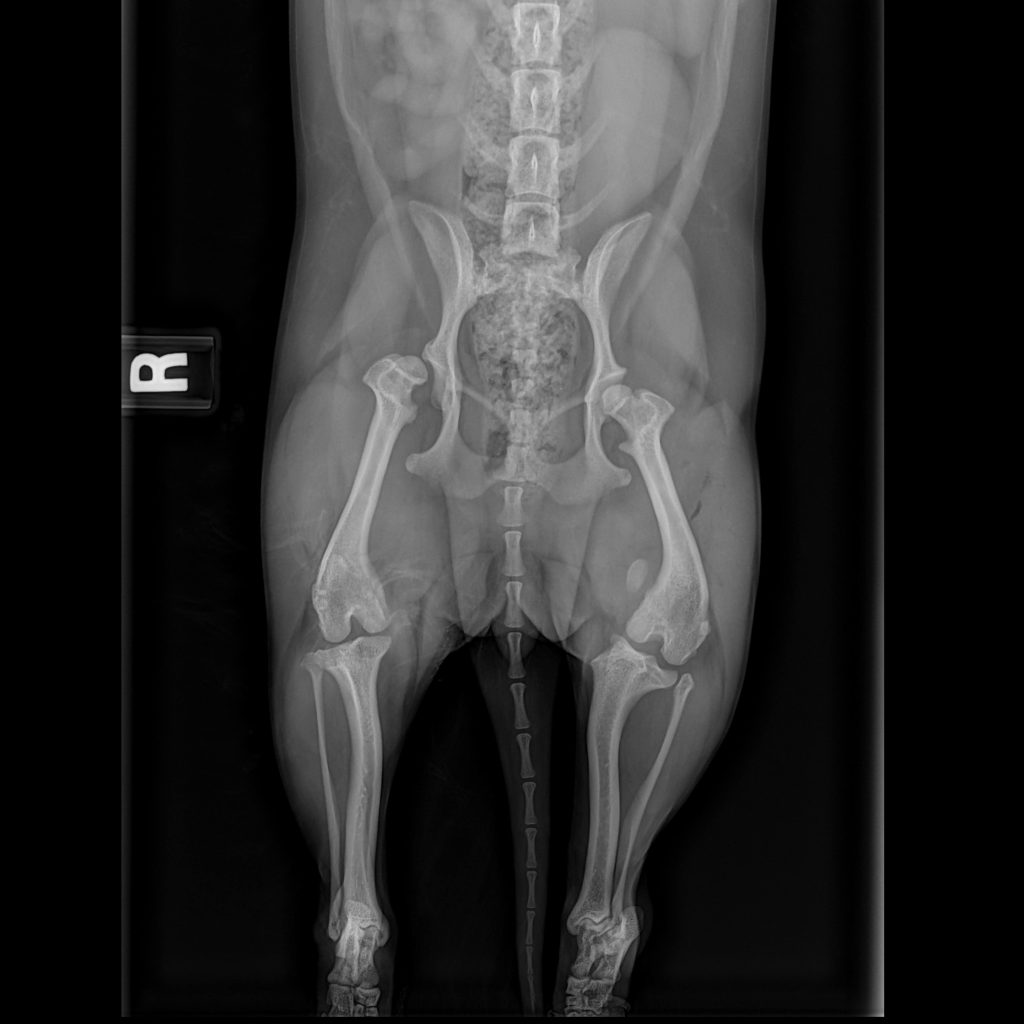
Consider the diagnosis of a cranial cruciate ligament (CCL) injury, a staple of any surgical referral practice. While a complete, acute rupture presents distinct clinical signs that are relatively easy to diagnose, partial tears present diagnostic gray areas. Furthermore, patients rarely present in a physiological vacuum.
- The 5-Year-Old Athlete: A five-year-old Labrador Retriever presenting with an acute, isolated partial CCL tear possesses robust healing potential, high muscle mass, and minimal systemic wear-and-tear. The surgical and rehabilitation prognosis is bright, assuming compliance is maintained.
- The 10-Year-Old Senior: Conversely, a 10-year-old Labrador Retriever presenting with bilateral chronic cruciate ligament injuries, concurrent muscle wasting, and radiographic evidence of advanced osteoarthritis requires an entirely different calculus.
Recognizing these concurrent conditions prevents clinical "tunnel vision." These intricate nuances cannot be synthesized in a weekend continuing education course or a brief lecture; they require rigorous physical examinations, detailed medical histories, and seasoned clinical judgment.
Phase 3: Exploring Surgical and Therapeutic Options
Once a diagnosis is solidified, the conversation shifts to treatment options. Whether general practitioners are discussing traditional ovariohysterectomy versus ovariectomy, or referral surgeons are weighing extracapsular stabilization against tibial plateau leveling osteotomy (TPLO) or tibial tuberosity advancement (TTA), transparency is paramount.
Veterinarians must present reasonable options, explicitly outlining advantages, disadvantages, and technical limitations. Crucially, clinicians are urged to avoid making assumptions about a client’s financial capacity or willingness to invest in advanced care. It is a frequent clinical surprise to find that owners with modest means will stretch resources to elect total hip arthroplasty (THA) for severe hip dysplasia, while others may opt for femoral head and neck excision (FHNE). When choices are clearly explained without bias, families can make informed decisions that best align with their values and capabilities.
Phase 4: Anesthetic Management and Frailty Assessment
Anesthesia remains one of the most prominent sources of anxiety for pet owners. Past negative experiences, perceived high risk, or underlying systemic comorbidities routinely spark fear.
Statistically, overall perioperative complication rates in dogs and cats hover between 10 to 12 percent, with anesthetic-related mortality rates remaining low at under one percent. However, certain populations—most notably brachycephalic breeds—face perianesthetic complication rates as high as 49 percent. Mitigating these risks relies heavily on individualized anesthetic protocols and vigilant perioperative monitoring.
Equally important is how veterinarians address the topic of patient age. Chronological age is widely recognized in modern medicine as a consideration rather than a disease entity. To better serve clients, progressive practices evaluate frailty—defined as a physiological state characterized by limited functional reserves and heightened vulnerability to external stressors.
Evaluating frailty involves assessing:
- Activity tolerance and overall energy levels
- Body condition score (BCS) and historical weight stability
- Functional mobility
- Muscle mass retention
A geriatric patient that maintains a healthy weight, solid muscle mass, and reasonable mobility is often an excellent surgical candidate. Conversely, an older patient exhibiting recent unintentional weight loss, sarcopenia (muscle wasting), and lethargy mandates a nuanced dialogue. This does not preclude surgery, but it signals the need for tailored medical management, modified anesthetic drug selections, and enhanced perioperative support.
Phase 5: The Postoperative Recovery and Rehabilitation Phase
The culmination of the surgical journey is the recovery phase, which varies dramatically depending on the procedure. While uncomplicated soft tissue procedures like a cystotomy allow for a relatively brief downtime, major orthopedic interventions like a TPLO demand rigorous, long-term management.
Clear communication regarding activity regulation, bandage care, incisional protection, and expected milestones (such as time-to-first-meal, return of bowel movements, and weight-bearing timelines) must occur before the scalpel touches skin. Despite exhaustive preoperative counseling and written discharge instructions, adherence remains the ultimate testing ground for veterinary-client relationships.
Supporting Context & Metrics: Navigating Compliance and Complications
The success of any veterinary surgical program relies heavily on two pillars: client compliance and the mitigation of postoperative complications. Real-world veterinary practice reveals profound challenges in both areas.
The Compliance Battleground: Elizabethan Collars and Activity Restriction
According to clinical observations in surgical referral practices, the two most consistent points of contention during recovery are:
- The use of physical barriers to prevent self-trauma (licking/chewing)
- Strict activity restriction
Following a TPLO procedure, standard surgical protocols demand approximately eight weeks of strict activity restriction, with controlled leash walks typically introduced around week two. Despite reviewing these constraints during consultations and providing written discharge summaries, unexpected client hurdles persist.
For instance, it is not uncommon for a client to call a mere 48 hours post-TPLO, expressing astonishment that their dog is already "feeling great" and inquiring if they can immediately grant the animal free, unmonitored access to the house and yard. Explaining that clinical exuberance precedes structural bone healing is a constant educational requirement.
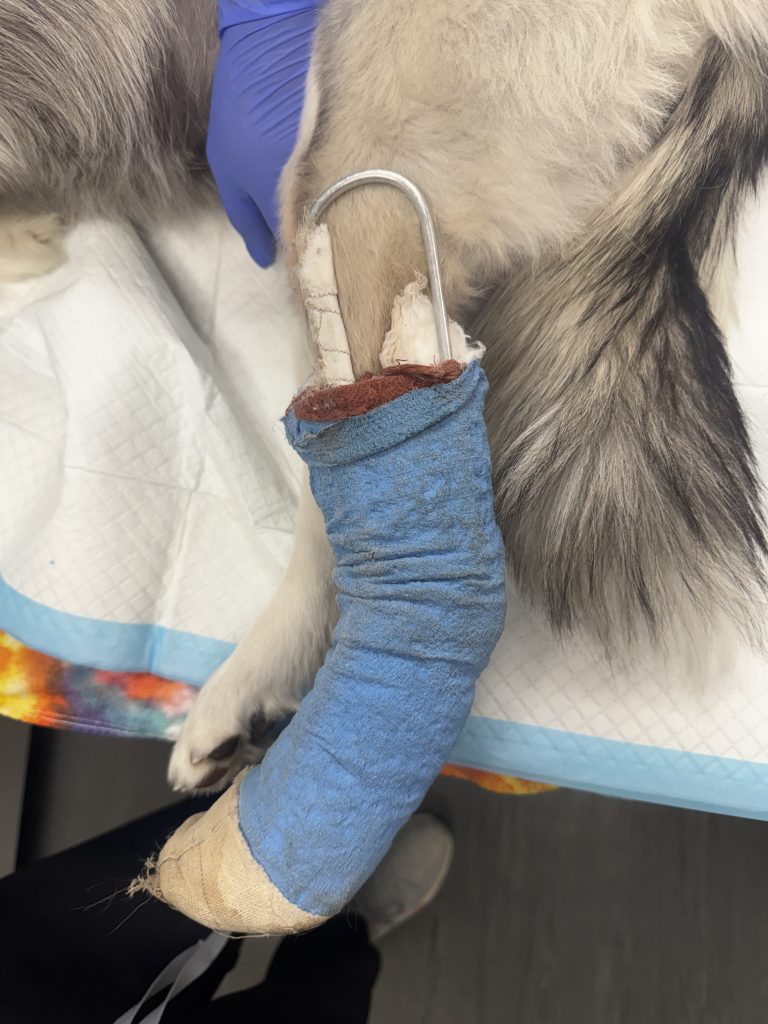
Similarly, incisional complications—including inflammation, superficial infection, seroma formation, and catastrophic dehiscence—frequently trace back to a lack of protection from the patient. While the traditional hard plastic Elizabethan (E-) collar remains the gold standard for preventing self-trauma, its poor acceptance rate among pets and owners historically tanked compliance. Modern surgical practices have mitigated this by embracing high-compliance alternatives, such as full-body surgical recovery suits and comfortable inflatable collars, which significantly improve both owner adherence and patient comfort.
Statistical Breakdown of Perioperative Metrics
| Clinical Parameter | Reported Metric / Incidence | Primary Clinical Implication |
|---|---|---|
| General Anesthetic Complication Rate | 10% – 12% (Dogs & Cats) | Highlights the necessity of customized anesthetic protocols and diligent monitoring. |
| Anesthetic-Related Mortality Rate | < 1% | Demonstrates the high safety baseline of modern veterinary anesthesiology. |
| Brachycephalic Perianesthetic Risk | Up to 49% | Mandates specialized airway management and high-level perioperative surveillance. |
| Standard TPLO Activity Restriction | 8 Weeks (strict), leash walks at week 2 | Essential window for osteotomy bone healing; requires rigid owner compliance. |
Official Insights & Expert Perspective
To contextualize these operational and clinical challenges, we turn to the foundational expertise of Dr. Kendra Freeman, DVM, MS, DACVS, whose extensive background in both large and small animal surgery offers a unique lens on the profession.
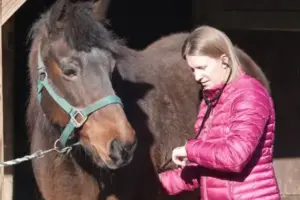
Operating out of Albuquerque, New Mexico, Dr. Freeman manages a demanding caseload encompassing advanced orthopedics, general soft tissue surgery, and sports medicine, while occasionally returning to her clinical roots in large-animal lameness. Her perspective emphasizes that surgical excellence is incomplete without empathetic, thorough client communication.
"Clients often seek information about their pet from a variety of sources, some of which are more reliable than others," Dr. Freeman notes. "During the consultation, it is important to set aside adequate time to perform a thorough physical examination, review diagnostic findings, and answer the client’s reasonable questions. This dedicated one-on-one time before the procedure helps build trust, reinforces the veterinarian-client relationship, and encourages the client to become an active participant in their pet’s care and recovery."
Dr. Freeman stresses that establishing a shared understanding of diagnoses, surgical modalities, expected recovery trajectories, and potential complications is not merely a courtesy—it is a clinical necessity. When clients are well-informed, they transition from anxious bystanders to empowered medical partners. They become uniquely equipped to recognize normal physiological changes versus red-flag complications, ensuring that minor issues are addressed before they escalate into emergencies.
Future Outlook: The Evolution of Veterinary-Client Partnerships
As the veterinary industry looks toward the horizon, several trends are poised to reshape how surgical cases are managed and communicated:
- The Integration of Ethical AI and Digital Triage: While unverified internet searches often lead to client anxiety, progressive clinics are beginning to harness curated artificial intelligence tools and verified digital portals to provide clients with reliable, breed-specific educational materials prior to consultations. This bridges the gap between raw web data and clinical reality.
- Personalized Geriatric Scoring Systems: Moving away from rigid chronological age cutoffs, the veterinary field is moving toward standardized frailty indices. This will allow surgeons to stratify risk more accurately and communicate prognosis with unprecedented precision.
- Enhanced Compliance Ergonomics: The ongoing shift toward comfortable, stress-reducing recovery devices—such as specialized surgical rompers and soft inflatable barriers—demonstrates that veterinary medicine is increasingly designing protocols with psychological and behavioral compliance in mind, acknowledging that a happy, comfortable patient is far less likely to compromise its own surgical site.
- Deepening the Collaborative Bond: Ultimately, the future of veterinary surgery rests on robust communication. By dismantling informational silos, welcoming client inquiries born from digital research, and dedicating quality time to face-to-face consultations, veterinarians can safeguard the human-animal bond while delivering world-class surgical outcomes.
About the Author:
Kendra Freeman, DVM, MS, DACVS (Large Animal/Small Animal), is a graduate of Colorado State University and maintains dual board certification with the American College of Veterinary Surgeons. Based in Albuquerque, N.Mex., her clinical practice focuses on advanced orthopedics, soft tissue surgery, and canine sports medicine.