
By the Editorial Desk
Special Report on Veterinary Technology and Practice Management
Executive Overview
The rapid integration of artificial intelligence (AI) across global industries has officially reached the examining room, the barn aisle, and the surgical suite of veterinary medicine. From automated ambient scribes and rapid radiographic interpretation to client-facing health platforms, AI is fundamentally rewriting the operational calculus of animal healthcare.
Yet, this technological paradigm shift arrives with a critical fork in the road. According to Kate Echeverria, DVM, MS, DACVIM-LAIM—a board-certified equine internal medicine specialist and prominent voice in veterinary technology—the profession faces an urgent imperative: veterinarians must actively shape, develop, and govern these tools. If the veterinary community remains passive, consumer technology corporations and unverified digital algorithms will define the client experience by default, injecting misinformation, unnecessary anxiety, and regulatory ambiguity into animal care.
This report explores the dual-edged sword of AI in veterinary medicine. It examines how practitioners are navigating internal clinic workflows, confronting the pitfalls of unguided "Dr. Google" diagnostics among pet owners, leveraging emerging medical-record aggregators, and collaborating with major veterinary organizations to establish ethical guardrails for the future.
Detailed Chronology: From Skepticism to Active Integration
The journey of artificial intelligence into daily veterinary practice has been rapid, marked by initial resistance followed by strategic adaptation.
The Early Phase: Skepticism and the Rise of "Dr. Google"
When AI tools first spilled into the mainstream consciousness via generative text models and generalized search engines, many veterinary professionals met the technology with apprehension. Practitioners worried about algorithmic overreach, liability, and the erosion of the traditional veterinarian-client-patient relationship (VCPR).
Simultaneously, a behavioral shift was occurring among pet owners. Eager to take a more proactive role in their animals’ health, clients increasingly turned to unstructured internet searches—popularly dubbed consulting "Dr. Google" or generic versions of ChatGPT—to research complex symptoms, pharmacology, and treatment protocols.
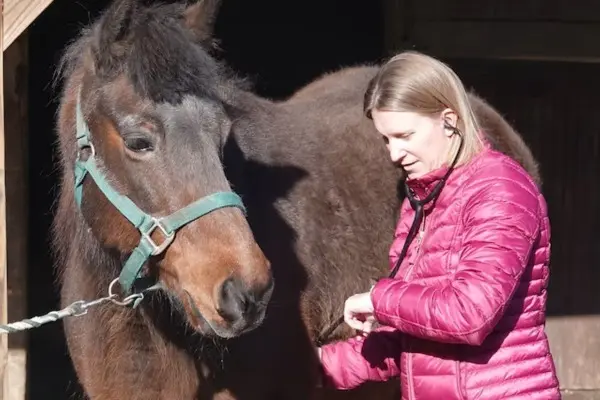
Rather than empowering owners, however, these unguided digital deep-dives frequently yielded out-of-context or flatly incorrect information. Dr. Echeverria recalls a telling clinical vignette from her own ambulatory practice in New England: a mare requiring a dual-medication protocol—prescribed off-label together due to overlapping, complex internal diagnoses—was successfully stabilized under direct veterinary supervision. Yet, the morning after administration commenced, both the regular attending veterinarian and Dr. Echeverria received panicked messages from the owner. Guided by an alarmed late-night search on general consumer AI/search engines, the owner was convinced the mare faced imminent, severe adverse drug reactions.
While dialogue quickly resolved the panic and reaffirmed the validity of the treatment plan, the incident highlighted a systemic vulnerability: pet owners desperately desire agency, but lack the clinical context to interpret raw data safely without veterinary-informed guardrails.
The Turning Point: Workflow Automation and Specialized Adoption
Recognizing that prohibition was neither effective nor desirable, forward-thinking clinicians began exploring how AI could be harnessed for the profession rather than against it.
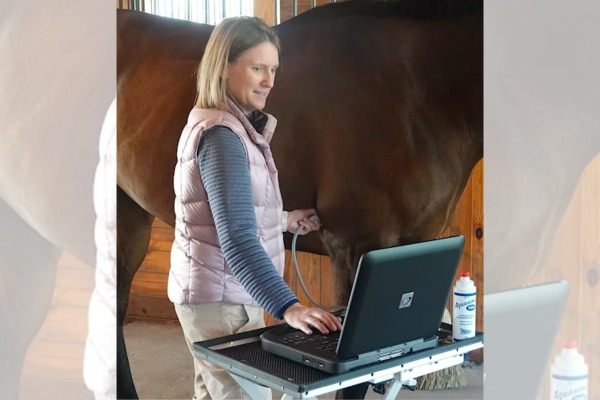
Practitioners started testing specialized AI applications designed to streamline the administrative burdens that plague modern clinics. Transcription tools, automated medical scribes, and AI-assisted radiographic imaging analysis began appearing in small and large animal practices alike. These tools demonstrated a capacity to reduce burnout, shorten after-hours charting times, and enhance diagnostic confidence.
Crucially, this technological integration has coincided with formal educational milestones. The release of the September 2026 edition of Veterinary Clinics of North America: Small Animal Practice, dedicated entirely to Artificial Intelligence in Small Animal Veterinary Medicine, signaled a maturation of the field. The issue underscored a vital paradigm shift: veterinary professionals must not merely evaluate or adopt AI tools, but actively contribute to their creation to ensure they align with gold-standard clinical practices.
Supporting Context & Metrics: The Mechanics of AI in Practice
To understand the scope of AI’s footprint in veterinary medicine, one must examine the specific vectors through which the technology intersects with daily operations, client education, and record management.
Workflow Enhancement and Medical Records
One of the most profound friction points in veterinary medicine is the fragmentation of medical histories. Unlike human medicine, which utilizes centralized portals and electronic health record (EHR) ecosystems like "My Chart," veterinary medicine has historically lacked a unified repository.
Pets often see multiple practitioners over their lifetimes—primary care veterinarians, emergency clinics, board-certified specialists, and mobile practitioners. Owners frequently struggle to recall pertinent diagnostic histories, vaccine dates, or drug allergies during high-stress urgent care visits. Similarly, performance and competition animals, such as traveling equine athletes, are frequently evaluated by cross-jurisdictional care teams.
Emerging AI-powered pet health platforms are beginning to bridge this gap. These tools allow veterinarians and owners to centralize health records, lab results, and vaccination histories into an accessible, real-time digital profile.
- Information Organization: Advanced natural language processing models can parse years of sprawling medical records, summarizing historical data into a clean, intuitive snapshot for emergency clinicians.
- Longitudinal Tracking: Dedicated pet apps empower owners to log subtle behavioral changes, daily observations, and chronic condition metrics over time, feeding structured data back into the veterinary record before an appointment even begins.
- Client Empowerment: By making health data digestible, these tools transform passive clients into proactive partners who better understand the clinical value of diagnostics like routine blood panels and advanced imaging.
The Trust Deficit: Navigating AI and Client Education
The integration of AI into client education remains delicate. While general large language models often hallucinate veterinary facts or fail to account for species-specific pharmacokinetics (such as feline versus canine drug toxicity), veterinarian-backed AI tools are emerging to fill the void.
Industry platforms—such as CompanAIn, a pet wellness platform powered by human-centered AI where Dr. Echeverria serves as equine medical director—are being engineered with strict veterinary oversight. These systems utilize clinical guardrails designed to direct owners toward verified care paths, reinforce the attending veterinarian’s instructions, and flag scenarios requiring immediate professional intervention.
Official Statements and Industry Governance
Major veterinary governing bodies have recognized that leaving technology policy solely in the hands of Silicon Valley tech firms poses an unacceptable risk to animal welfare and professional autonomy. Consequently, institutional task forces have been mobilized to study, guide, and regulate the integration of AI.
- American Veterinary Medical Association (AVMA): The AVMA maintains active task forces investigating the ethical, legal, and practical implications of AI tools in veterinary practice. Their focus centers on establishing best practices, data privacy standards, and maintaining the integrity of the VCPR in an automated age.
- American College of Veterinary Internal Medicine (ACVIM): Through specialized councils and review committees, internal medicine specialists are actively evaluating how diagnostic algorithms and predictive health platforms impact specialty care, ensuring that AI-generated recommendations remain anchored in rigorous peer-reviewed science.
- Regional and Specialty Associations: Organizations such as the Rhode Island Veterinary Medical Association (RIVMA) and the American Association of Equine Practitioners (AAEP) are engaging their memberships in vital dialogues regarding digital ethics, liability distribution, and client communication strategies.
"If veterinarians are not involved in developing AI tools and client resources, consumer technology companies could end up defining that experience instead," notes Dr. Echeverria. "At the end of the day, I believe veterinarians and pet owners want happy, healthy pet companions. I encourage my fellow veterinary colleagues to embrace this opportunity by learning about the available AI tools and resources, helping establish guardrails, and identifying those that align with good veterinary practice."
Future Outlook: A Cohesive Horizon
The trajectory of artificial intelligence in veterinary medicine points away from dystopian fears of replacement and toward a model of symbiotic collaboration. The future envisioned by clinical leaders is one where technology absorbs the administrative friction of practice, leaving clinicians free to focus on the high-touch, empathetic art of healing.
| Phase | Technological Focus | Professional Role | Client Experience |
|---|---|---|---|
| Past (Pre-AI) | Paper records, fragmented histories, manual scribing. | Reactive medicine, isolated communication. | Dependent entirely on sporadic clinic visits and memory. |
| Present (Transition) | Ambient scribes, basic transcription, unguided "Dr. Google" lookups. | Cautious adoption, reactive client education, task-force oversight. | Empathetic guidance offset by internet misinformation. |
| Future (Target) | Centralized AI health aggregators, validated decision support, secure EHR sharing. | Active codeveloper, trusted curator of digital health resources. | Empowered, proactive partnership supported by verified, vet-backed AI apps. |
To realize this future, the veterinary community must maintain its seat at the technological drafting table. By actively vetting software vendors, contributing clinical data to ethically managed platforms, and proactively directing clients toward safe, veterinarian-informed digital resources, the profession can successfully harness artificial intelligence.
Ultimately, AI will not replace the stethoscope, nor will it replace the compassionate hand of a veterinarian comforting an anxious client. Instead, when properly shaped by veterinary expertise, AI will serve as an indispensable digital assistant—streamlining workflows, safeguarding pet health, and strengthening the profound bond shared between animals, owners, and the veterinary team.