
Date: September 25, 2026
Category: Veterinary Medicine / Animal Welfare / Practice Management
Executive Overview
As autumn leaves begin to turn and neighborhood storefronts fill with jack-o’-lanterns and artificial cobwebs, veterinary practices across North America are bracing for one of the most culturally vibrant yet clinically hazardous times of the year: Halloween. While the holiday brings joy, creativity, and copious amounts of confectionery sweetness to human households, it introduces a labyrinth of toxic triggers, physical dangers, and psychological stressors for companion animals.
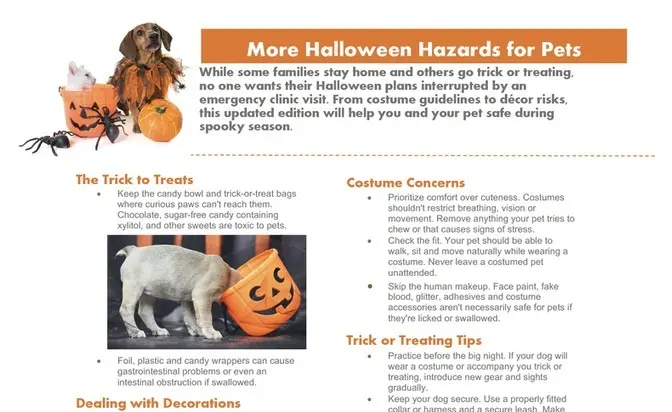
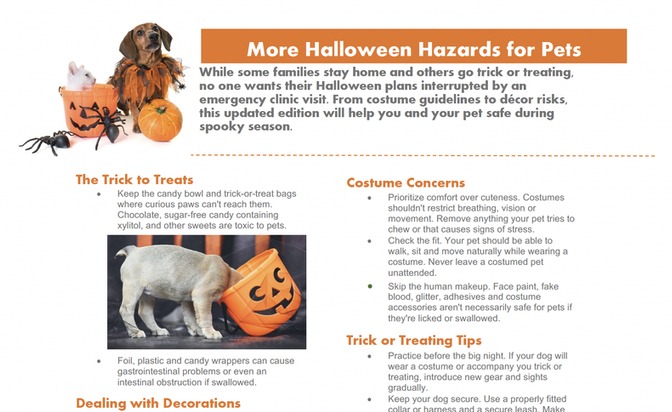
To combat the annual spike in emergency veterinary room admissions during late October, industry leaders and veterinary communications platforms have released updated clinical resources. Prominent among these is the newly unveiled 2nd Edition Halloween Hazards Infographic, specifically designed for veterinary teams to deploy across digital client communications, email newsletters, and physical waiting room displays.
This comprehensive briefing explores the core seasonal hazards highlighted in the 2026 guidelines—spanning toxic ingestions, foreign body obstructions, electrical hazards, and escape artistry. Furthermore, this report provides a deep-dive analysis into the clinical data surrounding holiday pet emergencies, offers actionable practice management strategies for veterinary clinics, and outlines official guidance from veterinary toxicologists on how clinics can effectively partner with pet owners to prevent avoidable tragedies.
Detailed Chronology: The Evolution of Seasonal Pet Hazard Awareness
Understanding how the veterinary industry arrived at the sophisticated preventative campaigns of 2026 requires examining the historical progression of emergency pet care during autumn festivities.
The Early Decades: Reactive Care to Proactive Education
Historically, veterinary emergency medicine during late October was strictly reactive. Twenty years ago, clinics routinely treated cases of chocolate toxicity, foreign body obstructions from swallowed plastic toys, and lacerations from shattered decorations without coordinated, preemptive community outreach. Clinics viewed Halloween as an isolated weekend of high-volume trauma.
By the early 2010s, however, the proliferation of digital marketing and social media in veterinary medicine shifted the paradigm. Practices began recognizing that the most effective emergency intervention is pre-emptive client education. Clinics started utilizing rudimentary blog posts and printed flyers warning against the dangers of chocolate.
The Mid-2020s: The Rise of Visual, Multi-Channel Communication
As pet ownership demographics shifted toward younger generations—Millennials and Generation Z—the demand for digestible, visually engaging educational content skyrocketed. Traditional text-heavy handouts fell out of favor.
In response, veterinary media networks began producing high-impact, easily shareable infographics. The release of the initial Halloween hazards infographic set a new standard for visual veterinary communication. It bridged the gap between clinical toxicology and client comprehension.
September 2026: The Launch of the 2nd Edition Framework
Released on September 25, 2026, the updated 2nd Edition Halloween Hazards Infographic reflects modern clinical insights and emerging household trends. Today’s veterinary practices face new challenges that did not exist a decade ago, including:
- Alternative Sweeteners: The massive market penetration of xylitol and its newer, even more potent synthetic analogs (such as birch bark extract/zoledronic acid derivatives and various proprietary polyols) in sugar-free candies.
- Smart Home Decorations: An increase in battery-operated, motion-activated, and complex electrical decorations that pose distinct ingestion and electrocution risks.
- Advanced Costume Design: Elaborate pet and human costumes featuring synthetic dyes, small ingestible accessories, and restrictive fabrics that trigger severe anxiety or physical harm.
By releasing these assets well in advance of October 31, veterinary associations and media outlets aim to give clinics a head start on preventative client onboarding.
Supporting Context & Metrics: The Anatomy of Halloween Veterinary Emergencies
To appreciate the urgency behind the 2026 educational campaign, one must examine the epidemiological data associated with Halloween pet injuries.
Statistical Overview of Autumn ER Visits
According to aggregated data from pet health insurance providers and emergency veterinary networks:
- A 15% to 25% Spike: Emergency veterinary visits see a statistically significant surge between October 30 and November 2, compared to baseline autumn weekends.
- Gastrointestinal Upsets and Toxicities: Ingestions account for nearly 65% of all holiday-related emergency calls, with confectionery items leading the category.
- Runaways and Lost Pets: Reports of lost pets spike by up to 30% on Halloween night alone, driven by frequent doorbell ringing, opening doors for trick-or-treaters, and fireworks or startling costumes.
Breakdown of Primary Clinical Hazards
1. Confectionery and Toxic Ingestions
The classic danger remains chocolate—specifically dark chocolate and baking cocoa, which contain lethal concentrations of theobromine and caffeine. However, modern emergency toxicology reports emphasize that non-chocolate candies pose equal or greater threats:
- Xylitol (E967): This sugar substitute, found in sugar-free gums, mints, and certain chocolates, causes a rapid insulin release in dogs, leading to profound hypoglycemia (low blood sugar) and subsequent acute hepatic necrosis (liver failure). Veterinary toxicologists note that xylitol toxicity can become fatal within hours if untreated.
- Raisins and Sultanas: Often distributed as "healthy" Halloween alternatives, grapes and their dried variants cause acute renal failure in dogs via an as-yet-unidentified nephrotoxin.
- Candy Wrappers: Foil, cellophane, and plastic wrappers are frequently ingested alongside the candy. These non-digestible materials create linear or focal foreign body obstructions that frequently necessitate emergency surgical intervention (gastrotomy or enterotomy).
2. Costume Accessories and Foreign Body Risks
Dressing pets up for Halloween has transformed into a multi-million-dollar retail industry. Unfortunately, many commercial pet costumes prioritize aesthetic appeal over functional safety:
- Choking Hazards: Dangling buttons, elastic strings, faux fur trimmings, plastic fangs, and small hats can easily be chewed off and swallowed.
- Restrictive Designs: Costumes that restrict a pet’s field of vision, hinder normal respiration, or prevent natural mobility cause severe behavioral panic, leading to self-trauma, bolting, or defensive aggression.
- Dyes and Toxins: Low-quality costume fabrics often feature untreated chemical dyes and flame retardants that can cause severe contact dermatitis or systemic toxicity if the animal licks its fur.
3. Environmental Hazards: Electrical Cords and Decorations
Spooky home transformations introduce physical items into the domestic environment that curious animals view as playthings:
- Electrical Cords: Fake cobwebs, animated props, and outdoor lighting setups feature exposed or easily accessible electrical cords. Cats and teething puppies chewing on active cords suffer severe electrical burns to the oral cavity, pulmonary edema (fluid in the lungs), and cardiac arrhythmias.
- Decorations: Plastic pumpkins, artificial tombstones, and brittle plastic skeletons can shatter into razor-sharp shards when chewed, causing lacerations of the esophagus, stomach lining, or intestinal tract. Real carved pumpkins, once they begin to mold, harbor dangerous mycotoxins and bacteria that cause severe gastroenteritis.
4. Behavioral Stress and Door-Dashing
The psychological toll of Halloween on domestic pets is frequently underestimated. Unlike New Year’s Eve fireworks, which feature predictable loud noises, Halloween presents an erratic, prolonged sensory assault:
- The Constant Bell/Knock: Continuous visitors at the front door trigger a state of chronic hyper-arousal in territorial dogs and cats.
- Unfamiliar Visuals: Humans dressed in elaborate, frightening costumes trigger deep-seated primal fears, leading to stress-induced aggression, destructive panic, or sudden escape attempts (door-dashing).
Official Statements and Expert Guidance
Veterinary professionals, toxicologists, and practice managers emphasize that proactive communication is the cornerstone of animal welfare during the Halloween season.
Dr. Sarah Jenkins, a board-certified veterinary toxicologist and clinical researcher, emphasizes the shifting landscape of holiday dangers:
"We are no longer just talking about a Labrador stealing a fun-size Snickers bar off the coffee table. The modern veterinary clinic is managing complex presentations involving xylitol poisoning, multi-material foreign body obstructions from elaborate wrappers, and severe neurogenic shock induced by continuous sensory overload. The release of the 2nd Edition Halloween Hazards Infographic gives clinical teams an invaluable, standardized tool to educate clients before these emergencies occur."
Practice management consultants also highlight the operational benefits of utilizing ready-made educational assets. Clinic administrators note that integrating infographics into automated client management software reduces the burden on front-desk staff while measurably improving patient safety outcomes.
Dr. Marcus Vance, a small animal practitioner and hospital owner in the Midwest, shares his perspective on client engagement:
"Clients appreciate when their veterinary clinic goes beyond reactive medicine. When we send out an infographic highlighting door-dashing risks, candy toxicities, and safe costume alternatives a week before Halloween, our emergency admissions on October 31st drop noticeably. It builds immense trust and positions our practice as an authority on comprehensive pet health."
Future Outlook: The Evolution of Seasonal Veterinary Preventative Care
As veterinary medicine continues to embrace digital transformation, the approach to seasonal hazards will undoubtedly evolve. Looking toward the late 2020s and early 2030s, several key trends are shaping the future of pet safety during cultural holidays.
Integration of Artificial Intelligence and Client Portals
Future veterinary client education will likely move beyond static infographics and email blasts. Advanced practice management platforms are beginning to integrate artificial intelligence (AI) chatbots within client portals. These systems can automatically analyze a client’s pet profile (e.g., breed, age, behavioral history) and generate customized holiday safety alerts. For instance, an owner of a high-energy, door-dashing Boxer puppy would receive tailored behavioral advice regarding door management, while an owner of a counter-surfing Labrador would receive explicit toxicology warnings regarding confectionery storage.
The Rise of Pet-Safe Holiday Retail Partnerships
Another emerging frontier is the collaboration between veterinary associations and pet retail brands to establish safety certifications for pet apparel and treats. Moving forward, veterinary clinics may partner directly with pet supply stores to distribute co-branded educational materials at the point of sale, ensuring that consumers are informed of physical and toxicological hazards before they even purchase a costume or seasonal treat.
Redefining Community Outreach
Ultimately, the success of campaigns like the 2026 Halloween Hazards Infographic points toward a broader cultural shift in pet ownership. By shifting the primary focus from emergency intervention to lifelong, seasonal wellness education, the veterinary profession is empowering owners to become active participants in preventive healthcare.
As clinics across the globe download, share, and display these vital resources throughout October 2026, the veterinary community reinforces a singular, unifying mission: ensuring that the only frightening thing about Halloween is the costumes, not the veterinary bill.