
Executive Overview
To the casual observer, the domestic cat often projects an aura of aloof independence. Unlike their canine counterparts—who frequently greet human returns with exuberant displays of physical affection—felines can appear profoundly indifferent to human comings and goings. Yet, beneath this seemingly detached exterior lies a sophisticated cognitive apparatus capable of intricate memory formation, associative learning, and long-term recognition. Recent ethological and behavioral studies reveal that cats remember far more than they let on, utilizing a sensory-driven memory bank powered by auditory cues, olfactory markers, spatial awareness, and deeply ingrained daily routines.
While feline memory does not mirror human nostalgia or autobiographical storytelling, it is remarkably well-adapted to their evolutionary survival needs. Cats track patterns, associate specific individuals with rewarding or threatening outcomes, and build a nuanced mental catalog of the humans in their environment. From the distinct timbre of a familiar voice to the precise rhythm of footsteps in a hallway, cats rely on multisensory associations to navigate their social landscapes. This authoritative report explores the psychological and physiological mechanisms behind feline memory, examining how domestic cats recognize, anticipate, and respond to their favorite people through ten distinct behavioral markers.
Detailed Chronology: The Anatomy of Feline Memory Formation
Feline memory is not a static archive; it is an active, evolving network built upon continuous real-world experiences. Understanding how cats retain information requires tracing the chronological development of their interactions, from initial sensory exposure to long-term behavioral habits.
Phase 1: Sensory Acquisition and Cues
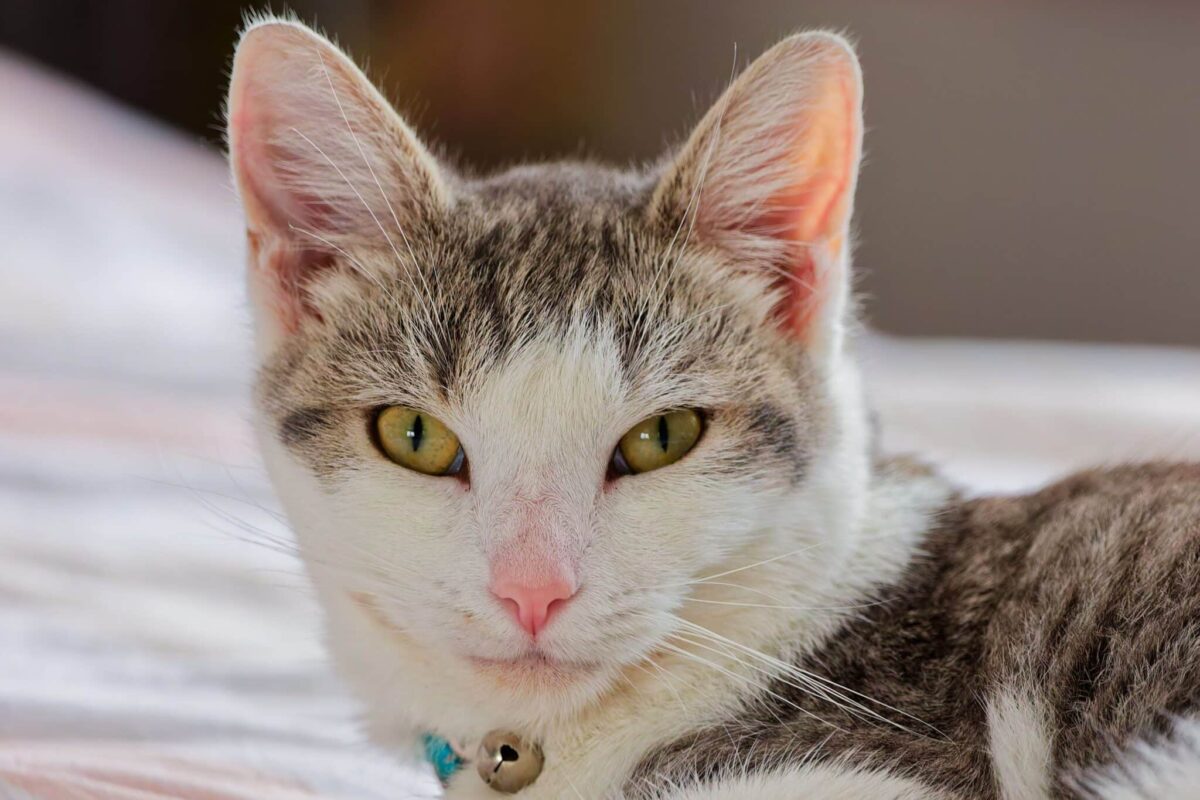
Every relationship a cat forms begins with sensory input. During the formative stages of kittenhood—and continuing throughout adulthood—cats absorb vast amounts of environmental data through hearing, scent, and vision. A human voice, a particular brand of laundry detergent, or the specific cadence of a daily return sets the baseline for recognition. The cat’s brain links these raw sensory inputs to immediate outcomes, such as food delivery, play, or gentle handling.
Phase 2: Associative Learning and Pattern Recognition
As exposure repeats over weeks and months, the cat transitions from simple sensory awareness to associative learning. This is the stage where routines solidify. A cat learns that the sound of jingling keys signifies departure, that a specific footsteps rhythm precedes dinner, or that an approaching human brings safety rather than stress. Through this iterative process, the human ceases to be just another element in the room and becomes an integral node in the cat’s daily behavioral matrix.
Phase 3: Long-Term Storage and Habituation
Over time, frequently encountered patterns solidify into long-term memories or durable behavioral habits. Even if a cat goes days without interacting intensely with a specific individual, their underlying recognition remains intact. This explains why cats can readily re-engage with familiar humans after periods of absence, utilizing stored associative cues to seamlessly pick up where they left off.
Supporting Context & Metrics: The Science of Feline Cognition
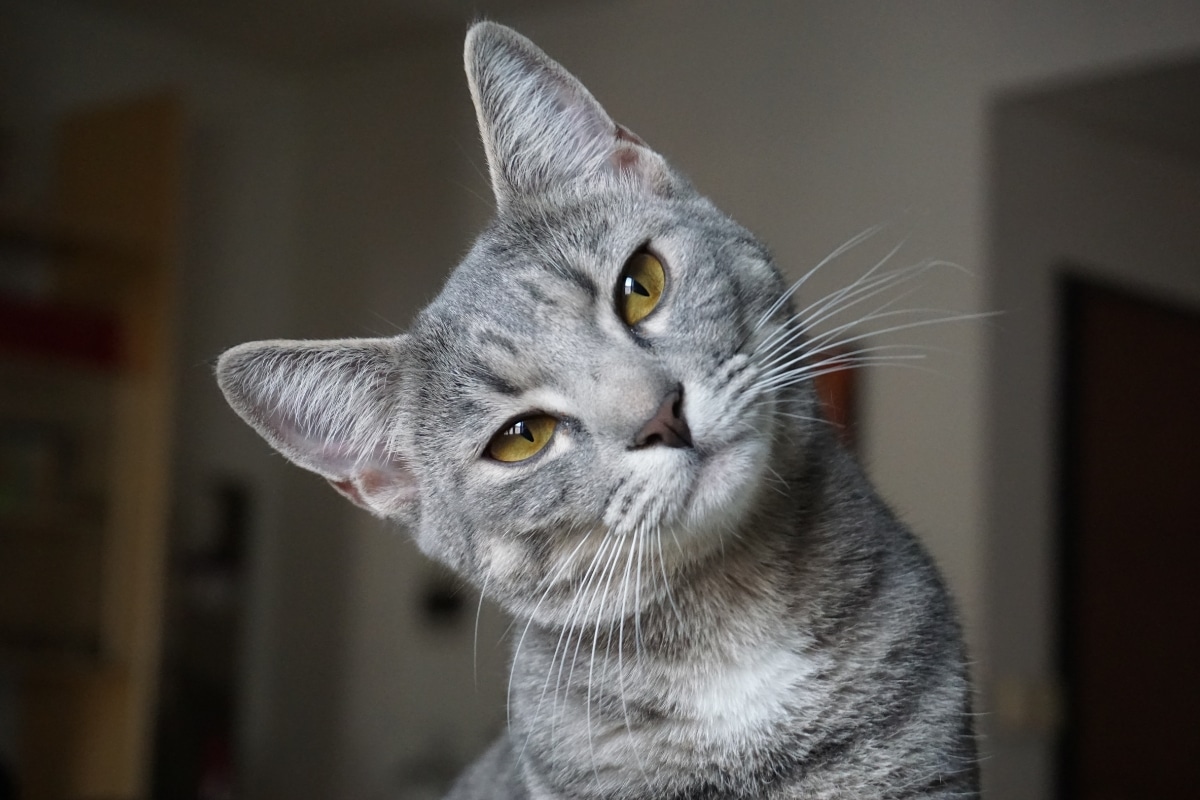
To appreciate how cats remember their humans, one must examine the specific sensory channels and cognitive faculties that drive their recognition systems.
1. The Sound of Their Voice
Research into feline auditory processing demonstrates that domestic cats possess the remarkable ability to distinguish their owner’s voice from those of unfamiliar humans, even when the speaker is entirely out of sight.
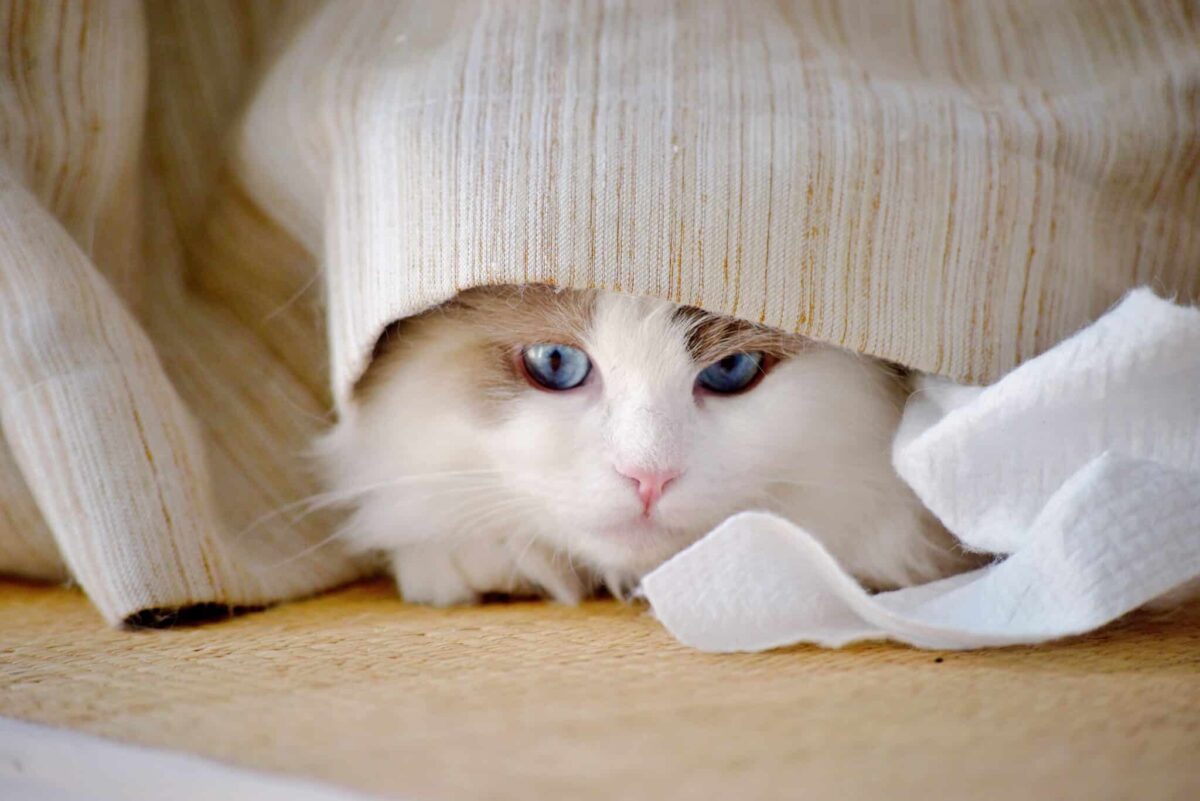
- Pitch and Rhythm: Cats rely heavily on the unique acoustic profile—pitch cadence, and tempo—of people they encounter regularly.
- Selective Responsiveness: Recognition does not equate to obedience. While a cat may perk its ears or turn its head toward a familiar voice, it retains the sovereign feline right to evaluate whether a physical response is worth its time.
2. Olfactory Signatures and Scents
For a cat, the world is primarily olfactory. Humans shed skin cells, oils, and unique chemical signatures onto clothing, furniture, and living spaces.
- Environmental Mapping: A familiar human odor acts as a constant, reassuring background hum in the cat’s territory.
- Behavioral Attraction: This explains why cats frequently seek out recently worn clothing or shoes. Scent allows recognition to occur long before the human enters the room, establishing a baseline of predictability and safety.
3. Mastery of Daily Routines
Cats lack abstract concepts of hours and minutes, yet they possess a profound internal clock driven by circadian rhythms, light shifts, and environmental cues.

- Predictable Patterns: When breakfast, human returns, and evening relaxation occur at consistent times, cats map these events onto sequential loops.
- The Chronobiology of Expectation: A cat waiting by the door five minutes before a human arrives is not reading a watch; they are responding to a synchronized chain of ambient sounds, lighting shifts, and learned habits.
4. Learned Social Greetings and Postures
Repeated social interactions dictate how a cat responds to a human entering a space.
- Visual Signals: An upright, question-mark tail, gentle head-butting, or soft vocalizations are learned communicative tools tied to specific people.
- Individualized Responses: Because greetings are shaped by temperament and past interactions, a cat may offer an enthusiastic doorway sprint to one household member while offering merely an ear twitch to another.
5. Preferences in Tactile Interaction
Handling style profoundly influences feline memory. Cats quickly categorize humans by their touch profiles—distinguishing between those who scratch beneath the chin, stroke cheeks, or overstep physical boundaries.

- Autonomy and Consent: Respecting a cat’s subtle bodily cues (such as skin twitches, tail flicks, or turning away) builds a secure memory trace, teaching the cat that interacting with this specific human yields control and safety.
6. Resource Provision and Associative Play
Food and play are powerful engines of memory.
- The Provider Connection: The human who opens the treat container or fills the bowl occupies a privileged space in the cat’s associative network.
- Predatory Simulation: Interactive play—involving wands, lasers, or tossed toys—engages the cat’s innate predatory sequence (stalk, chase, pounce, capture). The human who routinely facilitates this high-value stimulation becomes permanently linked with positive mental arousal.
Official Statements and Expert Perspectives
Animal behaviorists and feline welfare experts emphasize that human-cat bonds must be evaluated through a lens of biological realism rather than anthropomorphism.
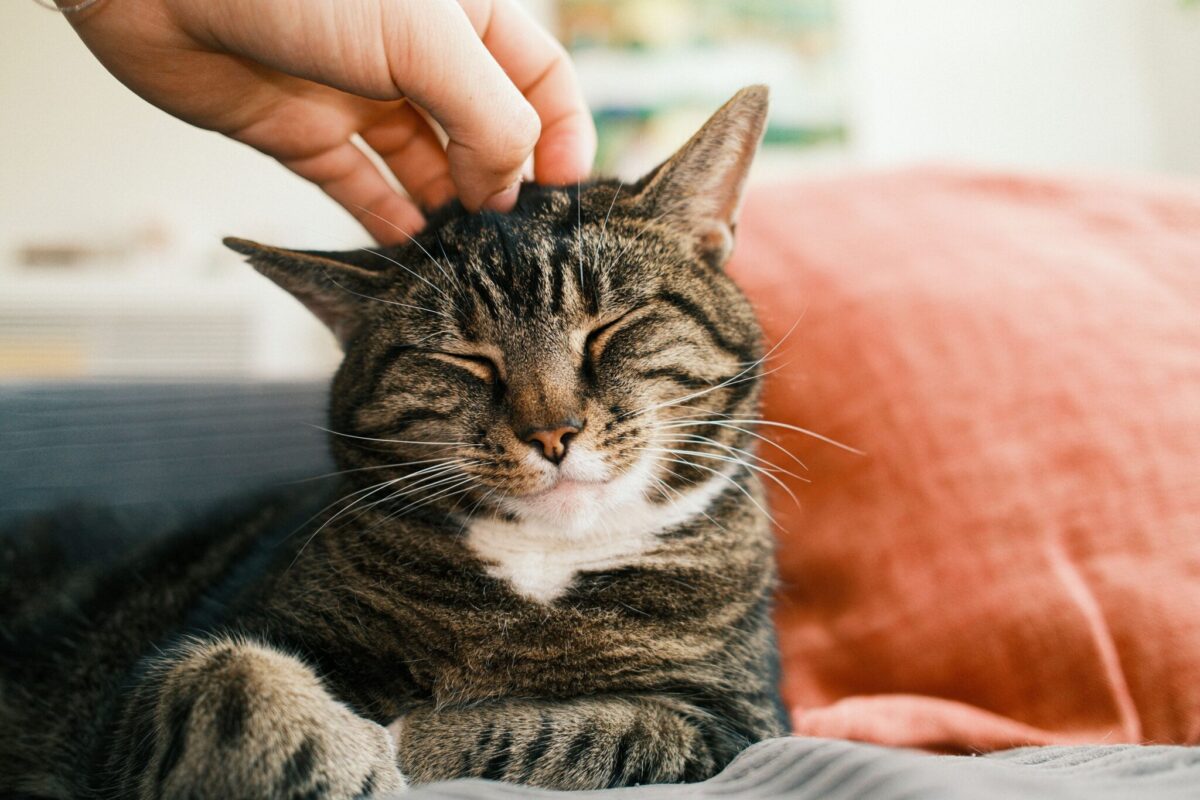
"We often make the mistake of measuring feline affection by human standards," notes Dr. Elena Vance, a prominent comparative ethologist specializing in domestic animal cognition. "When a cat sits quietly across the room or simply blinks slowly in our direction, we may feel dismissed. In reality, that cat is displaying a profound level of cognitive trust built upon months of predictable, non-threatening interactions."
Furthermore, applied feline behaviorists stress that negative associations imprint just as strongly as positive ones.
"Cats do not hold grudges in the human emotional sense, but their brains are hardwired for survival," explains Marcus Thorne, director of the Feline Behavior Research Institute. "If a human repeatedly forces unwanted handling or startles the cat, that human becomes mentally cataloged as a variable of uncertainty or threat. Conversely, predictable, respectful engagement creates a historical baseline of safety that dictates every future approach or retreat."
Future Outlook: The Evolution of Feline-Human Studies
As ethology and cognitive science advance, our understanding of the feline mind continues to evolve. Historically overshadowed by canine research—largely due to dogs’ pack-hunting origins and cooperative domestication history—feline cognition is finally receiving the rigorous academic attention it deserves.
Looking ahead, researchers are utilizing advanced non-invasive eye-tracking, EEG monitoring, and spatial memory tests to decode how cats process long-term social memories. Early telemetry data suggests that indoor environments heavily influence the density and longevity of these memories, with cats in stable, enriched multi-species households developing exceptionally intricate maps of human behavior.
Ultimately, the domestic cat remains an evolutionary masterpiece of independent adaptation. They do not need to mimic human social structures to love or remember us. Instead, they honor their human companions in a uniquely feline fashion: by learning our rhythms, trusting our scent, recognizing our voices, and choosing, day after day, to share our space in quiet, companionable harmony.