For millions of cat owners worldwide, the transition from a tranquil afternoon to a full-scale household investigation happens in the blink of an eye. One moment, absolute peace pervades the living space; the next, a curious paw dips into a freshly poured glass of water, or a prized decorative object slides off a tabletop. While these antics often present as feline mischief, a closer examination reveals a deeply rooted biological imperative. Certain cat breeds possess exceptionally high levels of intelligence, boundless energy, and an insatiable curiosity that transforms everyday domestic environments into sprawling adventure courses.
Far from acting out of malice or a desire to cause trouble, these cats are driven by evolutionary instincts, predatory play drives, and advanced cognitive capacities. When left unengaged, their natural brilliance seeks out stimulation—turning open cabinets, running faucets, and unattended shopping bags into impromptu playgrounds. This comprehensive investigative report explores the specific cat breeds renowned for their mischievous streaks, analyzing the behavioral science behind their antics, reviewing expert management strategies, and charting the future of feline enrichment in modern households.
Detailed Chronology: The Evolution of Domestic Feline Curiosity
To understand why modern domestic cats engage in such elaborate household investigations, one must look at the historical timeline of feline domestication and behavioral development.
The Wild Ancestry
Millennia ago, the ancestors of the modern domestic cat (Felis catus) relied entirely on acute sensory perception, relentless exploration, and high-speed problem-solving to survive. Unlike dogs, which evolved through cooperative pack hunting and human-directed working roles, cats largely domesticated themselves by gravitating toward human agrarian settlements to hunt rodents. Survival depended on an obsessive need to inspect every nook, cranny, and crevice for potential prey.
The Selective Breeding Epoch
As humans began selectively breeding cats for aesthetic traits, temperament, and companionship over the past few centuries, certain lineages retained—and in some cases, intensely amplified—these primitive survival traits. Breeds like the Abyssinian and Siamese trace their roots to ancient lineages where active engagement with the environment was paramount.
The Modern Indoor Transition
In contemporary society, the vast majority of these high-energy, intelligent breeds live strictly indoor lifestyles. While this protects them from external hazards, it creates a unique psychological friction point. Their evolutionary wiring demands high-stakes hunting, climbing, and exploration, yet they find themselves enclosed within static human living spaces. Consequently, modern cats have redirected their wild instincts toward domestic targets: turning rolls of toilet paper into simulated prey, scaling kitchen cabinetry like mountain cliffs, and treating household electronics as interactive puzzles.
Supporting Context & Metrics: The Science Behind Feline Mischief
Behavioral veterinarians and feline researchers have long studied the intersection of intelligence, boredom, and physical activity in domestic cats. Statistical insights and behavioral frameworks help explain why certain breeds are disproportionately represented in stories of domestic chaos.
Cognitive Stimulation and the "Under-Stimulated" Cat
Studies in feline behavioral psychology indicate that intelligent cat breeds require daily cognitive challenges comparable to those of working-dog breeds. When an intelligent cat—such as a Bengal, an Oriental Shorthair, or a Cornish Rex—experiences a deficit in mental stimulation, it displays stress-related or attention-seeking behaviors.
The Boredom Threshold: High-energy breeds typically display restlessness within hours of waking if their environment lacks interactive elements.
The Reinforcement Loop: Cats quickly learn which behaviors yield an immediate human reaction. If knocking a pen off a desk results in a human looking up, speaking, or laughing, the cat registers this as a successful "reward loop," ensuring the behavior will be repeated.
Breed-Specific Behavioral Profiles
+--------------------+---------------------------------------+---------------------------------------+
| Breed              | Primary Motivator                     | Common Household "Mischief"           |
+--------------------+---------------------------------------+---------------------------------------+
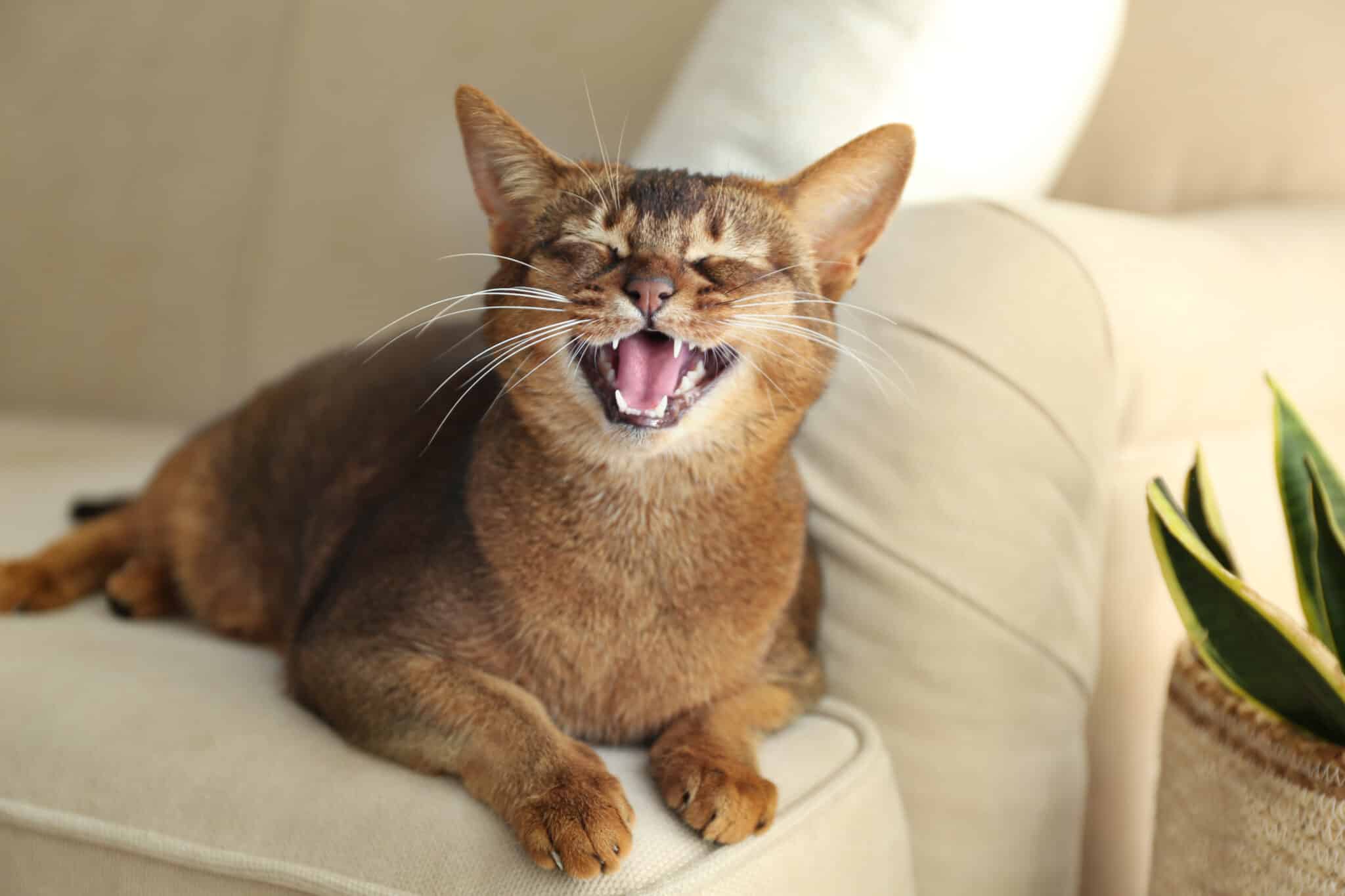
| Abyssinian         | Vertical exploration & agility        | Scaling bookcases, inspecting drawers |
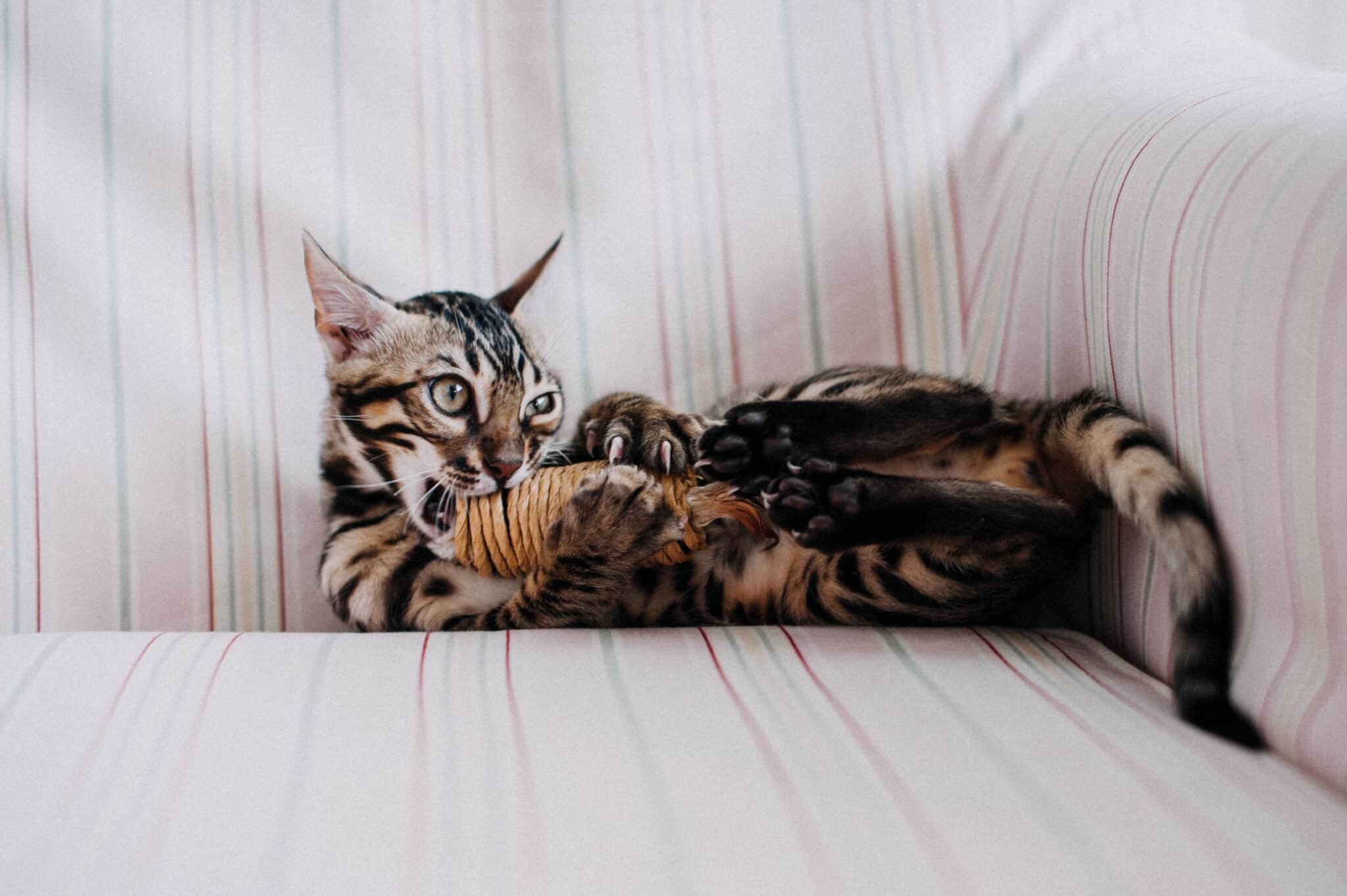
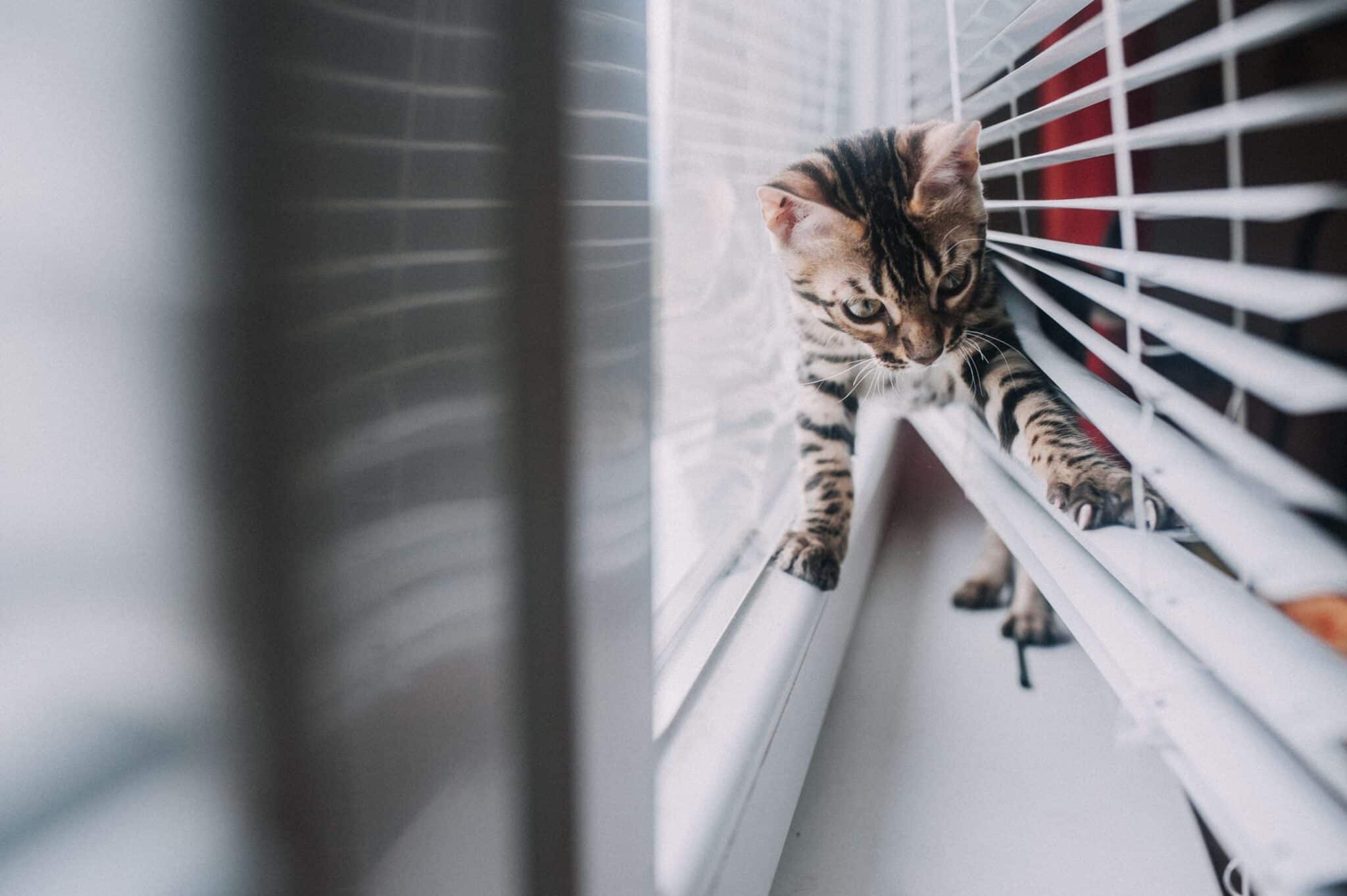
| Bengal             | High predatory drive & water interest | Opening cabinets, playing with faucets|
| Siamese            | Social engagement & vocalization      | Opening doors, whining by treat bins  |
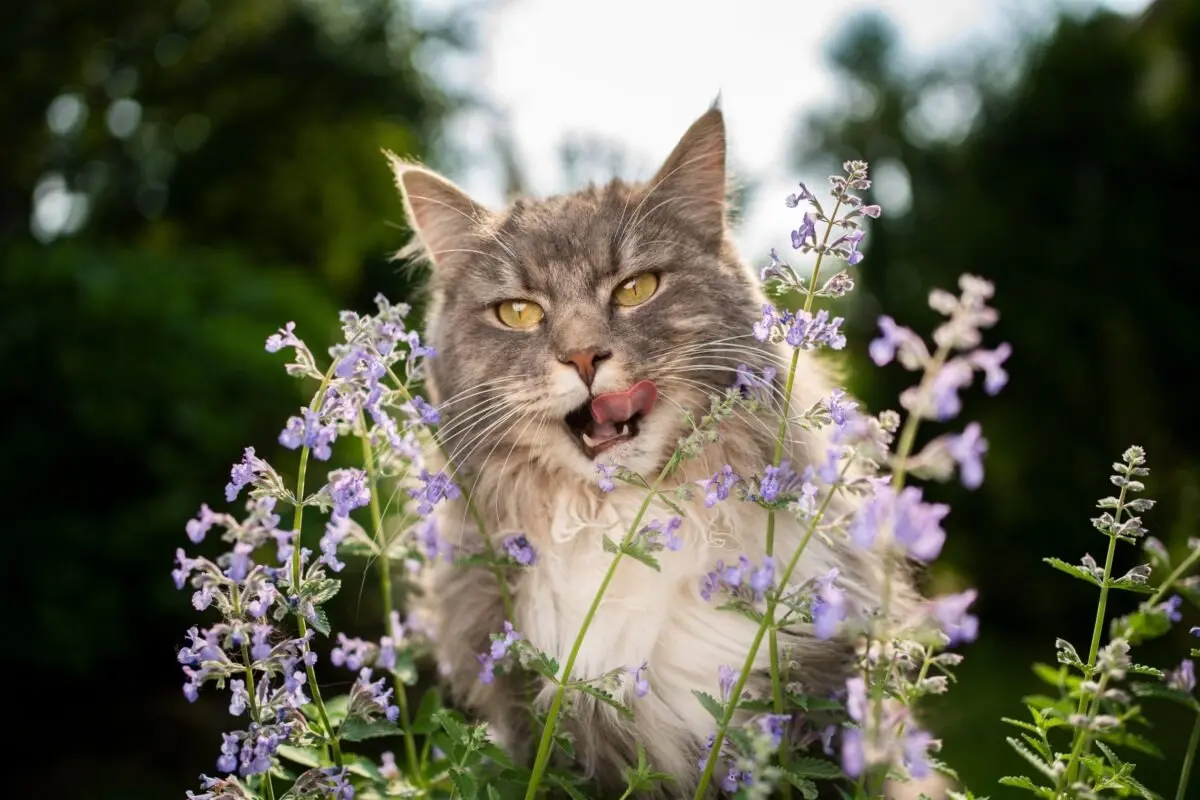
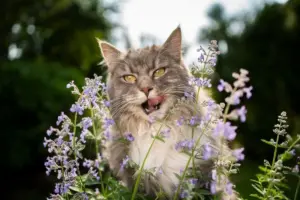
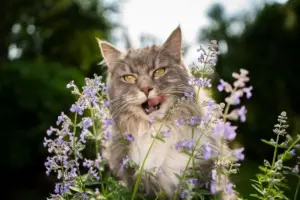
| Maine Coon         | Large-scale physical exploration      | Knocking over glasses, boxing boxes   |
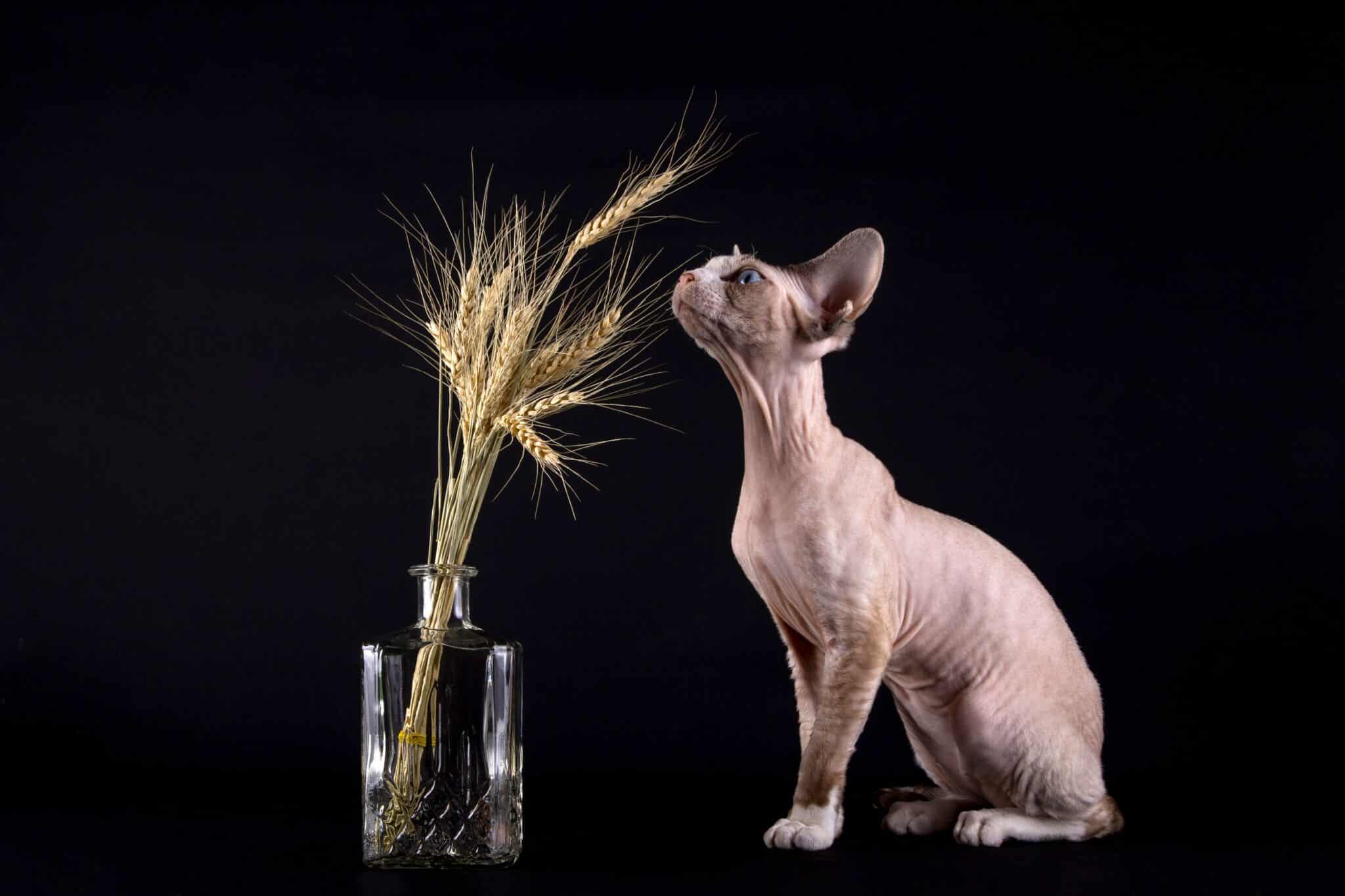
| Sphynx             | Thermal-seeking & social inclusion    | Burrowing in laundry, desk climbing   |
| Turkish Van        | Hydrophilic exploration               | Splashing in water bowls, wet paws    |
| Cornish Rex        | Explosive physical energy             | Chasing shadows, leaping at cords     |
| Devon Rex          | Tactile curiosity & social bonding    | Perching on shoulders, hiding in blankets|
| Somali             | Complex problem-solving               | Unrolling toilet paper, door opening  |
| Oriental Shorthair | Hyper-vigilant environmental control  | Walking on keyboards, anticipating routines|
| Burmese            | Constant human-centric companionship  | Interrupting video calls, batting toys|
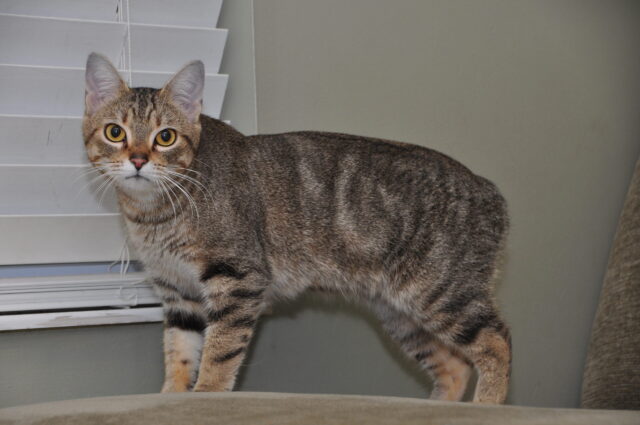
| Manx               | Auditory and tactile investigation    | Bating items under sofas, box diving  |
| Scottish Fold      | Gentle tactile inspection             | Poking paws into open drawers         |
+--------------------+---------------------------------------+---------------------------------------+
Official Statements and Expert Insights
Leading feline behaviorists, veterinarians, and breed specialists emphasize that managing an inquisitive cat requires shifting the human perspective from frustration to proactive environmental design.
"When a cat is scaling your kitchen cabinets or unrolling every square of toilet paper in the bathroom, they are not acting out of spite," notes Dr. Elena Vance, a prominent feline behavioral specialist and researcher. "They are communicating a profound biological need for enrichment. Intelligent cats view the home as an ecosystem waiting to be solved. If we do not provide appropriate puzzles, climbing networks, and interactive play, they will happily invent their own—and human definitions of ‘appropriate’ rarely align with a cat’s instinctual desires."
Veterinary epidemiologists also stress the importance of tailoring enrichment to physical health constraints. For instance, Dr. Marcus Thorne points out structural considerations in specific breeds: "While breeds like the Abyssinian thrive on vertical height and high-impact leaping, breeds like the Scottish Fold require carefully modified environments. Because Scottish Folds are predisposed to joint and cartilage sensitivities, owners must satisfy their curiosity through ground-level puzzle feeders and low-impact interactive games rather than encouraging dangerous leaps from high shelves."
Furthermore, animal welfare advocates consistently advise against punitive measures. Scolding or punishing an inquisitive cat damages the human-animal bond and fails to address the root cause of the behavior. Instead, experts champion positive reinforcement, environmental modification, and structured play sessions as the gold standard of modern pet care.
Future Outlook: The Next Generation of Feline Enrichment
As our understanding of animal cognition deepens, the landscape of feline care is undergoing a rapid evolution. The future of managing high-energy, mischievous cat breeds lies in the integration of advanced technology, innovative environmental design, and a deeper societal appreciation for feline sentience.
Smart Technology and Automated Enrichment
The pet care market is increasingly responding to the needs of hyper-intelligent cats through automated and app-controlled technology. Future-forward households are adopting:
Programmable Puzzle Feeders: Devices that dispense kibble at randomized intervals, requiring cats to solve mechanical puzzles to secure meals while their owners are away.
Autonomous Robotic Prey: Motion-activated, AI-driven toys that mimic erratic prey movements, satisfying the deep predatory drives of breeds like Bengals and Abyssinians without requiring constant human intervention.
Interactive Feline Telepresence: Cameras equipped with laser pointers and treat dispensers that allow working owners to engage their pets remotely during the day.
Architectural Integration
Modern home design is also shifting to accommodate our feline companions. Architects and interior designers are increasingly incorporating "catification" directly into blueprints—building integrated wall-mounted walkways, hidden litter enclosures, and secure, enclosed outdoor catios that allow high-energy breeds to satisfy their exploratory impulses safely.
Ultimately, the mischievous streak found in breeds ranging from the sleek Cornish Rex to the gentle giant Maine Coon is a testament to the vibrant, dynamic nature of cats. By moving away from frustration and embracing structured enrichment, owners can transform potential household chaos into a harmonious partnership built on mutual understanding, play, and endless discovery.