
Executive Overview
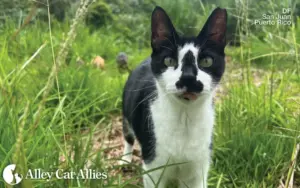
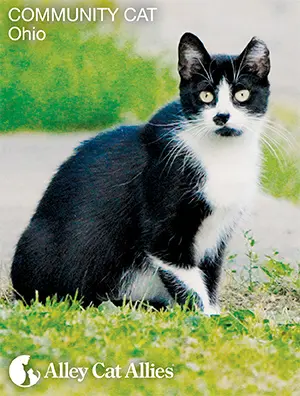
Every year, as autumn deepens and communities prepare for the shifting weather, animal advocates across the globe unite under a single, powerful banner: Global Cat Day (observed in conjunction with National Feral Cat Day on October 16). This international mobilization is far more than a celebration of our feline companions; it is an urgent, systemic call to action. At its core, Global Cat Day embraces a fundamental truth: cats are community. They are woven into the very fabric of our neighborhoods, coexisting alongside wildlife, human residents, and urban ecosystems.
Yet, despite their ubiquity, community and feral cats frequently face systemic challenges, ranging from outdated municipal policies and a lack of accessible veterinary care to outright animal cruelty. The mission leading up to and beyond October 16 is clear: to protect cats like the vital community members they are. Through localized interventions, legislative reforms, widespread education, and compassionate grassroots organizing, advocates are working to reshape how society perceives and treats outdoor and community cats.
This comprehensive report explores the multifaceted initiatives surrounding Global Cat Day, detailing the actionable steps individuals and communities can take, the importance of humane population management programs like Trap-Neuter-Return (TNR), the resources available for widespread advocacy, and the long-term outlook for feline welfare legislation worldwide.
Detailed Chronology: The Road to October 16 and Beyond
The mobilization for Global Cat Day does not happen overnight. It is the culmination of strategic planning, educational outreach, and community engagement that builds momentum throughout the year, culminating in a crescendo of activity on October 16 and extending far beyond.
Phase 1: Preparation and Awareness (Early October)
In the weeks leading up to October 16, animal welfare organizations—spearheaded by groups like Alley Cat Allies—launch intensive informational campaigns. Advocates are encouraged to watch dedicated educational videos, assess the needs of their local cat populations, and map out concrete strategies. During this phase, participants visit platforms like globalcatday.org to download planning toolkits, review safety guidelines, and order specialized gear (such as branded t-shirts, tote bags, and water bottles) designed to make advocates visible and unified while working in the field or educating local leaders.
Phase 2: The Day of Action (October 16)
On October 16, the movement shifts from digital planning to physical, boots-on-the-ground execution. Across the globe, participants take part in localized initiatives tailored to the needs of their specific regions. Actions taken on this day vary widely based on community requirements:

- Trap-Neuter-Return (TNR): Advocates mobilize teams to humanely trap feral and community cats, transport them to veterinary clinics for spaying/neutering and vaccinations, and return them to their outdoor homes.
- Shelter Building: Volunteers construct winterized outdoor shelters to protect community cats from the harsh elements as temperatures drop.
- Civic Engagement: Advocates attend local government and municipal meetings to advocate for progressive, non-lethal feline policies and to oppose outdated animal control mandates.
- Digital Amplification: Throughout the day, participants broadcast their efforts globally using the hashtags #GlobalCatDay and #NationalFeralCatDay, creating an interconnected, worldwide network of solidarity.
Phase 3: Post-Event Sustained Advocacy (Late October and Beyond)
The work does not stop when October 16 draws to a close. Organizations utilize ongoing email updates and web broadcasts via alleycat.org to maintain momentum. Social media channels continue to spotlight success stories, share innovative policy blueprints, and highlight upcoming legislative battles, ensuring that the ethos of Global Cat Day remains a year-round commitment.
Supporting Context & Metrics: The Science and Sociology of Community Cats
To fully grasp the necessity of Global Cat Day, one must understand the unique status of community cats—often referred to as feral or stray cats—within modern ecosystems. Unlike pet cats who live exclusively indoors, community cats thrive outdoors in the environments they share with human residents.
The Myth of the "Nuisance" vs. The Reality of Coexistence
Historically, municipal responses to outdoor cat populations relied heavily on catch-and-kill approaches. Decades of data and modern wildlife management studies, however, have proven this method to be not only inhumane but entirely ineffective. A vacuum effect occurs when cats are removed from a specific area; new cats simply move in to take advantage of available food sources, keeping population numbers artificially high.

Conversely, humane management strategies anchored by TNR stabilize outdoor cat populations naturally. By sterilizing the cats, populations decline over time through attrition, while nuisance behaviors associated with unspayed and unneutered cats—such as yowling, spraying, and fighting—are drastically reduced or eliminated entirely.
Legislative and Policy Landscapes
Modern animal welfare advocacy places heavy emphasis on systemic reform. Creating laws and policies that recognize cats’ rightful place in our communities requires:
- Legal Protections: Expanding anti-cruelty statutes to heavily penalize acts of violence against outdoor animals.
- Municipal Adoption of TNR: Transitioning city shelters away from lethal mandates and toward official, government-sanctioned TNR programs.
- Wildlife Harmonization: Demonstrating through peer-reviewed studies that well-managed community cat colonies can successfully coexist with local wildlife populations when proper feeding protocols and habitat management are implemented.
Official Statements and Educational Resources
Empowering individuals to become effective advocates requires robust educational infrastructure. Organizations championing Global Cat Day have curated an extensive library of resources designed to bridge the gap between grassroots compassion and institutional change.

Educating Your Community
Knowledge is the most powerful tool an advocate can wield. Alley Cat Allies and partner organizations provide comprehensive guides, brochures, and digital toolkits that can be deployed at neighborhood association meetings, town halls, and school presentations. These resources cover:
- Colony Care Best Practices: How to properly feed, water, and shelter outdoor cats without attracting unwanted wildlife.
- Medical Triage: Recognizing signs of illness, injury, or distress in unhandled outdoor cats.
- Legal Rights: Understanding local ordinances regarding animal care, feeding, and property rights.
Official Call to Action from Advocates
"Through actions big and small, we can create laws and policies that recognize cats’ coexistence with wildlife, expand access to care, and ensure strong action against animal cruelty."
— Global Cat Day Campaign Directive
This sentiment underscores the philosophy that systemic change is cumulative. Whether an advocate builds a single winter shelter for a backyard colony or successfully lobbies a city council to pass a municipal TNR ordinance, every action contributes to a seismic shift in how society treats its feline populations.

Future Outlook: The Horizon of Feline Welfare
As we look toward the future, the landscape of animal advocacy is experiencing a profound digital and cultural transformation. The integration of global communication networks allows local actions to resonate internationally within seconds.
The Path Forward
- Scaling Access to Veterinary Care: One of the most significant barriers to effective community cat management is the shortage of low-cost spay/neuter clinics. Future advocacy must focus on expanding veterinary infrastructure, potentially utilizing mobile spay/neuter units to reach underserved rural and urban neighborhoods.
- Youth Engagement and Education: Cultivating empathy for animals in the younger generation ensures sustainable, long-term protection for community cats. Educational modules in schools regarding humane treatment and animal behavior are becoming increasingly vital.
- Strengthening Legislation: The ultimate goal of Global Cat Day is the codification of humane practices into state and federal law. By pushing for shelter reform, mandatory non-lethal policies, and stricter penalties for animal abuse, advocates are building a permanent legal safety net for outdoor cats.
Conclusion
Global Cat Day and National Feral Cat Day serve as powerful reminders that compassion knows no borders. By embracing the truth that cats are community, millions of people around the world are stepping up to demand better laws, better care, and a deeper respect for our feline neighbors. Whether through planning a local TNR initiative on October 16, purchasing advocacy gear to raise awareness, or educating local neighbors, every individual has a role to play. Stay connected through alleycat.org and continue the vital work of protecting cats today, tomorrow, and every day of the year.