
Executive Overview
Every year, advocates, animal welfare organizations, and compassionate citizens around the globe unite for a singular purpose: to champion the lives and well-being of cats. As Global Cat Day approaches on October 16—incorporating the vital initiatives of National Feral Cat Day—the international animal protection community is issuing a resounding call to action. Cats are an integral part of our global community, and protecting them requires a coordinated, compassionate, and policy-driven approach.
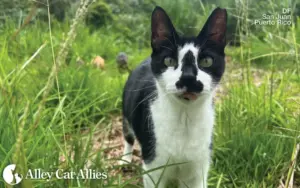
At its core, Global Cat Day is designed to embrace a fundamental truth: cats are community. Whether living in cozy suburban households, navigating rural landscapes, or thriving as outdoor, unowned community and feral cats, these animals share our neighborhoods, towns, and cities. Recognizing this coexistence is the first step toward building humane societies that reject cruelty, expand access to veterinary care, and implement progressive, life-saving policies.
This comprehensive report explores the significance of Global Cat Day, the mechanics of community cat advocacy, the critical importance of programs like Trap-Neuter-Return (TNR), and the actionable steps individuals and communities can take before and during October 16. Through education, advocacy, and direct action, advocates worldwide are reshaping the future for felines everywhere.
Detailed Chronology: The Evolution of Global Cat Day and National Feral Cat Day
To understand the magnitude of today’s movement, it is essential to examine the historical trajectory that brought feline advocacy to the global stage.
The Roots of Feral Cat Advocacy
For decades, outdoor cats—frequently referred to as feral cats—faced a grim reality. Traditional municipal approaches to unowned cats relied heavily on catch-and-kill policies, which were not only inhumane but scientifically proven to be ineffective at controlling populations. The "vacuum effect," in which new cats simply move into an area where a population was removed, rendered traditional eradication efforts futile.
In response to this crisis, animal welfare pioneers began championing Trap-Neuter-Return (TNR) as a humane, effective alternative. TNR ensures that community cats are humanely trapped, evaluated by veterinarians, spayed or neutered, vaccinated against rabies, eartipped for identification, and returned to their outdoor homes.
Establishment of National Feral Cat Day
Recognizing the urgent need to shift public perception and change regressive animal control policies, advocacy organizations established National Feral Cat Day. What began as a single-day observance in the United States quickly gained traction, uniting local grassroots groups under a shared banner of education and action.
Expansion to Global Cat Day
Over the years, the movement transcended national borders. Animal advocates in Europe, Asia, Latin America, Africa, and beyond recognized that the challenges facing outdoor and community cats are universal. Consequently, National Feral Cat Day expanded into Global Cat Day, an international campaign that addresses the full spectrum of feline welfare—from community coexistence and wildlife harmony to anti-cruelty legislation and veterinary access.

Today, the October 16 mobilization serves as both a celebration of progress and a rallying cry for the work that remains. It bridges the gap between local grassroots volunteering and international policy reform.
Supporting Context & Metrics: Why Community Cat Advocacy Matters
The push for humane treatment on Global Cat Day is backed by a growing body of data regarding feline populations, shelter dynamics, and public policy outcomes.
The Scale of the Community Cat Population
Millions of outdoor cats live across the globe. In urban, suburban, and rural environments alike, these cats have adapted to human-altered landscapes. Because unspayed and unneutered cats can reproduce rapidly, communities that fail to implement proactive TNR programs often experience cycles of overpopulation that strain local animal shelters.
The Impact of Trap-Neuter-Return (TNR)
Data consistently demonstrates that TNR is the single most effective method for stabilizing and gradually reducing community cat populations over time.

- Population Stabilization: By preventing new litters of kittens, TNR stops the cycle of population growth.
- Shelter Lifesaving: Municipalities that partner with TNR advocates see dramatic decreases in shelter intake and feline euthanasia rates, as community cats are no longer brought to facilities where they are unlikely to find traditional homes.
- Behavioral Improvements: Neutered cats display significantly fewer nuisance behaviors—such as yowling, fighting, and territorial spraying—which dramatically improves relations between the cats and human residents.
Policy and Legal Frameworks
True protection for cats extends beyond grassroots feeding and trapping; it requires systemic legal reform. Modern animal welfare frameworks increasingly recognize cats as valued members of the urban ecosystem. Progressive legislation focuses on:
- Legal Protections: Enforcing strict penalties for animal cruelty, abandonment, and neglect.
- Coexistence Policies: Mandating that local animal control agencies support and cooperate with TNR initiatives rather than penalizing caretakers.
- Access to Care: Subsidizing spay/neuter services in underserved communities to ensure that pet owners and colony caretakers alike have the resources they need.
Official Statements and Advocacy Pillars
Organizations leading the charge, such as Alley Cat Allies and various international coalitions, emphasize several core pillars during Global Cat Day campaigns.
1. Cats Are Community
"Cats are community the world over," is more than a slogan; it is an ethical framework. It asserts that outdoor cats are not pests or intruders, but living beings who share our environment. A humane society measures its own compassion by how it treats its most vulnerable populations—including free-roaming animals.
2. Actionable Compassion: Big and Small
Advocacy is not reserved for politicians or professional lobbyists. Every individual can contribute to the safety and welfare of cats. Actions range from large-scale community education campaigns and meeting with local government officials to everyday acts of kindness, such as building winter shelters, providing clean water and food, and participating in TNR programs.

3. Fostering Wildlife Coexistence
A common misconception is that community cats are incompatible with local wildlife. However, comprehensive studies show that managed colonies—where cats are fed, monitored, and sterilized—coexist peacefully with local fauna. Furthermore, TNR programs prevent uncontrolled population surges that could otherwise put pressure on local ecosystems.
Future Outlook: Taking Action Before and On October 16
As Global Cat Day approaches, the focus shifts sharply to mobilization. Protecting cats requires a proactive stance from advocates worldwide. Here is how you can get involved and make a lasting impact before and on October 16:
Plan Your National Feral Cat Day Action
On October 16, take concrete action in your local community. Share your efforts with the global network by using the hashtags #GlobalCatDay and #NationalFeralCatDay. There are numerous impactful ways to participate:
- Execute TNR: Partner with local clinics to trap, neuter, and return outdoor cats in your neighborhood.
- Build Shelters: Construct weather-proof outdoor shelters to protect community cats from harsh winter elements or summer heat.
- Educate Local Officials: Reach out to city council members, animal control officers, and community leaders to advocate for progressive, non-lethal feline ordinances.
- Support Caretakers: Offer assistance, supplies, or financial support to local colony caretakers who dedicate their time and resources to feeding and monitoring cats.
Utilize Lifesaving Educational Resources
Knowledge is one of the most powerful tools an advocate can possess. Organizations like Alley Cat Allies provide extensive, free educational materials designed to help individuals protect community cats. By downloading, printing, and sharing these resources, you can empower your neighbors, friends, and local leaders to adopt humane practices.

Gear Up for Advocacy
Visibility matters. Wearing official Global Cat Day merchandise—such as t-shirts, tote bags, and water bottles—serves as an instant conversation starter. Whether you are out in the field managing a colony or speaking at a community forum, your gear helps spread awareness and invites others to join the movement.
Stay Connected
The fight for feline welfare does not end when October 16 passes. Continuous engagement is vital. Keep a close eye on your email updates and official advocacy websites (such as alleycat.org and globalcatday.org) for ongoing campaigns, legislative alerts, and success stories. Follow participating organizations on social media to share vital posts, amplify advocacy messages, and remain part of a worldwide community dedicated to creating a better, kinder world for cats.