
Executive Overview
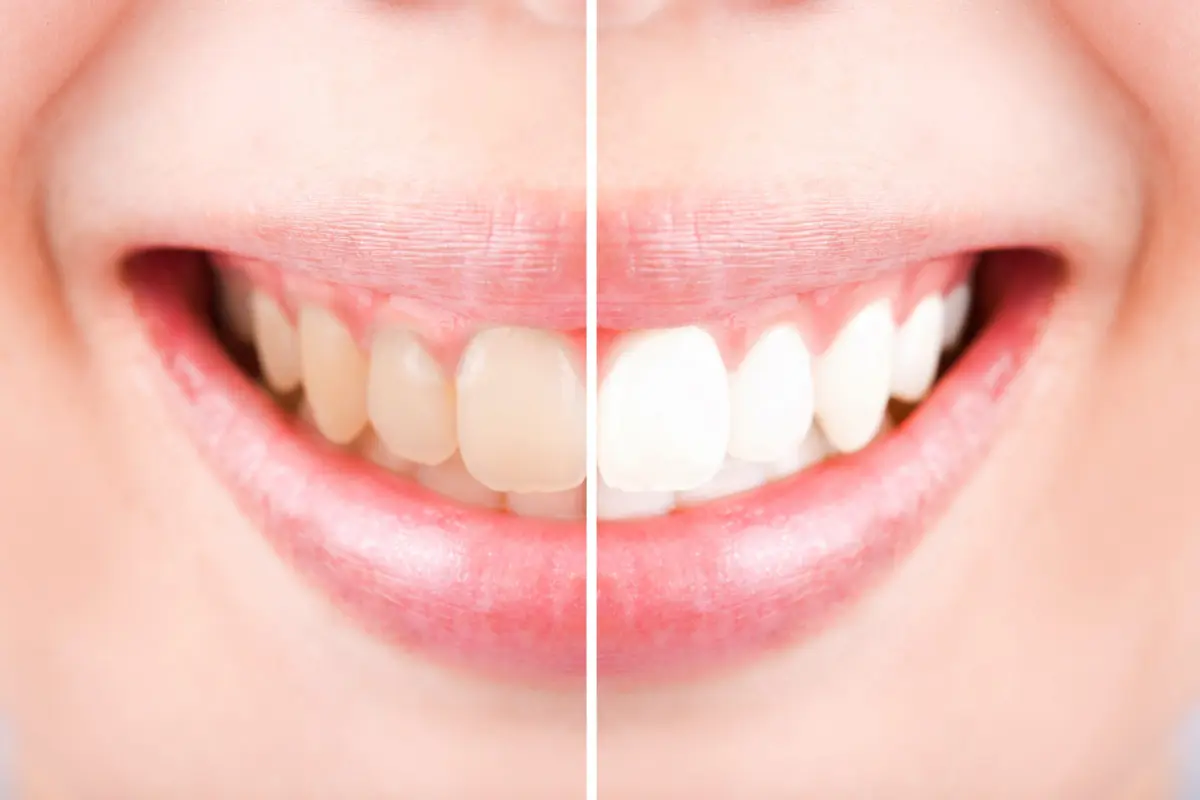
The journey to a rejuvenated smile—whether achieved through professional bleaching or the precision of porcelain veneers—elicits a profound psychological shift. Patients frequently transition from a state of self-consciousness to a renewed sense of confidence. Teeth gleam, veneers fit seamlessly, and the aesthetic transformation feels complete. However, the realities of daily life quickly reassert themselves. Dietary pigments from coffee, tea, and red wine; mechanical stresses like nocturnal bruxism (teeth grinding); and the gradual accumulation of dental plaque challenge the longevity of these cosmetic interventions.
Far too often, patients view cosmetic dental procedures as permanent finish work rather than dynamic biological enhancements. This misconception can lead to premature degradation, discoloration, and structural failure. As dental professionals across the country frequently emphasize, cosmetic work can look breathtakingly natural, but its lifespan is inextricably linked to the health of the underlying biological foundation.
Preventive dentistry is not merely an auxiliary service; it is the ultimate safeguard for a cosmetic investment. By actively mitigating the risks of marginal decay, periodontal disease, structural micro-fractures, and chromogenic staining, structured preventive care ensures that the functional and aesthetic returns of whitening and veneers endure for decades rather than mere months.
Detailed Chronology: The Lifecycle of a Cosmetic Smile
Understanding how a cosmetic restoration ages requires examining the timeline of dental maintenance, from the initial day of placement to long-term post-procedural care.
Phase 1: The Honeymoon Period (Months 0–6)
Immediately following a professional whitening session or the placement of porcelain veneers, the patient experiences peak aesthetic satisfaction. The enamel is bright, the gum tissue is healing or fully adapted to the margins of the restorations, and oral hygiene motivation is at its highest. However, microscopic changes begin almost immediately.
Plaque biofilm begins to colonize the tooth surfaces and the margins where veneers meet natural tooth structure. If unaddressed, this early plaque accumulation sets the stage for marginal staining—a yellowish or brownish discoloration line that betrays the presence of restorations.
Phase 2: The Wear-and-Tear Transition (Months 6–24)
As life resumes its normal pace, environmental and behavioral factors test the resilience of the smile.
- Chemical Exposure: Daily consumption of chromogenic beverages begins to challenge the superficial brightness of bleached teeth. While porcelain veneers are largely non-porous and resist stains better than natural enamel, the exposed natural tooth structure surrounding them remains vulnerable, leading to a mismatched, uneven appearance.
- Mechanical Stress: Unconscious habits, particularly nocturnal clenching and grinding, exert immense pressure on dental ceramics. Without protective measures, this cyclic fatigue can manifest as microscopic chipping along the incisal edges of veneers.
- Periodontal Shifts: Minor inflammation of the gingiva, caused by inconsistent flossing, can lead to subtle gum recession. When gums recede, the delicate margins of veneers are exposed, compromising both aesthetics and structural integrity.
Phase 3: The Maintenance and Intervention Era (Year 2 and Beyond)
By the second year, the difference between proactive dental care and reactive "wait-and-see" management becomes glaringly apparent. Patients committed to structured preventive routines maintain their shade stability and structural integrity. Conversely, those who neglect routine hygiene visits face escalating complications: localized gingivitis, marginal micro-leakage leading to secondary decay beneath veneers, and severe shade regression in whitened teeth that necessitates costly restorative replacements.
Supporting Context & Metrics: The Anatomy of Degradation
To appreciate the value of preventive dentistry, one must examine the specific mechanisms that compromise whitening and veneers, supported by clinical insights and public health guidelines.
The Vulnerability of Whitened Enamel
Tooth whitening is a transformative chemical process, but its results are fundamentally non-permanent. According to clinical overviews on tooth discoloration, dental stains are categorized into two distinct types:
- Extrinsic Stains: Surface-level discolorations caused by dietary habits, tobacco use, and chromogenic molecules adhering to the pellicle layer of the teeth.
- Intrinsic Stains: Deeper discolorations originating from within the tooth structure, driven by aging, internal micro-cracks, medication side effects, and enamel thinning.
Because whitening agents temporarily open the microscopic pores of the enamel to oxidize deep-set pigments, teeth are paradoxically more susceptible to re-staining immediately following a treatment. Without a structured maintenance plan involving specialized home care and professional cleanings, shade relapse occurs rapidly.
The Myth of "Maintenance-Free" Veneers
Porcelain veneers are celebrated for their durability and stain resistance. Crafted from high-strength dental ceramics, they mimic the light-reflecting properties of natural enamel. However, veneers are bonded to a living biological substrate—the underlying dentin and natural tooth structure.

If plaque and calculus accumulate at the gumline, bacteria metabolize dietary carbohydrates into acids, triggering demineralization. This process can cause secondary decay (caries) underneath or adjacent to the veneer margins. Furthermore, chronic plaque accumulation leads to gingival inflammation. As the Centers for Disease Control and Prevention (CDC) note in their adult oral health guidelines, daily mechanical plaque control through brushing and interdental cleaning is vital for preventing periodontal disease, which directly threatens the stability and aesthetics of cosmetic dental work.
Comparative Treatment Paradigms
| Approach | Clinical Protocol | Expected Effect on Whitening and Veneers | Long-Term Prognosis |
|---|---|---|---|
| Preventive Care | Bi-annual professional cleanings, comprehensive exams, customized home care, nightguards for bruxism, dietary stain awareness. | Prolongs whitening longevity; minimizes risks of marginal chipping, periodontal recession, and secondary decay. | High stability, cost-effective preservation, sustained aesthetic appeal. |
| Reactive ("Wait and See") | Care sought only when pain, chipping, or severe discoloration occurs; irregular check-ups. | Accelerated staining, heightened risk of gum recession, undetected marginal failure, and premature replacement. | High long-term financial cost, increased risk of irreversible structural damage. |
| DIY / Over-the-Counter Only | Unsupervised whitening strips, abrasive charcoal toothpastes, lack of professional diagnostic oversight. | Potential enamel abrasion, heightened thermal sensitivity, uneven shade discrepancies around existing restorations. | Moderate to high risk of localized tissue trauma and aesthetic degradation. |
Official Statements & Expert Perspectives
Dental authorities consistently emphasize that cosmetic dentistry cannot exist in a clinical vacuum. The intersection of aesthetic enhancement and preventive medicine is where long-term clinical success is forged.
Dr. Elena Vance, a leading restorative and cosmetic dentist, notes:
"Patients often believe that once they invest in veneers or professional whitening, they have reached the finish line. In reality, they have just purchased a high-performance vehicle. You wouldn’t buy a luxury sports car and never change the oil. Preventive dentistry is the oil change of your smile. It protects the structural margins, preserves the periodontal architecture, and ensures that the financial and emotional investment made in the smile yields dividends for years to come."
This sentiment is echoed by public health agencies emphasizing routine intervention. The CDC’s guidelines on adult preventive health underscore that preserving the structural integrity of the oral cavity requires a partnership between daily self-care habits and professional clinical evaluations. Catching a minor occlusal discrepancy during a routine exam can prevent a catastrophic porcelain fracture months later.
Future Outlook: The Evolution of Preventive Cosmetic Dentistry
Looking ahead, the landscape of cosmetic dentistry is shifting toward predictive and personalized care. Emerging technologies are transforming how clinicians protect whitening and veneer results.
1. Digital Occlusal Monitoring and Smart Nightguards
With the rise of digital dentistry, clinicians can now track micro-wear patterns on ceramic restorations with sub-micron precision. Custom-printed 3D nightguards equipped with pressure sensors are becoming increasingly common for bruxers, preventing the destructive forces of nocturnal grinding from compromising expensive ceramic work.
2. Bioactive Resins and Advanced Sealants
The margins where veneers meet natural tooth enamel remain the most vulnerable zone for micro-leakage and secondary decay. The development of bioactive restorative materials that release calcium, phosphate, and fluoride ions in response to acidic challenges is revolutionizing marginal protection, effectively fortifying the weak links in cosmetic dentistry.
3. Microbiome-Targeted Oral Hygiene
Future preventive protocols are moving beyond generic brushing instructions toward personalized oral microbiome mapping. By identifying specific pathogenic bacteria strains linked to accelerated plaque biofilm formation and marginal staining, dental professionals can tailor preventive regimens—including targeted rinses and probiotics—to protect both natural teeth and cosmetic enhancements.
Actionable Takeaways for Patients
Protecting your cosmetic dental work does not require a stressful, overly complicated lifestyle. It demands consistency, mindfulness, and professional partnership. Implement these three core strategies to ensure your smile remains pristine:
- Maintain a Rigorous Recall Schedule: Never skip your bi-annual professional cleanings and examinations. Hygienists can safely remove mineralized calculus and stain buildup that at-home brushing cannot touch, while your dentist inspects the marginal seals of your restorations.
- Adopt Gentle, Informed Home Care: Brush twice daily with a soft-bristled toothbrush and non-abrasive toothpaste. Avoid harsh charcoal pastes or aggressive whitening strips that can scratch ceramic surfaces or create uneven color mismatches around existing dental work. Integrate daily interdental cleaning to protect your gumline.
- Mitigate Environmental and Mechanical Hazards: If you consume staining beverages like coffee, red wine, or dark teas, rinse your mouth with water afterward. If you suffer from jaw clenching or teeth grinding, invest in a custom-fitted professional nightguard to preserve your investment.
Your smile is an integral part of your overall health and self-expression. By embracing preventive dentistry as an essential companion to your cosmetic treatments, you ensure that your radiant smile remains a source of confidence and joy for a lifetime.