Long before a puppy takes its first deliberate step on a leash, sits on command, or undergoes formal training to guide someone through a complex world, a sophisticated sequence of biological development is quietly unfolding behind the scenes. At organizations like Dogs Inc, preparing future guide dogs and service dogs begins well before they open their eyes or take their first steps outside the whelming box.
The foundation of a successful working dog is laid during the earliest, most delicate stages of life. Through a deliberate blend of science-backed handling protocols, environmental enrichment, and structured socialization, breeders and trainers optimize a puppy’s potential from day one. Central to this early-stage intervention is Early Neurological Stimulation (ENS)—a specialized, gentle practice designed to stimulate the developing nervous system. While ENS is only one chapter in a much larger, comprehensive developmental story, it highlights the meticulous, science-driven approach required to cultivate the calm, resilient temperament demanded of modern guide and service animals.
Detailed Chronology: From the Neonatal Stage to Adolescence
A puppy’s journey from a helpless newborn to a confident, life-changing service partner is marked by distinct, rapidly evolving developmental windows. Understanding these stages is essential for appreciating why early interventions matter so profoundly.
The Neonatal Stage (Birth to 2 Weeks)
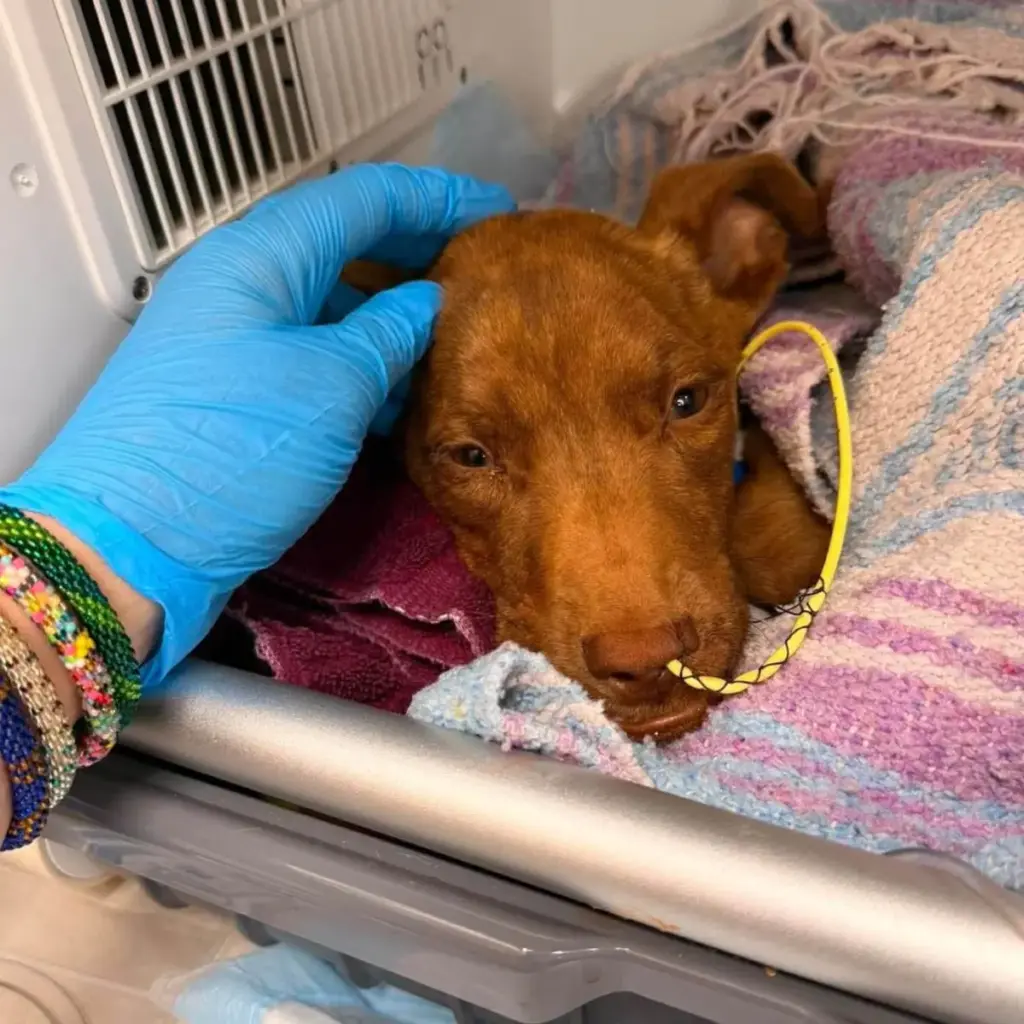
During the first two weeks of life, newborn puppies exist in a state of complete dependency. Blind, deaf, and unable to regulate their own body temperatures, they spend the vast majority of their time sleeping, nursing, and relying entirely on their mother and littermates.
Despite their outwardly vulnerable appearance, intense neurological development is occurring beneath the surface. Their brains and nervous systems are rapidly forming neural pathways. This is the exclusive window for Early Neurological Stimulation (ENS). The exercises introduced during this period are not training sessions; rather, they are brief, controlled, gentle physical manipulations designed to stimulate the neurological system without causing distress. Because neonates are fragile, these protocols must be executed by trained professionals following strict guidelines.
As puppies cross the threshold into the transitional stage, dramatic sensory awakenings occur. Their eyes and ears open, permanently altering how they perceive their environment. By four weeks of age, puppies begin walking, vocalizing, and interacting more dynamically with their littermates. Their primary teeth begin to emerge, marking the dietary shift from nursing toward soft foods and eventually solid nutrition. This period introduces the first glimmers of environmental awareness and active socialization.
The Socialization Period (3 to 12 Weeks)
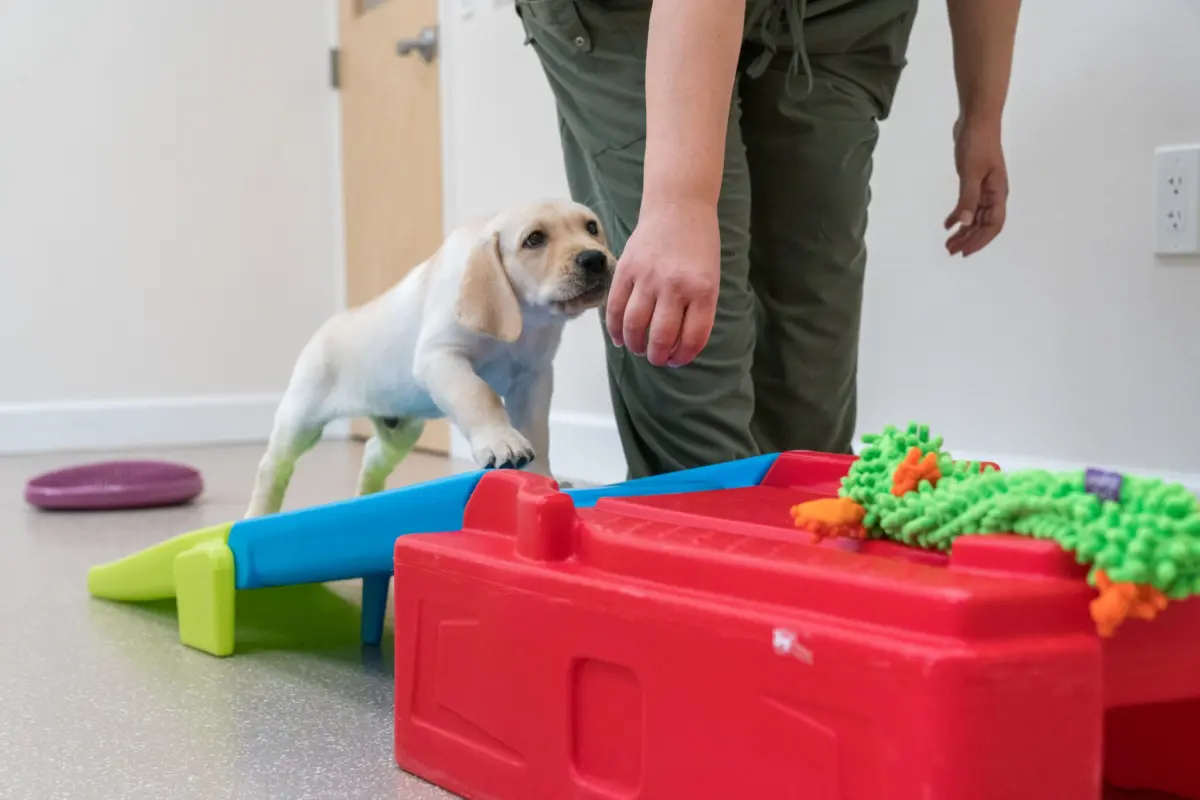
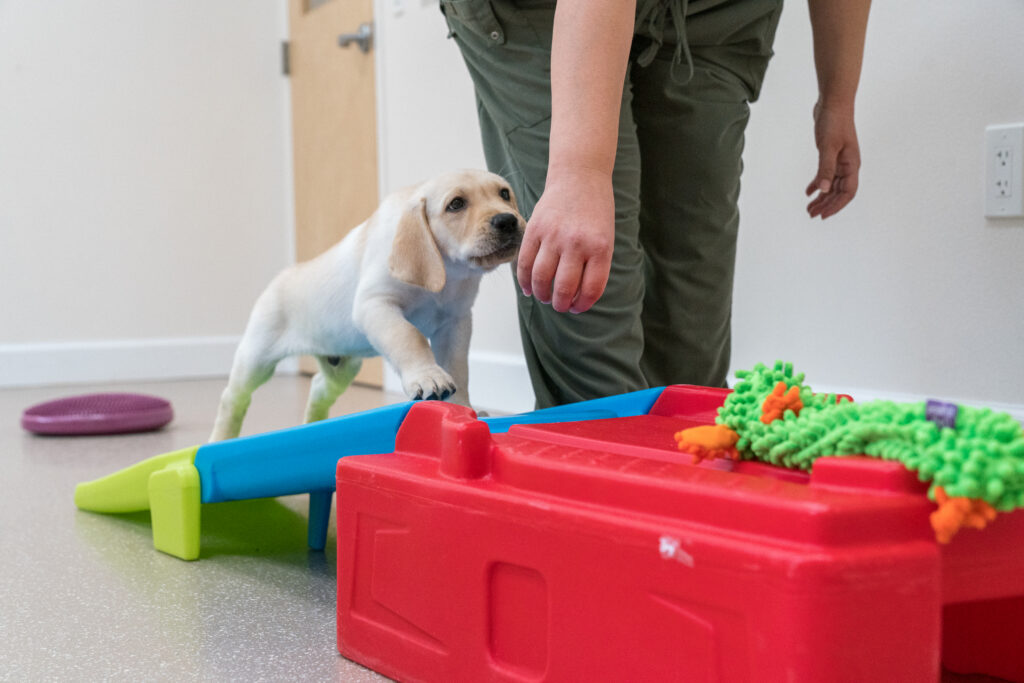
Often considered the most critical psychological window in a dog’s life, the socialization period overlaps with the tail end of the transitional phase and extends through the third month. This is when puppies begin forming lasting associations with people, novel sounds, varied textures, and other animals.
By the time a puppy reaches 12 weeks of age, structured exposure to diverse stimuli is vital. Interacting with unfamiliar individuals, exploring new environments, and experiencing safe, positive challenges build emotional resilience. This stage is instrumental in preventing fear, anxiety, and aggression in adult dogs. Concurrently, around eight weeks of age, puppies begin integrating foundational lessons in bite inhibition and social boundaries learned directly from their mother and littermates.
The Juvenile and Adolescent Stages (6 to 12 Months and Beyond)
As puppies mature into adolescence—a phase that can begin as early as six months—they frequently test boundaries much like human teenagers. Between six and 12 months, most dogs reach reproductive maturity. For female dogs, this often involves their first heat cycle, while males exhibit new, hormone-driven behaviors.
Throughout puppyhood and adolescence, dogs navigate an average of four distinct "fear periods," during which negative experiences can have an outsized, lasting impact on behavior. Consequently, trainers rely heavily on positive reinforcement methods, careful desensitization, and structured routines (such as crate training) to guide them safely through these hormonal and psychological milestones. Formal puppy classes, often introduced around 16 weeks of age, further solidify these lessons in real-world settings.
Supporting Context & Metrics: The Science of ENS
To fully understand why organizations like Dogs Inc integrate Early Neurological Stimulation into their breeding and rearing programs, one must examine the physiological rationale behind the practice.
What is Early Neurological Stimulation?
Originally popularized by breeding programs in military and working dog sectors, ENS consists of a series of five mild, tactile exercises performed daily from day three through day 16 of a puppy’s life. Each exercise lasts approximately three to five seconds per puppy. The routine typically involves:
Tactile stimulation: Tickling a foot between the toes using a Q-tip.
Head held erect: Positioning the puppy perpendicularly to the ground, holding its head vertical.
Head pointed downward: Holding the puppy perpendicular with its head pointing toward the ground.
Supine position: Holding the puppy comfortably on its back, allowing its muzzle to point upward.
Thermal stimulation: Placing the puppy on a cooled, damp towel for a brief moment.
Physiological Impacts and Hypothesized Benefits
The underlying theory of ENS is that brief, mild stressors stimulate the endocrine system, triggering the adrenal glands and cardiovascular systems. Proponents and observational studies suggest that these early neurological "workouts" yield measurable physiological improvements, including:
Greater tolerance to physical and environmental stress.
Greater disease resistance and immune system resilience.
However, researchers emphasize that ENS is not a silver bullet. A working dog’s temperament, trainability, and ultimate success are multifaceted outcomes driven by a complex interplay of genetics, general health, maternal care, environmental enrichment, and lifelong training. ENS merely primes the canvas; it does not paint the final portrait.
Official Statements and Organizational Perspectives
Organizations dedicated to breeding and training elite working dogs view early-stage intervention as an ethical and professional imperative. While specific administrative quotes vary across institutions, industry leaders consistently articulate a shared philosophy regarding puppy development.
"Preparing a future guide or service dog is a marathon, not a sprint. It requires deliberate, science-backed care starting from the very first breath a puppy takes," notes an animal husbandry expert familiar with elite working dog programs. "We cannot expect a dog to navigate the high-stress, unpredictable environments of a visually impaired handler if we haven’t carefully cultivated its resilience and adaptability from day one."
Developmental experts emphasize that the distinction between neonatal stimulation and later socialization must be respected.
"ENS is a physiological tune-up during a blind and deaf state, whereas socialization is an active psychological dialogue with the external world once their senses are online," explains canine behavior specialist Dr. Elena Vance. "Both are indispensable, but they serve entirely different neurological purposes at entirely different stages of growth."
Future Outlook: Raising Life-Changing Partners
As our understanding of canine cognition, genetics, and neonatal development continues to expand, the protocols used to raise service animals are becoming increasingly sophisticated. The future of service dog breeding lies in bridging cutting-edge veterinary science with compassionate, holistic husbandry.
Organizations like Dogs Inc are leading the charge by refusing to leave a service dog’s success to chance. By incorporating evidence-based practices like Early Neurological Stimulation during the neonatal phase, followed by meticulous socialization windows, structured adolescent training, and positive reinforcement, these programs ensure that every dog is thoroughly prepared for its future role.
Ultimately, a service dog’s journey is a lifelong continuum of learning. What begins as a brief, gentle tactile exercise on day three of life evolves into a sophisticated partnership capable of granting independence, freedom, and mobility to individuals in need. By investing care, science, and dedication into every single stage of development, these future heroes are given the absolute best start possible—transforming tiny paws into life-changing partners.