
Executive Overview
Long before a puppy ever learns to sit, walks obediently on a leash, or assumes the monumental responsibility of guiding a human through a complex and fast-paced world, an intricate, high-stakes developmental process is quietly unfolding behind the scenes. In the critical opening weeks of life, a puppy’s biology undergoes rapid, transformative changes. Though their eyes and ears remain tightly sealed during the neonatal stage, their brains and central nervous systems are exceptionally active, absorbing baseline impressions that lay the permanent groundwork for future learning, emotional resilience, and environmental adaptability.
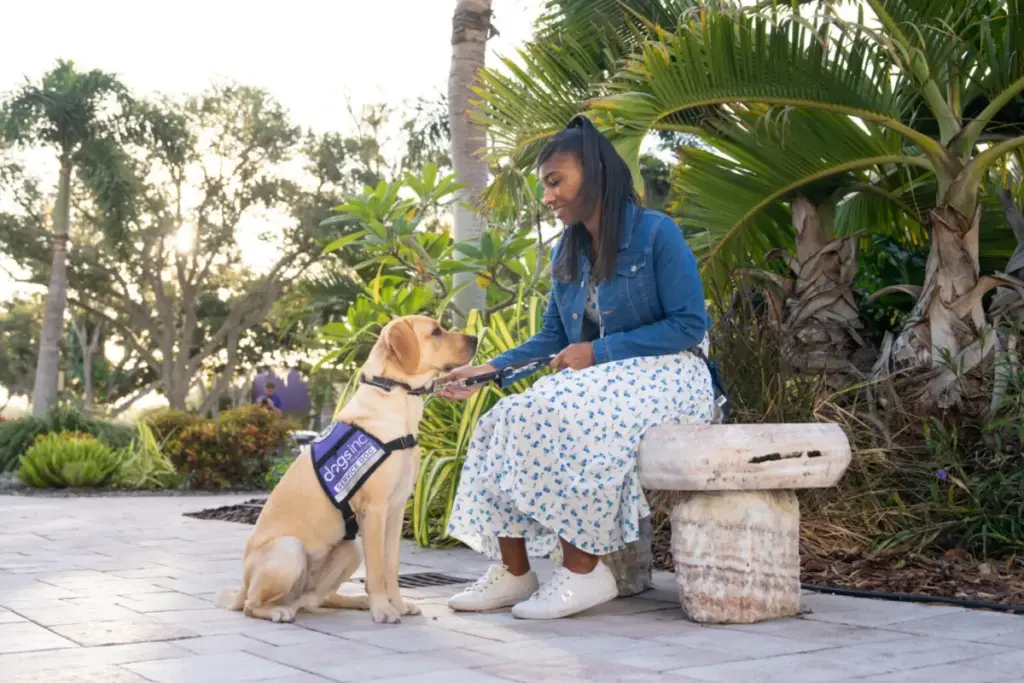
At organizations like Dogs Inc, the preparation of future guide dogs and service dogs begins long before formal obedience training ever starts. One of the foundational, science-based protocols utilized during this delicate window is Early Neurological Stimulation (ENS). While ENS represents just one small chapter in a comprehensive, multi-year developmental roadmap, it exemplifies a deeply thoughtful, research-backed philosophy: that raising elite working dogs requires intentional support from the very first day of life.
This article explores the physiological realities of the neonatal period, examines the operational mechanics and benefits of ENS, differentiates early stimulation from later socialization periods, and outlines how early-life interventions forge the calm, focused temperament required of modern service animals.
Detailed Chronology: A Stage-by-Stage Guide to Puppy Development
Understanding the impact of Early Neurological Stimulation requires a close examination of the chronological milestones that define a puppy’s earliest months of life. Canine development is a sequential continuum where each biological phase builds directly upon the last.

The Neonatal Stage (Birth to 2 Weeks)
During the neonatal stage, newborn puppies are entirely dependent on their mother and littermates for survival. At this juncture, puppies spend the vast majority of their time alternating between nursing and deep sleep. Because they are born blind and deaf, and lack the physiological capability to regulate their own body temperatures, they appear fragile and defenseless.
Yet, beneath this vulnerable exterior, explosive internal development is taking place. The brain and central nervous system are forming neural connections at a staggering rate. It is precisely during this window of rapid neurological formation that ENS protocols are introduced. These exercises do not resemble training or obedience lessons; rather, they are structured, gentle sensory experiences designed to stimulate the developing nervous system without inducing distress.
The Transitional Stage (2 to 4 Weeks)
As puppies transition out of the neonatal phase, the world rapidly expands. By the end of the third and start of the fourth week, their eyes and ears begin to open, flooding their developing brains with new sights and sounds. Puppies begin to take their first wobbly steps, attempt their initial barks, and experience the emergence of their deciduous "baby" teeth.
Dietarily, this transitional period marks the beginning of the weaning process, shifting from exclusive nursing toward soft gruel and eventually solid food. They begin interacting more intentionally with their littermates, learning critical early lessons in social boundaries and bite inhibition directly from canine peers and their mother.

The Socialization Period (3 to 12 Weeks)
Often considered the most critical psychological window in a dog’s life, the socialization period overlaps with the late transitional phase and extends through the third month. During this time, puppies are biologically primed to form positive associations with novel stimuli.
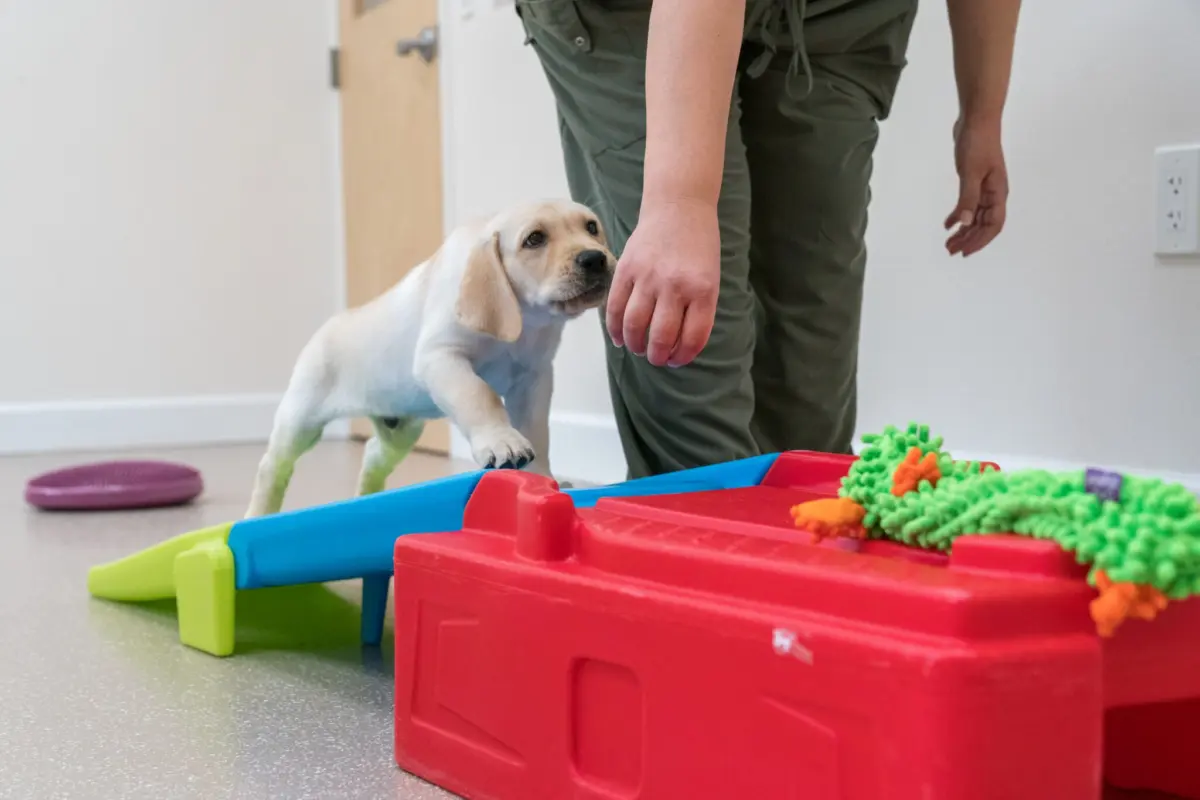
By the time a puppy reaches 8 to 12 weeks of age, structured exposure to diverse people, varied floor surfaces, ambient noises, unfamiliar environments, and other animals is essential. This careful exposure builds psychological confidence, dampens fear responses, and acts as a powerful preventative measure against future anxiety, reactivity, and aggression in adult dogs.
The Adolescent Stage and Fear Periods (6 Months and Beyond)
Canine development continues well past puppyhood. The adolescent stage can manifest as early as 6 months of age, during which young dogs—much like human teenagers—frequently test boundaries, explore independence, and navigate shifting hormonal landscapes. For female dogs, this often includes the onset of their first heat cycle, while young males may exhibit newly emerging, hormone-driven behaviors.
Furthermore, veterinary behaviorists note that puppies navigate an average of four distinct "fear periods" during their growth phases. These temporary, developmental milestones mean that even confident puppies can suddenly exhibit hesitation or fear toward familiar objects or routines. This underscores the necessity of continuous, positive-reinforcement-based training and thoughtful environmental management throughout the adolescent journey.

Supporting Context & Metrics: The Science and Mechanics of ENS
Developed originally as part of the "Bio Sensor" program—commonly known as the "Army’s Dog Program"—Early Neurological Stimulation was designed to improve the performance and stress tolerance of working dogs. Decades of observational data and physiological research indicate that introducing mild, controlled tactile stress during the neonatal window stimulates the endocrine and cardiovascular systems in ways that permanently alter stress reactivity.
The Core Protocol Exercises
Because newborn puppies are exceptionally delicate, ENS protocols must be administered exclusively by trained professionals or breeding program staff who understand proper neonatal care. The regimen consists of five brief exercises performed once daily between days three and sixteen of life. Each exercise lasts approximately three to five seconds:
- Tactile Stimulation: Holding the puppy in one hand, the handler gently tickles the pad of one foot using a cotton swab or finger, stimulating the neurological pathways of the extremities.
- Head Up: The puppy is held vertically, with its head pointing toward the ceiling and its hindquarters supported by the handler’s palm, encouraging vestibular adjustment.
- Head Down: The puppy is held securely while its head is gently pointed downward toward the ground, mildly engaging gravity-sensing systems.
- Supine Position: The puppy is placed comfortably on its back in the palm of the handler’s hand, resting for a few seconds in a completely exposed, vulnerable posture.
- Thermal Stimulation: A damp towel that has been cooled in a refrigerator is placed inside a container, and the puppy is placed upon it (not wrapped in it) for a brief, mild thermal shift.
Physiological Benefits and Biological Impact
Proponents and researchers note that these controlled, brief stimulations produce five primary benefits to the canine biological profile:
- Improved cardiovascular performance (heart rate output)
- Stronger heart beats
- Enhanced adrenal gland function
- Greater tolerance to psychological stress
- Greater disease resistance
It is vital to emphasize that ENS is distinct from socialization. While ENS exercises the neurological hardware during the neonatal period, socialization shapes the psychological software during the active sensory window that follows. Both are indispensable, yet they serve entirely different developmental functions at separate chapters of a dog’s life.

Official Perspectives: Building the Foundation at Dogs Inc
Organizations dedicated to breeding and training elite working dogs view early intervention not as an optional luxury, but as an operational imperative. Industry leaders maintain that the complex demands placed on modern guide and service dogs require a deliberate, lifecycle-spanning approach to animal husbandry and education.
Breeders, puppy-raising coordinators, and veterinary experts at facilities like Dogs Inc stress that no single factor dictates a dog’s ultimate success. Genetics, baseline health, structured socialization, environmental enrichment, and positive reinforcement training all intertwine to shape an adult dog’s temperament. However, organizations stress that omitting early developmental practices creates avoidable deficits in a dog’s resilience.
"Guide dogs and service dogs shoulder extraordinary responsibilities," notes a leading canine development expert. "They must navigate crowded airports, dense urban sidewalks, and chaotic emergencies while remaining completely calm, focused, and attuned to the handlers who rely on them. Those remarkable stress-coping mechanisms do not materialize overnight. They are the direct result of a carefully curated developmental continuum that begins the moment a puppy draws its first breath."
By incorporating ENS into the earliest days of a puppy’s life, institutions proactively prime the nervous system to handle novelty. This foundational work ensures that when these dogs eventually transition to volunteer puppy raisers and formal training academies, their biological systems are already optimized to learn, adapt, and succeed under pressure.
Future Outlook: A Lifetime of Learning and Partnership
As the science of canine cognition continues to advance, the methodology surrounding service dog preparation evolves in tandem. Modern breeding programs increasingly recognize that early neurological stimulation, transitional care, structured socialization, and lifetime learning form an unbroken chain of development.
Looking toward the future, organizations are expanding their investment in data-driven puppy rearing, refining neonatal protocols, and offering enhanced educational resources to puppy raisers and foster families. The transition from a neonatal puppy nursing in a whelping box to a fully certified service dog changing a human life is long and demanding. Yet, the evidence remains clear: by investing care, science, and intentionality into the very first days of life, organizations build an unshakeable foundation for the future.
Ultimately, the early weeks of a puppy’s life may pass in the blink of an eye, but they set the trajectory for an entire lifetime of service. Through continued innovation in neurological stimulation, thoughtful socialization, and lifelong positive reinforcement, institutions like Dogs Inc ensure that tomorrow’s life-changing partners are equipped for greatness from day one.