Every year, millions of pet owners spend billions of dollars on commercial dog and cat foods under the assumption that these products are subjected to rigorous federal oversight and strict safety protocols comparable to the human food supply. However, an in-depth investigation into the regulatory frameworks governing animal feed reveals a system rife with enforcement loopholes, statutory exemptions, and deceptive marketing practices.
While federal oversight falls under the purview of the U.S. Food and Drug Administration (FDA) and local compliance is managed by State Departments of Agriculture, critical systemic gaps persist. Crucially, the Association of American Feed Control Officials (AAFCO)—frequently mischaracterized by consumers as a governing regulatory body—holds no statutory authority whatsoever. It serves merely as a voluntary advisory organization, leaving actual enforcement fragmented and often lenient.
Perhaps the most alarming compromise within this regulatory ecosystem is the FDA’s explicit policy of "enforcement discretion" regarding the inclusion of diseased animals and livestock that have died from causes other than slaughter. Despite federal statutory prohibitions against adulterated food products, the agency permits these questionable ingredients into pet food formulations without requiring any notification or labeling disclosure on the product packaging. Combined with loosely enforced rules governing ingredient percentage claims, visual packaging imagery, and self-policed feeding trial data, the modern pet food marketplace presents a stark disconnect between consumer expectations and regulatory reality.
Detailed Breakdown of Regulatory Standards & Labeling Mechanics
To understand how commercial pet food is manufactured and marketed, one must analyze the legal definitions, ingredient thresholds, and regulatory bodies that shape the industry’s day-to-day operations.
       ┌─────────────────────────────────────────────────────────┐
       │                FEDERAL OVERVIEW: FDA                    │
       │   Sets federal policies; exercises "enforcement          │
       │   discretion" on adulterated/diseased animal inputs.     │
       └────────────────────────────┬────────────────────────────┘
                                    │
                                    ▼
       ┌─────────────────────────────────────────────────────────┐
       │             ADVISORY BODY: AAFCO                        │
       │   Non-regulatory body; establishes model laws, nutrient  │
       │   profiles, and feeding trial protocols without direct   │
       │   enforcement or verification authority.                │
       └────────────────────────────┬────────────────────────────┘
                                    │
                                    ▼
       ┌─────────────────────────────────────────────────────────┐
       │           LOCAL ENFORCEMENT: STATE DEPT. OF AG          │
       │   Adopts AAFCO models into state law; handles local     │
       │   product registration and marketplace checks.          │
       └─────────────────────────────────────────────────────────┘
The Regulatory Hierarchy: FDA, States, and AAFCO
A common misconception among pet owners is that AAFCO regulates pet food. In reality, AAFCO is a private, voluntary association of feed control officials. It does not test, approve, certify, or regulate pet foods.
Federal Level: The FDA holds statutory responsibility under the Federal Food, Drug, and Cosmetic Act (FD&C Act) to ensure animal feed is safe, produced under sanitary conditions, and accurately labeled.
State Level: Individual State Departments of Agriculture possess local enforcement power, adopting AAFCO’s model regulations into state law and monitoring feed compliance within their borders.
Historical Precedent: The United States Department of Agriculture (USDA) currently plays no direct role in regulating standard pet food, though it previously administered a voluntary "Certified Pet Food" program that mandated all ingredients be edible for human consumption—a standard that has since been largely abandoned in commercial practices.
Deciphering Product Names: The 3% and 10% Rules
The naming conventions printed on pet food bags are governed by strict percentage thresholds established under AAFCO model regulations, though these math-based rules are rarely understood by the average consumer.
The "Recipe," "Formula," or "Dinner" Descriptor: When a pet food uses words such as Recipe, Formula, Dinner, Platter, or Entrée in its title (e.g., "Chicken Dinner for Cats"), AAFCO rules require that the named ingredient constitute a minimum of 10% of the total product weight, exclusive of added water used during processing.
The "With" Modifier: A subtle shift in phrasing drastically alters the minimum meat content. If a label reads "Dog Food With Beef," the named ingredient is only legally required to make up a minimum of 3% of the product weight, excluding added water. Consequently, a product labeled "Beef Dinner" contains significantly more beef than one labeled "Dog Food With Beef."
Naming Modifier / Descriptor
Minimum Required Weight of Named Ingredient (Excluding Added Water)
"[Ingredient] Dinner / Recipe / Formula / Entrée"
10%
"With [Ingredient]"
3%
Pictorial Misrepresentation and Unenforced Packaging Rules
AAFCO model regulations explicitly dictate that:
"A vignette, graphic, or pictorial representation on a pet food label shall not misrepresent the contents of the package."
Despite this explicit rule, visual deception remains widespread across retail shelves. It is commonplace for pet food packaging to feature imagery of prime, human-grade cuts of meat, whole wild salmon, and fresh farm vegetables, even when the actual contents consist primarily of rendered meat by-products, meals, or high-volume grain fillers. Neither the FDA nor state agricultural authorities actively enforce the prohibition against misleading graphics, allowing manufacturers to market low-quality feed using premium visual cues.
The Feeding Trial Illusion
When a pet food package claims the product has undergone a "Feeding Trial," consumers often assume the results were subjected to rigorous government audit or third-party validation. However, while AAFCO outlines the protocol guidelines for conduct during a feeding trial (such as duration, blood work parameters, and weight monitoring), AAFCO does not certify, evaluate, or verify the results. No regulatory authority or independent body is legally required to validate feeding trial data, leaving the integrity of the results entirely in the hands of the manufacturer.
Detailed Chronology: Enforcement Discretion and Advocacy Failures
The legal framework governing pet food ingredients has been marked by decades of regulatory tolerance toward low-cost, low-quality animal tissues. The history of FDA oversight regarding non-slaughtered meat sources illustrates how public policy has prioritized commercial convenience over statutory adherence.
       [ FEDERAL FD&C ACT ]
       Prohibits diseased animals and non-slaughtered animal remains
       in any food supply.
                 │
                 ▼
       [ FDA POLICY CREATION ]
       FDA adopts "Enforcement Discretion," permitting 4D meats
       (Diseased, Dying, Disabled, Dead) in animal feed.
                 │
                 ▼
       [ ADVOCACY PETITIONS ]
       Susan Thixton / ATPF petition FDA to enforce federal law or
       mandate packaging disclosure labels.
                 │
                 ▼
       [ FORMAL FDA REJECTIONS ]
       FDA denies all consumer petitions, maintaining that adulterated
       inputs pose no safety concern.
The Federal Prohibition vs. FDA "Enforcement Discretion"
Under statutory federal law—specifically the Food, Drug, and Cosmetic Act—it is illegal to introduce food into interstate commerce derived from an animal that has died otherwise than by slaughter, or from an animal that exhibited disease prior to death. These inputs are classified under federal law as adulterated material.
Despite this clear legal mandate, the FDA has formally chosen to bypass enforcement for the pet food industry. The agency routinely permits rendered tissues from diseased livestock or animals that died from non-slaughter causes (commonly referred to in the feed industry as 4D livestock: Dead, Dying, Diseased, or Disabled) to enter the animal feed supply chain without informing consumers.
The Consumer Advocacy Campaign
For years, consumer protection advocates have fought the FDA’s reliance on enforcement discretion:
Formal Petitions: Susan Thixton, a prominent pet food consumer advocate and founder of the Association for Truth in Pet Food (ATPF), has repeatedly filed administrative petitions with the FDA.
The Core Demand: The petitions urged the FDA to either enforce federal law by halting the inclusion of diseased or non-slaughtered animal materials in pet food, or, at a minimum, mandate explicit warning labels on product packaging to inform pet owners when these ingredients are utilized.
Agency Response: The FDA has consistently rejected every petition submitted by the ATPF. The agency maintains its position that allowing non-slaughtered and diseased animal materials into animal food does not present an immediate public health hazard, effectively blocking consumer attempts to force transparency on retail packaging.
Supporting Context & Key Industry Metrics
Evaluating the nutritional value and compositional makeup of commercial pet food requires analyzing mandated nutrient profiles, agricultural commodity utilization, and the legal parameters governing premium product categories.
Nutrient Profile Thresholds: Protein and Calcium Rigor
AAFCO establishes two primary Nutrient Profiles used by state regulators to judge whether a pet food is nutritionally complete and balanced: Adult Maintenance and All Life Stages (which encompasses growth, reproduction, and lactation).
Products marketed specifically for puppies or kittens are classified under the "Growth" category and are legally required to meet the "All Life Stages" threshold.
CAT FOOD MINIMUM CRUDE PROTEIN REQUIREMENTS
┌─────────────────────────────────────────────────────────┐
│ Adult Maintenance: 26%                                  │
├─────────────────────────────────────────────────────────┤
│ All Life Stages / Growth (Kittens): 30%                 │
└─────────────────────────────────────────────────────────┘

DOG FOOD MINIMUM CRUDE PROTEIN REQUIREMENTS
┌─────────────────────────────────────────────────────────┐
│ Adult Maintenance: 18%                                  │
├─────────────────────────────────────────────────────────┤
│ All Life Stages / Growth (Puppies): 22.5%               │
└─────────────────────────────────────────────────────────┘
Cat Food Protein Standards:
Adult Maintenance: Requires a minimum crude protein content of 26%.
All Life Stages / Kitten Growth: Requires a minimum crude protein content of 30%.
Dog Food Protein Standards:
Adult Maintenance: Requires a minimum crude protein content of 18%.
All Life Stages / Puppy Growth: Requires a minimum crude protein content of 22.5%.
Large Breed Puppy Exemption: Formulations intended for large-breed puppies (dogs expected to weigh 70 lbs or more as adults) are subjected to strict maximum calcium caps. Lower calcium levels are required to prevent excessively rapid bone growth, which can lead to severe developmental orthopedic disorders.
Dominant Agricultural Inputs: The Preeminence of Corn
While brand advertising frequently highlights premium proteins, independent agricultural metrics reveal a heavy reliance on plant-based starch fillers. According to a comprehensive market analysis published by the Institute for Feed Education and Research (IFEEDER), corn is used in vastly higher volumes than any other ingredient in commercial pet food manufacture.
Scale of Use: Nearly 1 million tons more corn is consumed annually in pet food production than the second most common ingredient.
Economic Factor: Corn serves as a cost-effective calorie source, binder, and carbohydrate filler for kibble extrusion, underlining the industrial nature of mass-market pet food manufacturing.
Legal Requirements for "Human Grade" Pet Food
Because terms like "premium," "natural," and "ultra-digestible" lack legal definitions, the term "Human Grade" has become a central battleground for consumer transparency. To legally market a pet food product as "Human Grade," manufacturers must satisfy stringent federal manufacturing and supply-chain protocols:
Every individual ingredient, as well as the finished end-product, must be stored, handled, processed, and transported in full compliance with current Good Manufacturing Practices (cGMPs) for human-edible foods, as codified in 21 CFR Part 117.
If a single ingredient in the formula is handled outside a human-certified facility, or if the finished product is processed in an animal-feed plant rather than a human-food facility, the entire product forfeits the legal right to claim "Human Grade" status.
Official Statements and Policy Disclosures
The rift between federal regulators and consumer protection organizations highlights opposing philosophies regarding food safety standards, statutory compliance, and public disclosure.
The Federal Food and Drug Administration (FDA)
In formal policy statements addressing their refusal to prohibit non-slaughtered or diseased animal inputs in animal feed, the FDA articulated its operational stance:
"We do not believe that the use of diseased animals or animals that died otherwise than by slaughter to make animal food poses a safety concern and we intend to continue to exercise enforcement discretion."
This position establishes that as long as the processing and rendering methods destroy active biological pathogens, the agency considers the resulting material suitable for animal consumption—regardless of statutory statutory bans against adulterated food products.
Consumer Advocacy Standpoint
Susan Thixton, leading pet food consumer advocate representing the Association for Truth in Pet Food (ATPF), forcefully rejects the FDA’s rationale, emphasizing the systemic ethical and health issues embedded in the current regulatory environment:
"Again, these types of ingredients are a direct violation of federal law—but the FDA allows them in pet food without your knowledge… All of our attempts thus far to require disclosure on pet food labels in order for pet owners to understand what they are purchasing have been rejected by FDA."
The ATPF acts as a stakeholder organization representing consumer interests directly at AAFCO meetings and FDA regulatory roundtables, advocating for strict enforcement of the law, clear labeling of rendered materials, and independent verification of marketing claims.
Future Outlook and Recommendations for Consumers
As public awareness surrounding pet food manufacturing grows, the industry faces mounting pressure from educated pet owners, independent watchdogs, and legal advocates demanding transparency. However, given the FDA’s persistent refusal to enforce traditional statutory bans on adulterated ingredients, structural legislative reform remains distant.
Key Takeaways for Pet Owners Navigating the Market
To make informed purchasing decisions amidst an opaque regulatory landscape, consumers should consider the following practical criteria:
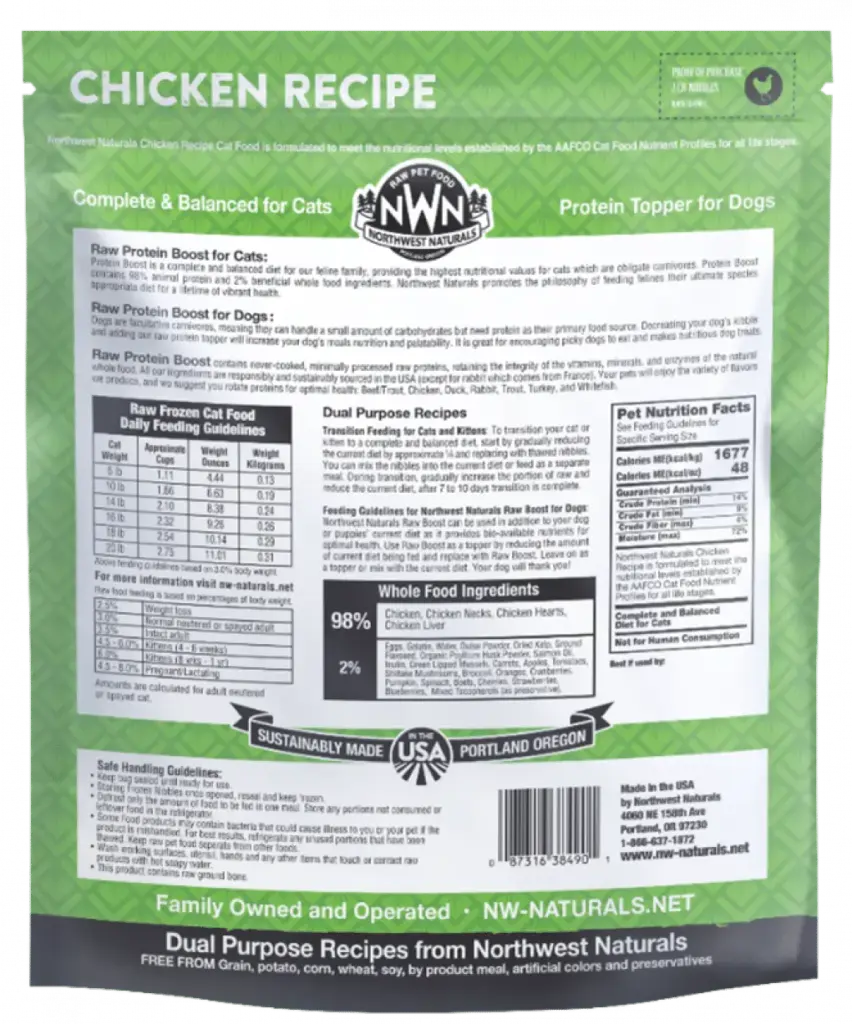
Ignore Front-of-Package Marketing: Visual depictions of fresh meat cuts, vegetables, and idyllic farmland are unregulated marketing tactics. Consumers must rely on the ingredient panel and guaranteed analysis on the back of the bag.
Understand the Naming Language: Recognize that terms like "Chicken Dinner" or "Formula" require only 10% of the named ingredient, while claims utilizing "With" (e.g., "With Chicken") require a mere 3%.
Verify "Human Grade" Claims: Look for explicit verification that the brand adheres to 21 CFR Part 117 standards across its entire supply chain, ensuring ingredients were processed in facilities inspected for human food production.
Demand Supply-Chain Transparency: Consumers can consult advocacy resources—such as the ATPF’s annual consumer-vetted product reports (including The 2026 List and The 2026/27 Treat List)—which audit manufacturers on ingredient origin, quality sourcing, and manufacturing transparency.
Without mandatory labeling disclosures from federal authorities, the responsibility for verifying product integrity ultimately rests on the consumer. Until federal regulations align with statutory law, consumer advocacy and rigorous individual scrutiny remain the sole safeguards against deceptive practices in the pet food aisle.