
Executive Overview
The landscape of modern agriculture is undergoing a quiet, yet radical, transformation. At the intersection of artificial intelligence, robotics, and traditional farming lies a critical bottleneck: the transition from laboratory prototypes to rugged, field-tested reality. On October 20, at the premier FIRA agtech event, Danny Bernstein, founder and chief executive officer of Reservoir Farms, announced a landmark expansion that promises to bridge this gap for some of the world’s most challenging agricultural sectors.
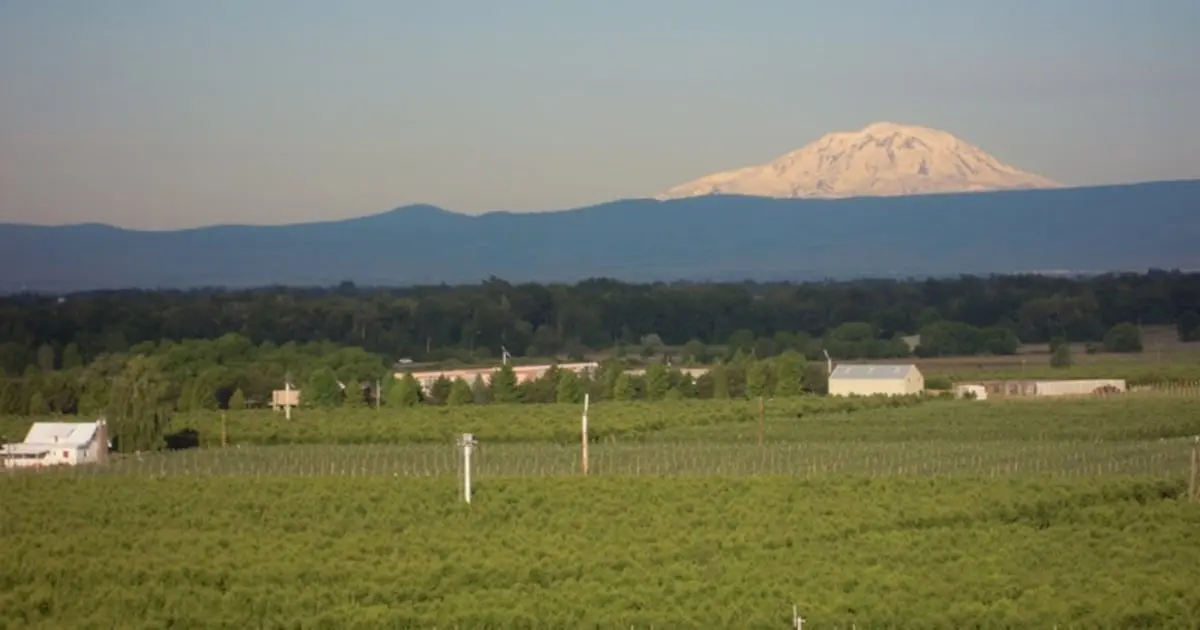
In the spring of 2027, Reservoir Farms will officially launch its newest agtech incubator in Yakima, Washington. This marks the organization’s second major expansion outside of California, cementing its footprint as a national powerhouse for agricultural automation. Designed specifically to introduce advanced agricultural robotics and physical artificial intelligence (AI) to the Pacific Northwest, the Yakima facility will focus on specialty crops—such as tree fruits, wine grapes, blueberries, and hops—that have historically resisted mechanization due to their delicate nature, intricate canopy structures, and labor-intensive management requirements.
Reservoir Farms has built its reputation on a unique, highly collaborative model: providing early-stage technology startups with real working farmland to test, break, and refine their innovations. By embedding engineers and developers directly into functioning agricultural ecosystems alongside seasoned growers, Reservoir accelerates the maturation curve of agtech hardware and software.
The expansion into Washington State is not merely a geographic milestone; it represents a strategic alignment of industry titans, regional economic development agencies, leading research institutions, and cutting-edge startups. Backed by strategic investments from agricultural equipment heavyweight John Deere and Western Growers, as well as critical local partnerships with organizations like the Tri-City Development Council (TRIDEC) and the Washington Tree Fruit Research Commission, the forthcoming Yakima incubator is poised to redefine how agricultural innovation is validated, commercialized, and deployed.
Detailed Chronology: The Evolution of Reservoir Farms and the Path to the Pacific Northwest
To understand the significance of the Yakima expansion, one must examine the trajectory of Reservoir Farms and how its innovative ecosystem has evolved over recent years.
The Foundation: Establishing the California and Arizona Hubs
Reservoir Farms originally disrupted the agtech incubation space by discarding the traditional "sandbox" approach—where startups test software in sterile environments or simulated fields—and replacing it with real-world adversity. Operating across multiple tiers, including a widely adopted freemium subscription service often dubbed the "Spotify for farming innovation," Reservoir provides more than 30 agtech startups with access to working acreage.
Through its established hubs in Salinas and Sonoma, California, as well as its strategic footprint in Arizona, Reservoir has allowed developers to expose their machinery and algorithms to unpredictable weather, uneven terrain, stubborn dust, and real crop stress. This trial-by-fire methodology has proven immensely successful. Alumni of the incubator, such as Bonsai Robotics and Sky Sense, have successfully transitioned from fragile prototypes to production-ready machinery capable of operating autonomously in commercial farming operations. New members, including Cordon and Rootline, have similarly integrated into the fold, eager to leverage Reservoir’s vast testing network.
The Turning Point: Strategic Investments and Scaling
A major catalyst for Reservoir’s rapid regional scaling occurred in August 2026, when agricultural machinery giant John Deere injected $10 million into Reservoir Farms, alongside continued backing from Western Growers. This substantial capital infusion provided Reservoir with the financial runway required to scout new agricultural frontiers. Leadership recognized that while California and Arizona offered vast row crops and leafy greens, the true frontier of automation lay in perennial specialty crops—perplexing environments dominated by orchards, vineyards, and berry bushes.
The October 2026 FIRA Announcement
The culmination of months of logistical planning, stakeholder alignment, and site evaluation crystallized on October 20, 2026. Speaking at the FIRA (Farming Robot Association) event, Danny Bernstein formally unveiled the plans for the Yakima incubator. The announcement immediately generated waves of excitement across the agtech and horticultural communities, signaling that the Pacific Northwest was about to become a global epicenter for physical AI in agriculture.
The Road to Spring 2027
With the announcement public, Reservoir has initiated a multi-phase rollout plan leading up to the grand opening in the spring of 2027. This phase involves infrastructure development, finalizing partnerships with regional agricultural commissions, and establishing formal frameworks with academic heavyweights like Washington State University (WSU). Early incubator members, including prominent alumni and fresh startups, have already begun lining up to secure testing plots at the upcoming Washington facility, recognizing the unparalleled value of gaining early access to the Pacific Northwest’s unique agro-climatic conditions.
Supporting Context & Metrics: Why Washington State?
Washington State is an agricultural powerhouse, but its dominance is built upon crops that present some of the most intricate challenges in modern farming. According to United States Department of Agriculture (USDA) data, Washington is the undisputed leader in commercial apple production in the United States, accounting for roughly two-thirds of the nation’s total supply. Beyond apples, the state is a leading producer of premium pears, sweet cherries, blueberries, and wine grapes.
The Labor Crisis and the Specialty Crop Conundrum
Despite their agricultural and economic value, specialty crops are notoriously labor-intensive. Tasks such as selective harvesting, precise pruning, blossom thinning, and canopy management have historically relied on skilled human hands. However, tightening labor markets, rising minimum wages, and an aging agricultural workforce have created a severe labor deficit for Washington growers.
"Tree fruit, blueberries, wine grapes and hops are some of the hardest crops in the world to automate, and labor is now the biggest cost Washington growers face," Danny Bernstein noted.
Unlike uniform row crops such as corn or soybeans—which can be harvested using massive, standardized machinery—orchards and vineyards present three-dimensional, highly variable environments. Fruit hangs at varying heights, branches obscure targets, and delicate skins require a level of dexterity that traditional industrial robots struggle to replicate without causing crop damage.
Disease, Pests, and Environmental Pressures
Compounding the labor challenge are unique regional disease and pest pressures. Pacific Northwest growers must navigate strict regulatory frameworks, fluctuating water availability, and microclimates that foster specific agricultural pathogens. These variables demand hyper-localized technological solutions. Generic agtech tools developed in the Midwest or the Central Valley of California frequently fail when dropped into a Washington apple orchard or Yakima Valley hop yard.
By bringing physical AI and robotics directly to the source, Reservoir Farms ensures that startups build solutions tailored to the actual physical realities of specialty crop farming. When engineers work shoulder-to-shoulder with growers who provide unfiltered, honest feedback, the development cycle compresses dramatically. Technologies move from fragile garage prototypes to robust, field-ready production models in a fraction of the usual time.
Official Statements and Industry Perspectives
The announcement of the Yakima incubator has drawn widespread praise and endorsement from regional leaders, academic experts, and agricultural innovators alike.
The Industry Perspective: Danny Bernstein
Reflecting on the broader implications of the expansion, Reservoir Farms CEO Danny Bernstein emphasized the validation of their core business model:
"Expanding into the Pacific Northwest shows the Reservoir model is working. When you put builders on real farms with growers who will tell them the truth, rugged physical AI goes from prototype to production much faster."
Bernstein’s sentiment underscores the philosophy that technological innovation cannot occur in an urban tech bubble. True agricultural revolution requires dirt under the fingernails, open dialogue with generational farmers, and an environment where failure in the field is treated as a vital data point rather than a terminal setback.
Academic Integration: Washington State University
To maximize the scientific rigor and long-term impact of the incubator, Reservoir is actively exploring collaborative partnerships with Washington State University (WSU). This academic integration is expected to bridge theoretical agricultural science with applied technological engineering.
Naidu Rayapati, director of the WSU Prosser Irrigated Agriculture Research and Extension Center (IAREC), highlighted the profound mutual benefits of this prospective collaboration in an official press release:
"Opportunities to bring ag-tech startups together with our faculty to evaluate emerging technologies across diverse cropping systems, including orchards and vineyards, could give growers valuable insights within a single growing season and rigorous validation over multiple seasons, helping them make informed decisions, reduce risks, and improve productivity and profitability."
By coupling WSU’s decades of agronomic research with Reservoir’s agile startup ecosystem, participating companies will have access to unparalleled biological and horticultural insights, ensuring that automated systems respect plant health and soil ecology.
Regional Economic Development: TRIDEC and Agricultural Commissions
The expansion is also viewed as a major economic boon for the Tri-Cities region and the broader Pacific Northwest economy. The initiative is heavily supported by a strategic commitment from the Tri-City Development Council (TRIDEC), alongside key industry stakeholders such as the Washington Tree Fruit Research Commission and the North American Blueberry Council.
Local economic developers view the arrival of Reservoir Farms as a magnet for high-tech talent, venture capital, and engineering firms, transforming Yakima and the surrounding agricultural valleys into a thriving agtech corridor. This influx of innovation is expected to not only safeguard the future of Washington’s legacy crops but also create high-wage technical jobs in rural communities.
Future Outlook: The Horizon of Agricultural Automation
As Reservoir Farms prepares for the grand opening of its Yakima facility in the spring of 2027, the trajectory of agricultural technology reaches a vital inflection point. The expansion signals a maturing industry that is moving past the "hype cycle" of artificial intelligence and into the hard-nosed phase of practical deployment.
What to Expect by Spring 2027 and Beyond
- Influx of Specialized Startups: With incubator alumni such as Bonsai Robotics and Sky Sense—alongside new members Cordon and Rootline—establishing roots in Washington, the facility will immediately serve as a collaborative crucible for computer vision, autonomous navigation, and soft robotics.
- Accelerated Multiseason Validation: Through partnerships with WSU and regional research commissions, technologies deployed in the Yakima incubator will undergo rigorous multi-season testing. This will dramatically reduce the time it takes for growers to adopt unproven tools, mitigating financial risk.
- Deepening Institutional Ties: The active involvement of John Deere and Western Growers suggests that the innovations forged in Yakima will eventually find pathways to global commercial distribution, scaling local breakthroughs into international solutions.
The Ultimate Goal: Sustainable, Profitable Specialty Crop Farming
Ultimately, the mission of Reservoir Farms in Washington State extends beyond mere automation; it is about preservation and resilience. As climate pressures mount, labor pools shrink, and operational costs surge, the survival of the Pacific Northwest specialty crop industry depends on its ability to embrace precision agriculture.
By placing the builders of tomorrow directly onto the farms of today, Reservoir Farms is engineering a future where Washington’s iconic orchards, vineyards, and berry fields remain globally competitive, environmentally sustainable, and economically viable for generations to come. The spring of 2027 will not just mark the opening of a new facility—it will herald a new chapter in the mechanical and digital evolution of farming.