For millennia, Felis catus has shared human habitation, transitioning from ancient Egyptian temple guardians and pragmatic rodent hunters on agrarian estates to cherished, central members of the modern household. Today, domestic cats outnumber dogs in many parts of the industrialized world, reflecting humanity’s enduring fascination with these agile, enigmatic predators. However, bringing a cat into your home is far from a trivial undertaking. With dozens of recognized pedigrees and countless mixed-breed variations, selecting the right feline companion requires balancing aesthetics, temperament, activity levels, maintenance requirements, and hereditary health predispositions.
This comprehensive investigative report examines the 15 most common cat breeds in contemporary households. By analyzing their origins, physiological traits, behavioral profiles, and specific care needs—ranging from the snowshoe-like paws of the Maine Coon to the hairless, heat-seeking nature of the Sphynx—this guide aims to equip prospective cat owners with the objective data necessary to make an informed, lifelong commitment. Furthermore, this report outlines critical decision-making frameworks concerning lifestyle compatibility, veterinary health, and grooming investments.
Detailed Chronology: The Evolution of Domestic Cat Breeds
To fully understand the modern cat, one must examine the historical timeline of feline domestication and breed standardization. Unlike dogs, which were selectively bred by humans for specific utilitarian tasks (such as herding, guarding, and retrieving) thousands of years ago, cats largely domesticated themselves. Drawn to early human agricultural settlements by the abundance of rodents, wildcats (Felis lybica) initiated a mutually beneficial relationship with human civilization.
Ancient Beginnings (c. 3000 BCE – 1000 CE): In ancient Egypt, cats were venerated, protected by law, and associated with deities like Bastet. Natural mutations, such as long hair or distinctive color points, began to appear as cats migrated along trade routes to Asia, the Middle East, and Europe.
The Age of Exploration and Natural Breeds (15th – 19th Century): Maritime trade vessels frequently carried cats to control vermin. These seafaring felines laid the foundation for "natural breeds"—cats that evolved distinct physical adaptations to survive harsh regional climates without human intervention. Examples include the rugged Maine Coon of the American Northeast, the dense-coated British Shorthair, and the sleek Abyssinian.
The Birth of Cat Fancy and Standardization (Late 19th Century – Mid 20th Century): The formal organization of cat breeding began in Victorian England, notably marked by the first major cat show at the Crystal Palace in 1871. Enthusiasts began recording pedigrees, establishing breed standards, and intentionally breeding for specific cosmetic traits. Breeds like the Persian and Siamese gained prominence during this era.
The Modern Era of Designer Hybrids and Genetic Management (Late 20th Century – Present): Driven by a desire for exotic aesthetics combined with domestic temperaments, breeders began developing hybrid cats, crossing domestic lines with wild species (such as the Asian Leopard Cat to create the Bengal). Simultaneously, governing bodies like the Cat Fanciers’ Association (CFA) and The International Cat Association (TICA) refined health guidelines, addressing genetic anomalies associated with exaggerated physical traits, such as the folded ears of the Scottish Fold or the brachycephalic skulls of Persians.
Supporting Context & Metrics: The 15 Most Common Cat Breeds
To assist prospective owners in navigating the vast spectrum of feline types, the following profiles detail the 15 most prevalent and sought-after cat breeds in modern households, including their physical characteristics, behavioral inclinations, and environmental suitability.
1. Maine Coon
Origin: United States (Maine)
Physical Traits: Large, muscular build with a heavy, water-resistant double coat, tufted ears, and a bushy tail. Many exhibit polydactylism (extra toes), historically functioning as natural snowshoes. The classic coat pattern is the brown tabby, though many colors exist.
Temperament: Affectionate, intelligent, and famously known as "gentle giants." They maintain playful, kitten-like traits well into adulthood and integrate seamlessly into active family dynamics with children and other pets.
2. Bengal
Origin: United States (Hybrid of domestic cats and the Asian Leopard Cat)
Physical Traits: Wild, exotic appearance featuring prominent spots, rosettes, and an iridescent glitter coat that catches the light. They possess a muscular, athletic frame.
Temperament: Highly energetic, vocal, and deeply curious. Unlike low-energy lap cats, Bengals demand robust physical and mental stimulation, interactive play, and vertical exploration space to prevent boredom.
3. Siamese
Origin: Thailand (formerly Siam)
Physical Traits: Striking "point" coloration (darker extremities on the face, ears, legs, and tail) contrasted against a lighter body, complemented by vivid blue eyes. They exist in two primary body types: traditional "apple-head" (rounder and stubbier) and modern "wedge-head" (slender and angular).
Temperament: Intensely social, highly vocal, and emotionally demanding. Siamese cats form profound attachments to their human companions and suffer from psychological distress if left isolated for extended periods.
4. Persian
Origin: Iran (Persia/Shiraz)
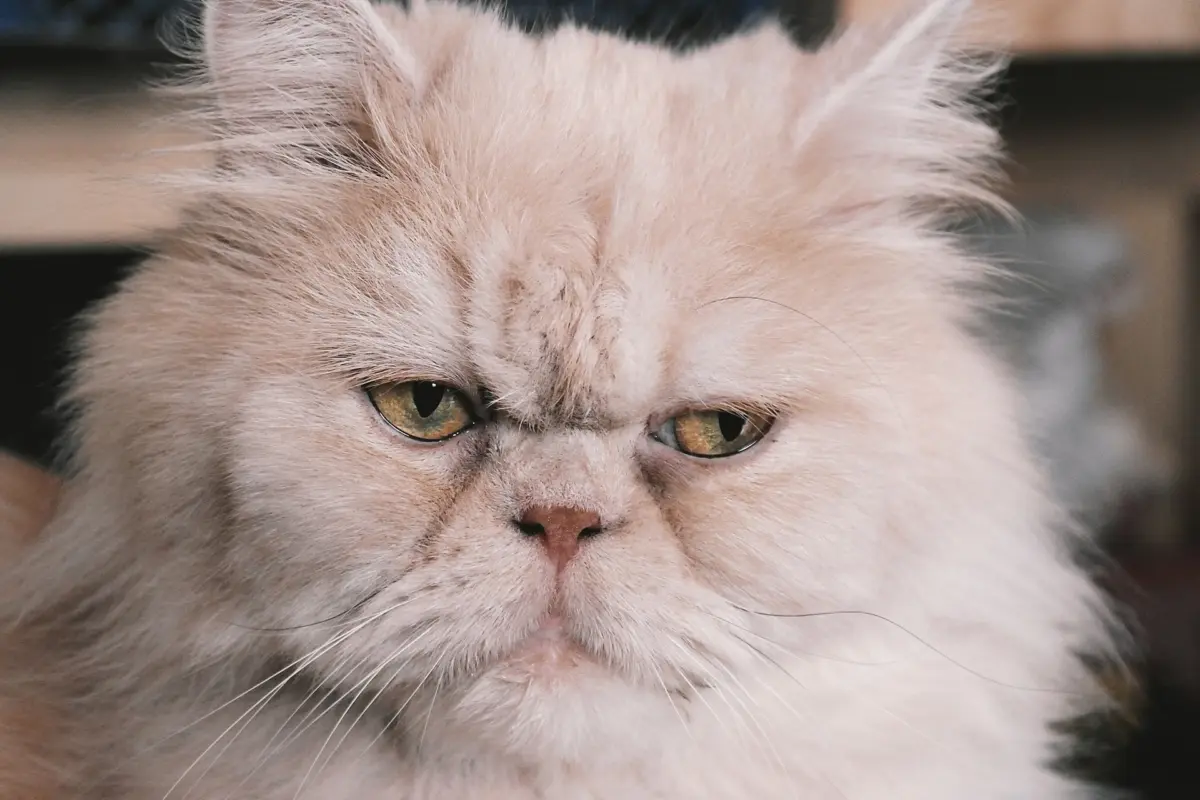
Physical Traits: Characterized by a brachycephalic ("smushed") face, large expressive eyes, and a long, luxurious, high-maintenance coat that spans nearly every recognized color pattern.
Temperament: Docile, quiet, and profoundly easy-going. Persians prefer serene environments where they can lounge gracefully as dignified household companions.
5. Ragdoll
Origin: United States
Physical Traits: Large, semi-longhaired cats with striking blue eyes and pointed color patterns. They are named for their physiological tendency to go completely limp when lifted, akin to a child’s rag doll.
Temperament: Exceptionally docile, trusting, and affectionate. They display dog-like loyalty, often greeting owners at the door and following them from room to room.
6. British Shorthair
Origin: Great Britain
Physical Traits: Sturdy, cobbby bodies with dense, plush coats ("teddy bear" texture) and round faces. Copper or gold eyes are common in traditional blue-grey variants.
Temperament: Independent yet affectionate. They maintain moderate activity levels, making them exceptionally well-suited for apartment living and households with children or calm dogs.
7. Abyssinian
Origin: Ethiopia (formerly Abyssinia)
Physical Traits: Slender, lithe bodies with large, alert ears and a distinctive ticked agouti coat, where individual hairs feature bands of alternating light and dark colors.
Temperament: Highly active, acrobatic, and inquisitive. Abyssinians prefer being involved in every household activity, functioning more like energetic explorers than passive observers.
8. Russian Blue
Origin: Russia
Physical Traits: Elegant bodies covered in a dense, double silver-tipped blue coat that gives a lustrous sheen, set off by piercing emerald-green eyes.
Temperament: Gentle, intelligent, and somewhat reserved. While deeply affectionate with their immediate family, they tend to retreat or remain aloof in the presence of boisterous strangers or chaotic environments.
9. American Shorthair
Origin: United States
Physical Traits: Powerful, working-cat build designed for endurance and hunting, featuring a short, hard coat available in over eighty recognized colors and patterns.
Temperament: Placid, adaptable, and balanced. As descendants of European mousers brought over on the Mayflower, they retain a healthy constitution and an easy-going disposition.
10. Oriental Shorthair
Origin: United States (developed from Siamese foundations)
Physical Traits: Sleek, tubular bodies with oversized ears and expressive almond-shaped eyes. They come in an astonishing array of over 300 color and pattern combinations.
Temperament: Extroverted, intelligent, and exceptionally talkative. Like their Siamese relatives, they require constant engagement and suffer without active social interaction.
11. Devon Rex
Origin: United Kingdom (Devon)
Physical Traits: Distinctive elf-like appearance featuring oversized, low-set ears, a short wedge-shaped head, and a uniquely rippled, soft, short wavy coat.
Temperament: Mischievous, highly social, and dog-like. Often described as "a monkey in a cat suit," they love climbing, playing fetch, and interacting closely with humans.
12. Sphynx
Origin: Canada
Physical Traits: Visually striking hairless cats with prominent cheekbones, wrinkled skin, and large lemon-shaped ears. While appearing hairless, they often possess a fine peach fuzz.
Temperament: Extroverted, highly affectionate, and heat-seeking. Because they lack a coat to retain body heat, they constantly seek out human laps, blankets, and sunny windowsills.
13. Scottish Fold
Origin: Scotland
Physical Traits: Medium-sized cats characterized by a spontaneous dominant gene mutation that causes the ear cartilage to fold forward and downward, giving the head a rounded, owl-like appearance.
Temperament: Sweet-natured, quiet, and adaptable. They bond closely with all members of a household and enjoy quiet companionship over high-intensity acrobatics.
14. Burmese
Origin: Burma / United States
Physical Traits: Surprisingly heavy, muscular bodies disguised by a sleek, satin-like short coat and expressive, golden-yellow eyes.
Temperament: Energetic, remarkably clever, and people-oriented. Burmese cats can easily be trained to walk on leashes or play fetch, but they abhor isolation.
15. Birman
Origin: France / Myanmar
Physical Traits: Semi-longhaired cats featuring deep blue eyes, dark facial points, and pristine white "gloves" on all four paws, resting on a sturdy, elongated body without an undercoat.
Temperament: Gentle, serene, and profoundly people-focused. They balance playfulness with a quiet, unobtrusive presence in the home.
Official Statements and Expert Perspectives
Veterinary professionals and animal behaviorists emphasize that choosing a cat breed goes far beyond surface-level aesthetics. Dr. Elizabeth M. Hodgkins, a noted feline practitioner and author, notes:
"When prospective owners select a cat purely on coat length or facial structure, they often overlook the fundamental behavioral and physiological needs of the animal. A Bengal requires environmental enrichment that would overwhelm an owner seeking a quiet Persian. Conversely, a brachycephalic breed requires lifelong medical vigilance regarding respiratory and ocular health. Education is the cornerstone of sustainable human-animal bonds."
Furthermore, representatives from major feline welfare organizations stress the importance of understanding the genetic baggage associated with hyper-specialized breeds. Animal behaviorists routinely advocate for a thorough assessment of household dynamics before introducing high-energy or sensitive breeds into environments with young children or multi-pet setups.
Future Outlook: Trends in Feline Ownership and Breed Health
As veterinary science and genetic mapping advance, the landscape of cat breeding and ownership is undergoing a profound transformation. Several key trends are shaping the future of feline companionship:
Prioritizing Health Over Hyper-Type: Ethical breeding practices are increasingly shifting away from extreme physical exaggerations—such as severely flattened faces in Persians or extreme ear folding in Scottish Folds—toward functional conformation that promotes longevity and pain-free mobility.
Increased Focus on Behavioral Compatibility: Adoption agencies and ethical breeders are placing greater emphasis on temperament testing, matching high-energy breeds (like Abyssinians and Bengals) with active owners, and placing reserved breeds (like Russian Blues) in calm environments.
Technological Integration in Pet Care: With the rise of smart-home monitoring, automated feeders, and interactive laser toys, owners of high-maintenance breeds can better manage their pets’ psychological and physical stimulation needs when away from home.
Conclusion: Making Your Final Decision
Selecting the perfect cat for your home is an exercise in introspection and research. By carefully evaluating your personal lifestyle, time commitments, housing constraints, and financial readiness for veterinary and grooming expenses, you can narrow down the vast feline spectrum to find your ideal match.
Whether you are drawn to the rugged independence of the American Shorthair, the high-octane energy of the Bengal, or the quiet dignity of the British Shorthair, understanding the unique traits of these 15 common breeds ensures a harmonious, fulfilling relationship for both human and feline for years to come.