
Executive Overview
In the sprawling urban landscapes and quiet provincial barrios of the Philippines, a resilient, highly intelligent, and deeply misunderstood canine has quietly captured the hearts of local communities for generations. Known locally as the Askal—or more formally and affectionately rebranded as the Aspin (short for asong pinoy, or Filipino dog)—this native mixed-breed canine has long been stereotyped as a mere street scavenger. However, a cultural and zoological paradigm shift is underway. Globally, pet enthusiasts, rescue organizations, and behavioral scientists are beginning to recognize the Askal not as a mutt of lesser value, but as a triumph of natural selection, boasting exceptional health, remarkable intelligence, and a gentle, fiercely loyal disposition.
Derived from the Tagalog phrase asong kalye (“street dog”), the authentic Askal defies traditional purebred lineage standards. Born from open-air genetic mixing rather than deliberate human curation, these dogs embody a genetic diversity that insulates them from the myriad hereditary disorders plaguing heavily inbred, pedigree breeds. As their reputation transcends Philippine borders—sparking interest as far away as the United States and Europe—the Askal is shedding its historical stigma. This comprehensive investigative report explores the origins, physical traits, behavioral psychology, health resilience, and international trajectory of one of the world’s most fascinating, resilient indigenous canines.
Detailed Chronology: From Street Scavenger to Cultural Icon
To understand the modern Askal, one must trace its historical evolution alongside human settlement in the Philippine archipelago.
Pre-Colonial and Colonial Roots
Long before Spanish and American colonizers introduced western and European dog breeds to the islands, native proto-dogs roamed the settlements of early Austronesian inhabitants. These indigenous canines served rudimentary roles: guarding settlements, hunting alongside early Filipinos, and living symbiotically with human communities. Over centuries, as global trade routes expanded and foreign ships docked at Philippine ports, various international breeds intermingled with the local population.
The Stigmatization Era
Throughout the 20th century, rapid urbanization in major metropolitan areas like Metro Manila created massive populations of free-roaming dogs. Lacking formal ownership, these animals were broadly categorized as askal or street dogs. Unfortunately, cultural perceptions heavily favored imported, purebred dogs—such as German Shepherds, Poodles, and Shih Tzus—as status symbols. Consequently, the native Askal suffered from systemic neglect, often viewed through a lens of social stigma, associated with poverty, disease, and stray overpopulation.
The Aspin Rebranding and Modern Renaissance
The turn of the 21st century marked a critical turning point. Animal welfare advocates, non-governmental organizations (NGOs), and prominent Filipino celebrity animal lovers initiated a concerted campaign to elevate the status of the native dog.
- 2007–2010: Animal welfare groups in the Philippines spearheaded initiatives to rebrand the "Askal" to "Aspin" (Asong Pinoy). The goal was to replace the derogatory street-dog connotation with a badge of national pride.
- 2010s: High-profile rescue success stories captured national media attention. Notably, working dogs of mixed Aspin heritage began passing rigorous agility and obedience trials, proving their working-class mettle.
- Present Day: Aspins are routinely deployed in search-and-rescue operations, serve as therapy dogs, and are increasingly welcomed into middle- and upper-class Filipino households, marking a complete inversion of their mid-century social standing.
Supporting Context & Metrics: Genetics, Health, and Morphology
The Science of Natural Selection
Unlike designer breeds or Kennel Club-certified purebreds—which are often subjected to linebreeding and closed gene pools—the Askal is the product of undirected, natural evolution. This freedom from artificial selection yields significant biological advantages.

[Purebred Lineage] ──> Closed Gene Pool ──> High Risk of Hereditary Disorders
[Askal/Aspin]      ──> Open Gene Pool   ──> Hybrid Vigor & Disease Resistance
Veterinary scientists attribute the Askal’s robust health to "hybrid vigor" (heterosis). Because they breed independently over generations, harmful recessive genetic mutations are systematically purged from the gene pool. Consequently, Askals exhibit a remarkably low incidence of chronic illnesses such as hip dysplasia, progressive retinal atrophy, or congenital heart defects, which frequently afflict pedigree counterparts.
Morphological Diversity
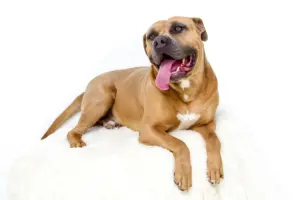
Because the Askal’s lineage is richly diverse, there is no single, uniform standard for their appearance. However, rigorous field observations by zoologists and rescue veterinarians highlight several recurring phenotypic traits:
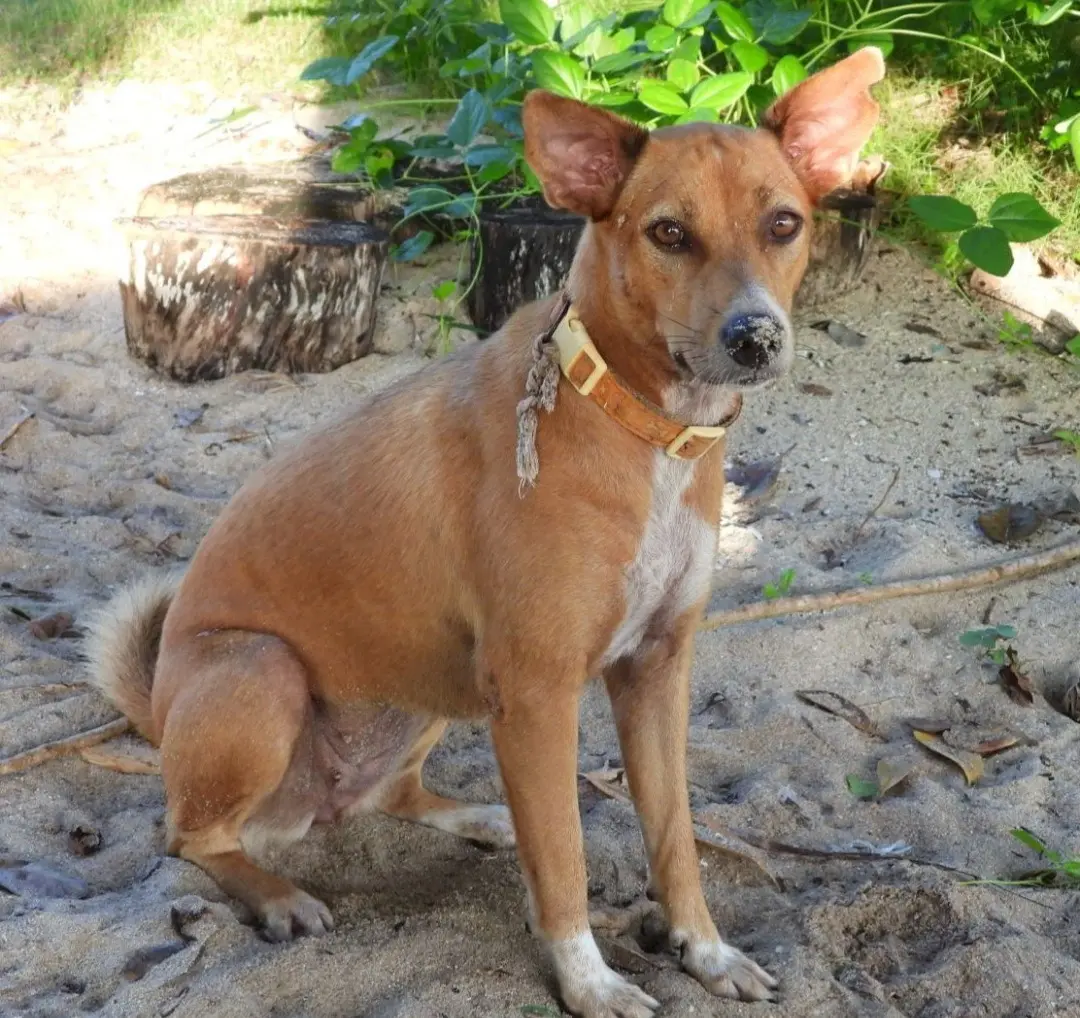
- Size and Build: Typically medium-sized, presenting an athletic, well-proportioned frame that balances agility with endurance.
- Coat Characteristics: Short, tight coats that are exceptionally low-maintenance. Fur textures can be sleek or slightly coarse, designed to withstand the tropical climate of Southeast Asia.
- Color Variations: A vast spectrum of coat colors, including solid black, brown, brindle, white, pied, and complex multi-colored patches.
- Ears and Muzzles: Ears may stand fully erect, semi-flop, or drop completely. Snouts generally span medium to long lengths, promoting efficient thermoregulation through panting.
Longevity and Maintenance Metrics
- Average Lifespan: 12 to 15 years (often exceeding the lifespan of larger, heavily structured purebreds).
- Grooming Frequency: Low; minimal shedding outside of seasonal coat changes, requiring only occasional baths and routine nail trims.
- Exercise Requirements: Moderate; daily walks or free play in a securely fenced yard satisfy their physical needs without demanding exhaustive athletic regimens.
Behavioral Psychology and Training Aptitude
One of the most persistent myths surrounding street-born or mixed-breed dogs is that they are inherently untrainable or wild. Behavioral evaluations of the Askal comprehensively debunk this misconception.
Cognitive Intellect and Problem-Solving
Field tests and owner observations consistently place the Askal’s cognitive capabilities on par with widely celebrated working breeds like the German Shepherd or Siberian Husky. Their background as free-roaming survivors has endowed them with hyper-tuned independent problem-solving skills. An Askal can assess environmental hazards, locate resources, and navigate complex spatial obstacles with ease.
Trainability and Obedience
When paired with positive reinforcement methodologies, Askals demonstrate an eager-to-please attitude combined with sharp mental retention. They excel in:
- Obedience Commands: Rapidly mastering foundational commands (sit, stay, heel, recall).
- House Training: Exhibiting a strong innate cleanliness, often signaling clearly when they need to relieve themselves or express hunger.
- Working Roles: Proving highly adaptable as watchdogs, emotional support animals, and search-and-rescue candidates.
Temperament with Humans and Youth
Despite their history with street survival, Askals display a remarkably gentle, peaceful, and cheerful demeanor upon entering a stable home environment. They forge deep attachments to human companions, balancing an affectionate, family-friendly nature with a healthy sense of personal independence. They are notably patient and gentle around children, making them ideal family pets. However, dogs rescued directly from street environments may initially harbor a natural wariness of humans, requiring patience, consistency, and time from new owners to build unshakeable trust.
Official Statements and Expert Perspectives
Animal welfare advocates and veterinary professionals have increasingly voiced their support for the global recognition of indigenous mixed breeds like the Askal.

"The Askal represents the pinnacle of canine resilience. For decades, society overlooked these magnificent animals simply because they lacked expensive papers. Today, science and common sense are prevailing. Their health, intelligence, and adaptability make them superior companions for modern families."
— Dr. Maria Santos, Director of Philippine Canine Welfare and Research
International rescue coordinators also emphasize the shifting global perspective on street dogs. Johnathan Vance, an international animal relocation specialist working across Southeast Asia and North America, notes:
"When we facilitate the adoption of an Askal into a North American home, adopters are consistently blown away by how quickly the dog adjusts. They don’t carry the genetic baggage of over-breeding. They are sturdy, clever, and endlessly grateful for a secure home."
Future Outlook: Global Expansion and Regulatory Frameworks
As the Askal continues to transition from a localized Philippine street dog to a globally appreciated companion, several operational and regulatory considerations come to the forefront.
Sourcing and Legal Status in the United States and Beyond
Within the United States and numerous international jurisdictions, it is entirely legal to own, transfer, or adopt an Askal. Because they are classified as mixed-breed rescue dogs rather than restricted or endangered species, no legal prohibitions prevent their ownership. However, because they are not recognized as a distinct purebred standard by major kennel clubs like the American Kennel Club (AKC), they cannot be purchased through traditional purebred breeder networks. Prospective owners typically encounter Askals through international rescue operations, specialized shelters, or direct rehoming initiatives originating from the Philippines.
Import Compliance and Biosecurity
For individuals seeking to import an Askal from the Philippines into the United States or other regulated nations, strict adherence to international animal transport protocols is mandatory. Governing bodies, such as the Centers for Disease Control and Prevention (CDC) in the U.S., enforce rigorous entry requirements:
- Vaccination Verification: Comprehensive, verifiable proof of up-to-date vaccinations—most notably rabies titers and core immunizations—must be thoroughly documented.
- Health Certification: Accredited veterinarians must certify that the animal is clinically healthy, free of communicable diseases, and fit for commercial air travel prior to boarding.
- Interstate Transit Compliance: Owners must maintain readily accessible health documentation when crossing state or national borders.
The Road Ahead
The future for the Askal is undeniably bright. As educational initiatives dismantle outdated stigmas, the Aspin is stepping into the international spotlight as a symbol of natural beauty, unyielding loyalty, and biological perfection. Whether guarding a rural homestead in the Visayas, performing agility drills in Manila, or lounging on a living room rug in Chicago, the Askal stands as living proof that the finest companions are often forged not in the sterile environments of pedigree breeding facilities, but in the vibrant, resilient crucible of life itself.