In the unincorporated stretches of Bosque County, Texas, the safety net for abandoned and neglected animals does not consist of municipal brick-and-mortar shelters, county-funded animal control fleets, or taxpayer-supported veterinary programs. Instead, animal welfare in this rural expanse relies almost entirely on an informal, highly stressed network of local residents, foster homes, and independent rescue organizations. For a dog dumped on a desolate county road, survival is dictated by whether a passing neighbor has the capacity to intervene, or if a volunteer-led nonprofit can stretch its budget to accommodate one more intake.
At the center of this grassroots infrastructure is BARK Rescue, a localized non-profit organization that has evolved from a traditional foster network into a sophisticated logistics pipeline. Led by its president, Alexis Sibila, and key coordinator Chelsea, BARK Rescue has established a highly successful interstate transport initiative. This program systematically relocates dogs from high-kill, overpopulated regions of Texas to northern and western rescue partners operating in markets where adoption demand vastly outpaces local supply.
Now formalized as the "Rescue Road Trips" program—supported by the national digital media and advocacy platform iHeartDogs and its Hero VIP Club members—this initiative highlights both the systemic failures of municipal animal welfare in rural America and the extraordinary logistical efforts required to bypass them. This investigative report examines the origins of BARK Rescue’s transport operations, the socioeconomic factors driving the rural pet overpopulation crisis, the mechanical and financial realities of interstate animal relocation, and the severe emotional toll exacted on the volunteers who operate on the front lines of this crisis.
Detailed Chronology: From a Rural Bridge to an Interstate Pipeline
To understand the scale of BARK Rescue’s current transport network, one must trace its development through a series of personal turning points, operational crises, and strategic partnerships.
+-----------------------------------------------------------------------------+
|                           CHRONOLOGICAL EVOLUTION                           |
+-----------------------------------------------------------------------------+
|                                                                             |
|  [Early Life]                                                               |
|  Raised by a Texas Game Warden; learned early wildlife rehab principles.     |
|                                                                             |
|  [Circa 2019-2020: The Bridge Incident]                                     |
|  Discovered "Black Dog" & "Brown Dog" under a rural bridge.                 |
|  Spent $567 of a $600 credit limit on emergency spay surgeries during storm. |
|                                                                             |
|  [Circa 2021-2023: Leadership Transition]                                  |
|  Transitioned from fundraising volunteer to President of BARK Rescue.       |
|                                                                             |
|  [2024: The Transport Crisis]                                               |
|  Loss of county-wide transport resource; built independent transport network|
|  funded by memorial donations for "Black Dog."                              |
|                                                                             |
|  [August 2025: The iHeartDogs Alliance]                                     |
|  Launched the first official "Rescue Road Trip," scaling operations         |
|  nationally.                                                                |
+-----------------------------------------------------------------------------+
The Formative Years and the Game Warden Philosophy
Alexis Sibila’s entry into animal welfare was shaped by a childhood spent in rural Central Texas. The daughter of a Texas Game Warden, Sibila grew up in an environment where the rehabilitation of orphaned, injured, or displaced wildlife was a routine household responsibility. This upbringing instilled a fundamental philosophy: assisting animals in distress was not an act of extraordinary charity, but a basic civic duty.
However, her formal entry into domestic canine rescue did not occur until much later. Harboring apprehension about the emotional toll of shelter environments, Sibila initially engaged with BARK Rescue as an external fundraiser under the mentorship of the organization’s former president, Jackie. This entry-level volunteerism quickly transitioned into fostering, providing Sibila with direct exposure to the severe supply-demand imbalance characterizing rural Texas animal welfare.
The Catalyst: The Bridge Dogs and Financial Triage
The definitive turning point in Sibila’s rescue philosophy occurred approximately five years ago with the discovery of two pregnant, free-roaming dogs living beneath a rural bridge, later named "Black Dog" and "Brown Dog."
For five months, Sibila managed their daily feeding schedules while seeking intake capacity from regional shelters and rescue groups. Facing a total lack of open kennels across the region, and with a severe storm system approaching, Sibila made the high-stakes decision to capture both dogs and bring them to her home.
Confronted with the imminent birth of an estimated 23 puppies and lacking any organizational backing or emergency funding, Sibila faced a critical decision. She chose to undergo immediate emergency veterinary intervention, utilizing $567 of a $600 personal credit card limit to fund the spaying of both pregnant dogs. This difficult decision highlight the harsh realities of independent rescue work:
"Loving animals doesn’t mean you always get to make the easy or happy decision. Those two dogs showed me how desperately our community needed more people willing to get involved."
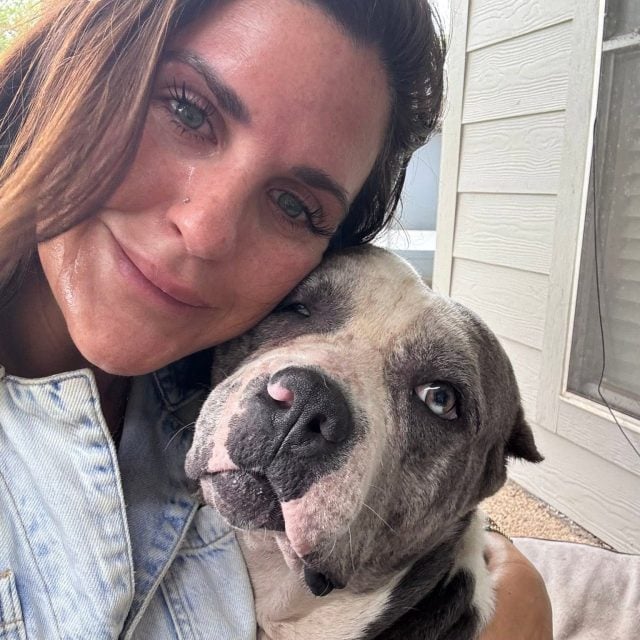
While Brown Dog survived and remains in Sibila’s care, Black Dog was later lost in a tragic accident. In the wake of this loss, a memorial fund established by Sibila’s close associates provided the seed capital required to launch BARK’s independent transport program.
Building the Interstate Pipeline
By the time Sibila assumed the presidency of BARK Rescue, the organization faced a severe operational bottleneck. The loss of a shared regional transport resource threatened to halt BARK’s ability to move animals out of its full kennels. Because local adoption rates in rural Texas are chronically low, dogs faced the prospect of spending months or years in foster care, effectively blocking the intake of new animals.
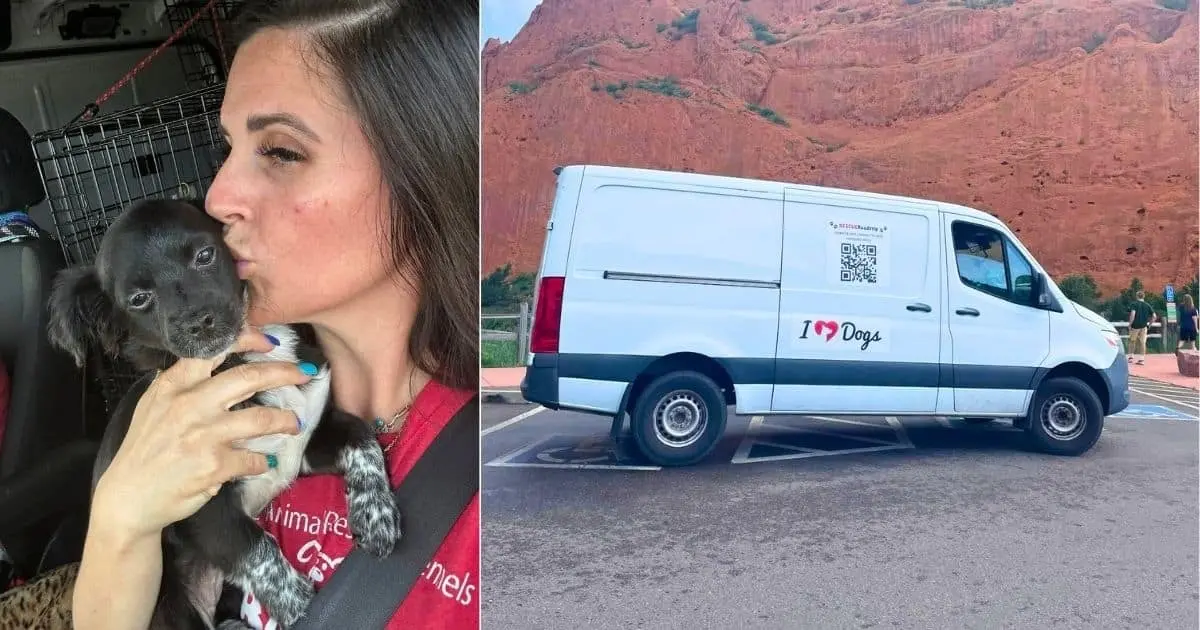
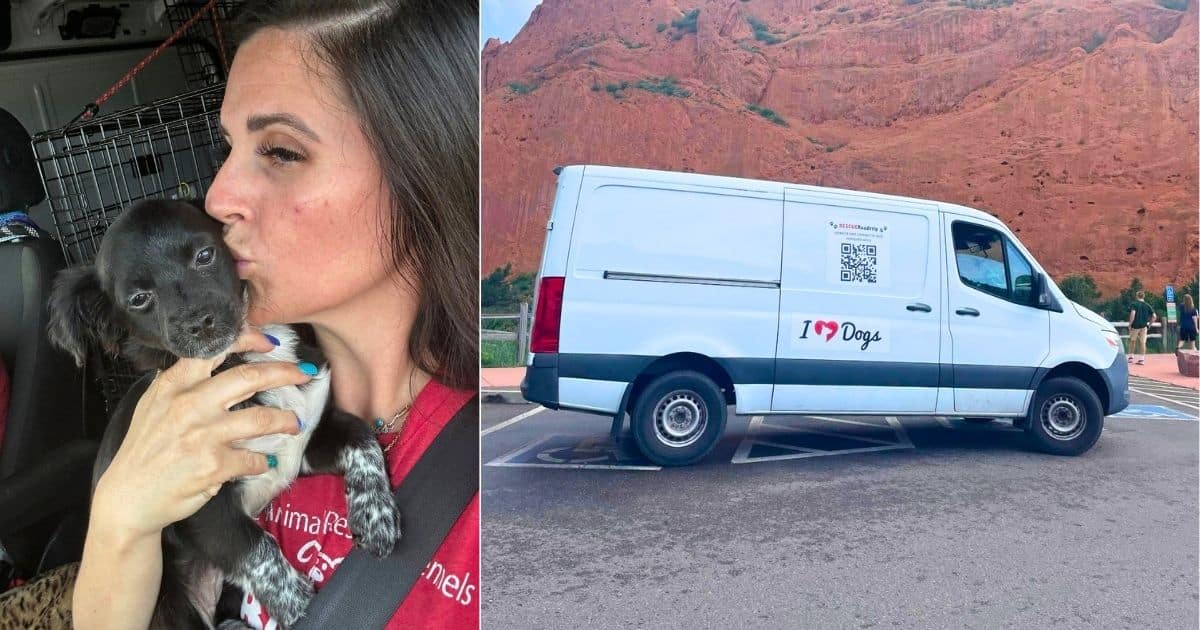
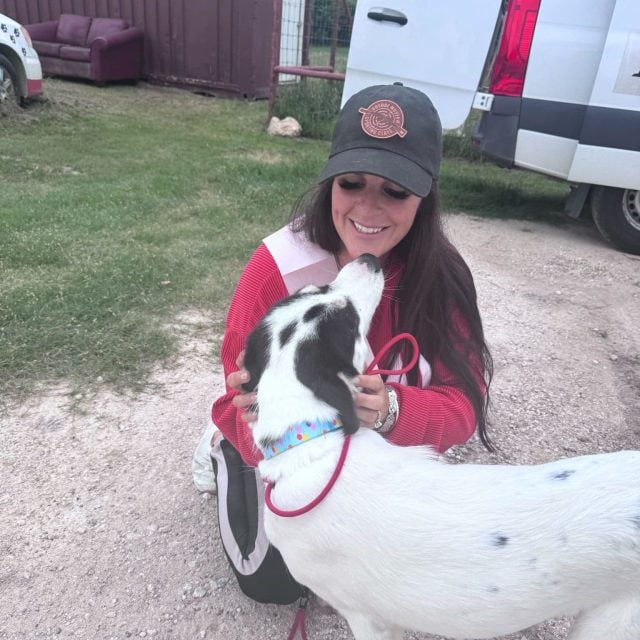
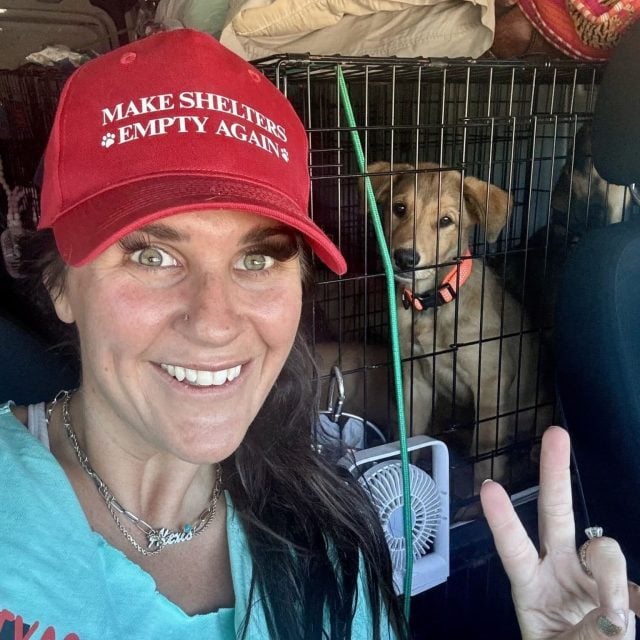
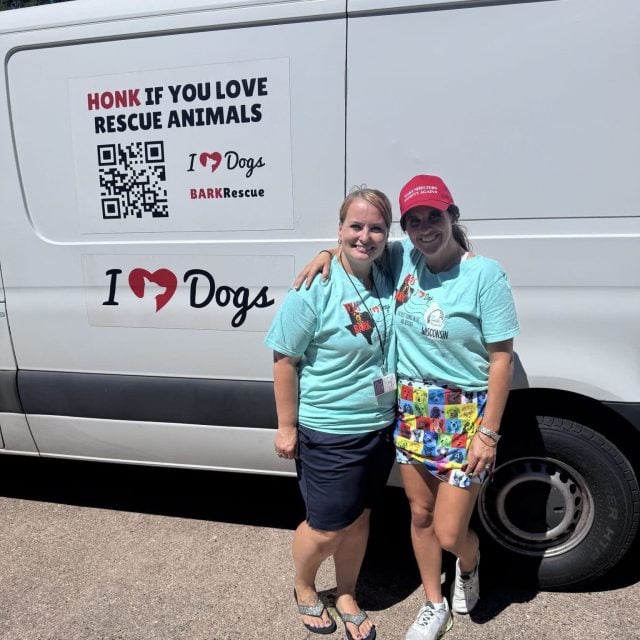
Partnering with Chelsea, an experienced transport coordinator, Sibila began building an independent, out-of-state transport framework. Utilizing a donated transport van and fueled by the Black Dog memorial fund, the duo established relationships with northern rescue partners, navigated complex interstate USDA regulations, and began moving dogs to high-demand markets. In its inaugural year, this grassroots program successfully relocated 533 dogs.
The iHeartDogs Integration
The transition from a localized transport effort to a nationally recognized program occurred through a strategic partnership with iHeartDogs. Originally collaborating through the "Hope Lives Here" initiative—a program dedicated to pairing service dogs with veterans—Sibila recognized an opportunity to scale BARK’s ground transport operations.
Following a self-documented transport run to Karl’s Canine Krew in Colorado, Sibila submitted footage of the journey to iHeartDogs leadership. This pitch led to the creation of the "Rescue Road Trips" program. Officially launched in August 2025, the program leverages the financial support of the iHeartDogs community and Hero VIP Club members to fund the high operational costs of interstate transport, providing a sustainable financial foundation for BARK’s long-distance rescue runs.
Supporting Context & Metrics: The Mechanics of Rural Deprivation
To understand why BARK Rescue’s transport program is so vital, one must examine the structural and socioeconomic conditions of rural Texas counties.
+----------------------------------------------------------------------+
|             STRUCTURAL BARRIERS TO RURAL ANIMAL WELFARE              |
+----------------------------------------------------------------------+
|                                                                      |
|  [No Municipal Infrastructure]                                      |
|  Zero animal control officers or open-intake county shelters.        |
|                                                                      |
|  [Veterinary Deserts]                                                |
|  Up to 6-hour round trips required to access low-cost spay/neuter.   |
|                                                                      |
|  [Severe Supply Imbalance]                                           |
|  Adoption rates near zero; incoming abandoned dogs are constant.     |
|                                                                      |
|  [High Interstate Compliance Costs]                                  |
|  USDA health certificates, vaccines, and parasite prevention.        |
+----------------------------------------------------------------------+
The Institutional Vacuum of Bosque County
In many rural Texas jurisdictions, municipal codes do not mandate the creation or funding of animal control agencies or open-intake shelters. Bosque County operates under this institutional vacuum. When a dog is abandoned on public land or private property, there is no governmental department to call.
Consequently, the burden of public safety and animal welfare falls entirely on private citizens and underfunded non-profits. The lack of local animal control also means there is no centralized enforcement of rabies vaccinations, microchipping, or leash laws, leading to a continuous cycle of unchecked breeding and abandonment.
The Geography of Veterinary Deserts
A major driver of the rural animal overpopulation crisis is the lack of accessible, affordable veterinary care. Rural areas are increasingly classified as "veterinary deserts," where residents must travel long distances to access basic services. BARK Rescue volunteers frequently drive up to six hours round-trip to access free or low-cost spay and neuter clinics. For low-income residents of these communities, the cost of veterinary care—combined with the transportation barrier—makes routine sterilization virtually impossible.
The Economics and Logistics of Interstate Transport
Transporting dogs across state lines is a complex logistical operation governed by strict state and federal regulations. It is far more than simply loading dogs into a van and driving. Each transport requires significant administrative and veterinary preparation:
Interstate Health Certificates (CVI): Every dog crossing state lines must be examined by a licensed, accredited veterinarian who issues a Certificate of Veterinary Inspection (CVI) within 10 days of travel.
Vaccination Protocols: Dogs must be fully vaccinated against rabies, DHPP (Distemper, Hepatitis, Parvovirus, Parainfluenza), and Bordetella.
Parasite Prevention: Animals must be documented as free of external and internal parasites, requiring pre-travel treatments.
Logistical Supplies: BARK’s transport team manages detailed "transport binders" containing medical histories, microchip records, and rabies certificates for every animal on board to comply with USDA and state department of agriculture inspections.
The financial cost of a single transport run includes fuel, vehicle maintenance, overnight lodging for drivers, veterinary fees, and emergency contingencies. Without the backing of the iHeartDogs community, these costs would quickly overwhelm a small organization like BARK.
Official Statements: The Realities of Frontline Rescue
In a series of detailed statements, Alexis Sibila addresses the operational, emotional, and psychological challenges of running a grassroots rescue organization in a high-intake region.
On the Invisible Logistics of Rescue Work
"Before anyone sees a photo on social media and reads that BARK saved a dog, there may already have been dozens of phone calls, texts, and difficult decisions made behind the scenes. Usually, Chelsea receives the initial call and alerts me. We immediately begin a rapid triage process: Is the animal currently in physical danger? Is it stable and friendly? Can the person who found it hold it temporarily? Do we have an open foster home or a kennel? Is there an out-of-state partner who can take it?
We have to look far past the initial pickup. We have to figure out where that dog will sleep tonight, what immediate veterinary care it needs, how we are going to pay for it, and what its long-term path to adoption looks like. We are making these critical decisions, calling clinics, and arranging fosters while we are both working our regular, full-time jobs. So much of rescue is simply building a plan where none existed, finding a way to turn a desperate situation into a safe ‘yes.’"
+------------------------------------------------------------------------+
|                      DAILY OPERATIONAL WORKFLOW                        |
+------------------------------------------------------------------------+
|                                                                        |
|  [Step 1: Intake Triage]                                               |
|  Assess safety, behavior, finder's holding capacity, and medical needs.|
|                                                                        |
|  [Step 2: Capacity Assessment]                                         |
|  Check foster availability, kennel space, and partner rescue interest. |
|                                                                        |
|  [Step 3: Veterinary Clearance]                                        |
|  Administer vaccines, spay/neuter, microchip, and secure CVIs.         |
|                                                                        |
|  [Step 4: Interstate Transport]                                        |
|  Compile transport binders, load the van, and begin long-distance run. |
+------------------------------------------------------------------------+
On the Pain of Capacity Limits and Public Misconception
"People might expect that the hardest part of this work is seeing the dogs we cannot save. While that is deeply heartbreaking, there is another challenge that is just as painful: the way people sometimes treat us when we are forced to say ‘no.’
When we tell someone we cannot accept a dog, it is not because we don’t care. It is because Chelsea and I have already exhausted every option. We have searched for fosters, checked our kennels, reached out to our partners, and looked for any possible way to make it work. I am already carrying the heavy weight of knowing there is a dog out there that I couldn’t find a safe place for.
Sometimes, the person asking for help gets angry. They say hurtful things, accusing us of being heartless or lazy. But rescue workers don’t say no because they don’t care. They say no because they have already said yes so many times that there is simply no more room to safely care for another animal. Nobody is more disappointed by that ‘no’ than I am."
On Managing Compassion Fatigue and Burnout
"I don’t know if I’ve ever completely figured out how to handle the cases where we couldn’t help. I still think about those dogs and wonder what happened to them. But I’ve had to learn that I cannot let the dogs we couldn’t save stop us from saving the ones we can. I have to focus my energy on what we can do next: building stronger partnerships, finding new fosters, creating more transport runs, and expanding our spay and neuter efforts. Every single one of those steps means fewer times we will have to say no in the future.
The most important lesson I’ve learned to protect my own mental health is to take the vacation. A healthy, rested Alexis can help far more dogs than an Alexis who has run herself completely into the ground. I am incredibly grateful to have a team, including Chelsea and Lacey, who will step in and say, ‘Go away for a few days, we’ve got this.’ They answer the calls and care for the dogs so I can recharge. Taking care of yourself isn’t selfish; it’s what allows you to keep taking care of everyone else."
Future Outlook: Scaling the Transport Model
As BARK Rescue and the "Rescue Road Trips" program look toward the future, their focus is on expanding this successful model to save more lives.
+----------------------------------------------------------------------+
|                     FUTURE STRATEGIC INITIATIVES                     |
+----------------------------------------------------------------------+
|                                                                      |
|  [Fleet Expansion]                                                   |
|  Acquire larger, climate-controlled transport vehicles.              |
|                                                                      |
|  [Targeted Spay/Neuter]                                              |
|  Launch mobile clinics to address the root cause of overpopulation.  |
|                                                                      |
|  [Receiving Partner Network]                                         |
|  Recruit more high-demand rescue partners in northern/western states.|
|                                                                      |
|  [Community Advocacy]                                                |
|  Lobby for basic animal welfare resources in rural Texas counties.  |
+----------------------------------------------------------------------+
Expanding the Rescue Fleet
To increase their impact, BARK Rescue and iHeartDogs are working to secure additional, larger transport vehicles. These modern vans will feature advanced climate-control systems, custom kennel configurations, and safety features designed to reduce travel stress for the dogs. Expanding the fleet will allow BARK to run multiple transport routes simultaneously, multiplying the number of dogs saved each year.
Targeting the Root Cause: Mobile Spay/Neuter Clinics
While transport is a vital lifeline, BARK’s leadership knows it is a reaction to a symptom, not a cure for the cause. The long-term goal is to establish regular, localized mobile spay and neuter clinics directly within Bosque County. By bringing free and low-cost sterilization services directly to underserved rural communities, BARK hopes to stop the cycle of unwanted litters before they start, reducing the burden on foster homes and shelters alike.
Growing the Receiving Partner Network
The success of any transport program relies on reliable partners at the destination. BARK is actively working to identify and vet additional rescue organizations in northern and western states where spay/neuter laws are strict and adoption demand is high. By growing this network, BARK can ensure that every dog arriving from Texas has a confirmed spot waiting for them, allowing for a seamless transition from the transport van to a foster or adoptive home.
Conclusion: The Legacy of Black Dog
What began as a desperate effort to save two pregnant dogs under a rural bridge has grown into a highly efficient, lifesaving interstate network. Powered by the memory of Black Dog and supported by the iHeartDogs community, BARK Rescue is proving that grassroots dedication can overcome a total lack of local municipal resources. Every time the BARK transport van pulls away from a Texas kennel and heads north, it carries more than just dogs—it carries a model of hope, resilience, and survival for rural America’s forgotten animals.