
Date: August 11, 2026
Publication: Alley Cat Action® 2026 Special Feature
Originally featured in the Alley Cat Action® 2026 Summer Newsletter. Read the full newsletter edition here.
Executive Overview
The landscape of animal rescue is one defined by shifting crises, sudden emergencies, and the quiet, persistent triumphs of dedicated veterinary care. In the summer of 2026, organizations like Alley Cat Allies faced an unprecedented wave of intake challenges, ranging from large-scale hoarding seizures in rural Alabama to severe individual trauma cases on the streets. Behind every statistic in an animal shelter report lies an individual life—a cat with a distinct personality, a history of survival, and a future unlocked only by the generosity of donors and the expertise of compassionate caretakers.
This report chronicles the extraordinary journeys of three distinct rescue narratives featured in the Alley Cat Action® 2026 Summer Newsletter. From Neo, a resilient black cat who turned a severe facial trauma into a badge of honor, to Cricket, a spirited survivor of a massive multi-cat seizure battling carpal laxity, and Strudel—a devoted mother cat raising her kittens, Cherry, Berry, and Pebbles—these stories illuminate the profound impact of targeted medical intervention.
Through detailed chronological breakdowns, organizational context, and veterinary insights, this article explores the mechanics of modern feline rescue, the financial and logistical hurdles of large-scale interventions, and the vital importance of preventative care, such as Trap-Neuter-Return (TNR) and spay-neuter initiatives, in breaking cycles of neglect.
Detailed Chronology
The Case of Neo: Surviving the Streets
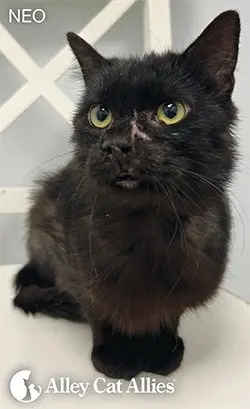
The journey of rescue often begins in the shadows, where vulnerable animals face perils that test the absolute limits of their endurance. Such was the case for Neo, a small black cat whose appearance upon intake immediately signaled a harrowing past.

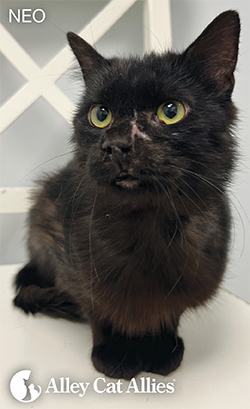
- Intake and Initial Assessment: When Neo was first brought into the care of rescue personnel, veterinary evaluators were confronted with a grim clinical picture. The most striking immediate injury was a massive, festering wound across his face. However, a comprehensive physical examination revealed that the visible facial trauma was merely the tip of the iceberg. Neo was severely underweight, suffering from advanced malnourishment, and battling a concurrent systemic illness that compromised his immune system.
- Surgical Intervention and Stabilization: Given the severity of his condition, Neo was immediately scheduled for intensive medical management. Veterinarians performed necessary surgical procedures to clean, debride, and repair his facial wound, followed by weeks of targeted antibiotic therapy, nutritional rehabilitation, and round-the-clock supportive care.
- Recovery and Full Rehabilitation: Despite the bleak prognosis typical of severely malnourished and injured strays, Neo proved to possess an indomitable fighting spirit. Over the course of several weeks, his weight stabilized, his systemic infection cleared, and his surgical wounds healed completely. Today, the deep scar across his nose remains as a permanent topographical map of his ordeal—a mark that his caregivers now proudly describe not as a blemish, but as a distinguished badge of bravery and honor.
The Alabama Multi-Cat Seizure and Cricket’s Defiance
While individual rescue cases require intense localized care, large-scale cruelty and neglect investigations demand vast logistical coordination and financial mobilization. Earlier this year, animal welfare organizations faced a staggering crisis when 91 cats and kittens were discovered living in deeply cramped, squalid conditions on a single property in Alabama.
- The Emergency Response: Alley Cat Allies stepped in immediately to partner with frontline rescuers, assuming responsibility for covering the overwhelming costs of emergency veterinary care, diagnostic testing, and baseline stabilization for the 91 displaced animals.
- Triage and Medical Discoveries: Miraculously, the majority of the cats and kittens rescued from the property emerged with only minor injuries, upper respiratory infections, or standard parasitic burdens. However, one specific individual captured the attention of veterinary teams due to a stark physical abnormality: Cricket.
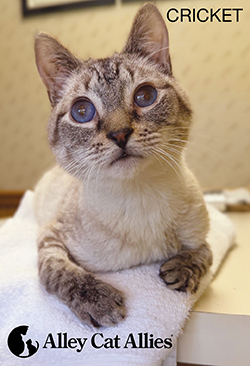
- Diagnosis of Carpal Laxity: A thorough clinical examination of one-year-old Cricket revealed carpal laxity, a developmental or congenital condition affecting the structural stability of the wrist joints in his front legs. Left untreated, such a condition can lead to chronic pain, degenerative joint disease, and severe mobility impairment.
- Ongoing Treatment Protocol: Cricket was immediately placed on a specialized treatment regimen designed to strengthen, align, and correct his front legs. This protocol includes the use of custom splinting to provide structural support while his musculoskeletal system develops stability.
- Behavioral Resilience: Despite the physical challenges posed by his condition and the discomfort of his treatments, Cricket’s spirit remains entirely unbowed. Described by handlers as an exceptionally affectionate feline who demands constant physical contact and snuggles, Cricket also possesses an energetic streak that redefines the term "zoomies," sprinting through his recovery space with infectious joy.
Strudel, Cherry, Berry, and Pebbles: A Family Saved
The narrative of rescue is incomplete without addressing the cycle of reproduction and the critical need for maternal and neonatal care. Strudel entered the shelter system pregnant, facing an uncertain and perilous future for both herself and her unborn litter.
- Rescue from the Brink: Without the rapid intervention funded by donor support, Strudel and her unborn—and subsequently newborn—kittens faced grim prospects within an underresourced shelter environment. Intervention secured their transfer to a safe, supportive foster ecosystem.
- Neonatal and Pediatric Support: From their earliest days of life, Strudel, Cherry, Berry, and Pebbles received comprehensive veterinary oversight. This included nutritional support for the nursing mother, developmental monitoring for the kittens, and preventative medical care to ward off common pediatric pathogens.
- The Path to Permanent Stability: As the kittens—Cherry, Berry, and Pebbles—grew into playful, active youngsters, their medical foundation ensured they could experience a normal, vibrant childhood. They now spend their days engaging in high-energy play and deep, restorative sleep. Crucially, the intervention includes the scheduled spaying of mother cat Strudel, ensuring that this will be her final litter and protecting her from the physical tolls of repeated reproduction while permanently reducing community feline overpopulation.
Supporting Context & Metrics
To fully understand the weight of these rescue operations, one must examine the broader data surrounding animal sheltering, community cat populations, and the financial realities of veterinary rescue work.
The Scale of Feline Overpopulation and Hoarding
Hoarding cases, such as the 91-cat Alabama seizure, represent some of the most complex challenges in animal welfare. According to national rescue tracking data:
- Multi-Animal Environments: Hoarding situations frequently begin with well-intentioned individuals who become overwhelmed by the sheer reproductive capacity of unspayed and unneutered cats. A single pair of cats and their offspring can theoretically exponentialize into thousands of kittens within a few short years.
- Medical Toll: Animals rescued from hoarding environments routinely suffer from malnutrition, localized injuries resulting from territorial aggression in cramped quarters, severe parasitic infestations, and infectious diseases (such as feline upper respiratory infections, feline leukemia virus [FeLV], and feline immunodeficiency virus [FIV]).
- Financial Burden: Providing diagnostic workups, surgeries, specialized treatments (such as splinting for carpal laxity), and long-term rehabilitation for dozens of animals simultaneously requires hundreds of thousands of dollars in emergency funding, straining the resources of even well-established non-profit organizations.
The Veterinary Science Behind the Cases
Each medical challenge overcome by Neo, Cricket, and Strudel’s family highlights specific domains of veterinary medicine:
- Trauma Recovery and Immunity: Malnutrition severely depresses an animal’s immune response, making wound healing exceptionally difficult. Neo’s recovery underscores the importance of simultaneous nutritional rehabilitation and surgical intervention.
- Pediatric Orthopedics (Carpal Laxity): Carpal laxity in young cats is often managed conservatively through nutritional optimization, controlled exercise, and external support (splinting or bracing) rather than invasive surgery, provided it is caught during the animal’s developmental window.
- Neonatal Care and Preventative Medicine: The survival rate of neonatal kittens increases exponentially when they are removed from high-stress shelter environments and placed into specialized foster care where temperature regulation, bottle-feeding (if necessary), and maternal health are strictly monitored.
Official Statements
The successes detailed in the Alley Cat Action® 2026 Summer Newsletter are direct testaments to the collaborative efforts of rescue workers, veterinary professionals, and compassionate animal advocates.
"When animals like Neo and Cricket come into our sphere of care, we are reminded of why this work demands unwavering dedication. Neo bore the physical scars of a brutal existence on the streets, yet emerged with a spirit that transformed his injury into a symbol of survival. Similarly, Cricket refuses to let carpal laxity define his life; his boundless energy and affectionate nature inspire everyone he meets."
— Rescue Operations Spokesperson, Alley Cat Allies
Reflecting on the Alabama seizure and the vital role of donor-funded support, animal welfare administrators emphasized the systemic impact of community generosity:
"The discovery of 91 cats and kittens on a single property in Alabama is a stark reminder of the crises happening quietly across the nation every day. Because of our supporters, we were able to immediately underwrite the veterinary care necessary to turn a potential tragedy into a rescue triumph. Families like Strudel, Cherry, Berry, and Pebbles—and resilient individuals like Neo and Cricket—are alive today because people chose to care."
— Field Intervention Coordinator
Future Outlook
As the animal welfare community looks beyond the summer of 2026, the lessons learned from Neo, Cricket, and Strudel illuminate both the ongoing challenges and the strategic solutions required to protect vulnerable felines.
Expanding Preventative Infrastructure
The root cause of many emergency intake scenarios—such as Strudel’s unplanned pregnancy and the massive Alabama hoarding crisis—is a lack of access to affordable, widespread spay and neuter services. Moving forward, animal advocacy organizations are intensifying their focus on:
- Proactive TNR (Trap-Neuter-Return): Expanding community-level programs to stabilize outdoor cat populations before they reach crisis levels.
- Subsidized Veterinary Care: Partnering with rural and under-resourced clinics to provide low-cost sterilization and preventative medical care directly to pet owners and community cat caretakers.
Education and Public Awareness
Public engagement remains a cornerstone of future animal protection strategies. By sharing transparent narratives of rehabilitation—such as the triumph over carpal laxity and severe facial trauma—organizations aim to demystify the adoption of special-needs animals. Cats with physical differences, such as Neo’s distinguished scar or Cricket’s specialized leg support, frequently make exceptionally loving, loyal companions when given the chance.
Ultimately, the stories featured in the 2026 summer reports serve as both a sobering reminder of the cruelty and neglect animals face and an uplifting testament to what can be achieved through immediate action, veterinary science, and compassionate human support.