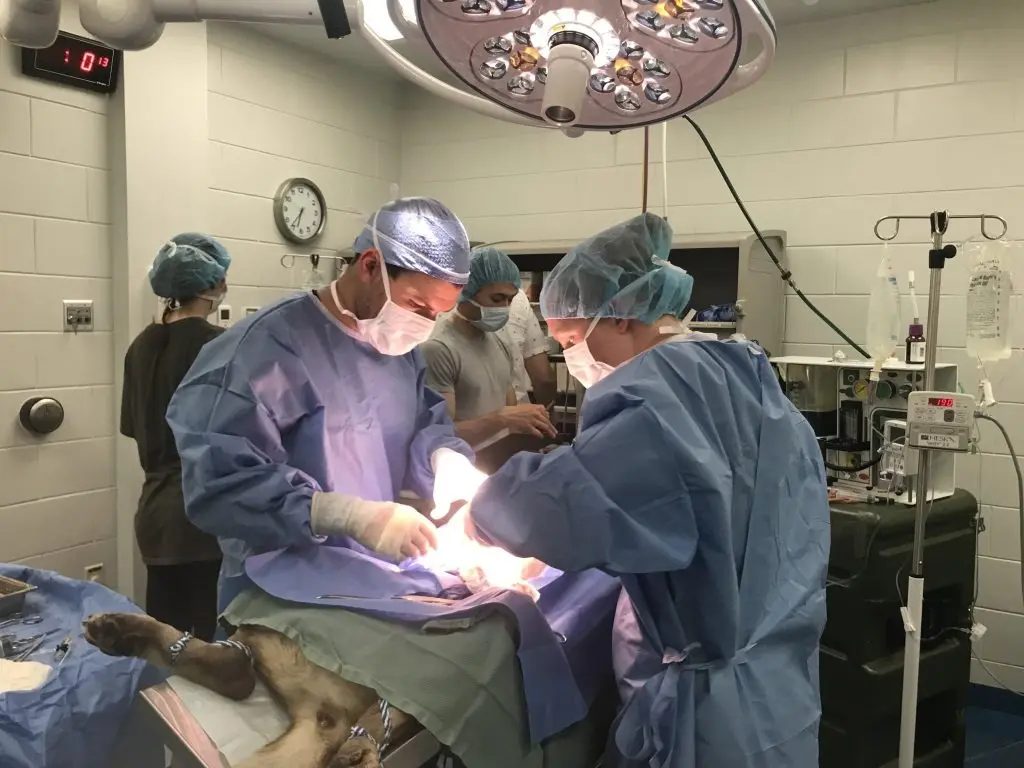

By the Editorial Desk
Special Report on Veterinary Practice Management and Economics
Executive Overview
For decades, the veterinary profession viewed relief veterinarians through a narrow lens: a temporary fix for an inconvenient gap. When a staff clinician went on maternity leave, took a vacation, or fell ill, a relief doctor was called in to keep the doors open and the lights on. They were treated as passing ships—utilitarian placeholders designed to handle the immediate overflow of patients before disappearing back into the circuit of independent contracting.
That historical approach, however, is fundamentally misaligned with the economic and operational realities of the modern veterinary industry.
According to recent data, nearly one in ten veterinarians in private practice now work in relief or contract roles—a figure that has climbed steadily over the past decade. Far from being a fringe segment of the workforce, relief clinicians have cemented themselves as the structural backbone of modern veterinary business continuity. They mitigate the crushing pressure of peak seasonal surges, patch chronic staff shortages, and maintain the continuity of care that clients and patients demand.
Yet, a dangerous disconnect persists. Many clinic owners and hospital managers continue to treat relief veterinarians as auxiliary support rather than strategic contributors to business performance. In an economic climate characterized by flat patient volumes, escalating operating costs, and razor-thin profit margins, this outdated mindset is actively undermining clinic profitability.
To thrive today, veterinary practices must extract maximum value from every single shift on the schedule. Relief doctors are no longer mere stopgaps; they are high-impact investments. Like any capital asset, they require intentional planning, thoughtful onboarding, and continuous structural support to optimize their performance. When practices fail to integrate relief professionals properly, the fallout is swift: plummeting shift-fill rates, compromised patient care, bruised staff morale, and an accelerating cycle of burnout that drives talent out of the market entirely.
This report investigates the evolving economics of veterinary relief work, analyzes the crisis of burnout highlighted in the 2026 Serenity Vet study, and outlines a comprehensive ten-point operational framework designed to transform relief veterinarians into long-term strategic assets.
Detailed Chronology: The Transformation of the Relief Sector
To understand how relief veterinary medicine arrived at its current crossroads, it is necessary to examine how the relationship between clinics and contract practitioners has evolved over the last twenty years.
Phase One: The Informal Era (Early 2000s–2010s)
Historically, relief work was largely informal. Often viewed as a semi-retirement option for veteran practitioners or a transitional phase for recent graduates, relief shifts were secured primarily through word-of-mouth networks, local veterinary association bulletin boards, and handshakes. Compensation was straightforward, albeit rudimentary, and little thought was given to onboarding. A relief vet would arrive, be handed a set of keys and a paper chart, and be expected to sink or swim within an unfamiliar facility.
During this era, clinics suffered few consequences for poor onboarding because supply generally outpaced demand. Relief work offered flexibility, but it lacked professional standardization, business security, and systemic integration.
Phase Two: The Workforce Crunch and Pandemic Disruption (2018–2022)
The veterinary industry experienced a seismic shift in the years leading up to and immediately following the COVID-19 pandemic. A surge in pet ownership—often referred to as the "pandemic puppy boom"—collided with an existing workforce shortage driven by burnout, early retirements, and retention challenges.
Clinics found themselves overwhelmed by patient demand while simultaneously struggling to maintain full-time rosters. Consequently, the demand for relief veterinarians exploded. Contract work transformed from a niche alternative into a lucrative, highly flexible career choice for clinicians seeking autonomy over their schedules and freedom from the toxic environments increasingly plaguing traditional practices. However, this rapid expansion outpaced the administrative and cultural readiness of the industry. Relief vets were suddenly thrust into high-stress, high-volume environments without the digital infrastructure, protocols, or team support necessary to succeed.
Phase Three: The Strategic Horizon (2025–Present)
Today, the relief sector occupies a critical, permanent niche in the veterinary economy. Nearly 10% of private practice veterinarians are now operating in contract capacities. Simultaneously, the macroeconomic landscape has tightened. Inflation, rising equipment costs, and shifting consumer spending habits have flattened patient visit growth.
Clinics can no longer afford the inefficiencies of a poorly integrated relief shift. A relief doctor who spends two hours trying to navigate an unfamiliar Practice Information Management System (PIMS) or struggling against uncooperative workflows represents a direct financial loss to the practice. Modern hospital management requires treating relief professionals with the same strategic intentionality applied to permanent partners and associates.
Supporting Context & Metrics: The Burnout Crisis and Economic Realities
The operational friction experienced by relief veterinarians is not merely an administrative annoyance; it has catalyzed a mental health and retention crisis across the profession.
Data from the 2026 Serenity Vet study reveals an alarming reality: burnout among relief veterinarians has reached its highest level in five years, marking a staggering 25% increase since 2022. This statistic should serve as a flashing warning light for practice owners who rely on these clinicians to keep their businesses afloat.
The drivers of this burnout are systemic and well-documented by relief professionals themselves:
- Income Instability: Every third relief veterinarian reports struggling with unstable or unpredictable income streams, exacerbated by seasonal fluctuations and inconsistent booking pipelines.
- Negotiation Friction: A significant percentage of contract practitioners report deep discomfort with rate negotiation, frequently feeling that they lack the market leverage to advocate for fair compensation without risking future work.
- Operational Chaos: Relief doctors routinely cite a lack of standardized protocols, unclear daily expectations, and poor communication as primary in-clinic stressors. Walking into a hospital blind to caseload sizes, available support staff, and specific institutional quirks drains cognitive bandwidth that should be reserved for patient care.
These stressors directly impact the bottom line of veterinary clinics. When relief veterinarians experience high friction, unmanaged workloads, and a lack of respect, their willingness to return to that specific clinic plummets. In a competitive market where hospitals are fighting for a finite pool of talent, low shift-fill rates translate directly into closed appointment books, lost revenue, and overburdened permanent staff.
Conversely, clinics that invest in the relief experience realize measurable returns. Hospitals that systematically optimize their onboarding, communication, and compensation models report stronger staff morale, higher shift-fill rates, improved patient outcomes, and enhanced overall business performance.
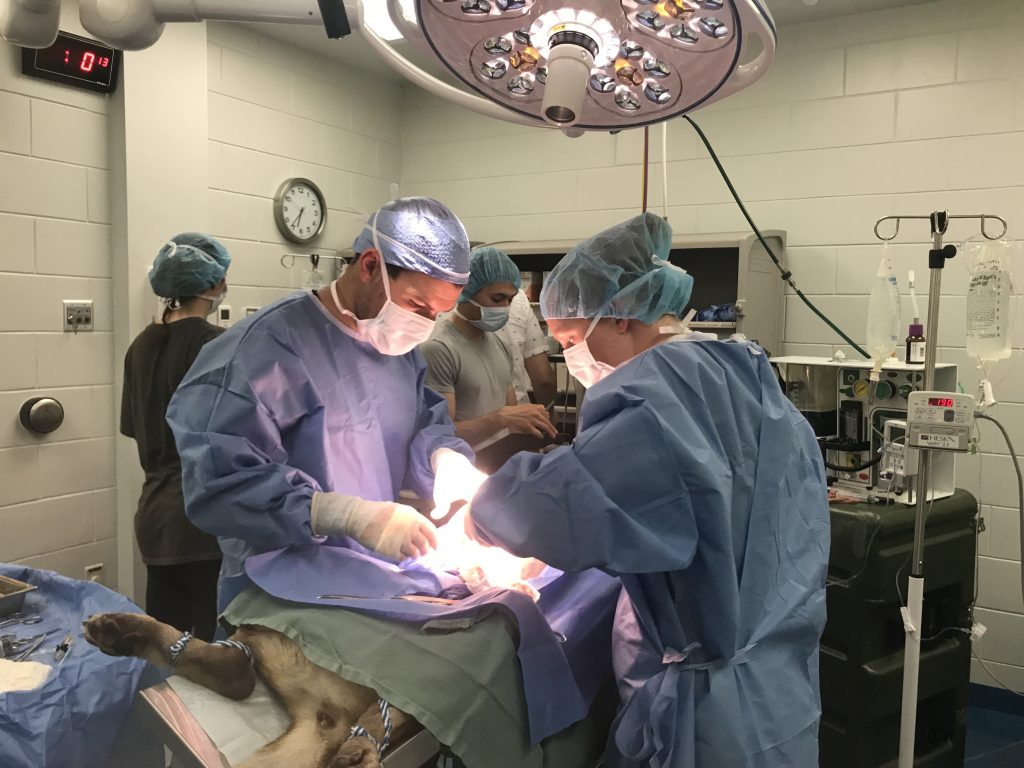
Official Perspectives & Industry Insights
Dr. Andrew Ciccolini, DVM, MSOL—a relief veterinarian, co-founder of the subscription-based veterinary relief management platform Serenity Vet, and former vice president of Operations for Galaxy Vets—has spent years analyzing the friction points between clinic management and contract clinicians. Drawing on his diverse background, which includes service as a veterinarian in the U.S. Army and leadership roles within non-profit veterinary initiatives, Dr. Ciccolini emphasizes that the survival of modern private practice depends on rethinking the contract workforce.
"Relief veterinarians have become an essential part of today’s veterinary business," Dr. Ciccolini notes. "In the current economy, when veterinary clinics are facing flat patient volumes, rising operating costs, and tight margins, the business needs to extract more value from existing operations. That means every shift—relief or not—must be performed, and every person on the schedule must be set up to succeed."
According to Dr. Ciccolini, viewing relief doctors as stopgaps is a relic of an inefficient past. When a practice treats a relief shift as an investment rather than a temporary expense, the entire operational ecosystem benefits.
Industry analysts echo this sentiment, pointing out that veterinary practices must adapt their management styles to accommodate a workforce that increasingly values autonomy, operational efficiency, and mutual respect. The clinics winning the talent war are those that abandon the "sink-or-swim" mentality and replace it with structured, collaborative partnership models.
Strategic Framework: 10 Ways to Plan for Unpredictability
To operationalize this mindset shift, clinic owners and practice managers must implement intentional protocols that eliminate friction, protect relief clinician well-being, and drive business performance. Below are ten practical strategies for managing and optimizing the relief experience.
1. Plan Shifts as Far in Advance as Possible
Unpredictability is the enemy of stability. Vacations, parental leaves, continuing education conferences, and seasonal volume peaks can—and should—be anticipated months in advance. Nearly one in four relief veterinarians report difficulty managing their personal schedules due to last-minute booking requests. By planning and booking relief staffing early, clinics provide greater predictability and confidence for both parties, securing top-tier talent before competitors snap them up.
2. Build a Network of Trusted Relief Vets
Relying solely on ad-hoc bookings leaves a clinic vulnerable to quality inconsistencies and high turnover. Cultivate a dedicated "go-to" network of relief veterinarians with whom your practice has established a positive, mutually beneficial history. Offer this core network the first right of refusal on open shifts. Relief practitioners who maintain repeat client relationships report significantly greater financial stability and lower burnout rates. For the clinic, consistent relationships translate to slashed training times, smoother workflows, and uninterrupted continuity of care.
3. Outline Shift Terms Clearly
Ambiguity breeds anxiety. More than 28% of relief veterinarians report difficulty finding shifts that are well-paid, well-scheduled, or aligned with their preferred clinical scope. When booking a shift—even if arranged on relatively short notice—provide a crystal-clear breakdown of expectations. Share the anticipated caseload, the ratio and skill level of available support staff, any special procedures likely to be encountered, and fundamental clinic policies. Complete transparency ensures that you attract clinicians whose specific skill sets match your immediate operational needs.
4. Discuss Overtime Compensation Upfront
Financial transparency must extend to edge cases. Terms regarding potential overtime or undertime, compensation policies for extended shifts, time-tracking mechanisms, and payment processing timelines should be explicitly agreed upon beforehand. While management may be 99% certain that a relief doctor will depart on time, that remaining 1% risk must be accounted for. Establishing these parameters in advance prevents awkward post-shift negotiations and preserves trust.
5. Build in Flexibility Incentives
Emergency cases, unexpected add-on appointments, and complex surgical complications are occupational hazards in veterinary medicine. However, when expectations shift mid-day without acknowledgment or financial compensation, resentment builds. Consider adopting a hybrid pay model that combines a guaranteed flat daily rate with a production bonus, particularly in emergency and urgent care settings. Over 17% of surveyed relief veterinarians indicate they would welcome this structure, which directly aligns hospital business needs with fair, performance-based compensation.
6. Start with a Quick Orientation
First-day jitters are universal, even for seasoned clinicians with decades of experience. A structured 10-to-15-minute morning orientation can dramatically alter the trajectory of a shift. Walk the relief veterinarian through the physical facility—pointing out the pharmacy, treatment areas, staff lounge, and emergency equipment locations. Explain core work processes and workstation setups. Survey data repeatedly highlights the absence of onboarding protocols as a primary in-clinic stressor; for management, a few minutes of orientation buys invaluable confidence, comfort, and productivity.
7. Review Protocols and Documentation Standards
Every clinic operates under slightly different administrative rules. Take time to brief the relief doctor on Practice Information Management System (PIMS) shortcuts, recordkeeping and SOAP-formatting policies, controlled substance logging protocols, and client communication standards. A targeted refresher eliminates friction, prevents compliance errors, and avoids frustrating mid-shift surprises for both the doctor and the front-desk team.
8. Ensure Seamless Access to Tools and Technology
Digital infrastructure can make or break a relief shift. Ensure that login credentials, software permissions, and cheat sheets for clinic systems are active and ready before the clinician walks through the door. If your practice utilizes modern efficiencies such as AI scribes or digital time-tracking applications, configure them ahead of time. Notably, nearly 29% of relief veterinarians report that they are significantly more likely to accept shifts at clinics offering AI scribe support, citing higher job fulfillment and reduced burnout.
9. Acknowledge Their Contribution
Culture is built on micro-interactions. Taking thirty seconds to offer a sincere verbal thank-you at the end of a grueling shift—or sending a follow-up email expressing appreciation—costs nothing but yields massive dividends. When relief veterinarians feel seen, respected, and valued as human beings, they are far more likely to prioritize your clinic when future scheduling conflicts arise.
10. Invite Feedback and Iterate
Relief veterinarians operate across a diverse cross-section of hospitals, giving them a unique vantage point to spot operational inefficiencies, communication bottlenecks, and workflow patterns that permanent staff may be blind to. Actively solicit their feedback: What worked well today? Where did the bottlenecks occur? What could we improve? Treating relief doctors as consultative partners provides invaluable insights that can elevate your entire practice’s operational maturity.
Future Outlook: The Strategic Imperative for Veterinary Leadership
The evolution of the veterinary relief sector is a bellwether for broader shifts within the industry. As veterinary medicine navigates ongoing labor pressures, economic tightening, and shifting generational expectations around work-life balance, the old paradigms of practice management are rapidly becoming obsolete.
Treating relief veterinarians as transactional, disposable labor is a short-sighted strategy that ultimately harms patient outcomes and drains clinic profitability. Conversely, clinics that embrace a progressive, partnership-driven model will secure a decisive competitive advantage. By treating relief professionals as strategic assets—investing in their onboarding, respecting their boundaries, ensuring technological enablement, and compensating them fairly—practices can inoculate themselves against the crippling effects of the current burnout crisis.
Ultimately, the future of veterinary practice health relies on community and collaboration. When relief veterinarians succeed, clinics succeed, support staff thrive, and patients receive the gold standard of care they deserve. The shift from viewing relief doctors as a temporary fix to viewing them as permanent strategic partners is no longer optional—it is the prerequisite for modern veterinary success.