
Executive Overview
In the quiet rhythms of everyday life, true philanthropy often hides in plain sight. It is found not solely in the grand endowments of corporate foundations, but on suburban porches, in neighborhood alleyways, and within the intentional choices of individuals who quietly dedicate their lives to protecting the vulnerable. The late John—a beloved social studies teacher, a consummate extrovert, and an unabashed "permissive cat daddy"—embodied this quiet, profound form of heroism.
For decades, John and his wife, Deb, shared a life defined by warmth, community engagement, and an unwavering devotion to animals. What began as a mistaken belief in a severe cat allergy transformed, through the gentle persistence of stray cats finding their way to his doorstep, into a lifelong crusade. Inspired by a neighbor and fueled by a boundless heart, John spent decades feeding, watching over, and advocating for both indoor companions and outdoor community cats.
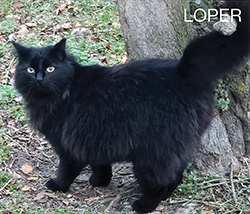
When John passed away, he left behind more than just fond memories with his students, his wife of 42 years, and his surviving feline family: Gray, Miss Kitty, Slyvestra, Mini, and Loper. Through a visionary decision to include Alley Cat Allies in his estate plans, John ensured that his compassion would outlive him. His planned gift guarantees that his lifelong mission of protecting cats and kittens will scale globally, supporting the Trap-Neve-Return (TNR) initiatives and advocacy efforts that save countless lives every single day.
This in-depth profile explores John’s remarkable journey—from an accidental cat lover who thought he was allergic to a pillar of neighborhood feline welfare—and examines the broader cultural and systemic impact of planned giving on the global animal welfare movement.
Detailed Chronology: From Alleged Allergies to a Lifetime of Feline Advocacy
To understand John’s profound impact on animal welfare, one must journey back through the milestones of a life well-lived. To his students at school, John was a legendary social studies educator. Known for his endless repertoire of "dad jokes," his genuine investment in his students’ lives, and an infectious extroversion that could light up any room, John made learning history an engaging, joyful experience. But away from the classroom chalkboard, another history was being written—one defined by whiskers, soft paws, and quiet acts of mercy.
The Great Allergy Misconception
For many years of his early life, John operated under a firm assumption: he believed he was severely allergic to felines. Sneezing, watery eyes, and general discomfort were what he anticipated whenever a cat was near. Consequently, he kept his distance, admiring animals from afar without realizing the profound bond waiting to be unlocked.
That narrative shifted radically three decades ago.
"Interestingly enough, John thought for years that he was allergic to cats! Then 30 years ago, we had a stray show up and get attached to John," Deb recalls, reflecting on the 42 years of marriage they shared. The stray cat, seemingly indifferent to human labels of "allergies," bypassed all conventional expectations and chose John as its human. Far from suffering an allergic reaction, John discovered a deep, resonant kinship with the animal. The walls of hesitation crumbled, replaced by an immediate and enduring affection.
Enter "Puddy Cat" and the Evolution of a Cat Daddy
If the first stray was an introduction, the second was a masterclass in feline adoption. A quarter-century ago, another lost cat crossed their path. With a playful nod to classic Warner Brothers animation, John christened her "Puddy Cat."
Puddy Cat did not merely visit; she moved in, anchoring herself firmly into the heart of the household. "Pud lived with us for 16½ years," Deb shares with a fondness that transcends time. During those years, John transitioned fully into what Deb lovingly describes as a "permissive cat daddy." Boundaries melted away. Furniture became feline real estate, laps were perpetually occupied, and John’s heart expanded to make room for every creature that crossed his threshold.
Extending Compassion Beyond the Front Door
John’s empathy was not restricted to indoor pets. Inspired by a caring neighbor, John expanded his mission outward to safeguard the neighborhood’s free-roaming and community cats. He understood that these outdoor cats—often misunderstood, marginalized, or unfairly targeted—deserved the same dignity, sustenance, and protection as indoor pets.
Day after day, year after year, John tended to their needs. He set out food, monitored their health, and created safe spaces for them to weather the elements. Even as his professional life as a teacher demanded immense emotional and intellectual energy, John maintained his commitment to his outdoor feline charges.
At the time of his passing, John’s immediate feline family spanned both indoor and outdoor worlds. He left behind Gray, his cherished indoor-outdoor companion, alongside four steadfast outdoor community cats: Miss Kitty, Slyvestra, Mini, and Loper. Each cat represents a chapter in John’s ongoing story of mercy—a testament to a man who refused to look away when an animal was in need.
Supporting Context & Metrics: The Lifesaving Impact of Planned Giving
While John’s daily acts of kindness transformed the block he lived on, his final act of estate planning ensures that his compassion scales to a global level. By designating Alley Cat Allies as a beneficiary in his will, John entered a vital ecosystem of philanthropy that sustains life-saving programs for cats and kittens worldwide.
The Power of Bequests in Animal Welfare
In the nonprofit sector, planned giving is the bedrock of long-term operational resilience and programmatic innovation. According to fundraising data across animal welfare organizations, legacy gifts allow organizations to transition from reactive rescue models to proactive, systemic interventions.
Alley Cat Allies, as the leading engine of change for cats globally, relies heavily on community-driven contributions to spearhead systemic reforms. These funds directly fuel:
- Trap-Neve-Return (TNR) Programs: The scientifically proven, humane approach to stabilizing community cat populations without relying on lethal shelter intake.
- Veterinary Care and Emergency Medical Funds: Providing critical interventions for sick, injured, or abused cats and kittens.
- Educational Outreach and Policy Reform: Equipping communities, shelters, and lawmakers with the knowledge needed to enact animal-friendly ordinances and end the senseless killing of healthy cats in shelters.
When individuals like John weave charitable bequests into their estate planning, they provide a financial foundation that empowers organizations to respond to crises immediately, launch multi-year advocacy campaigns, and educate the public on compassionate co-existence.
The Metrics of Community Cat Care
To contextualize the scale of need that John’s estate gift helps address, consider the broader landscape of community cat management:
- Millions of Free-Roaming Cats: It is estimated that tens of millions of community cats live in urban, suburban, and rural areas across the United States alone.
- The Shelter Crisis Before TNR: Historically, millions of cats entered municipal animal control systems annually, where outdated, lethal policies too often resulted in euthanasia due to overcrowding.
- The TNR Transformation: Modern data shows that implementing systematic TNR reduces shelter intake and euthanasia rates dramatically—often by 60% to 90% within targeted communities over a few years.
By supporting organizations that champion TNR, legacy donors like John are directly responsible for shifting public policy away from cruelty and toward humane, sustainable management models.
Official Statements & Personal Reflections
The human element of philanthropy is best captured through the voices of those who knew the donor best. Deb’s reflections on their life together paint a vivid portrait of a man whose humor, love, and civic-mindedness defined his existence.
"Interestingly enough, John thought for years that he was allergic to cats! Then 30 years ago, we had a stray show up and get attached to John," Deb reminisced, highlighting the whimsical, unexpected ways animals enter our lives and rewrite our personal narratives.
Recalling John’s professional life and private passions, Deb noted his unique ability to bridge the gap between authority and warmth. As a social studies teacher, he demanded critical thinking from his students while keeping them laughing with his endless dad jokes. At home, that same teacher transformed into a doting protector of strays—a "consummate extrovert" whose circle of affection included every human he taught and every feline that wandered into his yard.
When discussing John’s decision to support Alley Cat Allies through his will, Deb expressed profound alignment with the organization’s overarching mission, particularly its advocacy for Trap-Neve-Return (TNR).
"I am grateful that organizations like Alley Cat Allies exist," Deb stated, underscoring the vital necessity of institutional support systems that amplify individual compassion into nationwide movements.
Through her words, Deb ensures that John’s voice—humorous, kind, and fiercely protective of the vulnerable—continues to resonate within the animal advocacy community.
Future Outlook: Continuing John’s Legacy for Generations to Come
John’s story is not merely a retrospective look at a life well-lived; it is a call to action for the future. As communities across the globe grapple with how to treat free-roaming wildlife and community animals humanely, individuals like John light the path forward.
His legacy demonstrates that animal advocacy does not require a sprawling corporate foundation or an act of Congress. It begins with an open door, a bowl of food, a willingness to question old assumptions (like a supposed cat allergy), and the foresight to plan for a future where every cat is valued and protected.
How You Can Follow in John’s Footsteps
John’s vision can live on through anyone moved by his story. Alley Cat Allies provides accessible pathways for individuals to make a permanent mark on the world of animal welfare through planned giving, bequests, and direct contributions.
- Make a Gift Today: Supporters can contribute immediately by visiting alleycat.org/Donate, ensuring that active rescue and TNR operations remain fully funded.
- Explore Planned Giving: To create a lasting legacy akin to John’s, donors can explore bequests and planned giving options at alleycat.org/PlannedGiving, or scan the organization’s dedicated QR codes available through their informational literature.
- Institutional Identifiers: For those integrating Alley Cat Allies into their estate plans, official identifiers include CFC #10964 and EIN #52-1742079.
- Direct Inquiries: Individuals seeking personalized guidance on planned giving can speak directly with specialists by calling 866-309-6207.
Conclusion
John walked through life as an educator, a husband, a joker, and a protector. He taught young minds how to understand the world, and he taught those around him how to love animals without reservation. Though Gray, Miss Kitty, Slyvestra, Mini, and Loper mourn the loss of their permissive cat daddy, and though Deb cherishes 42 years of irreplaceable memories, John’s impact has only just begun to ripple outward.
Through his bequest to Alley Cat Allies, John’s compassion will cross borders, save countless feline lives, and champion a more humane world. In the grand classroom of life, John’s final lesson is his most enduring: that a single act of love, planned with care and executed with conviction, can echo across eternity.