
Executive Overview
Ensuring your pets stay properly hydrated is one of the most fundamental responsibilities of pet ownership, yet traditional water bowls often fall short. They gather dust, trap floating fur, grow slimy biofilms, and sit stagnant—factors that can subconsciously deter both finicky cats and thirsty dogs from drinking enough. To combat this, the pet industry has flooded the market with automated water fountains designed to keep water circulating, oxygenated, and appealing.
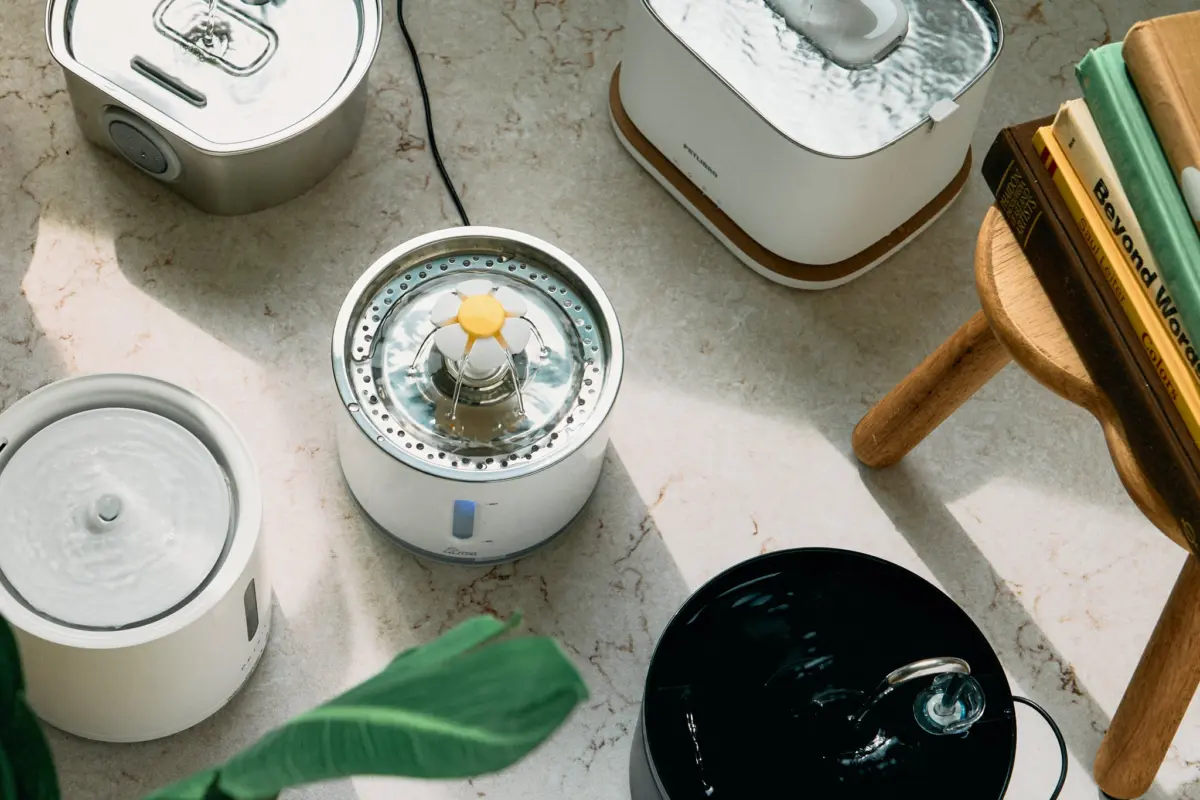
However, finding a reliable pet fountain that balances mechanical longevity, whisper-quiet operation, and a manageable cleaning routine is a challenge. After an extensive review process evaluating 39 distinct models and thoroughly testing 21 pet water fountains, Wirecutter’s pet experts have identified the standout choices for every household budget and animal preference.
Whether you are looking for a completely wireless design that frees you from wall outlets, a massive reservoir for a multi-dog household, or a budget-friendly faucet-style fountain, this comprehensive guide breaks down the science of pet hydration, details our rigorous testing metrics, and highlights the best models currently available.
Detailed Chronology: The Evolution of Pet Hydration Testing
The methodology behind selecting the best pet water fountains is rooted in years of hands-on evaluation, expert veterinary consultation, and real-world consumer testing.
- The Early Standard (2009–2018): Early pet fountains prioritized basic circulation, often relying on loud, submersible pumps and difficult-to-clean plastic reservoirs. During this era, veterinary recommendations began steering owners toward circulating water to address feline lower urinary tract issues. However, early models frequently suffered from motor burnout and consumer fatigue over complex disassembly.
- The Smart & Cordless Revolution (2018–2024): As smart-home technology penetrated the pet care market, manufacturers introduced app-enabled features, wireless induction charging bases, and magnetic rotors. These innovations drastically reduced the frustration of cleaning by eliminating the hazard of wet cords and awkward plug prongs.
- The Current Testing Epoch (2024–2026): Our most recent testing framework assessed 21 current models over multi-week trials. Testers measured decibel output, tracked filter performance costs, monitored app reliability, and evaluated material degradation across plastic, stainless steel, and ceramic options.
Supporting Context & Metrics: How We Test and What Veterinarians Say
The Science of Pet Drinking Habits
It is a common myth that all cats inherently prefer running water over still water. A landmark 2018 study co-authored by veterinary nutritionist Dr. Martha Cline looked at cats’ water-bowl preferences and found no statistically significant difference in water intake or urinary parameters whether cats drank from still, circulating, or free-falling water sources.
However, individual preference plays a massive role. Dr. Lisa Weeth, a veterinary nutritionist, explains that a cat’s preference is heavily tied to its developmental upbringing: “If your cat grew up with only still water in a bowl, and then you introduce a fountain at age 5, they may look at it like, ‘Well, what do I do with this?’” Conversely, if a cat has historically neglected its water bowl, introducing a fountain is a worthwhile experiment to see if it responds to movement.
Dogs, meanwhile, are famously less discriminating—often drinking out of muddy outdoor puddles when desperate. Dr. Leticia Fanucchi, a veterinarian and professor at Oklahoma State University, emphasizes that desperation does not equal adequate hydration: “That doesn’t mean they’re drinking enough water. So your pup may also appreciate a water fountain.”
The Rigorous Testing Criteria
To narrow down 39 models to 21 test units, our team established strict evaluation metrics:
- Capacity: We targeted a sweet spot between 2 and 4 liters, which ensures water freshness while accommodating standard daily needs. Larger capacity options were tested specifically for multi-pet and large-dog homes.
- Shape and Size (Whisker Stress): Cats possess sensitive tactile hairs around their muzzle. Narrow, deep bowls can press against these whiskers, causing "whisker fatigue" or stress. We favored wide, shallow designs.
- Materials: We balanced cost and hygiene across plastic, stainless steel, and ceramic. While plastic is affordable, scratches can harbor bacteria that exacerbate feline chin acne. Stainless steel and ceramic offer dishwasher-safe sanitation, though they still incorporate underlying plastic components.
- Upkeep and Cleaning: Fountains require regular disassembly. We evaluated how many nooks and crannies trap grime, running every model through a two-week wear-and-test cycle.
- Noise Level: Using decibel meters and quiet-room listening tests, we weeded out models with annoying low-frequency hums or rattling motors.
Official Statements & Expert Insights
Veterinary professionals uniformly emphasize that hygiene is paramount when upgrading from a standard bowl to a motorized fountain.
“The longer water sits, the more particles it collects. Dust, dirt, hair, and more can all collect in your dog or cat’s water bowl, making them less inclined to drink from it.”
— Dr. Martha Cline, Veterinary Nutritionist, Purina PetCare“The water falls back in it. So there’s saliva in it. We typically wash our own dishes after each use, and ideally, we should be doing the same for our pets. Water bowls should be cleaned daily.”
— Dr. Leticia Fanucchi, Professor, Oklahoma State University
The Top-Tested Pet Water Fountains
1. Top Pick: Petkit EverSweet Solo 2
- Capacity: 2 Liters (68 oz)
- Best For: Cats and small-to-medium dogs requiring a silent, effortlessly cleanable fountain.
- Why We Love It: The Petkit EverSweet Solo 2 redefines convenience with its wireless pump and magnetic induction charging base. When it is time to clean, you simply lift the tank off the base and carry it to the sink—no tangled cords or wet electrical prongs to wrestle with. It tied for the quietest fountain in our tests, running virtually silent even when water levels dipped. The open, shallow dish is completely whisker-friendly.
- Minor Flaws: It does not ship with a USB wall adapter (requiring an old phone charger or USB outlet), and the companion app’s notification system requires manual scheduling.
2. Upgrade Pick: Petlibro Dockstream 2 Smart Cordless Fountain
- Capacity: Generous multi-pet capacity
- Best For: Pet owners wanting total placement freedom, advanced tracking, and premium build quality.
- Why We Love It: Operating entirely on battery power, the Dockstream 2 frees you from the tyranny of wall outlets, eliminating chew or trip hazards. Its magnetic rotor system makes disassembly a breeze, and it features dual flow modes (faucet or bubbler). The companion app tracks your pet’s drinking frequency, duration, and water levels in real-time, alerting you when maintenance is due.
- Minor Flaws: Premium pricing, and the motion sensor triggers for both pets and humans in high-traffic zones, draining battery life faster.
3. Best for Heavy Drinkers: Petlibro Capsule Dog Fountain
- Capacity: 2.1 Gallons
- Best For: Large dogs, multi-pet households, or heavy-drinking cats.
- Why We Love It: Holding an impressive 2.1 gallons, the Capsule Dog Fountain ensures that high-volume drinkers never run dry. The constant swirling vortex attracts pets instantly, while the elevated rim successfully captures splashing and dripping, keeping surrounding floors significantly drier than standard water bowls.
- Minor Flaws: It is heavy and lacks carrying handles when filled to maximum capacity.
4. Budget Pick (Faucet Style): Giotohun Cat Water Fountain
- Capacity: 3.2 Liters (108 oz)
- Best For: Sink-obsessed pets who crave falling water on a budget.
- Why We Love It: Featuring a curved metal spout that mimics a household faucet, the Giotohun fountain satisfies cats and dogs looking for vertical streams. It runs remarkably quietly, includes a subtle LED night light, and offers a two-year pump warranty alongside very affordable replacement filters.
- Minor Flaws: The dark-colored plastic tank makes it slightly harder to spot hidden mineral buildup or slime during routine visual checks.
5. Budget Pick (Stainless Steel): Casfuy PWS-154 Quiet Stainless Steel Fountain
- Best For: Owners wanting stainless steel surfaces without breaking the bank.
- Why We Love It: Offering a stainless steel tank and drinking dish at an entry-level price point, the Casfuy PWS-154 provides a cleaner alternative to all-plastic budget models. It includes a handy water-level window and cost-effective replacement filters.
- Minor Flaws: It relies on an older corded pump design that lacks auto-shutoff protection when dry.
6. Budget Pick (Classic Design): Wonder Creature Cat Water Fountain
- Capacity: 2.4 Liters (81 oz)
- Best For: Shoppers seeking a versatile, multi-flow budget option.
- Why We Love It: Eerily similar in layout to classic flower fountains but quieter and more affordable, the Wonder Creature model features three distinct flow modes and a dishwasher-safe stainless steel top surface. The yellow flower cap twists off easily for customizable water streams.
- Minor Flaws: The motor can occasionally emit a faint, muted buzzing sound.
Future Outlook: What to Expect Next in Pet Hydration
As pet tech continues to advance, the future of pet hydration points toward even smarter integration. We anticipate seeing broader adoption of UVC sterilization technology built directly into wireless pumps to neutralize bacteria without chemical additives, alongside more accurate AI-driven health monitoring apps capable of distinguishing between multiple pets sharing the same fountain.
Until then, selecting the right fountain comes down to matching your pet’s drinking preferences with your personal tolerance for weekly maintenance. By keeping reservoirs pristine and water fresh daily, you will ensure your furry companions remain healthy, hydrated, and happy for years to come.