
By Stacey Hendershott, DVM, DABVP (Canine/Feline)
Executive Overview
Veterinary medicine is evolving at an unprecedented, almost dizzying pace. Every trade show, veterinary conference, and digital marketplace brings a fresh wave of diagnostics, therapeutics, software platforms, and artificial intelligence-driven tools. Each new innovation arrives bearing the same irresistible promise: faster answers, greater precision, and fundamentally improved patient care. For companion animal practices, the primary challenge of the 21st century is no longer securing access to advanced diagnostics; rather, it is determining which technologies truly deserve a permanent, financially viable place in the hospital ecosystem.
Today’s clinic owners and medical directors face what can best be described as a "diagnostic buffet." The temptation is ever-present. Every technological platform offers distinct advantages, every manufacturing company presents a compelling return-on-investment case, and nearly every new tool appears to fill a critical clinical gap. Yet, adding advanced technology without a cohesive, deliberate strategy can swiftly introduce heavy financial pressure, workflow friction, and operational confusion. The stakes are high: the ultimate goal is not to adopt every shiny option available on the market, but to curate a balanced, intentional diagnostic ecosystem that simultaneously supports medical quality, practice sustainability, team efficiency, and deep-seated client trust.
Detailed Chronology: The Evolution of Diagnostic Overload
To understand how companion animal hospitals reached this point of critical mass, it is helpful to trace the evolution of diagnostic technology over the past two decades.
Phase I: The Shift to In-House Capability (Late 1990s–2010s)
Historically, private veterinary practices relied heavily on external reference laboratories for all but the most basic bloodwork and microscopic evaluations. While reference labs offered comprehensive menus, the turnaround time—often 24 to 48 hours—posed a significant hurdle for emergency triage, critical care management, and anxious pet owners.
The industry experienced a massive shift as benchtop chemistry analyzers, automated hematology units, and rapid point-of-care (POC) snap tests became affordable and reliable enough for general practice. Suddenly, veterinarians could evaluate organ function, electrolyte status, and select infectious diseases within minutes. This capability drastically changed medical management, allowing for immediate therapeutic interventions. However, it also set a precedent: speed and autonomy became the new baseline expectations for client care.
Phase II: The Specialized Biomarker Boom (2010s–2020)
As core in-house diagnostics matured, biotechnology companies began introducing specialized biomarkers. Tests for specific disease states—such as symmetric dimethylarginine (SDMA) for early renal disease, feline and canine pancreas-specific lipases for pancreatitis, and cardiac biomarkers like NT-proBNP—flooded the market.
While these biomarkers represented monumental leaps forward in preventative and internal medicine, they also multiplied the decision-making matrices for clinicians. Veterinarians were no longer just deciding whether a patient was azotemic; they were weighing the nuances of subclinical elevations, choosing between overlapping testing modalities, and navigating the nuances of proprietary assays.
Phase III: The Convergence of Digital Health, AI, and the Modern "Buffet" (2020–Present)
Today, the diagnostic landscape has expanded exponentially. Modern practices are courted not just by diagnostic manufacturing giants, but by software startups, cloud-based data aggregators, and AI-driven diagnostic interpreters.
Walking through the exhibit hall of a major veterinary conference today reveals an overwhelming landscape. Companies compete fiercely for physical and digital space inside clinics. The decision-making process has grown correspondingly complex. It is no longer simply about which chemistry analyzer to purchase, but which multi-modal diagnostic platform best harmonizes with a hospital’s specific medical philosophy, daily workflow, financial structure, and long-term business goals. As diagnostics continue to evolve at breakneck speeds, modern practices increasingly require flexible, adaptable solutions that free them from rigid operational models tied to legacy contracts.
Supporting Context & Metrics: The Tripartite Burden of Modern Diagnostics
The integration of new diagnostic technology impacts three distinct pillars of the veterinary hospital: the practice owners, the clinical staff, and the pet-owning clients. Each group experiences the "diagnostic buffet" through a uniquely challenging lens.
1. The Practice Owner’s Dilemma: Economics and Infrastructure
For practice owners and medical directors, diagnostic integration is an economic equation fraught with risk. Modern veterinary medicine operates under tight profit margins, workforce shortages, and escalating overhead costs.
- Capital Expenditure vs. ROI: Investing in high-end diagnostic platforms often requires significant upfront capital or long-term reagent-rental agreements. Without a clear utilization strategy, these investments can quickly become financial anchors rather than revenue drivers.
- Contractual Lock-in: Many diagnostic companies tie clinics into multi-year vendor agreements. Practices must carefully evaluate whether these contracts limit their ability to pivot when superior, more cost-effective technologies emerge.
- Space and Maintenance: Physical real estate within a veterinary hospital is precious. Every new analyzer, centrifuge, or digital interface requires dedicated counter space, power sources, routine calibration, and staff maintenance.
2. The Clinician and Staff Experience: Cognitive Load and Burnout
Veterinarians and veterinary technicians experience the diagnostic landscape on the front lines of patient care. Their primary focus is making timely, accurate medical decisions while managing fully booked schedules, medically complex cases, and high client expectations.
- Cognitive Fatigue: The sheer volume of new tests, biomarkers, and technologies introduces severe cognitive load. Clinicians must constantly evaluate: When is this test clinically indicated? How do I interpret this proprietary readout? What are the false-positive and false-negative rates? How much clinical confidence should I place in this emerging technology? This relentless decision-making contributes directly to professional burnout.
- The Danger of Poor Implementation: Installing a new analyzer or software platform without rigorous, standardized protocols invariably leads to operational failure. Common pitfalls include inconsistent test utilization, delayed medical follow-up, duplicate testing (running an in-house test and sending out a reference lab panel out of habit), and widespread staff frustration.
- The Cure—Purposeful Onboarding: Conversely, thoughtful onboarding, comprehensive staff training, and defined case-use guidelines can transform a confusing new tool into an intuitive extension of the veterinary team, preserving efficiency while elevating patient outcomes.
3. The Client Experience: Transparency, Speed, and Financial Realities
Today’s veterinary clients are fundamentally different from those of past decades. Highly connected, digitally informed, and acutely sensitive to economic pressures, modern pet owners navigate veterinary care with distinct expectations:
- Affordability and Transparency: Clients balance a profound desire to provide optimal care for their animal companions with very real financial constraints. Transparency is paramount. When a veterinary team can clearly articulate what a specific diagnostic test measures, how the expected result will modify the treatment plan, and why the recommendation is medically vital, clients are far more likely to embrace the recommendation and maintain compliance.
- The Need for Speed: In an era of instant digital communication, waiting days for critical lab results can cause immense emotional distress for worried pet owners. In-clinic or near-patient diagnostics bridge this gap, delivering actionable data rapidly without sacrificing diagnostic rigor.
- Managing Digital Misconceptions: Online resources, social media, pet health apps, and rudimentary AI symptom checkers often shape client expectations before they even cross the threshold of the clinic. Veterinary teams must act as trusted guides, skillfully correcting digital misinformation and anchoring diagnostic recommendations directly to the individual patient in front of them.
Official Perspectives & Expert Insights
Navigating this complex landscape requires seasoned clinical judgment. Integrating point-of-care (POC) diagnostics into a private practice setting demands a strategic balance between medical excellence and operational pragmatism.
"Veterinary medicine is evolving at an unprecedented pace. The challenge for companion animal practices is no longer access to diagnostics; it is deciding which technologies truly deserve a place in the hospital. The goal is not to adopt every option available, but to build a curated diagnostic ecosystem that supports medical quality, practice sustainability, team efficiency, and client trust."
— Dr. Stacey Hendershott, DVM, DABVP (Canine/Feline)
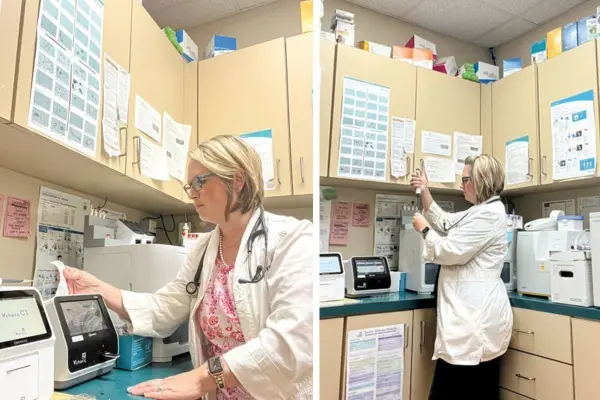
Reflecting on personal clinical experiences at Pleasant Grove Animal Hospital, Dr. Hendershott notes the specific utility of expanding point-of-care testing:
"For me, the goal was to expand in-clinic point-of-care diagnostics—such as utilizing Bionote’s Vcheck200 to perform in-house NT-proBNP assays—to improve medical quality and workflow speed while creating an additional revenue stream that did not interfere with an existing reference lab contract."
When veterinary teams embrace purposeful selection over impulsive acquisition, diagnostic tools cease to be stressors and instead become foundational pillars of superior patient care. Industry leaders emphasize that the integration of diagnostics must always serve the tripartite mission of the clinic: optimizing patient health, supporting staff well-being, and strengthening client partnerships.
Future Outlook: Building a Curated Diagnostic Ecosystem
As the veterinary industry looks toward the horizon, the trajectory of diagnostic technology shows no signs of slowing down. Artificial intelligence, predictive biomarker analytics, and ultra-rapid molecular testing will continue to flood the marketplace. To thrive in this dynamic environment, veterinary practices must transition from reactive consumers of technology to proactive curators of their own diagnostic ecosystems.
To achieve this, practice leaders should implement a rigorous evaluation framework for every new technology entering their hospital. Before committing capital or clinical time, decision-makers must ask five critical questions:
- Clinical Impact: Does this tool genuinely improve patient care, diagnostic accuracy, or clinical decision-making compared to existing methods?
- Workflow Harmony: Does the technology fit seamlessly into the current physical layout, daily schedule, and staffing model without causing bottlenecks?
- Training and Consistency: Can the entire veterinary team be efficiently trained to operate the tool and interpret its results consistently?
- Financial Sustainability: Does the pricing and reimbursement model support a predictable, sustainable return on investment (ROI)?
- Client Value Communication: Can the clinical value of this test be easily and transparently communicated to clients to foster trust and compliance?
Getting Started: A Step-by-Step Approach
- For Start-Up Practices: The journey begins by defining the core diagnostic services that align with the hospital’s unique medical identity and business plan, avoiding early feature-bloat.
- For Established Practices: The review process should start with an audit of current vendor contracts, test utilization patterns, workflow bottlenecks, and clinical missed opportunities.
By transforming diagnostic complexity into purposeful selection, veterinary practices can successfully bridge the gap between technological innovation and everyday clinical reality. Aligning advanced tools with stringent medical standards, financial realities, team capacities, and transparent client communication ensures that tomorrow’s veterinary hospitals remain resilient, profitable, and deeply dedicated to the highest standards of patient care.