Every night in homes across the globe, millions of domestic dogs (Canis lupus familiaris) engage in a striking and uniform ritual prior to sleep: they walk onto a bed, couch, or rug, turn around in tight circles two, three, or more times, scratch at the surface, and finally settle down. To the casual pet owner, this behavior appears to be an endearing, eccentric quirk. However, ethologists, veterinary behaviorists, and animal welfare advocates recognize these repetitive rotational movements as deeply ingrained vestigial motor patterns—evolutionary leftovers from wild ancestral canids operating long before the advent of cushioned beds and climate-controlled living rooms.
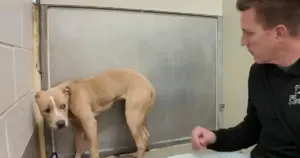
Recent observations brought forward by prominent animal advocate Cole Reeves—who oversees the care and rehabilitation of more than 100 rescued Pit Bulls—have reignited interest in canine sleep architecture and spatial orientation. Reeves’ observational work highlights how ancestral survival strategies dictate modern companion animal habits, ranging from pre-sleep rotational checks to the subtle, affectionate nuances of posture selection, such as resting with their backs turned toward their human caregivers.
Supported by clinical documentation from organizations such as VCA Animal Hospitals, behavioral scientists confirm that these nightly routines serve a triple purpose: mechanical environmental modification, micro-environmental olfactory assessment, and psychological vulnerability mitigation. Understanding these mechanisms offers key insights into animal welfare, domestic bond formation, and the evolutionary psychology of human-canine cohabitation.
Detailed Chronology: The Evolutionary Timeline of Canine Sleep Engineering
To understand why a modern domestic dog circles an orthopedic memory foam bed in an apartment, one must trace the environmental and evolutionary pressures that shaped the canid central nervous system over tens of thousands of years.
+-----------------------------------------------------------------------------------+
|                         EVOLUTION OF CANINE SLEEP RITUALS                         |
+-----------------------------------------------------------------------------------+
|  Pleistocene Epoch    : Wild Ancestors (Wolves/Wild Canids)                       |
|                         • Flattening tall grass, brush, and snowfall.             |
|                         • Evicting biting insects, snakes, and arachnids.         |
|                         • Establishing a thermal nest boundary.                   |
+-----------------------------------------------------------------------------------+
|  15,000–30,000 YBP    : Early Domestication & Encampment Living                   |
|                         • Rotational checks at human camp peripheries.            |
|                         • Scent-marking bedding zones via interdigital glands.    |
|                         • Utilizing human fire/warmth while keeping guard.        |
+-----------------------------------------------------------------------------------+
|  Industrial Era       : Transition to Indoor Cohabitation                         |
|                         • Persistence of vestigial motor patterns on textiles.    |
|                         • Adaptation of wild thermal strategies to indoor heat.   |
+-----------------------------------------------------------------------------------+
|  Modern Era           : Behavioral Science & Ethological Frameworks               |
|                         • Recognition of circling as fixed action patterns (FAPs).|
|                         • Analysis of sleep posture as indicator of trust/pain.   |
+-----------------------------------------------------------------------------------+
Phase 1: Environmental Modification in the Wild
In the pre-domestication era, wild canids faced harsh outdoor environments. Lacking constructed shelters, animals had to manufacture their own micro-habitats. Rotational movements served a vital physical function:
Substrate Flattening: In dense grasslands, brush, or snow cover, a turning canid effectively trampled vegetation or packed down snow, creating a level, soft depression suitable for prolonged recumbency.
Pest and Parasite Eviction: Turning repeatedly disturbed the sub-surface soil and leaf litter, driving out hidden scorpions, snakes, stinging insects, or sharp stones that could injure a resting animal.
Phase 2: The Development of Scent Marking and Olfactory Security
As canids transitioned toward early cooperative living near human settlements, bedtime turning acquired secondary social functions. By treading down on a specific patch of ground, dogs compressed scent glands located in the pads of their paws (interdigital glands), depositing unique chemical signatures that marked the spot as occupied territory within the pack structure.
Phase 3: Retention of Vestigial Motor Patterns in the Domestic Era
Through millennia of selective breeding, domestic dogs retained many fundamental neurological motor patterns associated with basic survival—collectively known in ethology as Fixed Action Patterns (FAPs). Even when presented with micro-fiber blankets, elevated beds, or carpeted floors, the neurological loop triggering pre-sleep turning remains active. The physical necessity of flattening wild grass has disappeared, but the underlying neural pathway persists.
Supporting Context & Metrics: Decoding Sleep Postures and Mechanics
Canine sleep behavior extends beyond initial rotational movements. The specific physical positions dogs adopt upon settling reveal detailed data regarding their emotional state, thermal needs, and perceived safety within a household.
1. The Physics and Physiology of Pre-Sleep Circling
When a dog rotates before lying down, it conducts an environmental check using its primary sensory organ: the olfactory system.
By turning 360 degrees, a dog positions its nasal passages across all prevailing air currents in the room. This rotational sweep allows the animal to process ambient scents, detect subtle airflow changes, identify approaching intruders, or monitor the location of other pack members.
2. Thermoregulation and the "Donut Position"
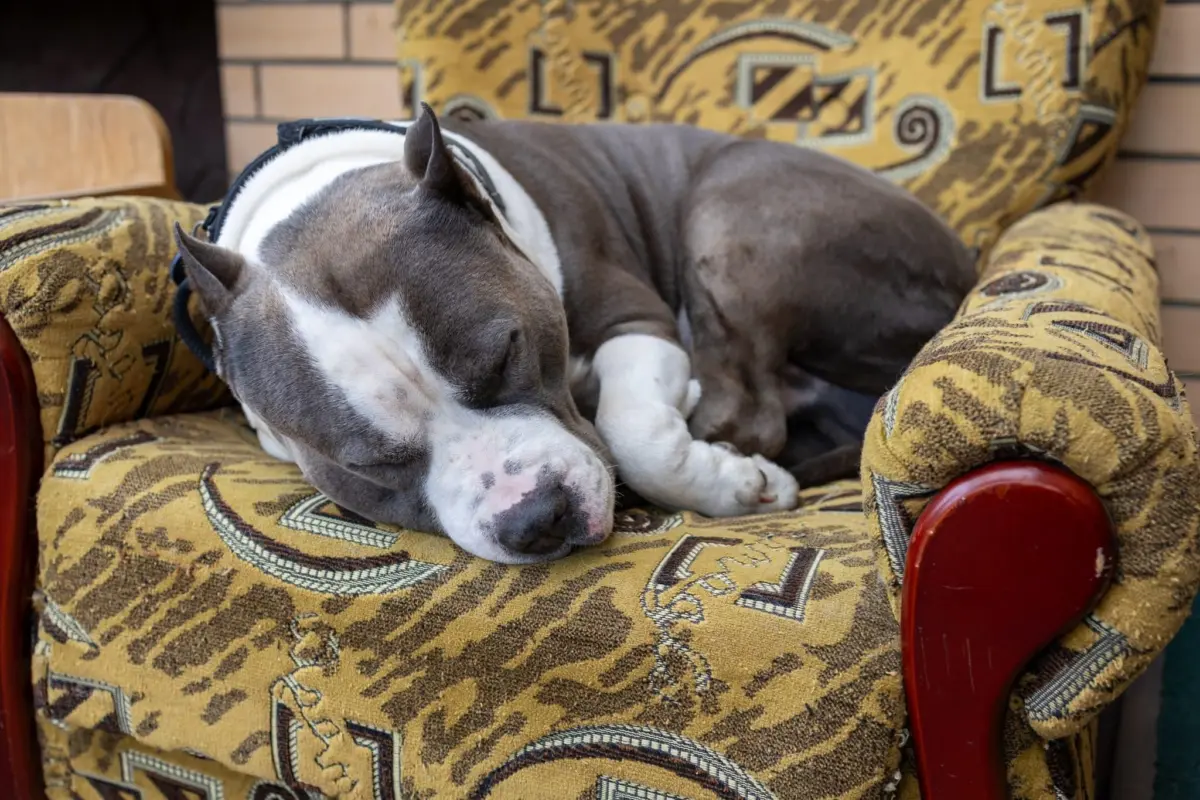
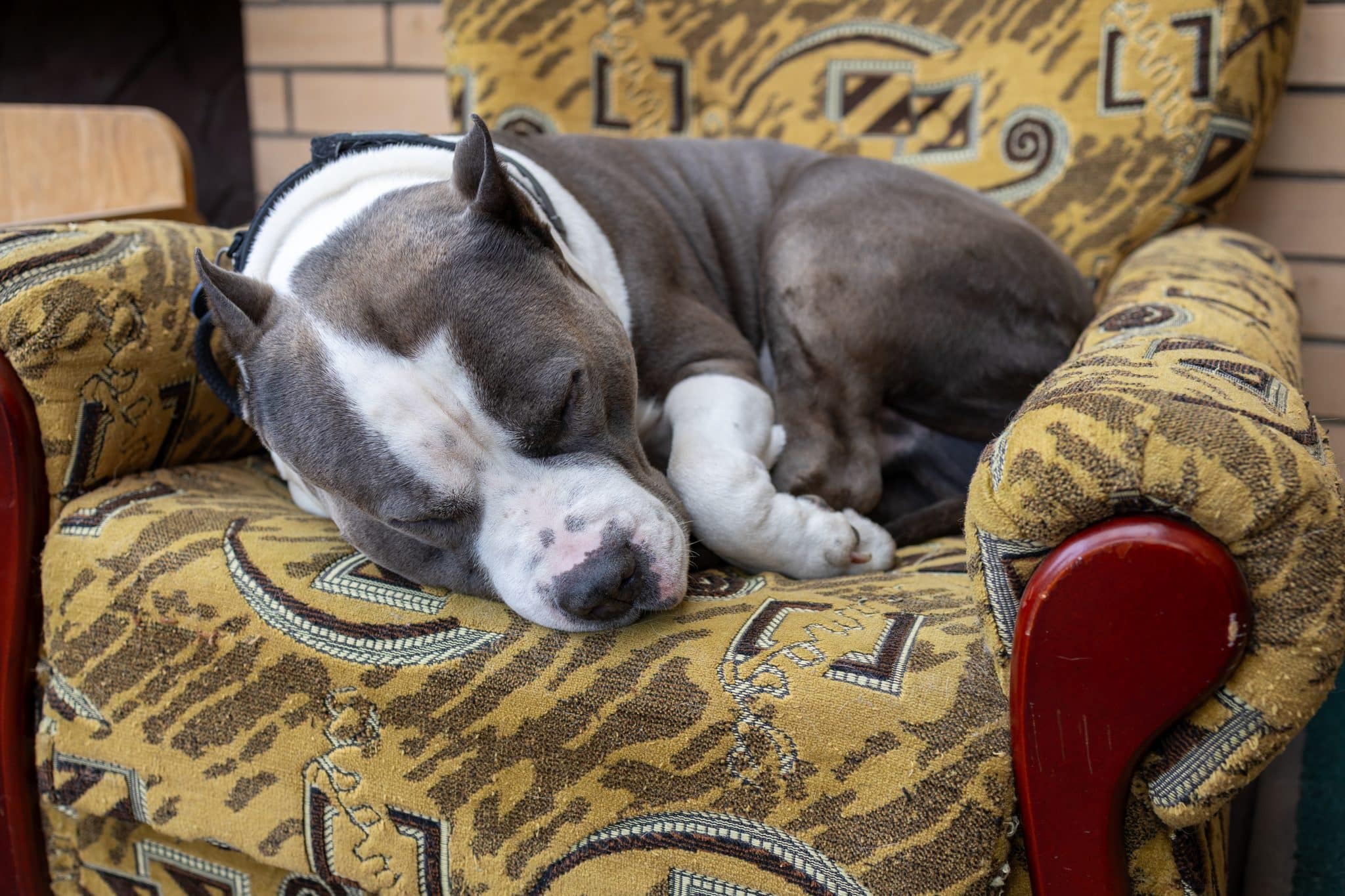
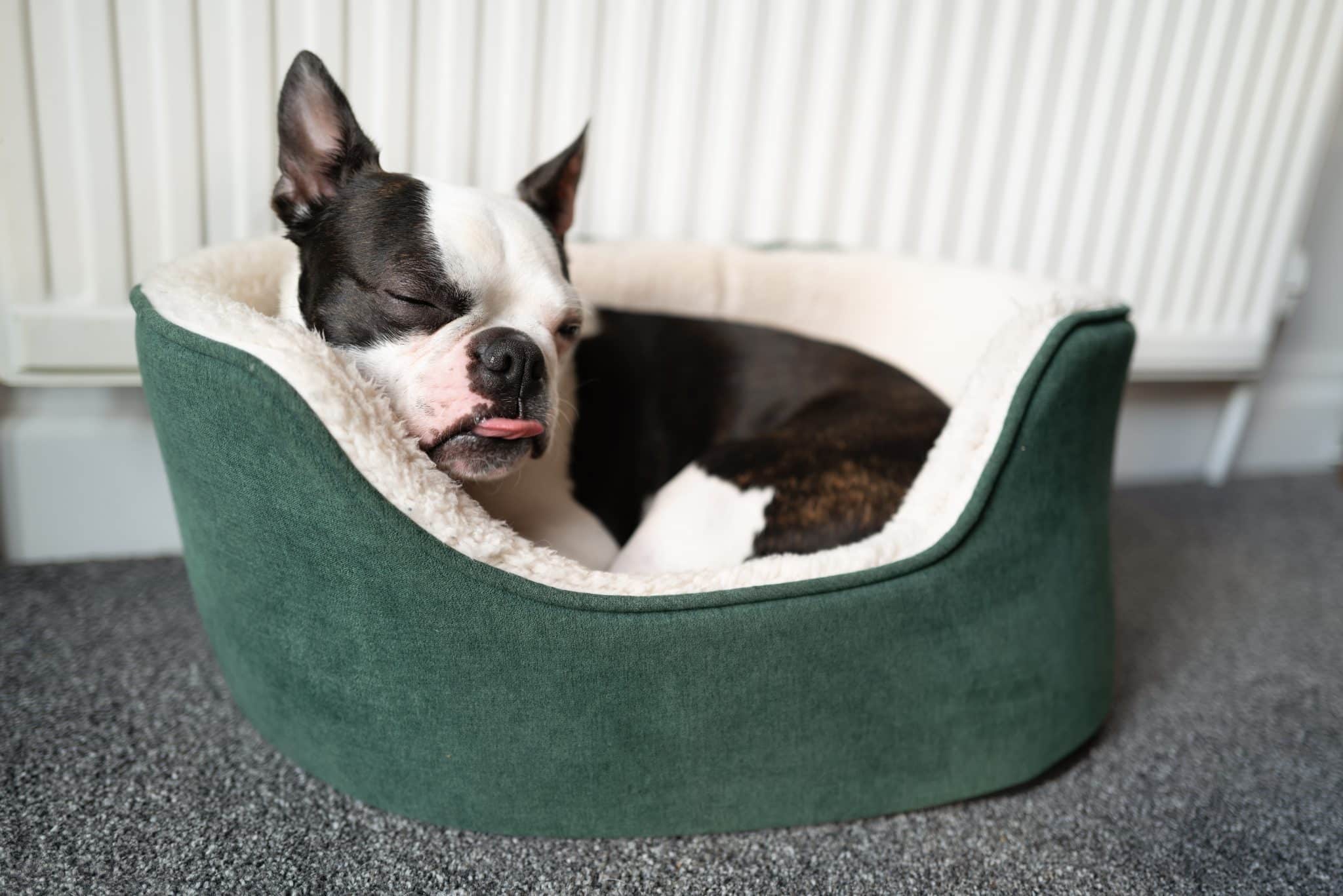
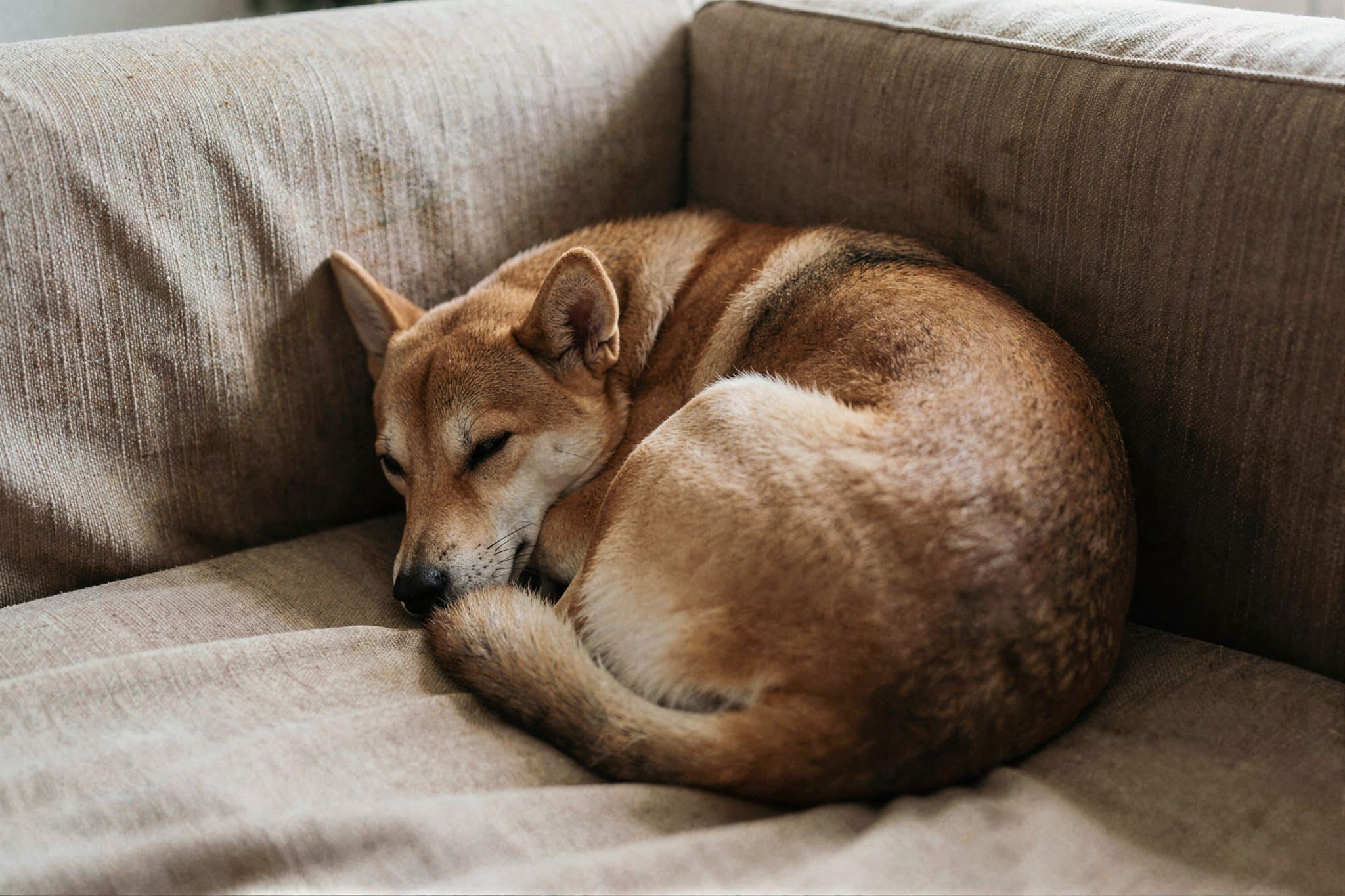
One of the most common sleep postures observed following pre-sleep circling is the tightly coiled ball, often termed the "donut position."
According to veterinary data from VCA Animal Hospitals, this position is a biomechanical strategy driven by two main factors:
Surface-Area-to-Volume Ratio: By tucking the limbs under the body and curling the tail over the snout and face, a dog drastically reduces its exposed surface area. This minimizes radiant heat loss, helping maintain core body temperature in cold conditions.
Vulnerable Organ Protection: The abdominal cavity houses vital organs—including the stomach, liver, and intestines—unprotected by a rib cage. Curling tightly shields these vulnerable soft tissues from potential external threats or environmental exposure.
3. Spatial Orientation: Sleeping Back-to-Human
A notable finding emphasized in contemporary rescue observations is the directional alignment of dogs when sleeping alongside human companions. Many owners observe that their dogs settle with their hindquarters or back firmly pressed against or directed toward the human, facing outward into the room.
Ethologically, this orientation signifies a high degree of trust and security:
Outward Defense Vector: In pack settings, canids frequently sleep back-to-back to maximize their field of view and eliminate blind spots. By placing its back against a human, the dog effectively relies on the human to monitor the rear sector while the dog covers the forward zone.
Vulnerability & Trust: Placing one’s back toward another individual requires complete surrender of visual surveillance in that direction. For a domestic dog, this orientation confirms that the animal does not view the human as a threat, allowing the dog to drop its physical defenses.
Official Statements and Expert Perspectives
To understand these behaviors from both practical field experience and clinical science, insights from animal shelter management and veterinary behaviorists provide a complete perspective.
Sanctuary Perspective: Observations from Cole Reeves
Cole Reeves, an animal advocate managing a large population of over 100 rescued Pit Bulls, emphasizes the importance of observing baseline routines in rescue environments:
"When you work with large numbers of rescue dogs—many coming from backgrounds of trauma, neglect, or high stress—you quickly realize that these bedtime routines aren’t random quirks. They are comfort mechanisms deeply wired into the dog’s biology," Reeves notes.
"When a dog turns three times, scratches its bed, and then places its back right against your leg to sleep, that is a profound statement of security. They are using ancient pack instincts to say, ‘I am safe enough here to let down my guard.’ Recognizing these subtle behavioral cues changes how caregivers bond with and rehabilitate stressed animals."
Clinical experts at VCA Animal Hospitals highlight the historical and biological drivers behind these persistent routines:
"The habit of circling before lying down is an inherited behavior from the dog’s wild ancestors. In nature, this action served practical functions: flattening tall grass, clearing away debris or pests, and creating a comfortable, defined space for rest," VCA clinical guidelines explain.
"Similarly, curling into a tight ball allows the animal to retain body heat and protect vulnerable internal organs. While modern domestic pets enjoy climate control and cushioned beds, these ingrained behaviors remain a fundamental part of canine sleep biology."
Future Outlook and Canine Welfare Implications
As veterinary science advances, analyzing routine sleep behaviors offers useful applications for animal welfare, home care, and clinical diagnostics.
+-----------------------------------------------------------------------------------+
|                        FUTURE APPLICATIONS IN CANINE WELFARE                      |
+-----------------------------------------------------------------------------------+
|  Area of Application   | Objective and Diagnostic Utility                         |
+------------------------+----------------------------------------------------------+
|  Shelter Architecture  | Design low-stress, scent-enriched bedding environments    |
|                        | that accommodate natural circling and nesting routines.  |
+------------------------+----------------------------------------------------------+
|  Early Pain Detection  | Identify obsessive turning, difficulty settling, or inability |
|                        | to coil as indicators of osteoarthritis or joint pain.    |
+------------------------+----------------------------------------------------------+
|  Cognitive Diagnostics | Monitor changes in circling loops to screen for Canine   |
|                        | Cognitive Dysfunction (CCD) in aging dogs.               |
+------------------------+----------------------------------------------------------+
1. Diagnostic Indicators in Veterinary Medicine
While pre-sleep circling is completely normal, changes in the duration, frequency, or fluidity of these movements can serve as an early warning sign for medical conditions:
Orthopedic and Joint Pain: Dogs suffering from osteoarthritis, hip dysplasia, or cruciate ligament injury often exhibit prolonged turning, hesitation, or discomfort when attempting to lower their body onto a bed.
Neurological and Cognitive Shift: Excessive, compulsive, or directionally biased turning—where a dog circles continuously without ever settling—can be a symptom of neurological conditions or Canine Cognitive Dysfunction (CCD), similar to dementia in humans.
2. Optimization of Shelter Environments
Understanding that pre-sleep circling and bed scratching are essential comfort behaviors allows animal shelters to improve kennel design. Providing adequate substrate—such as heavy-duty nesting blankets or structured beds—allows rescue dogs to execute these natural motor routines, lowering cortisol levels and promoting shelter welfare.
3. Enhancing the Human-Canine Bond
By recognizing that bedtime habits are rooted in thousands of years of survival biology, pet owners can better interpret their animals’ physical language. A dog spinning in circles on a living room couch is not acting destructively; it is fulfilling an ancient biological instinct to build a safe, comfortable nest—and choosing to fall asleep facing away from its owner remains one of the strongest expressions of trust in the canine world.