
Executive Overview
In the sprawling, marshy borderlands where land meets sea, the rhythm of life is dictated by the tides, the seasonal shifts in weather, and the tireless work of conservationists. Among these stewards of the wild is the Coastal Bird Technician—a role that combines the grit of field biology, the diplomacy of community outreach, and the resilience required to endure dense clouds of coastal mosquitoes.
Operating on the front lines of avian conservation with organizations like Audubon Delta, coastal bird technicians monitor delicate shorebird populations, track nesting success, and advocate for coexistence between bustling human communities and vulnerable wildlife. But the scope of modern avian conservation stretches far beyond sandy shorelines and salt marshes. Recently, this vital work expanded into the rugged, mountainous terrain of southeastern Arizona, where specialized training in hummingbird banding has opened new frontiers for regional research.
This feature explores the multifaceted reality of life as a Coastal Bird Technician. Through deep dives into field monitoring, heartwarming milestones of wildlife recovery, the painstaking, microscopic craftsmanship of hummingbird banding, and essential guidance for beachgoers, this article sheds light on the dedication required to protect some of the world’s most vulnerable feathered travelers.
Detailed Chronology: A Year in the Life of a Coastal Bird Technician
To understand the vocation of a Coastal Bird Technician, one must first dismantle the common misconception that wildlife conservation is an office job. It is an outdoor, seasonal discipline that shifts dramatically throughout the calendar year, demanding physical endurance, sharp observational skills, and deep ecological knowledge.
Spring and Summer: The Breeding Season
When spring arrives, the tempo of the technician’s work accelerates into high gear. This is the critical breeding season for coastal shorebirds, a time when beaches transform from recreational zones into crucial maternity wards for myriad avian species.
During these months, a technician’s primary responsibility is population and productivity monitoring. This involves systematically walking stretches of coastline to count nesting pairs, locate hidden nests, and track reproductive success.
- Nest Monitoring: Technicians record whether nests successfully hatch or fall victim to natural predators, tidal washouts, or human disturbance.
- Chick Survival Tracking: The work continues after hatching, requiring technicians to monitor fragile chicks as they navigate the scorching sand, dodging predators and human feet until they reach fledging age—the critical milestone when they can finally take flight.
Simultaneously, the breeding season demands robust community engagement. Coastal beaches are shared spaces, and shorebird conservation cannot succeed without public cooperation. Technicians frequently engage with beachgoers, local business owners, and municipal leaders to explain why certain sections of the beach are cordoned off. By raising awareness, they transform local communities into active partners in protecting nesting birds. And, as any field technician will readily admit, this vital work comes hand-in-hand with an occupational hazard: enduring countless mosquito bites in the humid coastal air.
Fall and Winter: Migration, Monitoring, and Skill Expansion
As the breeding season winds down, the focus shifts toward migration monitoring and professional development. Autumn brings a massive influx of migrating shorebirds and songbirds using the coast as a vital refueling station. Technicians track these transient populations, noting physical conditions and monitoring stopover sites.
Beyond the field, the off-season provides opportunities for specialized training. Recently, this path led a regional technician far from the humid Gulf Coast to the high-elevation peaks of Arizona’s Chiricahua Mountains. Participating in intensive, hands-on workshops—such as the Hummingbird Banding Workshop hosted by the Hummingbird Conservation Network and the Southwestern Research Station—allows technicians to bring rare, high-level skills back to their home organizations, bridging the gap between coastal shorebird management and high-altitude avian research.
Supporting Context & Metrics: The Anatomy of Avian Conservation
Avian conservation is a discipline of millimeters and milligrams. To protect birds effectively, scientists must understand their life histories down to the individual level, a task accomplished through banding programs and behavioral monitoring.
The Full-Circle Moment: The Power of Banding
Bird banding—attaching a lightweight, uniquely numbered aluminum or colored band to a bird’s leg—is one of the oldest and most effective tools in ornithology. It allows researchers to track individual survival rates, migration routes, and lifespan.
For field technicians, witnessing the fruits of this labor can be profoundly emotional. One of the proudest moments in the field often occurs when a technician spots a bird they banded years prior returning to its natal grounds. Seeing a fledgling survive the perils of migration, mature, and return as a breeding female is the ultimate validation of conservation efforts. These "full-circle" moments serve as powerful fuel, reminding field staff why long hours in the harsh sun and biting insects matter.
The Microscopic Craft of Hummingbird Banding
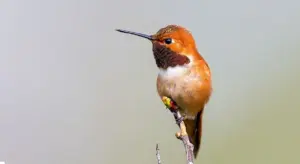
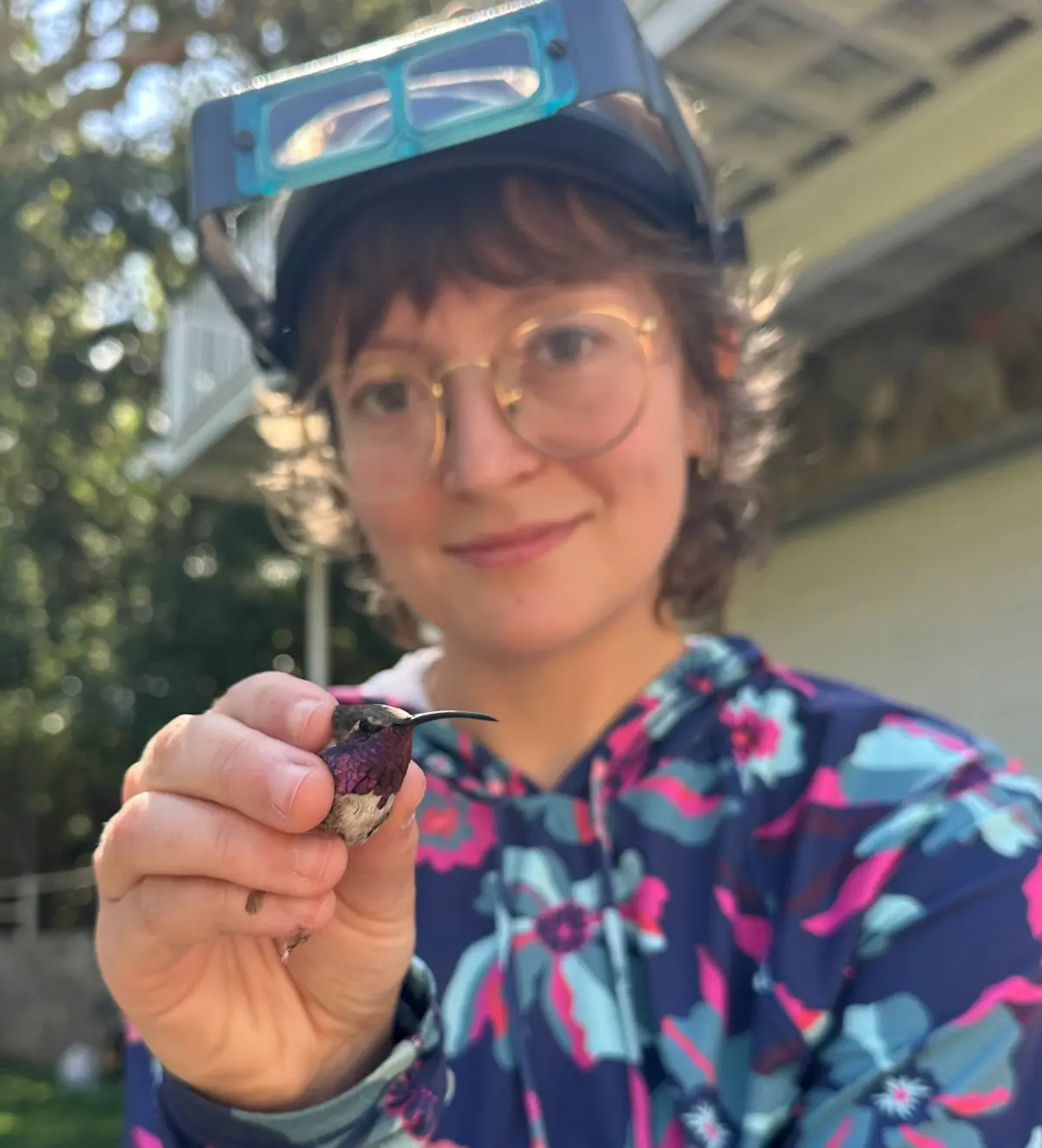
While banding a pelican or a plover requires durable tools, banding a hummingbird is an entirely different discipline. Hummingbirds are the smallest birds in the world, possessing hyper-specialized anatomies, blistering metabolisms, and extreme fragility.
Training at the Southwestern Research Station revealed the astonishingly artisanal nature of hummingbird conservation:
- Handmade Equipment: Unlike traditional banding operations where standardized tools are easily purchased, hummingbird banding relies heavily on custom, DIY engineering. Banding pliers, formers, and shears are frequently custom-crafted or modified by researchers because commercial options simply do not exist for such scale.
- The Banding Process: Bands are not shipped ready-to-use. They arrive as printed sheets of thin aluminum. Technicians must manually cut out strips, slice individual bands, and form them into microscopic semicircles.
- Precision and Safety: Each band requires meticulous fine-adjustment—sanding away rough edges, checking for microscopic scratches or grooves, and ensuring the inner diameter is neither too wide nor too long. A poorly formed band can injure a bird’s delicate leg, making patience and steady hands absolute prerequisites.
Despite their size, these tiny birds undertake monumental journeys. Field sites like the Southwestern Research Station—and nearby residential birding hotspots known for attracting rare species like the Lucifer Hummingbird—serve as crucial laboratories for understanding migratory populations through coordinated censuses conducted alongside the Hummingbird Monitoring Network.
Official Statements and Expert Insights
To gain a deeper appreciation for the philosophy driving modern conservation, we look to the firsthand perspectives of those working directly in the field.
On the Unexpected Realities of Fieldwork
When asked to describe her role to those unfamiliar with the profession, a Coastal Bird Technician boils it down to fundamental questions: "Basically: how are the birds doing? Are they having nest success? Are the chicks surviving to the point where they can fly?"
Yet, the human dimension is just as critical. Conservation is ultimately about managing human behavior to safeguard wildlife habitat. As the technician notes, success relies heavily on "making the communities aware of the work that’s happening and making sure they’re respecting and helping us protect the birds nesting there."
On Regional Capacity and Inter-Agency Collaboration
The pursuit of specialized training—such as traveling to Arizona for hummingbird banding—is not merely about personal enrichment; it is a strategic effort to bolster regional conservation capacity.
- “One of the reasons I wanted to apply to this workshop is that we don’t currently have a hummingbird bander on staff here in the Delta,” the technician explains.
- Acquiring these advanced skills enables organizations to expand their public education efforts, support regional bird festivals with live demonstrations, and strengthen the wider network of the National Audubon Society.
On the Charisma of Avian Life: The American Dipper
Even seasoned scientists who spend their days tracking survival rates and analyzing ecological data retain a deep sense of wonder for the animals they study. Asked about her favorite bird, the technician highlights the American Dipper:
"They’re very round and they do this really cute behavior where they bob up and down. And they’re the only aquatic songbirds—semi-aquatic, but they hunt in the water. They’re very cute, and they have a really interesting foraging style."
This blend of scientific rigor and genuine affection underscores the emotional core that sustains field biologists through grueling field conditions.
Future Outlook: How the Public Can Help Coastal Avians
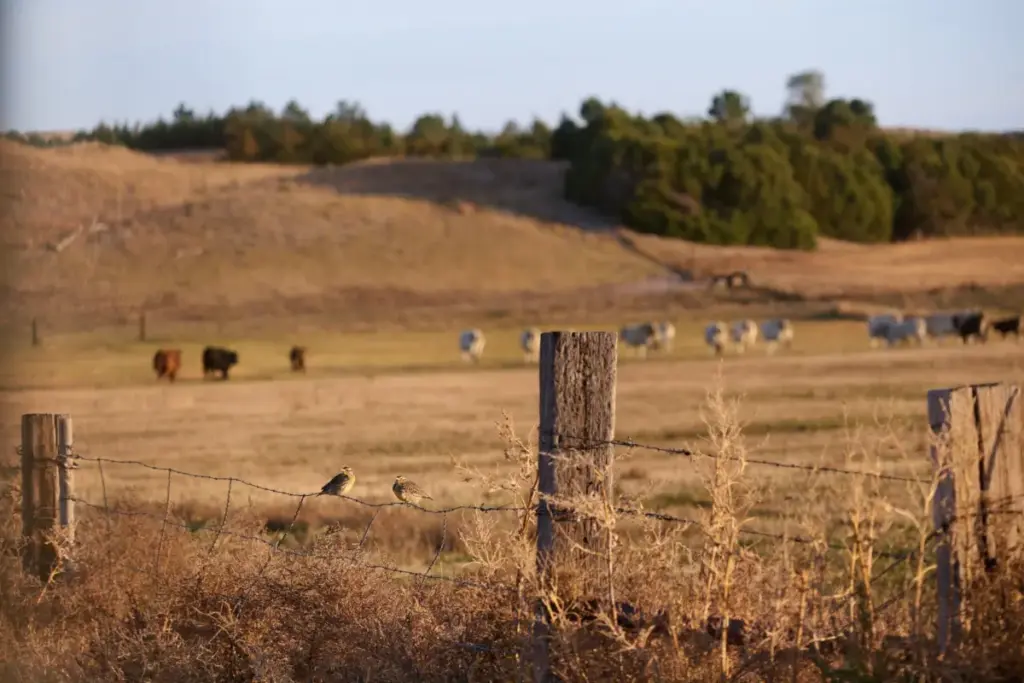
As coastal development increases and recreational pressures on beaches mount, the future of shorebirds depends heavily on public awareness and behavioral change. Field technicians emphasize that protecting coastal birds does not require grand gestures; often, it simply requires giving wildlife space.
Understanding Avian Stress
Many beachgoers assume that because birds have wings, human presence causes them no permanent harm. Field science proves otherwise. When humans approach a flock of resting shorebirds and cause them to take flight, those birds are expending critical energy reserves that they desperately need for survival.
"If you’re getting close to a flock and they fly away, that’s too close," experts advise. "If they’re moving away from you, don’t flush them—give them space, let them rest."
The Monumental Journey of Migrants
The urgency of giving coastal birds space becomes clear when considering the sheer scale of their migrations. Many of the shorebirds resting on sandy beaches during migration periods are traveling thousands of miles—some journeying all the way from the Arctic tundra to the southern tip of South America. Every time a human or an unleashed dog flushes a flock, those exhausted birds are forced to burn precious fat reserves, threatening their ability to complete their epic journeys.
Looking Ahead
The integration of coastal shorebird monitoring with advanced, high-altitude banding techniques marks an exciting evolution in regional conservation. By bridging habitats—from the tidal marshes of the Delta to the high-desert mountains of Arizona—conservationists are weaving a more comprehensive safety net for North America’s migratory birds.
Ultimately, the success of these programs rests in a shared partnership between dedicated field technicians and the public. By respecting nesting cordons, keeping dogs leashed on beaches, and giving migrating flocks the space they need to rest, local communities can ensure that the skies remain alive with the vibrant, resilient wings of coastal birds for generations to come.